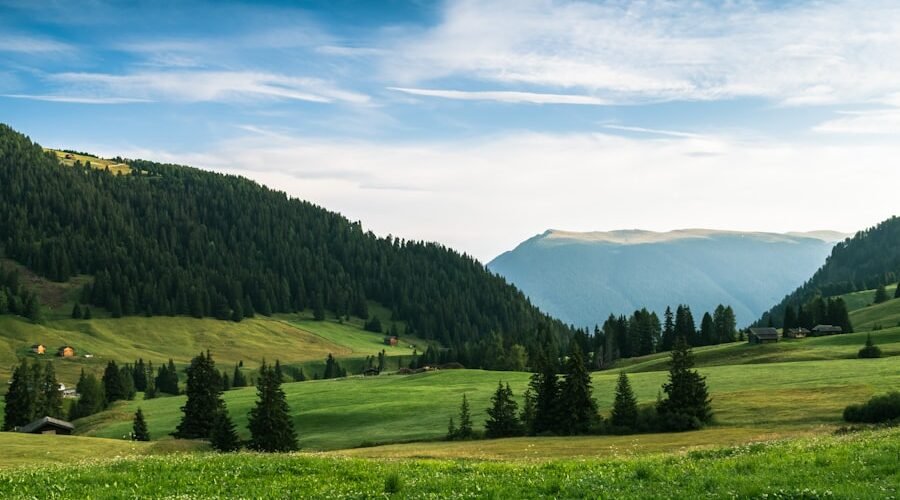
Thinking about heading down to the Tasman Peninsula? Generally speaking, the sweet spot for a visit is during the warmer months, roughly from November to March. This is when the weather is at its most cooperative, making outdoor adventures truly enjoyable. However, there are certainly nuances to consider regarding crowds and costs throughout the year.
Let’s face it, Tasmania isn’t exactly known for its scorching summers, but the Tasman Peninsula does offer some lovely conditions for exploring its stunning landscapes.
Summer (December – February)
This is peak season for a reason. You can expect daytime temperatures to hover around 17-23°C (63-73°F), sometimes nudging a bit higher. The days are long, with plenty of daylight for hiking, cruising, and general exploring. While you might still get a cloudy day or a quick shower, long stretches of clear, sunny weather are common. The ocean temperatures are also at their warmest, which, while still bracing for some, makes swimming and water activities a bit more appealing.
- Pros: Best weather for outdoor activities, long daylight hours, relatively calm seas for cruises.
- Cons: Higher prices for accommodation and tours, more crowded popular spots like Port Arthur Historic Site.
Autumn (March – May)
Ah, autumn. Many Tasmanians will tell you this is their favorite time of year, and it’s easy to see why. Temperatures are still pleasant, typically 14-20°C (57-68°F), and the air often feels crisp and clear. The crowds begin to thin out a bit after the summer rush, offering a more relaxed experience. You’ll also see some lovely autumnal colors in the non-native trees, particularly around towns. Rainfall can start to increase towards the end of autumn, but you’ll still get plenty of dry days.
- Pros: Pleasant temperatures, fewer crowds than summer, potentially lower prices for some things, beautiful light for photography.
- Cons: Days are getting shorter, increased chance of rain later in the season.
Winter (June – August)
Winter on the Tasman Peninsula is definitely cooler and wetter, but it has its own charm. Daytime temperatures average around 8-14°C (46-57°F), and nights can get quite chilly. You’ll definitely need warm layers, waterproofs, and sturdy shoes. While it’s not ideal for swimming or extended beach lounging, the dramatic, wild beauty of the coastline takes on a whole new feel. The air is often incredibly fresh, and you might even have some popular trails almost to yourself. This is also a good time for potentially spotting migrating whales from cliff tops, though it’s never guaranteed.
- Pros: Very few crowds, potentially significantly lower prices for accommodation, dramatic scenery, good for whale watching (mid-winter).
- Cons: Cold and wet weather, shorter daylight hours, some outdoor activities might be less comfortable or available.
Spring (September – November)
Spring is a season of transition. You’ll see temperatures gradually rising from 12-18°C (54-64°F), and the landscape starts to burst with new life. While it can still be a bit unpredictable with sudden showers and brisk winds, you’ll also get some gloriously sunny days. The crowds are still relatively low compared to summer, making it a good “shoulder season” option. It’s an excellent time for hiking as the weather isn’t too hot, and the flora is often vibrant.
- Pros: Fewer crowds than summer, improving weather, fresh and vibrant scenery, good for hiking.
- Cons: Can still be quite windy and showery, not as reliably warm as summer.
If you’re planning a trip to the Tasman Peninsula in Tasmania, it’s essential to consider not only the best time to visit but also how it compares to other destinations. For those interested in exploring different regions, you might find the article on the best time to visit Idaho particularly useful. It provides insights into weather patterns, crowd levels, and costs, which can help you make informed decisions for your travel plans. You can read more about it here: Best Time to Visit Idaho: Weather, Crowds, and Costs.
Dodging the Crowds: When Is It Less Bustling?
The Tasman Peninsula, especially the Port Arthur Historic Site, is a popular destination. If you prefer a more serene experience, timing your visit strategically can make a big difference.
Avoiding Peak Periods
The absolute busiest time is generally from late December through January, and also around Easter. These periods coincide with school holidays and long weekends, drawing both interstate and international visitors. Expect popular attractions to have queues, tours to book out quickly, and accommodation to be at a premium.
- School Holidays: Always check the Tasmanian and Australian school holiday dates if you want to avoid maximum crowds.
- Long Weekends: Any public holiday weekend will see a noticeable increase in visitors.
Shoulder Seasons are Your Friend
As mentioned, autumn (March-May) and spring (September-November) are fantastic for balancing good weather with fewer people. You’ll still encounter other tourists, especially at iconic spots, but it won’t feel nearly as overwhelming as peak summer.
Embrace the Winter Quiet
If you truly want to experience the Peninsula with minimal crowds, winter (June-August) is your best bet. While the weather demands preparedness, you’ll often have trails and viewpoints almost to yourself. Port Arthur will still have visitors, but even there, it’s a much more reflective and less hurried experience.
- Early Mornings/Late Afternoons: Regardless of the season, visiting popular spots like the Port Arthur Historic Site right at opening or an hour or two before closing can help you avoid the largest tour bus groups.
The Cost Factor: When Can You Save a Few Bucks?
Travel costs can add up, and the Tasman Peninsula is no exception. Like many popular destinations, prices fluctuate with demand.
Peak Season Premium
Summer (December-February) and major holiday periods (Easter, long weekends) are when you’ll pay the most for just about everything.
- Accommodation: Expect hotels, B&Bs, and holiday rentals to be at their highest prices and to book out well in advance. Last-minute deals are rare.
- Car Hire: Car rental prices can skyrocket during peak season, especially if you haven’t booked months ahead.
- Tours & Activities: While the base price for things like the Port Arthur entry fee or a Tasman Island Cruise might not change dramatically, availability can be an issue, and you’ll have less room to negotiate any package deals. Restaurants might also have less availability for walk-ins.
Shoulder Season Sweet Spots
Autumn and spring offer a good balance of reasonable prices and pleasant conditions. You’ll likely find accommodation rates to be slightly lower than peak summer, and you might have more options available. Car hire, while still potentially elevated due to overall demand for Tasmania, won’t be as extortionate as in January.
- Booking in Advance: Even in the shoulder seasons, booking accommodation, car hire, and popular tours a few months ahead can often secure better rates.
Winter Bargains
Winter (June-August) is generally the most budget-friendly time to visit.
- Accommodation: You’ll find the lowest rates for hotels, cottages, and holiday rentals. Many places will offer special winter deals to attract visitors. This is when you’re most likely to snag a deal on a place with a fireplace and ocean views.
- Car Hire: Car rental prices are typically at their lowest during the winter months.
- Tours & Activities: While the main attractions’ entry fees remain consistent, you might find some tour operators offering slight discounts or special packages to encourage bookings. Restaurants might also have winter specials.
Getting Around: Is Transportation Easier at Certain Times?
Your mode of transport, especially a car, is pretty essential for exploring the Tasman Peninsula properly.
Self-Drive Advantages
Having your own vehicle (or a rental) gives you the most flexibility to stop at viewpoints, explore hidden coves, and visit attractions at your own pace.
- Summer/Shoulder Seasons: Roads are generally well-maintained and easy to navigate. Be mindful of increased traffic on the main arteries to and from Hobart, especially on weekends and public holidays. Parking at popular spots can also be more challenging during peak times.
- Winter: Roads are still generally good, but be aware of potential black ice on very cold mornings, particularly inland or in shaded areas. Drive cautiously, especially around dawn and dusk, as wildlife (wallabies, possums, sometimes devils) can be more active near roads.
Public Transport and Tours
Public transport to the Tasman Peninsula is limited. There are coaches that go to Port Arthur Historic Site, but beyond that, getting around without a car is tricky.
- Organised Tours: Many tour operators run day trips from Hobart to Port Arthur and other key Peninsula sights. These run year-round but are most frequent and have the most options during summer and the shoulder seasons. In winter, options might be slightly reduced, and you’ll need to book further in advance.
If you’re planning a trip to the stunning Tasman Peninsula in Tasmania, you might find it helpful to explore related travel insights. For instance, an article on the best time to visit Firtina Valley in Rize discusses similar factors such as weather, crowds, and costs that can influence your travel experience. You can read more about it here. This information can help you make informed decisions for your journey to Tasmania, ensuring you enjoy the breathtaking landscapes and unique attractions without the hassle of large crowds or unexpected weather changes.
Activities Galore: What’s Best When?
| Month | Weather | Crowds | Costs |
|---|---|---|---|
| January | Warm and sunny | High | High |
| February | Warm and sunny | High | High |
| March | Mild and pleasant | Medium | Medium |
| April | Cool and crisp | Low | Low |
| May | Cool and rainy | Low | Low |
| June | Cool and rainy | Low | Low |
| July | Cool and rainy | Low | Low |
| August | Cool and rainy | Low | Low |
| September | Cool and rainy | Low | Low |
| October | Mild and pleasant | Low | Low |
| November | Warm and sunny | Medium | Medium |
| December | Warm and sunny | High | High |
The Tasman Peninsula offers a diverse range of activities. Here’s when certain pursuits truly shine.
Hiking and Bushwalking
The Tasman Peninsula is a hiker’s paradise, from gentle coastal strolls to multi-day treks.
- Best Time: Autumn and spring offer ideal temperatures – not too hot, not too cold. The light is often beautiful for photography, and trails are generally dry. Summer can be excellent too, but be mindful of sun exposure and heat, especially on longer walks. Winter hiking is invigorating, but be prepared for mud, slippery sections, and potentially very strong winds along the exposed coast. The Three Capes Track operates year-round, but booking well in advance is essential regardless of season.
Coastal Cruises and Wildlife Tours
Seeing the dramatic cliffs and marine wildlife from the water is a must-do.
- Best Time: Summer and early autumn typically offer the calmest seas and most reliable weather for these tours. While they operate year-round, winter can bring rougher conditions, which might lead to cancellations or a less comfortable experience. Wildlife sightings (seals, dolphins, seabirds) are possible year-round, but specific whale watching tours are best in winter (June-August) when migrating humpbacks and southern right whales pass by.
Exploring Historic Sites (Port Arthur)
The UNESCO World Heritage-listed Port Arthur Historic Site is the jewel in the Peninsula’s crown.
- Best Time: Any time of year! Port Arthur is an all-weather attraction. In summer, you can enjoy the grounds and outdoor exhibits in comfort. In winter, the dramatic, moody skies can add to the poignant atmosphere of the site, and the indoor exhibits (like the museum and Penitentiary) offer warmth. The Ghost Tour, a popular evening activity, runs year-round, but booking is always recommended.
Beach Visits and Swimming
For those who brave the chilly southern waters.
- Best Time: Definitely summer (December-February). This is when the water is at its “warmest” (still cold by many standards, but swimmable for the hardy!). The longer daylight hours also mean more time to relax on the sand. Outside of summer, beach visits are more about enjoying the coastal scenery and a brisk walk rather than swimming.
Final Thoughts: Tailoring Your Trip
Ultimately, the “best” time depends on your priorities.
- If optimal weather for outdoor activities is paramount, and you don’t mind crowds or higher prices, aim for summer (Dec-Feb).
- If you prefer a balance of good weather and fewer crowds, with slightly lower costs, then autumn (Mar-May) or spring (Sep-Nov) are excellent choices.
- If budget is a key concern, and you enjoy dramatic, wild scenery and quiet reflection, winter (Jun-Aug) will reward you, provided you pack appropriately.
No matter when you decide to go, the Tasman Peninsula offers an unforgettable experience. Just remember to pack layers, waterproofs, and a good sense of adventure – Tasmania’s weather can be famously changeable, even on a summer’s day! And always book your popular tours and accommodation in advance, especially if traveling during school holidays or long weekends.
FAQs
1. What is the best time to visit Tasman Peninsula, Tasmania in terms of weather?
The best time to visit Tasman Peninsula, Tasmania is during the summer months of December to February when the weather is warm and dry, with average temperatures ranging from 17°C to 21°C.
2. When is the peak tourist season on Tasman Peninsula, Tasmania?
The peak tourist season on Tasman Peninsula, Tasmania is during the summer months of December to February when the weather is most favorable. During this time, the area experiences an influx of visitors, so it is advisable to book accommodations and activities in advance.
3. What is the off-peak season on Tasman Peninsula, Tasmania?
The off-peak season on Tasman Peninsula, Tasmania is during the winter months of June to August when the weather is cooler and wetter. This is a quieter time to visit, with fewer crowds and lower accommodation costs.
4. When is the best time to visit Tasman Peninsula, Tasmania to avoid crowds?
To avoid crowds, it is best to visit Tasman Peninsula, Tasmania during the shoulder seasons of spring (September to November) and autumn (March to May). During these times, the weather is still pleasant, and there are fewer tourists compared to the peak summer season.
5. How does the cost of visiting Tasman Peninsula, Tasmania vary throughout the year?
The cost of visiting Tasman Peninsula, Tasmania is typically higher during the peak summer season due to increased demand for accommodations and activities. Visiting during the off-peak winter season may result in lower accommodation costs and potential discounts on activities.