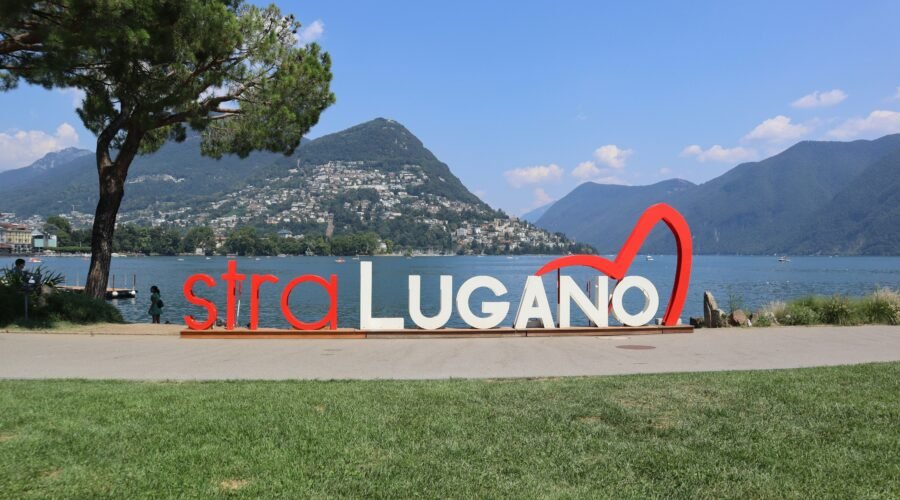
Planning a trip to Ticino, Switzerland, means choosing between sunny lakeside days, spring flowers, autumn hiking, summer events, and quiet winter escapes. There is no single perfect month for every traveler, but for the best balance of comfortable weather, manageable visitor levels, and good access to outdoor activities, late spring and early autumn are usually the strongest choices.
Quick Answer
For most travelers, the best time to visit Ticino is May to early June or September to early October. These periods usually combine mild-to-warm weather, good conditions for sightseeing and lower-elevation hiking, and less pressure than midsummer. Choose July or August for swimming and major events, and winter for quieter towns and mountain snow activities.
Key Takeaways
- Best overall: May to early June and September to early October give many visitors the best balance of weather, activities, and crowd levels.
- Best for swimming: June through August offers the warmest conditions for lake and lido days.
- Best for hiking: Late spring and early autumn are comfortable at many lower and mid elevations, although mountain conditions must always be checked separately.
- Best for autumn scenery: October brings colourful forests, chestnut traditions, and cooler walking weather.
- Best for quieter travel: Late autumn and winter bring fewer leisure visitors outside holiday periods, but some seasonal attractions and mountain facilities may operate reduced schedules.
Spring in Ticino: Mild Weather and Blossoms
Spring in Ticino is a season of rapid change. Lakeside parks and gardens begin flowering while higher mountains may still hold snow. Official Ticino tourism highlights camellias, magnolias, azaleas, and other spring blooms as some of the season’s main attractions.
One important point is that Ticino does not have one uniform climate. Lugano, Locarno, and other low-elevation areas around the lakes are considerably milder than mountain valleys and high trails. For current conditions, especially before a hike, use the MeteoSwiss weather service rather than relying on one canton-wide temperature estimate.
March and April: A Shoulder-Season Surprise
March and April can deliver sunny, mild afternoons around the lakes, but the season remains changeable. Cool evenings, rain, and late snow at higher elevations are all possible.
- Weather: Expect a mixture of mild days, cooler spells, and rain. Pack layers and a waterproof outer layer rather than planning around a single temperature range.
- Crowds: Visitor pressure is generally lighter than during the core summer period, although Easter and sunny weekends can make popular lakeside locations noticeably busier.
- Costs: Accommodation can offer better value than on high-demand summer weekends, but rates vary by property, holiday period, and booking date.
- What to Do: Walk the promenades in Lugano, Locarno, or Ascona, explore gardens, visit museums, and choose lower-elevation hikes where trail conditions are suitable.
Warning: Ticino’s sunny reputation does not mean reliably dry weather. MeteoSwiss notes that the south side of the Alps has important spring and autumn precipitation peaks and can experience very heavy rain. Check the forecast before valley, river, or mountain outings.
May and Early June: The Sweet Spot
For many visitors, May through early June is one of Ticino’s strongest travel windows. Nature is green, spring flowers remain a highlight, daylight is generous, and conditions are often comfortable for combining towns, lakes, and outdoor activities.
- Weather: Lower-elevation areas are usually pleasantly warm, but showers and cooler mountain conditions remain possible.
- Crowds: Popular destinations become livelier as summer approaches, though many dates are less pressured than peak midsummer periods.
- Costs: Rates can rise around weekends and holidays, so compare several dates rather than assuming every spring stay is inexpensive.
- What to Do: Explore the Verzasca Valley, take a boat trip, walk lakeside paths, visit gardens, and hike suitable lower- and mid-elevation routes.
If you are comparing Ticino’s shoulder-season strategy with a warmer coastal destination, the site’s Best Time to Visit Key West guide provides another weather-and-crowds comparison.
Summer in Ticino: Warm Lakes and a Lively Atmosphere
Summer brings Ticino’s classic lakeside holiday atmosphere. Swimming areas, outdoor dining, mountain excursions, festivals, and evening events all become major parts of the experience.
Late June to August: Peak Summer Activity
Low-lying Ticino is one of Switzerland’s warmest areas. MeteoSwiss climate data show that lower areas on the south side of the Alps can have average maximum temperatures around 25°C or higher in the warmest period, while heatwaves can push daytime temperatures above 30°C.
- Weather: Expect warm to hot conditions around Lugano, Locarno, and other low-elevation areas. Mountains are cooler, but thunderstorms and sudden weather changes remain possible.
- Crowds: Summer is a major visitor season. Lakeside resorts, swimming areas, campgrounds, and well-known attractions can be busy, especially on weekends and during major events.
- Costs: Strong demand can push accommodation rates upward. Book earlier when your dates overlap festivals, school holidays, or popular weekends.
- What to Do: Swim, visit lidos, take boat trips, enjoy watersports, explore shaded valleys, attend outdoor events, and move strenuous hikes to cooler parts of the day.
Locarno is especially lively when the Locarno Film Festival is taking place. Event dates change each year, so check the official calendar before booking if you either want to attend or prefer to avoid concentrated demand.
Pro Tip: In hot weather, plan exposed walks for morning or later afternoon and save museums, long lunches, swimming, or shaded attractions for the hottest part of the day.
Early September: Lingering Summer Warmth
September is one of Ticino’s most flexible months. Summer warmth often continues around the lakes, while the biggest midsummer rush begins to ease. It is a particularly useful month if you want to combine hiking, boating, sightseeing, and outdoor dining.
- Weather: Warm days are common at lower elevations, but rainfall remains possible and mountain temperatures cool faster than lakeside temperatures.
- Crowds: Many locations feel less intense than during major July and August holiday periods, though sunny weekends can still draw plenty of visitors.
- Costs: You may find better availability than during peak event periods, but rates still depend heavily on the exact dates and property.
- What to Do: Hike, take lake cruises, explore vineyards and villages, swim when conditions are suitable, and enjoy long days outdoors without relying on midsummer heat.
Autumn in Ticino: Colour, Chestnuts and Cooler Walks

Autumn is one of Ticino’s most distinctive seasons. Forests begin changing colour, temperatures become more comfortable for long walks, and local food traditions move into the spotlight. Official Ticino tourism specifically promotes autumn hiking, cycling, culture, wellness, and seasonal food experiences.
Mid-October to November: Autumnal Charm
Autumn colour can be beautiful across Ticino’s forests and valleys, although timing varies each year with elevation and weather.
- Weather: Days become cooler and shorter. Rain can be significant, and higher routes may turn cold well before the lakeside towns.
- Crowds: Many leisure destinations become quieter after the main summer travel period, although festivals and sunny weekends can create local spikes.
- Costs: Some accommodation offers attractive off-peak rates, but there is no universal low-season price. Compare live rates for your specific dates.
- What to Do: Photograph autumn foliage, hike suitable routes, explore villages, visit museums, sample regional food, and look for chestnut-related events.
Chestnuts are closely tied to Ticino’s autumn traditions. Events in areas such as Ascona and the Verzasca Valley celebrate roasted chestnuts, local crafts, food, and regional customs.
Late November and December: The Pre-Winter Calm
Late autumn shifts the focus from long outdoor days toward towns, food, culture, wellness, and seasonal events. Snow is possible in the mountains while low-elevation lakeside areas can remain comparatively mild.
- Weather: Expect shorter days and cooler conditions. Frost becomes more likely, especially away from the lakes and at elevation.
- Crowds: Many non-holiday dates are quiet, while Advent events and Christmas markets can bring activity back into town centres.
- Costs: Lower-demand dates can offer good accommodation value, but Christmas and New Year should not be treated as budget periods.
- What to Do: Explore Lugano, Locarno, Bellinzona, or Ascona; visit museums; enjoy cafés and restaurants; and check seasonal market calendars.
Winter in Ticino: Quiet Lakesides and Mountain Snow

Winter reveals the contrast between Ticino’s relatively mild lake districts and its Alpine terrain. Official tourism information emphasizes lakeside walks and urban activities at lower elevations while higher areas provide opportunities for snow-based winter recreation when conditions allow.
January and February: Crisp Air and Fewer Visitors
If you prefer a quieter trip and do not need warm-weather lake activities, January and February can be rewarding.
- Weather: Lakeside towns are cold but often milder than high Alpine destinations. Snow and freezing conditions become much more important as elevation increases.
- Crowds: Many leisure attractions and promenades are peaceful outside holiday weekends.
- Costs: Some properties offer attractive winter rates, but prices should be checked rather than assuming January or February is automatically cheapest.
- What to Do: Explore museums and historic centres, enjoy lakeside walks, relax in cafés and wellness facilities, and head higher for winter activities when snow and operating conditions are suitable.
For another destination-by-season comparison, you can also see the site’s guide to the best time to visit Ünye, Ordu.
Understanding Ticino’s Crowd Levels
| Period | Typical Conditions | Visitor Pressure | Price Tendency |
|---|---|---|---|
| January | Cold at low elevation; snow more likely in mountains | Usually low outside holidays | Often lower-demand |
| April | Mild but changeable; spring rain possible | Low to moderate | Variable |
| May–early June | Mild to warm; green landscapes | Moderate | Moderate, date-dependent |
| July–August | Warm to hot at low elevations | High at popular locations | Often higher during strong demand |
| September | Often warm at low elevation; cooler in mountains | Moderate | Variable |
| October | Cooler, colourful, rain possible | Low to moderate | Often good value outside events |
Crowds in Ticino are not determined by season alone. Weekends, Swiss and neighbouring-country holidays, good-weather forecasts, festivals, and individual attractions can all change how busy a destination feels.
Peak-Season Rush
- When: July and August are among the main high-demand leisure months, especially around lakes, swimming areas, campsites, and major events.
- What to Expect: Popular promenades, beaches, boat services, parking areas, and attractions may be busy.
- Benefits: Seasonal services are widely available, swimming conditions are at their best, and the events calendar is active.
Shoulder-Season Sweetness
- When: Roughly April to early June and September to October, depending on the activity and elevation.
- What to Expect: A calmer atmosphere on many dates without giving up the main lakeside towns and a large range of outdoor activities.
- Benefits: These periods often deliver the strongest balance between comfortable conditions and visitor pressure.
Low-Season Serenity
- When: Late autumn through early spring, excluding busy holiday and event periods.
- What to Expect: Quieter towns and fewer leisure visitors, but some mountain transport, seasonal restaurants, outdoor attractions, and tourism services may have reduced schedules.
- Benefits: Peaceful sightseeing, easier restaurant reservations, and the possibility of attractive accommodation rates.
Costs and Budget Planning in Ticino
Ticino is in Switzerland, so it is rarely a true low-cost destination. The biggest savings usually come from choosing dates carefully, comparing accommodation across nearby towns, booking high-demand dates early, and reducing local transportation expenses.
When Prices Are More Likely to Rise
- Summer demand: Popular lake destinations can command higher rates during warm-weather weekends and holidays.
- Major events: Festival periods can tighten accommodation availability in the host city.
- Short-notice bookings: Waiting until the last minute during a busy period can leave you with fewer choices rather than better bargains.
The Shoulder-Season Advantage
May, early June, September, and parts of October are worth checking if you want a balance between weather and price. However, compare actual rates across several dates instead of assuming every shoulder-season night will cost less than every summer night.
Saving Money in the Lower Season
- Compare Lugano, Locarno, Bellinzona, Ascona, and smaller surrounding communities rather than limiting yourself to one centre.
- Avoid treating Christmas, New Year, Easter, or festival weekends as normal low-season dates.
- Check whether your accommodation participates in the official Ticino Ticket program.
Pro Tip: Guests staying at participating Ticino accommodations can receive the Ticino Ticket, which provides free public transport in the canton during the eligible stay plus discounts with participating tourism partners. Confirm participation with your accommodation before booking.
Match Your Activities to the Season
The best time to visit Ticino depends as much on what you want to do as on the calendar.
Hiking and Outdoor Adventures
- Spring: Excellent for many low- and mid-elevation walks once routes are free of snow and safe.
- Summer: Higher routes become more accessible, but heat can make exposed low-elevation hiking uncomfortable.
- Autumn: Cooler temperatures and colourful forests make this one of the most rewarding walking seasons.
- Winter: Choose routes designed for winter conditions. Ordinary summer mountain paths should not be assumed safe or snow-free.
Note: Weather around Lake Lugano or Lake Maggiore does not tell you what conditions are like on a mountain route. Check elevation-specific forecasts and local trail or lift information before setting out.
Lakeside Relaxation and Water Sports
- Best Season: Summer is the strongest period for swimming, lidos, sunbathing, boating, and watersports.
- Late Spring/Early Autumn: Excellent for boat trips and lakeside walks, with swimming depending on personal preference and water conditions.
- Winter: Better for scenic promenades and waterfront sightseeing than swimming.
City Exploration and Culture
- Year-round: Lugano, Locarno, Bellinzona, and other towns can be explored in every season.
- Spring/Autumn: Particularly comfortable for extended walking and outdoor cafés.
- Summer: Offers the liveliest atmosphere and events, but midday heat can make long walking tours tiring.
- Winter: Works well for museums, architecture, food, cafés, and quieter sightseeing.
Scenic Drives and Photography
- Autumn: Best for warm forest colours and seasonal atmosphere.
- Spring: Strong for flowers, fresh greenery, and the contrast between blooming lowlands and snowy peaks.
- Summer: Offers long days and green mountain landscapes, although midday light can be harsh for photography.
- Winter: Creates cleaner, more minimalist landscapes and dramatic contrasts between lakes and snow-covered mountains.
Which Time of Year Should You Choose?
Your best month becomes clearer once you decide what matters most:
- For the best overall balance: Choose May to early June or September to early October.
- For swimming and a lively holiday atmosphere: Choose late June through August.
- For hiking without peak summer heat: Consider late spring or early autumn, then check the conditions for your exact elevation.
- For autumn photography and chestnut traditions: October is an excellent target.
- For quieter sightseeing: Consider late autumn or winter outside holiday periods.
- For a lower accommodation budget: Compare live rates in the quieter seasons instead of relying on a fixed “cheapest month.”
Ticino’s biggest advantage is not one perfect season but its contrast: lakeside palms and warm summer evenings at low elevation can exist in the same canton as Alpine trails and winter snow.
No matter when you visit, build your itinerary around elevation as well as season. A sunny day in Lugano may still mean cold, wet, snowy, or rapidly changing conditions higher in the mountains. That simple distinction will make your Ticino plans much more reliable.
Sources
- MeteoSwiss — The Climate of Switzerland — climate normals, temperature, elevation, heat, and precipitation patterns.
- MeteoSwiss — Annual Cycle of Temperature, Precipitation and Sunshine — seasonal precipitation patterns north and south of the Alps.
- Ticino Turismo — Seasons in Ticino — official year-round seasonal activities and destination guidance.
- Ticino Turismo — Ticino Ticket — current public-transport and visitor-benefit information.
- Switzerland Tourism — Ticino — destination geography, climate character, cities, and major attractions.
- Locarno Film Festival — official festival information and annual event dates.
Frequently Asked Questions
What is the best time to visit Ticino overall?
For most travelers, May to early June and September to early October offer the best balance. You can usually enjoy comfortable low-elevation weather, sightseeing, boat trips, and many hiking opportunities without depending on midsummer heat or the busiest summer dates.
Which months have the best weather in Ticino?
There is no universally driest or best-weather month. Late spring and early autumn are comfortable for many activities, while July and August are warmest around the lakes. Ticino can receive substantial rain, particularly with spring and autumn weather systems, so check the forecast for your exact dates.
When is peak tourist season in Ticino?
July and August are major summer travel months, particularly around the lakes, swimming areas, campsites, and well-known attractions. Major events can create additional local crowd and accommodation pressure even when the rest of the canton feels less busy.
When is the shoulder season in Ticino?
Spring from roughly April to early June and autumn from September into October are useful shoulder periods. May, early June, and September are especially attractive if you want to combine outdoor activities with milder temperatures and generally less pressure than the main midsummer period.
What is the cheapest time to visit Ticino?
There is no guaranteed cheapest month because accommodation rates change with demand, holidays, events, property type, and booking lead time. Late autumn and winter outside Christmas and New Year often have quieter dates worth checking, while shoulder-season weekdays can also offer good value.
When is the best time to see autumn colours in Ticino?
October is a strong target for autumn scenery, although peak colour varies by elevation and yearly weather. The season also brings chestnut traditions and food events, making it especially appealing for photography, walking, and local culture.
Is Ticino worth visiting in winter?
Yes, especially if you value quieter towns, lakeside walks, museums, food, wellness, and winter scenery. Lower elevations are relatively mild by Swiss standards, while higher areas can offer snow activities. Check operating schedules because some seasonal attractions and mountain services may be reduced.