

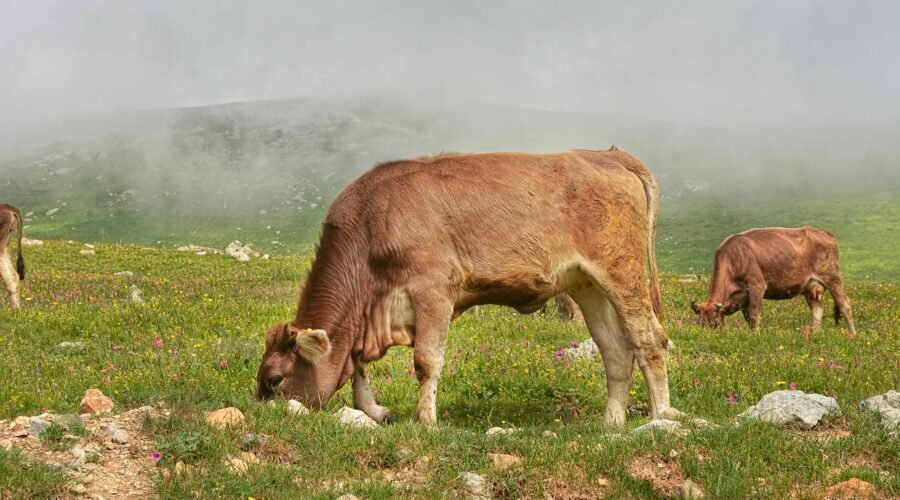
Choosing the best time to visit Uzungöl can make a big difference to your trip. This mountain lake near Trabzon, Turkey, looks beautiful throughout the year, but the weather, crowds, prices, and road conditions change with the seasons. Whether you want green hills, autumn colors, or snow-covered scenery, timing matters.
Quick Answer
The best time to visit Uzungöl is May to early June or September to early October. These periods offer a good balance of pleasant weather, attractive scenery, and fewer visitors than peak summer. Choose July or August for a lively summer atmosphere, or January and February for winter landscapes and possible snowfall.
Last checked: September 25, 2026. Key dates and official climate figures were verified against official sources.
Key Takeaways
- Spring brings fresh greenery, flowing streams, and comfortable conditions for lakeside walks.
- July and August are generally the busiest months, especially during school holidays and weekends.
- September is a good alternative to peak summer, although rainfall remains possible.
- Late autumn and winter may offer lower accommodation prices, but some businesses operate reduced hours.
- Snow and ice can affect winter travel, while holiday festivals may attract large crowds even outside summer.
Best Time to Visit Uzungöl: Monthly Weather and Crowds
Uzungöl has four distinct seasons, but its mountain location makes its weather different from coastal Trabzon. It sits approximately 1,150 meters above sea level, surrounded by steep, forested hills.
The Trabzon Provincial Tourism Directorate places Uzungöl about 99 kilometers from Trabzon and 19 kilometers from Çaykara. Its elevation helps explain why the lake can feel much cooler than the city.
The table below uses official Trabzon coastal climate averages to show the regional seasonal pattern. These are not measured Uzungöl temperatures. Conditions at the lake and on surrounding mountains can be considerably colder.
| Month | Trabzon Average High / Low | Average Rainfall | Uzungöl Travel Conditions | Typical Crowds |
|---|---|---|---|---|
| January | 11.3°C / 5.0°C | 88.8 mm | Cold, with possible snow and ice | Low, except holidays and events |
| February | 11.4°C / 4.6°C | 63.1 mm | Winter scenery and possible snowfall | Low to moderate |
| March | 13.0°C / 6.2°C | 69.3 mm | Cold transition toward spring | Usually low; holidays may be busy |
| April | 16.3°C / 9.0°C | 62.8 mm | Cool spring weather and fresh greenery | Low to moderate |
| May | 20.0°C / 13.4°C | 55.5 mm | Green scenery and comfortable walks | Moderate; holiday peaks possible |
| June | 24.5°C / 17.6°C | 52.3 mm | Lush scenery and warmer days | Moderate, increasing later |
| July | 27.5°C / 20.6°C | 34.7 mm | Warm summer conditions and active tourism | Very high |
| August | 28.1°C / 21.2°C | 59.4 mm | Warmest regional period | Very high |
| September | 25.1°C / 17.8°C | 85.4 mm | Mild days and cooler evenings | Moderate, often decreasing |
| October | 21.0°C / 14.1°C | 134.1 mm | Autumn colors and wetter weather | Low to moderate |
| November | 16.5°C / 9.6°C | 103.2 mm | Cold, wet, and quieter | Low, except school breaks |
| December | 13.1°C / 6.8°C | 93.5 mm | Winter conditions may develop | Usually low |
Source: Turkish State Meteorological Service, Trabzon climate normals (1991–2020). Rainfall figures are monthly averages for Trabzon, not forecasts or direct measurements at Uzungöl.
One useful detail is that September is not necessarily dry. Official coastal records show average rainfall rising from 59.4 mm in August to 85.4 mm in September. October is wetter still, averaging 134.1 mm.
Spring in Uzungöl: April to May
Spring is one of the most appealing times to visit Uzungöl. The surrounding forests turn green, streams become more active, and the atmosphere is generally calmer than during summer.
Spring Weather and Scenery
March is the transition from winter. Snow can remain at higher elevations, while lower areas gradually begin to thaw.
April brings more visible greenery, although the weather remains cool and unsettled. Indicative local daytime temperatures in the original guide range from about 5°C to 15°C. Rain and mist are common.
May is generally more comfortable, with indicative temperatures around 10°C to 20°C. Longer days make it easier to combine lakeside walks, photography, and short hikes.
Early June continues the late-spring feel. Temperatures may reach the 15°C to 25°C range during warmer spells, although conditions vary with elevation and weather systems.
Higher mountain areas may still have snow or muddy paths during the earlier part of spring.
Spring Crowds and Costs
April usually has relatively few visitors. May becomes busier as the weather improves, but ordinary weekdays are generally easier to manage than July and August.
Accommodation can offer better value than during the summer peak. Flights, car rentals, and transfers may also be less expensive outside busy holiday periods.
However, spring is not automatically a low-cost season. National holidays can produce temporary demand spikes.
What to Do in Spring
- Walk around the lake and enjoy the changing mountain scenery.
- Photograph the mosque, water reflections, and green slopes.
- Visit local restaurants and try regional trout dishes.
- Explore suitable walking trails while avoiding snow-covered or muddy routes.
- Enjoy the quieter atmosphere before the summer tourism rush.
Best for: Nature lovers, photographers, couples, and travelers who prefer comfortable weather without peak-season crowds.
Summer in Uzungöl: June to August
Summer is the main tourism season in Uzungöl. The mountains are green, days are longer, and most visitor services operate at their busiest.
July and August usually bring the greatest demand for accommodation, restaurants, and lakeside activities.
Summer Weather
June becomes warmer as the month progresses. July and August are generally the warmest months, although Uzungöl’s elevation helps keep it cooler than coastal Trabzon.
The original guide describes summer temperatures around 20°C to 30°C, with hotter conditions possible during warm spells. These figures should be treated as indicative rather than official local averages.
Summer does not guarantee sunshine. Short showers, fog, and sudden changes in visibility can still occur in the eastern Black Sea mountains.
Evenings may feel noticeably cooler than afternoons, especially near the lake.
Summer Crowds and Accommodation Prices
Summer brings the busiest atmosphere of the year. Domestic visitors and international tourists gather around the lake, viewpoints, restaurants, and shopping areas.
Expect the greatest congestion around:
- The lakeside promenade and main village streets.
- Popular photography viewpoints.
- Restaurants and cafes overlooking the water.
- Parking areas near the lake.
- Roads approaching Uzungöl during weekends and public holidays.
Accommodation prices are generally highest during peak demand. Popular lake-view rooms and family accommodation may sell out earlier than other options.
Flight prices into Trabzon, car rentals, and guided tours can also cost more during busy travel periods.
Summer Activities and Regional Festivals
Summer is suitable for walking, photography, sightseeing, and exploring the surrounding highlands when weather and access allow.
The wider Trabzon region also has traditional highland celebrations, including Kadırga and Hıdırnebi festivities. These are regional events rather than attractions directly beside Uzungöl.
They offer opportunities to experience local music, horon dancing, and Black Sea highland culture.
The Turkish school summer holiday also influences domestic travel. The officially announced 2026–2027 school year ends on June 25, 2027, making late June and the following summer an important period to consider when planning accommodation.
Best for: Families, visitors seeking an active summer atmosphere, and travelers who want to explore the surrounding mountain landscapes.
Autumn in Uzungöl: September to November
Autumn offers a quieter alternative to summer. September often retains comfortable weather, while October brings changing forest colors and cooler conditions.
November becomes colder and wetter, with fewer visitors and a greater chance of winter-like conditions at higher elevations.
September Weather and Crowds
September is one of the strongest months for an all-round visit. The original guide gives indicative local temperatures of 15°C to 25°C, with cooler evenings.
Summer visitor numbers usually begin to decrease, especially after school holidays. You can often enjoy the same green scenery with less pressure around the main viewpoints.
However, September should not be treated as a guaranteed dry month. Rain and low cloud remain possible, and some days may have limited mountain views.
October and November Conditions
October brings more noticeable autumn colors, with indicative local temperatures around 10°C to 20°C. The exact timing of peak foliage depends on the weather.
Rainfall increases across the region during autumn. Wet paths, slippery surfaces, and fog can affect outdoor plans.
November is considerably cooler, with the original guide indicating temperatures around 5°C to 15°C. Higher mountain areas may receive early snow, and some tourism businesses may reduce their operating hours.
Autumn Prices and Activities
Accommodation prices generally begin to ease after the summer peak. September may still command higher rates than late October or November, particularly for lake-view properties.
Autumn suits activities that do not depend on hot weather:
- Photography of changing forest colors.
- Walking around the lake.
- Relaxed restaurant visits.
- Exploring nearby viewpoints when visibility is clear.
- Enjoying quieter mornings and evenings.
For a budget-focused visit, late October and November can offer good accommodation value, provided you are comfortable with colder weather and fewer available services.
Best for: Photographers, couples, budget-conscious travelers, and visitors who prefer a peaceful atmosphere.
Winter in Uzungöl: December to February
Winter transforms Uzungöl into a mountain destination with the possibility of snow-covered forests, frozen ground, and dramatic lake views.
It is usually quieter than summer, but winter festivals and school holidays can create short periods of heavy demand.
Winter Weather and Snowfall
The original guide describes typical cold-season conditions around -5°C to 5°C, with temperatures sometimes falling below freezing.
January and February are suitable months to consider if your main goal is snowy scenery. However, snowfall is weather-dependent and cannot be guaranteed for specific travel dates.
December can bring the start of winter conditions, while March may still feel cold at Uzungöl despite the arrival of spring elsewhere.
Snow, ice, and reduced visibility can make mountain travel more difficult.
Winter Crowds and Costs
Ordinary winter weekdays are often quiet. Some guesthouses, restaurants, and tourism services operate reduced hours or close temporarily.
Accommodation may be cheaper than in summer, although the choice of open properties can be smaller. Heating, road access, and winter transport should be considered alongside room prices.
Snow-focused events can change the usual crowd pattern. For example, Trabzon Metropolitan Municipality organized the Uzungöl Winter Festival on January 23–25, 2026, with special free transport services on January 24 and 25.
This demonstrates why winter should not always be described as completely deserted. The 2027 festival dates have not been confirmed in the sources reviewed.
Winter Travel Safety
Warning: Snow, ice, fog, and heavy rainfall can affect mountain roads. Use suitable winter tires, carry chains where required, and avoid driving into deteriorating conditions. A four-wheel-drive vehicle does not replace proper tires or safe driving.
Before a winter journey, review the General Directorate of Highways road-closure information. Higher routes and mountain passes can be more difficult than the main road into the village.
Best for: Snow photographers, winter scenery enthusiasts, and travelers comfortable with cold weather and possible transport disruptions.
Special Dates That Can Affect Your Uzungöl Trip
Seasonal weather is only one part of travel planning. Turkish public holidays, school breaks, and regional festivals can affect visitor numbers and accommodation demand.
Eid al-Fitr and Eid al-Adha
Ramazan Bayramı and Kurban Bayramı are major Turkish holidays. Their dates change each year because they follow the Islamic calendar.
According to the Presidency of Religious Affairs’ 2027 calendar, the dates are:
- Ramazan Bayramı (Eid al-Fitr): March 9–11, 2027, with the eve on March 8.
- Kurban Bayramı (Eid al-Adha): May 16–19, 2027, with the eve on May 15.
These holidays can bring increased domestic travel, particularly when families combine public holidays with annual leave.
May 16–19, 2027, falls within the recommended spring travel window, so visitors seeking quieter conditions should account for the holiday period.
Turkish School Holidays
School breaks can increase family travel even outside the traditional summer season.
The Turkish Ministry of National Education’s 2026–2027 calendar lists these dates:
| School Holiday | Dates | Planning Consideration |
|---|---|---|
| Autumn break | November 16–20, 2026 | Potential family travel despite colder weather |
| Winter break | January 25–February 5, 2027 | Possible increase in winter visitors |
| Spring break | March 8–12, 2027 | Coincides with Ramazan Bayramı |
| Start of summer break | After June 25, 2027 | Summer travel demand may increase |
The March 2027 overlap is particularly relevant because the spring school break and Ramazan Bayramı fall in the same week.
Regional Festivals and Local Events
Black Sea highland festivals celebrate local music, dancing, food, and traditional village life.
These events can attract additional visitors to the wider Trabzon region, although they do not necessarily create the same level of congestion at Uzungöl as major national holidays.
Festival schedules can change between years, so avoid assuming that an event will take place on the same date as the previous year.
Which Month Should You Choose for Your Travel Style?
The right travel period depends on whether you value scenery, comfortable weather, lower prices, or winter conditions.
Use the following comparison to match your trip with your main priority.
| Travel Priority | Suggested Period | What to Expect |
|---|---|---|
| Overall balance | May–early June or September–early October | Pleasant weather and generally manageable crowds |
| Green landscapes | May–June | Fresh greenery and mountain scenery |
| Warmest weather | July–August | Lively atmosphere and peak tourism |
| Autumn photography | October | Changing colors, mist, and increased rainfall |
| Budget travel | April or late October–November | Potentially lower accommodation rates |
| Snow scenery | January–February | Cold weather and possible travel disruption |
Getting to Uzungöl and Getting Around
Trabzon is the main gateway for visitors traveling to Uzungöl. The journey follows the Black Sea coast before heading inland toward Çaykara and the lake.
A car, shared minibus, taxi, or private transfer can get you there. Your choice depends on budget, flexibility, and seasonal road conditions.
Arriving at Trabzon Airport
Trabzon Airport (TZX) is the nearest major airport for most international and domestic visitors.
The airport is approximately 7 kilometers from Trabzon city center. Its official transport information lists taxis, rental cars, municipal buses, shared minibuses, and HAVAŞ services.
From Trabzon, allow approximately 1.5 to 2 hours to reach Uzungöl by road in normal conditions. Heavy traffic, rain, fog, or winter weather can increase travel time.
Traveling by Rental Car
A rental car offers flexibility, especially if you plan to visit other parts of the Black Sea region.
It also makes it easier to reach higher viewpoints and more remote attractions that may not have convenient public transportation.
However, the mountain roads can be winding, and parking around the lake can be difficult during peak season.
Taking a Shared Minibus
Shared minibuses, commonly called dolmuş, provide a budget-friendly alternative to renting a car.
Çaykara Tur operates services between Trabzon and Uzungöl. Its published timetable includes departures from Trabzon and return services from the lake.
The operator lists its Trabzon branch in Çömlekçi rather than identifying the main intercity bus station as the departure point.
The Çaykara Tur timetable provides the departure schedule. Services may change, especially around holidays or during poor weather.
Private Transfers and Taxis
Private transfers are convenient for families, larger groups, or travelers carrying substantial luggage.
They generally cost more than shared transport but offer direct travel from the airport or city center to your accommodation.
Walking Around Uzungöl
The main lakeside area is suitable for exploring on foot. Walking lets you enjoy the scenery without dealing with local parking or traffic.
Higher viewpoints and more remote mountain trails may require a car, local taxi, or arranged transport.
For inexpensive sightseeing, a lakeside walk and photography are simple options. Restaurants, guided activities, vehicle parking, and certain protected-area facilities may involve additional charges.
The Ministry of Agriculture and Forestry publishes the 2026 protected-area fee schedules. The applicable charge depends on the facility, entrance arrangement, and service used.
Practical Tips for Planning Your Uzungöl Visit
A little preparation makes Uzungöl easier to enjoy in any season. The most useful choices involve accommodation location, suitable clothing, and the amount of time you allow for the lake and surrounding mountains.
Choose Your Accommodation Carefully
Lakeside hotels provide convenient access to the main attractions, while properties on the surrounding slopes may offer broader views.
For summer and major holiday periods, reserve preferred accommodation early. Outside peak season, confirm that your selected property is operating and provides the facilities you need.
Winter travelers should pay particular attention to heating and vehicle access.
Pack for Changing Mountain Weather
Even during summer, conditions can change quickly.
- Spring: Comfortable walking shoes, layers, and a waterproof jacket.
- Summer: Light clothing, a rain jacket, comfortable shoes, and an extra layer for evenings.
- Autumn: Warm layers, waterproof footwear, and rain protection.
- Winter: Insulated clothing, waterproof boots, gloves, and suitable cold-weather accessories.
Plan Your Visit Around the Main Activities
A day trip from Trabzon can provide enough time for the lake, a walk, photography, and a meal.
Staying overnight allows more time for the surrounding area and lets you enjoy Uzungöl outside the busiest daytime hours.
Visitors interested in mountain scenery, hiking, and nearby highlands may prefer a longer stay, particularly when weather conditions are uncertain.
Final Thoughts on Your Uzungöl Journey
Uzungöl offers a different experience in every season. May and early June suit travelers seeking green scenery, while September and early October offer an appealing combination of comfortable weather and generally lighter crowds.
July and August are suitable for a lively summer visit. January and February offer the possibility of beautiful winter landscapes, provided you are prepared for cold weather and changing road conditions.
Choose your travel period according to the experience you want, account for major holiday dates, and plan enough time to enjoy the lake rather than rushing through it.
Frequently Asked Questions
1. What is the best time to visit Uzungöl, Trabzon for favorable weather?
May to early June and September to early October offer a good balance of pleasant weather and manageable crowds. July and August are generally warmer, but they also attract more visitors. Rain remains possible throughout the year.
2. When is the peak tourist season in Uzungöl, Trabzon?
The peak tourist season is generally July and August. Summer holidays, weekends, and major public holidays increase demand for accommodation, restaurants, and sightseeing. Popular lakeside areas and viewpoints can become particularly busy.
3. When is the off-peak season in Uzungöl, Trabzon?
The off-peak season generally runs from late autumn through winter, particularly November to February. Visitor numbers are usually lower, although school holidays and winter festivals can create temporary busy periods. Some tourism businesses may operate reduced hours.
4. What are the costs like during the peak tourist season in Uzungöl?
Accommodation, tours, and transportation can cost more during July and August because of increased demand. Lake-view rooms and popular family properties may be particularly expensive. Booking early can improve availability, although it does not guarantee a lower price.
5. When is the best time to visit Uzungöl to avoid crowds and high costs?
April, September, and late October to November are useful periods to consider for fewer crowds and potentially lower accommodation costs. September offers milder conditions, while late autumn is colder and wetter. Avoid major holiday periods if a peaceful atmosphere is your priority.
6. Does Uzungöl get snow in winter?
Yes, Uzungöl can receive snowfall during winter, especially in January and February. Snow is not guaranteed on any particular day, and road conditions can change quickly. Visitors should prepare for cold weather and possible travel delays.
7. Is September a good month to visit Uzungöl?
Yes, September is a good month for travelers who want pleasant weather and fewer visitors than peak summer. The surrounding forests remain attractive, and accommodation may be easier to find. Rain and cool evenings are still possible.
8. How many days do you need in Uzungöl?
One day is enough for a basic visit to the lake, a walk, photography, and a meal. An overnight stay provides more time to enjoy quieter hours and nearby viewpoints. Allow additional time if you want to explore the surrounding mountains.
Sources
- Turkish State Meteorological Service: Official Trabzon monthly climate averages for 1991–2020.
- Trabzon Provincial Tourism Directorate: Uzungöl’s location, elevation, regional tourism, and highland activities.
- Turkish Ministry of National Education: Official 2026–2027 school holiday dates.
- Presidency of Religious Affairs: Official 2027 religious holiday dates.
- Trabzon Metropolitan Municipality: January 2026 Uzungöl Winter Festival dates and transport arrangements.
- Çaykara Tur: Trabzon–Uzungöl shared transport schedules and branch information.
- Trabzon Airport: Airport location and available ground transportation.
- General Directorate of Highways: Road-closure and winter travel information.
- Ministry of Agriculture and Forestry: Official 2026 protected-area fee schedules.



[…] with a destination that has a very different seasonal climate, you can also see our guide to the best time to visit Uzungol in Trabzon, which uses the same weather, crowd, and cost […]
[…] For another destination where rainfall and seasonality strongly affect trip planning, see our guide to the best time to visit Uzungol, Trabzon. […]
[…] If you’re comparing how climate and visitor demand change at other destinations, see Best Time to Visit Uzungöl, Trabzon: Weather, Crowds, and Costs. […]