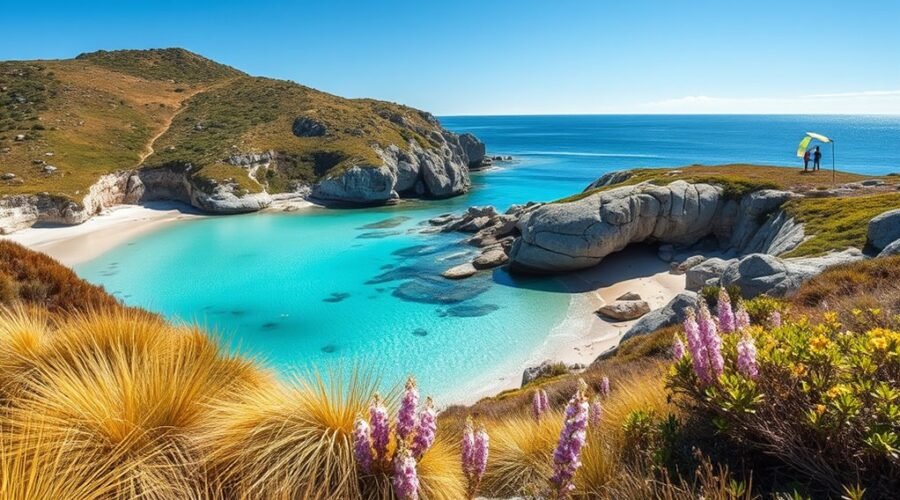
If you’re planning a trip to Wilson’s Promontory, you’ll want to match dates to what matters most—weather, wildlife or budget. Late spring through early autumn gives the most reliable conditions, longer daylight and peak animal activity, while summer brings crowds and higher prices and winter offers solitude and lower costs. Consider tides for beach detours and book refundable stays early to grab better rates—here’s how each season stacks up so you can pick what fits.
Key Takeaways
- Late spring (Sep–Nov) offers peak wildflowers, mild hiking weather, fewer crowds, and moderate prices.
- Summer (Dec–Feb) gives longest days and wildlife activity but requires early bookings and surf‑safety awareness.
- Autumn (Mar–May) provides golden light, cooler temperatures, smaller crowds, and often lower midweek accommodation rates.
- Winter (Jun–Aug) is cheapest and dramatic for storm watching but needs waterproof gear, short daylight, and careful viewpoint choices.
- Check tide charts, monitor onshore winds, and book midweek or shoulder‑season stays to reduce costs and congestion.
Best Time to Visit Wilson’s Prom : Quick Guide
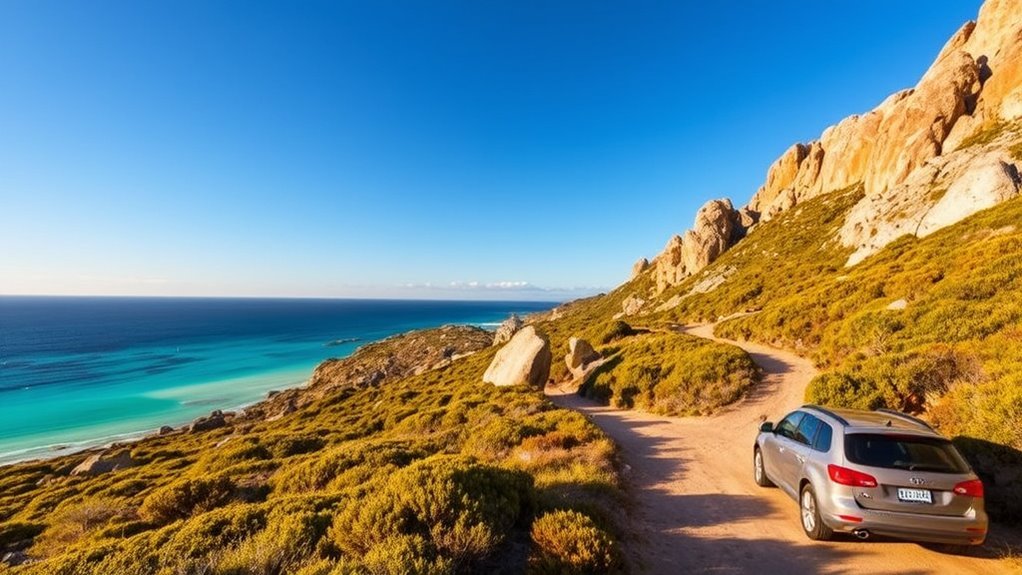
If you want the most comfortable mix of weather, wildlife and walking conditions, plan your trip to Wilson’s Promontory between late spring and early autumn (November–March). You’ll find longer days, mild seas and peak bird and marsupial activity, so your hikes feel effortless and every photography spot rewards patient framing.
Travel smarter by watching local transport trends: buses link Melbourne and the park more often in peak months, and car access fills early on weekends, so arrive before midday or book a shuttle.
Pack layered clothing for sudden coastal wind and choose midweek stays if you crave solitude; camping and huts book fast in summer.
Layer up for coastal winds and favor midweek visits—camping and huts fill quickly during summer.
Track tide times for beach shoots, and pick sunrise or late afternoon for softer light and cooler trails.
You’ll move with intention, balancing iconic sights like Squeaky Beach with quieter coves, and leave knowing you timed your visit for freedom—ample exploration with fewer constraints.
Pick Dates by What Matters: Crowds, Cost or Activities
Now that you’ve chosen the season, pick specific dates based on what matters most to you: crowds, cost or activities.
If you crave solitude, aim for shoulder months and midweek stays; trails, beaches and campsites feel spacious, and you’ll move freely—just check park bookings.
If budget matters, target off-peak periods when accommodation and cultural transport options drop prices; flexible travel dates let you snag cheaper ferries or coach fares into the Prom.
For activity-driven trips—wildlife spotting, long hikes, or nighttime photography—time your visit around tidal safety windows and moon phases, and allow extra nights for the weather to cooperate.
Mix priorities: arrive on a weekday, stay through a weekend for events, or book one high-activity day and several low-key days for recovery.
You’re designing your liberation: choose dates that free you from crowds, costs or rigidity, and pack contingency plans so the Prom serves your chosen rhythm.
Tides & Weather for Wilson’s Prom Coastal Walks
Because coastal tracks and beaches at Wilson’s Prom change dramatically with tides and weather, you’ll want to plan each day around tide charts and the local forecast: high tides can cut off beach routes and conceal rock platforms, while strong onshore winds and cold fronts make exposed sections miserable and slow your progress.
You’ll move freer and safer when you read tidal timing, respect swell, and adjust routes to the forecasted wind patterns.
- Check tide charts at morning and evening: low tides open beach detours and reveal rock platforms; don’t gamble on squeezing past rising water.
- Monitor wind patterns: onshore gusts buffeting cliffs will sap energy and reduce visibility; pick sheltered bays when winds are strong.
- Pack layers and a navigation plan: weather can flip fast—carry waterproofs, a headlamp, and an exit strategy if tides or squalls force retreat.
Be deliberate, choose your lines, and you’ll reclaim your hike from the elements.
Summer (Dec–Feb): Heat, Crowds and Top Activities
Though summer brings long, sun-soaked days and warm seas, it also means bigger crowds, stronger UV, and busy campsites—so plan early starts, sun protection, and realistic itineraries.
You’ll wake to golden light and a sense of freedom: beaches fill quickly, trails hum with conversation, and bays glimmer invitingly.
Aim for dawn hikes to claim quiet vistas, then retreat midday for shade, water, and sunscreen.
Set out at dawn for peaceful views, then seek shade midday—hydrate, reapply sunscreen, and rest.
For swimming and surfing, respect surf safety—check flags, local advice, and rip-current warnings before you enter the water.
Use reef-safe sunscreen and a hat; pack a lightweight shelter for hot afternoons.
Seek lesser-known picnic spots among windswept banks or secluded coves to eat and recharge away from crowds.
Book campsites and permits early; consider midweek stays to dodge weekend surges.
Summer at the Prom rewards the bold who plan: you’ll savor wild beaches, vibrant wildlife, and the sweet liberty of long evenings without sacrificing comfort or safety.
Autumn (Mar–May): Milder Weather and Quieter Stays
After the bustle of summer, autumn brings cooler air, softer light and far fewer people, so you can enjoy the park’s beaches and walks with more breathing room. You’ll find days perfect for hiking—crisp but not cold—and evenings that invite quiet reflection under wide skies.
Trails are less crowded, wildlife is bolder, and the lower humidity makes coastal panoramas sharper.
- Plan for golden afternoons: expect warm, directional light that’s great for landscape and night photography when stars appear earlier.
- Embrace local rhythms: smaller cultural festivals and community events pop up in nearby towns, letting you connect without the summer crush.
- Pack layered gear: mornings can be cool, afternoons mild; a windproof jacket and sturdy boots keep you mobile and free.
Autumn at Wilson’s Prom grants you controlled solitude: you move at your own pace, photograph freely, and join intimate cultural moments that feel unhurried and liberating.
Winter (Jun–Aug): Storm-Watching, Cold and Cheaper Stays
Winter at Wilson’s Prom brings dramatic skies and powerful seas, but you’ll need to respect swell, wind warnings and cliff-edge hazards when storm-watching.
Pack warm, waterproof layers and a torch, and plan short, safe vantage points rather than long coastal walks in poor visibility.
Off-season lodging is cheaper and more available—book refundable deals close to town so you can stay flexible around weather.
Storm-Watching Safety Tips
When storms roll in across Wilson’s Prom, you’ll want to prioritize safety while still soaking up the dramatic skies; striking the right balance means planning, gear, and good judgment.
Pack waterproof layers, sturdy boots, and a headlamp so you can move confidently when clouds thicken.
Keep First‑aid kits accessible and share Emergency‑contact plans with your group; freedom means responsibility.
- Check forecasts and local alerts before you go; know evacuation routes and safe viewing spots.
- Stay well back from cliffs, swollen streams, and exposed headlands; wind and waves can change fast.
- Use a radio or charged phone, set check‑in times, and shelter early if conditions worsen.
You can witness power safely by preparing and choosing caution over risk.
Winter Accommodation Deals
Because storms draw fewer visitors and many operators drop rates, you’ll find the best accommodation deals at Wilson’s Prom between June and August—if you book smart.
You can claim a cozy cabin on the park edge or a room in one of the budget lodges for a fraction of peak-season prices, freeing you to linger longer and explore without compromise.
Look for flexible cancellation, included heating, and simple kitchens so you control costs and comfort during cold, windy nights.
Check midweek stays, join mailing lists for flash sales, and negotiate directly with smaller hosts who want winter bookings.
Embrace the solitude: reduced crowds, dramatic seas, and affordable shelter let you travel lighter and more intentionally.
Spring (Sep–Nov): Wildflowers, Wildlife and Prime Hiking
Visit in spring and you’ll catch the prom’s wildflower displays at their peak, with carpets of colorful daisies and orchids along many trails.
Wildlife is more active too—wallabies, wombats and a variety of birds are often out feeding in cooler mornings and evenings.
Trails are generally dry, days are mild, and conditions are ideal for tackling both short walks and longer hikes.
Wildflower Displays Peak
As the air warms and days lengthen, Wilson’s Prom explodes with color—native daisies, orchids and heathlands carpeting trails and headlands from September through November.
You’ll feel freed wandering open slopes where blooms choreograph like intentional garden design, and you can trace natural pollinator pathways linking nectar-rich swathes.
Timing matters: peak displays shift with rainfall and temperature, so aim for mid-spring for maximum diversity.
Practical tips help you savor it:
- Walk early or late for softer light and fewer people.
- Stick to tracks to protect delicate species and enjoy uninterrupted views.
- Bring a field guide and camera to record varieties without disturbing them.
These displays invite quiet liberation—observe, learn, and leave the landscape whole.
Active Wildlife Sightings
The same conditions that bring out carpets of wildflowers also stir wildlife into action, so keep your eyes on the move while you’re hiking. You’ll encounter kangaroos and wallabies grazing at dawn, colourful birds flitting between coastal scrub, and echidnas rummaging among leaf litter; move quietly and you’ll feel liberated by close, respectful encounters.
Along shorelines, watch for marine mammal sightings—seals and occasional whales pass the prom’s waters in spring—use binoculars and stay on designated paths.
After dark, follow park rules for nighttime nocturnal spotting: use a red-filtered torch, avoid shining lights at animals, and listen for rustles and calls.
Pack patience, stay low-impact, and embrace the wild rhythm that makes spring here unforgettable.
Ideal Hiking Conditions
When spring arrives (September–November), trails at Wilson’s Prom offer cool, comfortable hiking days and crisp mornings that make long walks more enjoyable and safer. You’ll find wildflowers bursting along ridgelines and wildlife active at dawn, so plan to move early and feel liberated on open paths. Pack smart: bring layered clothing, sturdy boots, and sun protection.
- Trail feel: soft earth, clear views, moderate grades that reward effort and foster freedom.
- Wildlife encounters: kangaroos and birds are abundant—keep distance, observe quietly, enjoy the moment.
- Navigation: well-marked tracks, but carry a map, headlamp for night difficulty tips, and basic first-aid.
Refer to gear recommendations for shelter, water, and emergency signaling before you go.
Frequently Asked Questions
Are Dogs Allowed on Wilson’s Prom Trails and Beaches?
No — dogs aren’t allowed on Wilson’s Prom trails or beaches except in designated areas; you’ll need to obey dog leashes rules at entry points and limited beach access spots, so plan freedom responsibly and protect wildlife habitat.
Where Can I Refill Water and Get Mobile Reception?
You can refill water at Tidal River’s main amenities and a few trail water stations; signal spots appear near Tidal River campground, Picnic Bay carpark and higher ridgelines, so plan stops and recharge when you see service.
Are There Guided Wildlife or Night Tours Available?
About 80% of visitors spot wildlife on guided tours; you’ll find guided tours and occasional nocturnal walks that reveal possums and owls. You’ll get expert commentary, practical safety tips, and liberating, immersive night experiences.
What Permits Are Needed for Camping or Commercial Photography?
You need camping permits for overnight stays at designated sites, and photography licenses for commercial shoots; you’ll apply online through Parks Victoria, follow site rules, pay fees, and secure approvals well before your liberating adventure.
Is Public Transport Available From Melbourne to the Prom?
Yes — you can reach the Prom by combining train schedules and coach links from Melbourne; check V/Line train schedules, compare ticket prices, book in advance, and you’ll travel affordably while keeping plans flexible and independent.
Conclusion
Aim for late spring to early autumn for the surest weather, but pick shoulder months if you want fewer people and better rates. Plan around low tides for beach detours and book refundable stays early. For example, a Melbourne couple who visited in early November enjoyed warm, uncrowded trails, saw nesting penguins, and saved 30% on lodging by booking flexible midweek dates. With that approach you’ll balance weather, wildlife and cost without sacrificing comfort.