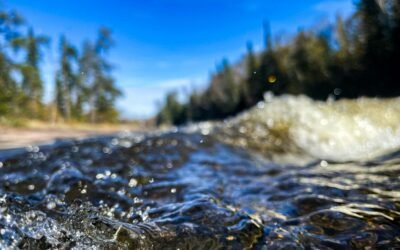
Planning a trip to Yapraklı in Çankırı, Turkey? The best time to visit Yapraklı depends on whether you prefer green mountain scenery, warm hiking weather, colorful autumn landscapes, or peaceful winter views. This small district offers a quieter experience than Turkey’s major tourist destinations, but seasonal weather and local festivals can make a big difference to your visit.
Quick Answer
The best time to visit Yapraklı, Çankırı, is late May through June or September through early October. These periods offer a good balance of comfortable weather, attractive scenery, and relatively quiet surroundings. July and August suit summer outdoor activities, while winter is better for snow-covered landscapes than conventional sightseeing.
Last checked: October 28, 2026. Dates and figures were verified against official sources.
Key Takeaways
- Spring: April and May bring fresh greenery and wildflowers, although rain and cool mountain conditions are possible.
- Summer: June through August offers long days for hiking, picnics, and exploring Büyük Yayla. July can attract festival visitors.
- Autumn: September and October are excellent for photography, mountain walks, and enjoying a quieter atmosphere.
- Winter: December through February brings freezing nights, possible snow, and fewer visitors. Remote roads may be difficult.
- Budget: Travel outside major holidays and summer events for potentially better accommodation availability and more flexibility.
Best Time to Visit Yapraklı: Month-by-Month Comparison
May, June, September, and early October are generally the most appealing months for sightseeing in Yapraklı. July and August offer reliable summer conditions, but the midday heat can make lower-elevation walks uncomfortable.
Yapraklı has a continental climate influenced by its mountainous setting. Summers are warm, while winters can be cold and snowy. Conditions vary considerably between the town and the surrounding highlands.
The temperature figures below come from the Turkish Meteorological Service’s Çankırı climate normals for 1991–2020. They are average daily highs and lows recorded for Çankırı city, not Yapraklı itself.
Important distinction: Büyük Yayla sits much higher than Çankırı city. Its temperatures can be cooler, and its weather can change more quickly. Use the table as a regional guide rather than an exact forecast for Yapraklı.
| Month | Weather (Çankırı City Average High / Low) | Crowds | Costs |
|---|---|---|---|
| January | 3.9°C / -3.8°C; cold, possible snow | Low, except holidays | Usually lower |
| February | 7.0°C / -2.9°C; cold nights | Low to moderate | Usually lower |
| March | 12.8°C / 0.1°C; early spring | Usually low; holiday exceptions | Low to medium |
| April | 18.3°C / 4.2°C; mild, occasional rain | Low | Medium |
| May | 23.5°C / 8.7°C; pleasant but relatively rainy | Low to moderate; higher during holidays | Medium |
| June | 28.0°C / 12.3°C; warm, longer days | Moderate | Medium to high |
| July | 32.0°C / 14.7°C; hot in lower areas | Relatively high; festival periods | High |
| August | 32.2°C / 14.6°C; hot and relatively dry | Moderate to high | High |
| September | 27.5°C / 10.1°C; warm days, cooler nights | Low to moderate | Medium |
| October | 20.9°C / 5.8°C; cooler, autumn colors | Low | Medium to low |
| November | 12.4°C / 0.2°C; frost possible | Low, except holidays | Usually lower |
| December | 5.7°C / -2.0°C; cold, possible snow | Low | Usually lower |
Temperature source: Turkish Meteorological Service, Çankırı city, 1991–2020 normals. Crowd and cost categories are general seasonal estimates, not measured Yapraklı visitor counts or verified hotel prices.
The most useful climate detail is that May is not necessarily dry. Çankırı records an average of 13.4 rainy days in May, compared with about 4.8 in July. Spring visitors should therefore prepare for changing weather, even when daytime temperatures feel pleasant.
Yapraklı Weather by Season: What to Expect
Yapraklı has four distinct seasons, but temperatures can vary between the district center and the surrounding mountains. Choosing the right season depends on whether you want flowers, sunshine, autumn scenery, or snow.
Spring in Yapraklı: March to May
Spring brings greener landscapes, flowering plants, and gradually warmer days. However, March can still feel like winter, especially at higher elevations.
March: Snow may remain in sheltered mountain areas. Daytime conditions gradually improve, but freezing nights and muddy paths can make hiking difficult.
April: The landscape begins to turn green as temperatures rise. Rain showers remain possible, and the highlands can stay considerably colder than the town.
May: This is one of the best months for nature lovers. Fresh vegetation, wildflowers, and longer daylight hours make walking and photography appealing.
If you want spring scenery without the heat of summer, aim for late April through May. Choose the later part of spring for more comfortable conditions at higher elevations.
Summer in Yapraklı: June to August
Summer offers long daylight hours and generally favorable conditions for exploring Yapraklı’s forests and mountain meadows. However, lower areas can become hot during July and August.
June: Temperatures are warm, and the countryside remains attractive after spring. This month offers an excellent balance for outdoor activities before the hottest part of summer.
July: Expect strong sunshine and warm weather. Mountain picnics, countryside drives, and shaded forest walks are popular choices. Local cultural events may also attract visitors.
August: Dry and sunny weather often continues. You can enjoy long outdoor days, although midday heat may be uncomfortable away from the highlands. Agricultural harvest activity can also add interest to a countryside visit.
Summer is especially suitable for families who want to spend time outdoors. Plan longer walks for early morning or late afternoon when the weather is hottest.
Autumn in Yapraklı: September to November
Autumn is an excellent season for travelers who prefer cooler conditions and colorful scenery. September stays relatively warm, while October brings a noticeable change in temperature.
September: Warm afternoons and cooler evenings make this a rewarding month for hiking and photography. The countryside gradually shifts from summer green to autumn colors.
October: Cooler air, changing foliage, and quieter surroundings create attractive conditions for sightseeing. You will need warmer clothing, especially in the mountains.
November: Frost becomes more likely, and the first snow may appear at higher elevations. Shorter days and colder weather make outdoor trips less flexible.
For most autumn visitors, September and early October provide the best balance. Later October can also be rewarding if you enjoy crisp weather and do not mind colder evenings.
Winter in Yapraklı: December to February
Winter brings freezing nights, possible snowfall, and very quiet surroundings. It is best suited to visitors who enjoy winter landscapes and are prepared for cold-weather travel.
December: Temperatures fall, especially after sunset. Snow becomes more likely in the mountains, although conditions vary from year to year.
January: This is generally the coldest period. Snow and icy roads can make remote areas difficult to reach.
February: Cold weather continues, but daylight gradually increases. Winter scenery may remain attractive in higher areas even when snow starts melting elsewhere.
Yapraklı is better known for its natural highlands than for developed ski facilities. If you want skiing with lifts, rental equipment, and marked slopes, you should plan around an established ski resort rather than assume those services are available locally.
Warning: Snow, ice, and fog can make mountain roads hazardous in winter. Avoid remote routes without suitable tires, winter driving equipment, and reliable local road information. Do not assume that access to Büyük Yayla will be clear after snowfall.
When Is Yapraklı Most Crowded?
Yapraklı does not experience the same tourist pressure as Istanbul, Antalya, or Cappadocia. Still, summer holidays, local festivals, and religious celebrations can create noticeable increases in visitors.
Summer Holidays and the Traditional Yayla Festival
July and August generally attract more domestic visitors, especially families taking advantage of school holidays. Picnicking areas, mountain roads, and local gathering places may become busier on weekends.
Yapraklı also has an important traditional event: the Yapraklı Yayla Culture, Tourism and Oil Wrestling Festival.
The district administration reports that the 48th festival was organized in 2025. Its cultural program celebrates local traditions, including traditional Turkish oil wrestling.
For a confirmed date, the Turkish Traditional Wrestling Federation’s 2026 calendar lists Yapraklı Municipality’s oil wrestling event on July 18, 2026.
The 2027 festival date was not confirmed in the official sources reviewed. If attending the festival is your main goal, plan around the announced program rather than assuming it will fall on the same weekend every year.
Festival visitors should expect more activity in the district and surrounding highlands. If you prefer solitude, choose a different summer weekend.
Religious Holidays and School Breaks
Ramadan Bayramı (Eid al-Fitr) and Kurban Bayramı (Eid al-Adha) are important family holidays in Turkey. These periods may bring returning residents, family visits, and increased domestic travel.
According to the Turkish Directorate of Religious Affairs’ 2027 calendar, the major religious holidays fall on:
- Ramadan Bayramı: March 9–11, 2027.
- Kurban Bayramı: May 16–19, 2027.
These dates are especially relevant if you are planning a spring visit. Family gatherings may affect local transport and accommodation availability, even outside the usual tourist season.
The Turkish Ministry of National Education’s 2026–2027 calendar also confirms these school breaks:
- Autumn break: November 16–20, 2026.
- Winter semester break: January 25–February 5, 2027.
- Spring break: March 8–12, 2027.
- School year ends: June 25, 2027.
The March 2027 school break overlaps with Ramadan Bayramı. This could increase domestic travel during a month that is otherwise relatively quiet.
Shoulder Season: Fewer Visitors and More Flexibility
Late spring and early autumn are generally the best periods for visitors who want a peaceful experience without severe weather.
May and early June are attractive for green scenery. September and October offer a quieter atmosphere after summer holidays end.
Weekdays are particularly useful if you want to explore village life, take photographs, or visit natural areas without competing for popular picnic spots.
Winter: The Quietest Travel Period
November through February is usually the least active period for outdoor tourism. Natural areas can feel especially peaceful, and you may encounter very few other visitors.
However, reduced visitor numbers can also mean limited seasonal services and fewer transportation choices. Snow and freezing weather may restrict access to the most attractive highland areas.
How Much Does Visiting Yapraklı Cost by Season?
Yapraklı can be a relatively affordable destination compared with major Turkish tourist cities. However, your actual expenses depend on accommodation availability, transport arrangements, and the activities you choose.
There is no verified district-wide monthly hotel price series available from the sources reviewed. Seasonal cost patterns should therefore be treated as planning guidance rather than fixed pricing.
Summer Accommodation Prices
June through August is generally the period when travel demand is strongest. Hotels and guesthouses may charge higher rates, particularly around school holidays and festivals.
Accommodation options in a small district can also be limited. If you want to stay close to Yapraklı during a busy weekend, booking ahead gives you more choices.
Food prices do not necessarily rise with tourist numbers. Local restaurants and shops may keep regular prices, although popular gathering places can become busier during events.
Spring and Autumn Savings
April, May, September, and October offer a useful balance between weather and potential accommodation savings.
These months may provide more flexible booking choices than busy summer weekends. However, major religious holidays can still increase demand.
Spring and autumn also make day trips appealing. You may be able to explore Yapraklı and return to accommodation in Çankırı rather than arranging an overnight stay in the district.
Winter: Lower Demand but Limited Services
Winter generally brings the lowest tourism demand. Accommodation rates may be lower where properties remain open, although published discounts are not guaranteed.
Transport can become a larger part of your budget if bad weather requires a private vehicle or changes your planned route.
Some outdoor activities may also be unavailable due to seasonal conditions. A cheaper room does not always mean a cheaper overall trip.
Free and Paid Activities
Simple countryside walks, scenic drives, village sightseeing, and photography can keep your activity costs low when access is permitted.
Protected natural areas may have separate entrance or vehicle charges. For example, the government education directory lists a vehicle-entry fee for Hazım Dağlı Nature Park, but its publication date is not stated, so the listed amount should not be treated as a confirmed 2026 rate.
If you plan to visit a nature park, also allow for fuel, food, and any additional camping or vehicle charges. These expenses can matter more than admission costs on a short trip.
Best Things to Do in Yapraklı During Each Season
Yapraklı is especially appealing if you enjoy mountain scenery, forests, village traditions, and quiet countryside experiences. Its main attractions are natural rather than large commercial tourist facilities.
The most rewarding activities change with the seasons, so choose your travel dates around what you want to see.
Explore Büyük Yayla in Spring and Summer
Büyük Yayla is one of Yapraklı’s best-known natural attractions. It lies in the Yapraklı Mountains north of the district center.
According to the Çankırı Provincial Directorate of Culture and Tourism, the plateau stands approximately 1,600–1,700 meters above sea level.
The landscape includes Scots pine, black pine, fir, juniper, and open mountain meadows. It is suitable for activities such as:
- Nature walks through forest and meadow scenery.
- Landscape and wildlife photography.
- Cycling in suitable weather and terrain.
- Picnics and quiet countryside visits.
- Camping and caravan trips where permitted.
The highland area begins about 8 kilometers from Yapraklı, with plateau houses around the 13-kilometer mark.
The tourism authority describes basic infrastructure, including road access, water, and electricity, but limited additional facilities. Bring the supplies you need rather than expecting a fully developed tourist complex.
Best period: Late spring through early autumn, when daylight is longer and mountain travel is generally more comfortable.
Visit Hazım Dağlı Nature Park
Hazım Dağlı Tabiat Parkı is another important destination near Yapraklı. It offers woodland scenery, open meadows, and a small lake in a natural setting.
The park covers approximately 126.3 hectares and lies in the Yüklüköy highland area, about 14 kilometers from Yapraklı according to the Turkish Ministry of National Education’s nature park directory.
Visitors can enjoy walking, photography, cycling, and outdoor recreation. The surrounding pine forest also makes it appealing for summer trips when you want a break from hotter lower-elevation areas.
Access includes an unpaved, stabilized road. A vehicle suitable for the road conditions is helpful, particularly after rain.
Best period: May through September for general outdoor activities, with early autumn offering another good opportunity for photography.
Enjoy Spring Flowers and Autumn Colors
Yapraklı’s highland scenery changes noticeably through the year. Spring brings fresh grass and wildflowers, while autumn introduces cooler colors and seasonal blooms.
In spring, you may see crocuses appearing as the snow retreats from the mountain meadows. Flowering dates vary with temperature and snow cover.
Autumn has its own special attraction. In September 2025, Anadolu Ajansı documented purple vargit flowers on Yapraklı’s highlands.
These autumn flowers, also known locally as güz çiğdemi, are associated with the end of the highland season. Their appearance adds color to the surrounding meadows.
For landscape photography, late spring and early autumn are particularly rewarding. The changing light, vegetation, and mountain weather create different scenes throughout the day.
Experience Village Life and Local Traditions
Yapraklı offers opportunities to experience local culture away from Turkey’s busiest tourist centers.
Village life, traditional hospitality, local markets, and seasonal agricultural activities provide a different perspective from conventional sightseeing.
The district is also associated with Yaren culture, a tradition of social gatherings linked to local hospitality, music, conversation, and community values.
Some Yaren gatherings traditionally take place during winter. However, these are cultural activities rather than guaranteed public tourist performances.
If cultural experiences interest you, summer festivals and local celebrations may provide more accessible opportunities to observe community traditions.
Try Yapraklı Panayır Helvası
One distinctive local food worth looking for is Yapraklı Panayır Helvası, a traditional sweet associated with the district’s historic fairs.
The Turkish Patent and Trademark Office lists Yapraklı Panayır Helvası as a registered geographical indication.
The sweet is known for its firm texture and walnut content. It is also associated with the names taş helva and şak şak helva.
Unlike seasonal mountain activities, local food traditions can be enjoyed throughout the year when the products are available.
Visit During the Summer Wrestling Festival
If you prefer an active cultural experience, consider visiting during the traditional Yapraklı festival.
Oil wrestling is an important part of the event. It brings together participants and spectators while helping preserve a long-standing Turkish sporting tradition.
Summer festival periods can offer a livelier atmosphere than ordinary weekends, making them especially appealing to visitors interested in local celebrations.
However, anyone seeking a quiet mountain retreat may prefer dates outside the festival period.
Enjoy Winter Landscapes and Solitude
Winter transforms Yapraklı’s mountains and forests into a quieter landscape. Snow-covered trees and highland views can be attractive for photographers and visitors who enjoy seasonal scenery.
However, winter trips require more planning than summer visits. Some routes may become difficult or inaccessible, and outdoor facilities may be limited.
For travelers mainly interested in relaxation and snowy scenery, a short winter visit can be rewarding when road and weather conditions are suitable.
What Should You Pack for Yapraklı?
Yapraklı’s mountain setting makes layered clothing useful in every season. Even when the town feels warm, the higher plateaus can be cooler and windier.
Spring Packing Essentials
Spring weather can change during the day, so bring clothing that works in both mild sunshine and cool rain.
- Lightweight waterproof jacket.
- Long-sleeved shirts and a warm fleece.
- Comfortable walking shoes with good grip.
- Warmer trousers and socks.
- A small daypack and drinking water.
Water-resistant footwear is especially useful after spring rain or melting snow.
Summer Clothing and Sun Protection
Summer calls for lightweight clothes, but you should still pack a warmer layer for evening visits to the highlands.
- Breathable shirts and lightweight trousers.
- Comfortable walking or hiking shoes.
- Sun hat, sunglasses, and sunscreen.
- Reusable water bottle.
- Light jacket or cardigan for cooler evenings.
Choose footwear suitable for uneven ground if you plan to explore forest paths or plateau meadows.
Autumn Clothing
Autumn mornings and evenings can be chilly, particularly in October and November.
- Warm sweater or fleece.
- Windproof and waterproof outer layer.
- Long trousers and warm socks.
- Walking shoes with reliable traction.
- Extra clothing for mountain excursions.
Layering works better than relying on one heavy jacket because afternoon temperatures can be much warmer than early-morning conditions.
Winter Clothing and Equipment
Winter visitors should prepare for freezing temperatures and possible snow.
- Thermal base layers and thick sweaters.
- Insulated waterproof winter coat.
- Waterproof trousers if spending time outdoors.
- Insulated boots with good grip.
- Warm hat, gloves, scarf, and thermal socks.
If you plan to drive into remote mountain areas, your vehicle should also be equipped for winter road conditions.
How to Get to Yapraklı and Explore the Area
Yapraklı is accessible by road from Çankırı, and a private vehicle offers the most flexibility. Public transportation can work for visiting the town, but reaching remote natural attractions may require additional arrangements.
Getting to Yapraklı from Çankırı
Yapraklı is approximately 30 kilometers from Çankırı city according to provincial tourism information.
You can travel toward the district by car or use local shared transportation where available. In Turkey, a dolmuş is a shared minibus that generally operates on a set route.
Local departures may vary between weekdays, weekends, and holidays. If you depend on public transportation, arrange your return journey before setting out.
Arriving from Ankara or Istanbul
If you are traveling from another country, Ankara is a practical major arrival point for reaching Çankırı by road. Istanbul is another international entry option, although it requires a longer onward journey.
From either city, you can continue toward Çankırı using available intercity transportation or a rental vehicle.
Once you reach Çankırı, you can travel onward to Yapraklı. The final part of your journey is easiest when you have arranged local transportation in advance.
Getting Around the District
Walking is practical for exploring parts of Yapraklı’s town center. However, many of the district’s natural attractions lie outside the main settlement.
A private or hired vehicle is useful for reaching Büyük Yayla, Hazım Dağlı Nature Park, and other rural areas.
Some roads may be narrow, uneven, or affected by weather. This is particularly important during winter and after periods of heavy rain.
How Long Should You Stay?
A day trip can work if you mainly want to see Yapraklı town and visit one nearby natural attraction.
An overnight stay gives you more time for countryside exploration, photography, and a slower visit without rushing between locations.
If you plan to visit several mountain areas, allow extra travel time for rural roads and changing weather conditions.
Which Season Should You Choose for Your Yapraklı Trip?
The right season depends on your main travel priority. Rather than choosing only by temperature, think about whether you want greenery, outdoor activity, local culture, lower visitor numbers, or winter scenery.
- For pleasant sightseeing: Choose late May, June, or September.
- For flowers and fresh greenery: Visit in spring, especially April and May.
- For hiking and summer outdoor activities: Choose June through August, with early starts during the hottest weeks.
- For local festivals: Consider summer, particularly the period of the Yapraklı oil wrestling festival.
- For autumn photography: Choose September or October.
- For solitude: Consider late autumn or winter, provided you are prepared for the weather.
- For possible accommodation savings: Look outside major holidays and the busiest summer weekends.
For a balanced first visit, June or September is a sensible starting point. Both months offer opportunities to enjoy the countryside while avoiding the coldest winter conditions and the strongest summer heat.
Frequently Asked Questions
What is the best time to visit Yapraklı, Çankırı, for good weather?
The best time to visit Yapraklı for comfortable sightseeing is late May through June or September through early October. These periods offer pleasant conditions for countryside walks and exploring natural attractions. Higher mountain areas can remain cooler than Çankırı city.
When is the peak tourist season in Yapraklı?
The busiest period in Yapraklı is generally July and August, when summer holidays bring more domestic visitors. Local festivals can also increase visitor numbers. However, Yapraklı is usually much quieter than Turkey’s major tourist destinations, even during summer.
What is the off-peak season in Yapraklı?
The off-peak season in Yapraklı is generally November through February. Tourist activity decreases as temperatures fall and snow becomes more likely. This period suits visitors seeking solitude, although outdoor access and seasonal services may be limited.
What are the average costs of visiting Yapraklı?
The average cost of visiting Yapraklı depends on accommodation, transportation, food, and activities. Reliable district-wide hotel price averages are not available in the reviewed sources. Summer holidays may increase accommodation demand, while quieter periods can offer more flexibility.
What outdoor activities can you enjoy in Yapraklı?
Popular outdoor activities in Yapraklı include hiking, nature walks, photography, cycling, and picnicking. Büyük Yayla and Hazım Dağlı Nature Park are important natural destinations. Spring, summer, and early autumn usually provide the most comfortable conditions for these activities.
When is the Yapraklı oil wrestling festival held?
Yapraklı’s traditional oil wrestling event was listed for July 18, 2026, in the Turkish Traditional Wrestling Federation calendar. The festival celebrates local culture and traditional sports. A confirmed 2027 festival date was not available in the official sources reviewed.
Does Yapraklı get snow in winter?
Yes, Yapraklı can receive snow during winter, particularly in its higher mountain areas. December through February brings cold conditions, freezing nights, and possible icy roads. Winter visitors should prepare carefully and should not assume that remote highland routes will remain accessible.
Sources
- Turkish Meteorological Service: Official Çankırı monthly climate normals for 1991–2020, including average temperatures and rainy days.
- Çankırı Provincial Directorate of Culture and Tourism: Büyük Yayla’s elevation, landscape, location, and available infrastructure.
- Turkish Ministry of National Education: Hazım Dağlı Nature Park’s size, location, access, recreational activities, and published visitor information.
- Yapraklı District Administration: Local culture, Yaren traditions, tourism, and the annual highland festival.
- Turkish Traditional Wrestling Federation: Confirmed July 18, 2026, Yapraklı oil wrestling event date.
- Turkish Directorate of Religious Affairs: Official religious holiday dates for 2027.
- Turkish Ministry of National Education: Official 2026–2027 academic calendar and school holiday periods.
- Turkish Patent and Trademark Office: Geographical indication registration for Yapraklı Panayır Helvası.
- Anadolu Ajansı: September 2025 reporting on autumn vargit flowers in the Yapraklı highlands.