

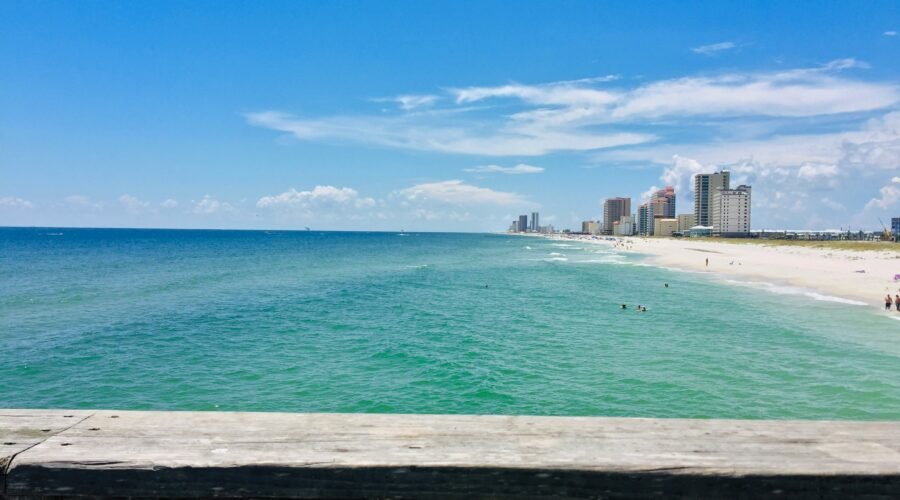
So, you’re dreaming of Gulf Shores, Alabama? Smart move! With its white-sand beaches, warm Gulf waters, and laid-back coastal atmosphere, it’s a wonderful place to escape. But when should you actually go? The best time to visit Gulf Shores depends on whether you want warm swimming water, fewer crowds, lower accommodation costs, or a little of everything. Let’s break down the weather, water temperatures, crowds, and costs throughout the year so you can choose the right dates for your getaway.
Quick Answer
The best time to visit Gulf Shores, Alabama, is April through May or September through October for a balance of warm weather and lighter crowds. June through August offers the warmest swimming water but brings summer demand and humidity. November through February is better for peaceful beach walks and potential accommodation savings than swimming.
Key Takeaways
- Best balance: April, early May, late September, and much of October offer pleasant conditions outside the main summer rush.
- Warmest swimming water: June through September, with average Gulf temperatures ranging from approximately 81°F to 85°F during July, August, and September.
- Budget-friendly travel: Winter and selected late-fall dates often provide lower accommodation demand, although holidays and events can change prices.
- Hurricane season: June 1 through November 30. Historical Atlantic tropical cyclone activity peaks around September 10.
- Important planning tip: Check the beach warning flags, current forecast, and local event calendar before finalizing your plans.
Gulf Shores Weather and Water Temperatures by Season
Before diving into each month, here’s a quick comparison of what the four seasons generally offer.
| Season | Average High | Average Water Temperature | Trip Experience |
|---|---|---|---|
| Spring | 76°F | 69°F | Comfortable sightseeing and increasingly pleasant beach weather |
| Summer | 89°F | 83°F | Warm swimming water, high humidity, and busy beaches |
| Fall | 80°F | 73°F | Comfortable outdoor activities and quieter periods between events |
| Winter | 65°F | 56°F | Cooler beach walks, sightseeing, and longer seasonal stays |
Source: Gulf Shores & Orange Beach Tourism seasonal climate data. Temperatures are averages, not guarantees of the weather during your visit.
1. Spring Has Sprung: March, April, May
Spring in Gulf Shores is a sweet spot for many travelers. Temperatures climb, beach days become more comfortable, and the full summer rush hasn’t arrived. The biggest variables are spring break schedules, Easter, and Memorial Day weekend.
Early Spring: March
March is a transition month. You’ll find some warm afternoons, but cooler mornings and breezy beach days are still possible.
- Weather: Average daytime highs are approximately 67°F, with lows around 54°F. The Gulf water averages about 64°F, which feels chilly to many swimmers. March is better suited to walking, sightseeing, fishing, and enjoying the sand than long swimming sessions.
- Crowds: Spring break is the major factor. College and school schedules vary, so crowd levels can change considerably from one week to another. Easter can also affect demand when it falls near the end of March.
- Costs: Accommodation prices often begin climbing from their winter levels. Spring break dates can command higher rates, especially for larger beachfront rentals.
March travel tip: Don’t assume the first two weeks are always quiet. Check the school holiday calendar and compare rates for your exact dates.
Mid-Spring: April
April is an appealing choice if you want comfortable weather without committing to the hottest months.
- Weather: Average highs reach approximately 74°F, with lows around 63°F. The Gulf water averages 69°F. Some visitors will enjoy swimming, while others may prefer a heated pool.
- Crowds: Generally more manageable than peak summer, although Easter, spring break, local events, and weekends can create busy periods.
- Costs: Rates vary considerably by holiday timing and property. Midweek dates outside school holidays may offer better value than popular spring weekends.
April is particularly useful for travelers who want to divide their time between the beach, outdoor dining, sightseeing, and exploring nearby attractions.
Late Spring: May
May starts to feel like summer. Warm air and rising water temperatures make it an attractive month for a traditional beach vacation.
- Weather: Average highs reach approximately 81°F, with lows around 70°F. Gulf water temperatures average 76°F, making swimming more comfortable for many visitors. Humidity and thunderstorm chances increase as summer approaches.
- Crowds: Early May can feel noticeably different from Memorial Day weekend. Families begin arriving as schools finish their academic year.
- Costs: Demand often rises toward the holiday weekend. Booking earlier generally gives you a wider choice of beachfront accommodation.
Pro Tip: If you want warm swimming conditions without planning around the main summer holiday period, compare early- and mid-May dates before Memorial Day. Check the exact weather forecast closer to departure.
When planning your spring getaway, think beyond the beach itself. Leave time for local dining, nature trails, and indoor attractions in case a rainy afternoon interrupts your plans. Compare the full cost of your accommodation, including cleaning fees, parking charges, and cancellation terms, rather than relying on the advertised nightly rate alone.
2. Summer Sizzle: June, July, August
Summer is the traditional family vacation season in Gulf Shores. The Gulf water is warm, school holidays are underway, and the beach atmosphere is lively. Expect heat, humidity, and stronger accommodation demand.
Early Summer: June
June is when the main summer vacation season gets going.
- Weather: Average highs are approximately 87°F, with lows around 75°F. Gulf water temperatures average 82°F. Afternoon thunderstorms are common during the warm season, but they do not occur every day.
- Crowds: Families arrive for summer vacations. Popular beach access points, restaurants, and attractions can become busy, particularly on weekends.
- Costs: Summer demand often brings higher accommodation rates. Book early if you need a specific property type, location, or number of bedrooms.
June is a strong choice for travelers who prioritize warm water and a classic summer beach atmosphere.
Mid-Summer: July
July is a lively month, especially around Independence Day.
- Weather: Average highs are approximately 89°F, with lows around 77°F. The Gulf water averages 84°F. Hotter days are possible, and humidity can make outdoor activities feel more demanding.
- Crowds: Fourth of July week often brings substantial visitor demand. Beaches, roads, and restaurants may become especially busy around the holiday.
- Costs: Holiday demand can push accommodation prices higher. Rates vary by property, booking date, and availability.
For comfortable beach days, plan longer outdoor activities earlier in the morning or later in the afternoon. Take shade breaks, drink water regularly, and pay attention to thunderstorm warnings.
Late Summer: August
August remains hot and humid, although some families begin heading home as schools reopen.
- Weather: Average highs are approximately 89°F, with lows around 77°F. Gulf water temperatures average 85°F, making August one of the warmest months for swimming.
- Crowds: Early August can remain busy. Some weekdays later in the month may be quieter as school calendars change.
- Costs: Rates can soften at selected properties late in the month, but discounts are not guaranteed.
August also falls within the historically active part of Atlantic hurricane season. Keep an eye on tropical weather forecasts and understand your accommodation’s cancellation policy.
Warning: The Atlantic hurricane season runs from June 1 through November 30. Tropical storms can affect Gulf Shores through heavy rain, dangerous surf, flooding, and travel disruption. Check National Hurricane Center forecasts and follow local emergency instructions when severe weather threatens.
3. Fall Favorites: September, October, November
Fall brings changing weather, fewer school-holiday travelers, and opportunities for a quieter beach experience. However, September and October remain important months for tropical weather, and major festivals can temporarily increase crowds.
Early Fall: September
September can feel like an extension of summer, especially when you’re standing in the warm Gulf water.
- Weather: Average highs are approximately 85°F, with lows around 74°F. The Gulf water averages 81°F, making swimming comfortable for many visitors.
- Crowds: After Labor Day, many school-age families have returned home. Weekdays may be quieter than the main summer vacation period.
- Costs: Some properties offer more competitive rates after Labor Day. Compare dates carefully because events and remaining summer demand can affect pricing.
September is appealing for couples and travelers who want warm water without the full summer school-holiday atmosphere.
There is one important trade-off: Atlantic tropical cyclone activity historically peaks around September 10. A pleasant long-range climate average cannot predict the conditions during your specific vacation.
Mid-Fall: October
October is a popular choice for travelers who prefer comfortable air temperatures over intense summer heat.
- Weather: Average highs are approximately 78°F, with lows around 65°F. Gulf water temperatures average 74°F. Swimming may still be enjoyable, especially early in the month, but the water cools as fall progresses.
- Crowds: Many periods are quieter than peak summer. However, fall school holidays and major events can create busy weekends.
- Costs: You may find better value than during popular summer dates, particularly outside festival periods.
October is also an enjoyable time for beach walks, fishing, outdoor dining, and exploring the area’s nature trails.
Festival planning: The 2026 National Shrimp Festival is scheduled for October 8–11 at Gulf Shores Main Public Beach. Expect additional visitors and local traffic around the event. Confirm the latest details through the official events calendar.
Late Fall: November
November brings cooler temperatures and a more relaxed coastal atmosphere.
- Weather: Average highs are approximately 69°F, with lows around 56°F. Gulf water temperatures average 65°F, which many visitors will find too chilly for extended swimming.
- Crowds: Much of the month can be quieter than the main vacation season. Thanksgiving and scheduled events can increase demand.
- Costs: Selected November dates may offer attractive accommodation rates, particularly outside holiday periods.
November works well for travelers interested in walking, photography, fishing, and a peaceful coastal escape rather than a swim-focused vacation.
The Frank Brown International Songwriters’ Festival is scheduled for November 5–15, 2026, with performances at venues along the Alabama and Florida Gulf Coast.
Check the official festival information before planning around a particular performance.
4. Winter Wonderland (Sort Of): December, January, February
Winter in Gulf Shores isn’t a traditional snowy getaway, but it offers something different: quieter beaches, cooler walking weather, and opportunities for longer coastal stays.
It’s also popular with snowbirds, or visitors who spend part of the winter in a warmer destination.
Early Winter: December
December brings cooler days and a festive coastal atmosphere.
- Weather: Average highs are approximately 62°F, with lows around 48°F. Gulf water temperatures average 57°F, making swimming uncomfortable for most people.
- Crowds: Early December can be quiet. Christmas and New Year’s travel may create a temporary increase in visitors.
- Costs: Winter dates may offer lower accommodation rates than peak summer, although holiday pricing varies.
Pack layers, comfortable walking shoes, and a wind-resistant jacket. Coastal breezes can make the beach feel cooler than the thermometer suggests.
Mid-Winter: January
January is generally one of the coolest months in Gulf Shores, although it remains appealing to visitors escaping colder northern climates.
- Weather: Average highs are approximately 58°F, with lows around 44°F. The Gulf water averages 55°F. Colder weather and occasional freezing temperatures are possible.
- Crowds: Traditional vacation crowds are generally lower, but snowbirds and long-term winter visitors remain active in the community.
- Costs: January can be attractive for longer stays and travelers with flexible dates. Compare weekly and monthly rental rates where available.
This is a good month for peaceful beach walks, reading with an ocean view, birdwatching, and exploring attractions without the summer heat.
Late Winter: February
February starts hinting at spring, although the water remains chilly.
- Weather: Average highs reach approximately 60°F, with lows around 46°F. Gulf water temperatures average 57°F.
- Crowds: Visitor numbers may begin increasing as spring approaches. Mardi Gras events and school holidays can affect certain dates.
- Costs: Winter value may remain available, but prices can change as spring break approaches.
February is useful for travelers who enjoy cooler outdoor activities and want to avoid the main summer vacation period.
If you’re planning a winter trip, check the opening hours of attractions and restaurants before leaving. Some businesses and activities may adjust their schedules outside peak season.
5. How to Choose the Best Month for Your Gulf Shores Trip
Now that we’ve covered all 12 months, let’s match the timing to the kind of vacation you actually want.
For Families With School-Age Children
June and July provide the classic summer beach experience, with warm water and school holidays. May and August may also work depending on your school calendar.
Book accommodation early when traveling during popular holiday periods, especially if you need a beachfront property with multiple bedrooms.
For Couples Seeking a Quieter Getaway
April, early May, late September, and selected October dates can offer a comfortable balance of beach weather and a less hectic atmosphere.
If swimming isn’t essential, November and winter weekdays may be worth considering.
For Budget-Conscious Travelers
Look at November through February, excluding major holiday periods, along with selected late-August and early-fall dates.
Check the final booking price rather than the nightly rate alone. Cleaning fees, taxes, parking, resort charges, and cancellation conditions can change the total substantially.
For Swimming and Water Activities
June through September offers the warmest water on average. May and October provide transitional swimming conditions, while winter is generally better for activities on land.
Remember that warm water does not automatically mean safe swimming conditions. Surf, rip currents, lightning, and local beach warnings matter more than the water temperature.
For Fishing Trips
Spring and fall can offer comfortable conditions for fishing without the most intense summer heat.
Actual fishing opportunities depend on the target species, weather, regulations, and whether you’re fishing from shore, a pier, or a charter boat. Check local regulations and current marine forecasts before heading out.
6. Gulf Shores Hurricane Season and Beach Safety
Weather safety deserves a place in your vacation planning, regardless of the month you choose.
When Is Hurricane Season?
The official Atlantic hurricane season extends from June 1 through November 30. Historical activity peaks around September 10, with much of the activity concentrated between mid-August and mid-October.
This doesn’t mean a hurricane will affect your trip. It means travelers visiting during these months should pay closer attention to forecasts and cancellation policies.
Before booking a hurricane-season vacation:
- Read the accommodation’s storm cancellation and refund policy.
- Consider travel insurance that covers the circumstances relevant to your trip, and review its exclusions.
- Check official tropical weather updates as departure approaches.
- Keep your travel plans flexible when severe weather threatens.
- Follow evacuation instructions from local authorities if issued.
You can follow tropical systems and official forecasts through the National Hurricane Center.
Understand the Gulf Shores Beach Warning Flags
Gulf Shores uses a beach flag warning system to help visitors understand current surf conditions.
- Green: Low hazard, although normal swimming caution is still necessary.
- Yellow: Moderate hazard. Use increased caution.
- Red: High hazard. Dangerous surf or currents may be present.
- Double red: Water closed to the public. Entering Gulf waters is illegal within Gulf Shores city limits.
- Purple: Dangerous marine life may be present.
Always follow the posted flags and lifeguard instructions. A calm-looking beach does not necessarily mean the water is safe.
Check current conditions through the City of Gulf Shores Beach Safety page.
Warning: Rip currents can pull even experienced swimmers away from shore. Never swim directly against a rip current. If caught, stay calm, float or tread water, and swim parallel to shore when possible. Signal for help if you cannot escape.
The National Weather Service recommends swimming near lifeguards whenever possible.
Gulf Shores provides seasonal lifeguard services, generally between March and October. Availability can vary by location and operating schedule.
7. Events and Festivals That Can Affect Your Visit
Events can make a Gulf Shores trip more memorable, but they can also influence accommodation availability, traffic, and restaurant demand.
Spring and Early Summer Events
Spring break and Memorial Day weekend are important dates to consider.
The Hangout Music Festival has traditionally been associated with May, but the official tourism update confirms that no festival was held in 2026. Organizers are planning a return in May 2027, subject to updated event details.
Check the official Hangout Music Festival update before booking a future trip around the event.
Fall Events
The 2026 National Shrimp Festival is scheduled for October 8–11, while the Frank Brown International Songwriters’ Festival is scheduled for November 5–15.
These events can attract visitors who aren’t coming primarily for a beach vacation.
If you’re looking for solitude, compare event dates before booking. If you enjoy live music, local food, and a lively atmosphere, an event weekend may add something special to your stay.
Winter Events
Holiday celebrations and Mardi Gras activities can influence winter and early-spring travel plans.
Event dates and locations vary by year, so use the official local calendar rather than assuming the same schedule repeats annually.
8. Practical Tips for Planning Your Gulf Shores Vacation
Book Around Your Priorities
Choose your dates based on what matters most: swimming, budget, quiet beaches, or local events.
If your schedule is flexible, compare midweek and weekend accommodation rates. A small shift in dates may provide a different selection of properties.
Pack for the Season
- Spring: Swimwear, light layers, sunscreen, and a rain jacket.
- Summer: Breathable clothing, sunscreen, hats, water bottles, and beach shade.
- Fall: Swimwear for warmer days, comfortable walking shoes, and a light jacket.
- Winter: Layers, a wind-resistant jacket, and comfortable shoes for outdoor activities.
Have a Rainy-Day Backup Plan
Even during a warm, sunny season, thunderstorms can interrupt beach time.
Consider indoor attractions, shopping, local restaurants, or a relaxed afternoon at your accommodation.
When the weather improves, you can return to the beach or explore the trails and natural areas around Gulf State Park.
Check Conditions Before Entering the Water
Before each beach visit, check the local weather forecast, posted warning flags, and lifeguard guidance.
Don’t rely only on the seasonal averages in this article. Your actual vacation weather may be warmer, cooler, wetter, or windier than the typical conditions.
Pro Tip: When comparing two otherwise similar travel dates, look at three things together: average water temperature, school or festival schedules, and the full accommodation price. This gives you a more useful picture than air temperature alone.
9. Final Thoughts on Planning Your Gulf Shores Getaway
There’s no single best time to visit Gulf Shores for everyone. It really comes down to your priorities.
What Are Your Priorities?
- Warmest Swimming and Lively Atmosphere: June through August, with September also offering very warm water. Expect summer heat and prepare for changing weather.
- Best Balance of Weather and Crowds: April, early May, late September, and much of October are attractive options.
- Budget-Friendly and Peaceful: November through February can offer good opportunities outside major holiday periods.
- Avoiding Spring Break Crowds: Check the actual school and college calendars rather than relying on a fixed March date range.
- Fishing Trips: Spring and fall can provide comfortable outdoor conditions, depending on your target species and the marine forecast.
- Events and Festivals: Check the current official event calendar before choosing dates.
Whatever month you choose, Gulf Shores offers a different kind of coastal experience throughout the year. A little planning around the weather, water temperature, crowds, and your budget can help you build a trip that fits your travel style.
Enjoy your Gulf Shores getaway!
Frequently Asked Questions
1. What is the best time to visit Gulf Shores, Alabama, for ideal weather?
April, May, September, and October offer an appealing balance of comfortable air temperatures and beach activities. May and September are warmer for swimming, while April and October are often more comfortable for sightseeing and outdoor recreation. September and October still fall within hurricane season, so monitor forecasts.
2. When is the peak tourist season in Gulf Shores, Alabama?
The main tourist season generally runs from June through August, when schools are out and families take summer vacations. Independence Day and other holiday periods can create especially strong demand for accommodation and beach activities.
3. What is the off-peak season in Gulf Shores, Alabama?
December through February is generally the quieter winter travel period. Visitors may find lower accommodation rates, although holiday dates and longer snowbird stays affect availability. Winter is better suited to walking, fishing, sightseeing, and relaxation than extended Gulf swimming.
4. Are there specific events or festivals worth considering?
Yes. The 2026 National Shrimp Festival is scheduled for October 8–11, and the Frank Brown International Songwriters’ Festival for November 5–15. The Hangout Music Festival did not take place in 2026 and is expected to return in May 2027. Always confirm current event schedules before booking.
5. How does the cost of visiting Gulf Shores vary throughout the year?
Accommodation demand is generally stronger during summer, school holidays, and major events. Winter and selected shoulder-season dates can offer better value. Compare the total booking price, including fees and taxes, because costs vary by property and travel dates.
6. When is the Gulf water warm enough for swimming?
Many visitors prefer May through September. Average water temperatures rise to about 76°F in May, 82°F in June, 84°F in July, 85°F in August, and 81°F in September. October averages approximately 74°F, while winter water temperatures are much cooler. Always check beach flags before swimming.
7. When is hurricane season in Gulf Shores?
Atlantic hurricane season runs from June 1 through November 30. Historical tropical cyclone activity peaks around September 10. Travelers visiting during this period should follow official forecasts, review cancellation policies, and pay attention to local emergency instructions.
Sources
- Gulf Shores & Orange Beach Tourism — Monthly Weather and Water Temperatures — Official destination climate averages and seasonal weather information.
- NOAA National Hurricane Center — Tropical Cyclone Climatology — Official hurricane season dates and historical tropical cyclone activity.
- City of Gulf Shores — Beach Safety — Warning flags, lifeguard information, swimming restrictions, and current beach conditions.
- Gulf Shores & Orange Beach Tourism — Annual Events and Festivals — Current local festival dates and event planning information.
- Gulf Shores & Orange Beach Tourism — Hangout Music Festival Update — Information about the 2026 cancellation and planned 2027 return.
- National Weather Service — Dangerous Currents — Official rip current awareness and swimming safety guidance.



[…] comparing seasonal travel planning across very different destinations, this related guide on planning a Gulf Shores getaway by weather, crowds, and costs provides another example of how timing changes a […]