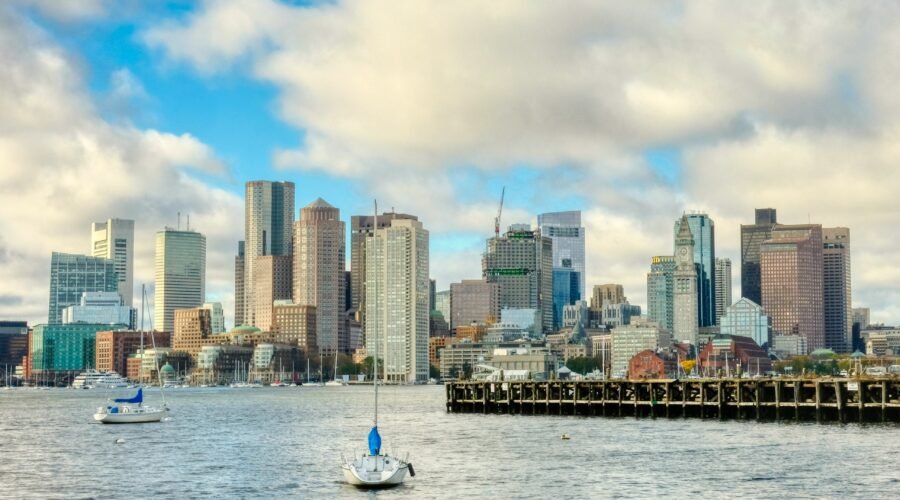
Planning a trip to Boston and wondering when’s the sweet spot for good weather, fewer people, and a lighter wallet? The short answer is: late spring (May to early June) and early autumn (September to October) generally offer the best balance. But as with most things, it depends on what you’re looking for. Let’s break it down, season by season, so you can pick the perfect time for your Boston adventure.
Spring in Boston is a bit like watching a shy flower slowly unfurl. You’ve got the city waking up from its long winter slumber, and it’s a pretty pleasant time to explore before the summer heat and crowds descend.
April: The Transition Month
April can be a bit of a gamble weather-wise. You might get some glorious, crisp sunny days perfect for walking the Freedom Trail, but you could also still get those late snow flurries or chilly, damp winds. It’s a good month if you’re aiming to avoid peak crowds and prices, but you’ll need to pack layers and be prepared for anything.
- Weather: Highly variable. Expect temperatures ranging from the low 40s (°F) to the high 60s. Sunshine is common, but rain and even late snow are possibilities.
- Crowds: Generally lower than summer, but spring break can bring some spikes. Major holidays like Patriots’ Day (third Monday in April) can see more local and regional visitors.
- Costs: Flights and accommodation tend to be more affordable than in the summer months. You can often snag good deals.
May: Blooming Beauty and Pleasant Temperatures
May is where spring truly shines in Boston. The trees are in full bloom, parks are lush green, and the weather starts to feel consistently pleasant. It’s a fantastic month for outdoor activities and enjoying the city’s charm without breaking too much of a sweat or being jostled by huge crowds.
- Weather: Delightful. Average highs are in the 60s and 70s (°F), with cooler evenings. Plenty of sunshine and a good chance of comfortable, dry days.
- Crowds: Starting to pick up, especially around Memorial Day weekend, but still manageable. Many universities are gearing up for graduation, so you’ll see families in town.
- Costs: Prices for flights and hotels begin to rise as the weather improves, but they’re generally still lower than peak summer rates. Early May is typically cheaper than late May.
If you’re planning a trip to Boston, Massachusetts, understanding the best time to visit can greatly enhance your experience. For insights on how weather, crowds, and costs can affect your travel plans, you might find it helpful to read a related article on cookie policies that can impact your online bookings and travel arrangements. Check it out here: Cookie Policy. This information can help ensure a smooth planning process as you prepare for your adventure in this historic city.
Summer: The Vibrant, Bustling Heart of Boston
Summer in Boston is the city at its most energetic. Think long days, outdoor festivals, and a palpable buzz in the air. It’s undeniably beautiful, but it also comes with its trade-offs.
June: The Perfect Summer Kick-Off
June is often considered one of the best months for a summer visit. The weather is usually warm and sunny without being oppressively hot, and the full swing of summer activities hasn’t quite reached its zenith yet. It’s a great time to enjoy Boston’s waterfront and outdoor dining.
- Weather: Warm and pleasant. Highs are typically in the 70s and 80s (°F). Humidity can start to creep in, but it’s usually less intense than in July and August.
- Crowds: Significant. School is out, and summer vacationers are arriving. Expect busy attractions and longer lines.
- Costs: Prices for flights and accommodation are at their peak. Booking well in advance is highly recommended.
July & August: Peak Season Excitement and Heat
These are the quintessential summer months. Boston is alive with activity, from baseball games at Fenway Park to street fairs and outdoor concerts. The weather is generally hot, and the crowds are at their highest. If you’re looking for maximum energy and don’t mind the heat and the masses, this is your time.
- Weather: Hot and humid. Highs frequently hit the 80s and can climb into the 90s (°F). Afternoon thunderstorms are not uncommon. Air conditioning is your friend.
- Crowds: At their absolute peak. Expect long queues at all major attractions, packed public transport, and busy sidewalks. Patience is key.
- Costs: This is the most expensive time to visit Boston. Flights and hotels are at their highest, and deals are scarce.
Autumn: Boston’s Iconic Fall Foliage and Crisp Air

This is arguably Boston’s prime time. The crisp air, the stunning fall foliage, and a more relaxed pace make it incredibly appealing for many visitors.
September: The Golden Transition
September is a phenomenal month to visit Boston. The summer humidity dissipates, the temperatures cool down, and the city starts to transition into its autumnal glory. It’s a fantastic time for exploring on foot and enjoying all that Boston has to offer.
- Weather: Ideal. You’ll experience comfortably warm days with highs in the 70s (°F) and cool, crisp evenings. Think perfect jacket weather.
- Crowds: Still substantial due to its popularity, but noticeably less intense than in the peak summer months. Families and students are settling back into their routines.
- Costs: Prices start to dip slightly from their August highs, but it remains a popular and therefore moderately expensive time to visit. Early September can still be pricey.
October: The Peak of Fall Colors
October is when Boston truly puts on a show with its fall foliage. The changing leaves on the trees throughout the city and in nearby areas are breathtaking. The weather is reliably cool and clear, making it perfect for scenic walks and outdoor exploration.
- Weather: Crisp and cool. Highs are generally in the 50s and 60s (°F), with evenings dropping into the 40s. Expect beautiful, sunny days, but also the potential for colder snaps as the month progresses.
- Crowds: Remains high, especially during the peak foliage weeks towards the middle and end of the month. Columbus Day weekend can be particularly busy.
- Costs: Similar to September, prices can be higher due to the desirability of the season. Late October might see a slight decrease as the weather gets colder and the foliage season winds down.
Winter: A Quieter, Colder Boston Experience

Winter in Boston is a time for cozying up indoors, enjoying world-class museums, and experiencing the city’s charm without the throngs of tourists. It’s definitely the off-season for many, which can be a major draw for budget-conscious travelers or those seeking a more laid-back vibe.
November: The Pre-Holiday Calm
November offers a unique window before the intense Christmas and New Year’s holiday rush really kicks in. The weather is decidedly cold, but the city often sees beautiful, crisp days. It’s a good time to hit the shops for early holiday gifts or enjoy indoor attractions.
- Weather: Cold. Highs are typically in the 40s (°F), with overnight lows dropping into the 30s or below. Snowfall is possible, but often not significant until later in the season.
- Crowds: Significantly reduced compared to the fall. You’ll find fewer tourists at popular spots.
- Costs: Prices for flights and hotels start to drop as the weather turns colder. It’s a good time to look for deals.
December: Festive but Cold
December in Boston is magical with holiday decorations and festive events. The city lights up, and there’s a lively spirit. However, it is cold, and you need to be prepared for winter conditions. The crowds pick up around the holidays, making it a mixed bag for those trying to avoid them.
- Weather: Cold to very cold. Highs are usually in the 30s (°F), with sub-zero temperatures overnight not uncommon. Snow is likely, and heavy snowstorms can happen.
- Crowds: Increases significantly in the latter half of the month due to holiday travel and celebrations. Early December is much quieter.
- Costs: Prices can be high around Christmas and New Year’s, rivaling summer rates. Outside of this peak holiday period, expect lower prices.
January & February: The Deep Freeze and Deep Discounts
These are Boston’s coldest months, and typically the least crowded. If you can handle the chill and perhaps some snow, you’ll find the best deals and the most authentic, local Boston experience. It’s the perfect time for museum hopping, catching a hockey game, or enjoying hearty New England cuisine.
- Weather: Very cold. Highs are generally in the 20s and 30s (°F), with frequent sub-zero temperatures. Snowfall is common, and blizzards are a possibility. You’ll need a serious winter wardrobe.
- Crowds: At their absolute lowest. You can often walk into popular restaurants without a reservation and explore museums at your own pace.
- Costs: This is the sweet spot for budget travelers. Flights and hotels are at their most affordable, with significant discounts available.
If you’re planning a trip to Boston, Massachusetts, you might find it helpful to explore the best time to visit the city by considering factors like weather, crowds, and costs. For additional insights on travel tips and recommendations, check out this informative article on traveling to Boston. Understanding these elements can significantly enhance your experience and help you make the most of your time in this historic city.
Key Considerations for Planning Your Boston Trip
| Month | Weather | Crowds | Costs |
|---|---|---|---|
| January | Cold, snow | Low | Low |
| April | Mild, occasional rain | Low | Low |
| July | Warm, occasional thunderstorms | High | High |
| October | Cool, colorful foliage | Medium | Medium |
Beyond just the weather, a few other factors play a big role in when you should visit Boston. Thinking about these will help you fine-tune your travel dates.
Understanding Tourist High and Low Seasons
- High Season: Generally June through August, with a secondary peak in October for fall foliage. Expect crowds and higher prices.
- Shoulder Seasons: Late April to early June, and September to early October. These periods often offer the best balance of good weather, manageable crowds, and reasonable prices.
- Low Season: November through February (excluding the Christmas/New Year’s week). This is when you’ll find the lowest prices and fewest tourists, but you’ll need to embrace the cold.
Special Events and Holidays
Boston has a packed calendar of events that can impact crowds and prices.
- Major Sporting Events: Be aware of Red Sox seasons (baseball), Celtics/Bruins seasons (basketball/hockey), and the Boston Marathon (April). These can drive up hotel rates and make the city busier.
- Academic Events: Graduation ceremonies (May/June) bring many families to town. The start of the academic year (late August/early September) can also see increased activity.
- Holiday Celebrations: Christmas markets, tree lightings, and New Year’s Eve events make December festive but also more expensive and crowded, especially closer to the holidays.
- Local Festivals: Throughout the year, various neighborhoods and cultural groups host festivals. Checking the local event listings for your planned dates can add a unique dimension to your trip, but also potentially increase local crowds.
Cost of Travel: Flights and Accommodation
- Flights: Generally follow the seasonal demand. Want cheaper flights? Aim for the low season (winter) or book well in advance for shoulder seasons. Last-minute summer deals are rare.
- Accommodation: Hotels and rental prices mirror flight costs, peaking in summer and during major events. Consider staying slightly outside the immediate downtown area for potential savings, but factor in transportation costs and time. Airbnb can sometimes offer more competitive rates, especially for longer stays, but be mindful of local regulations. Look for deals during the less popular months.
The Verdict: When is Your Best Time to Visit Boston?
To sum it up, let’s map it out by priority:
- For the absolute best weather and a good mix of activities and manageable crowds: Late May to early June and September to early October are your prime candidates. You get comfortable temperatures, beautiful scenery, and a lively city without the peak summer intensity.
- If budget is your main concern and you don’t mind the cold: January, February, and early November offer the deepest discounts and the fewest crowds. Embrace the indoors and enjoy a more local feel.
- For vibrant energy, long days, and are prepared for heat and crowds (and higher prices): June, July, and August are the classic summer months. Immerse yourself in the peak of Boston’s lively season.
- For stunning fall foliage and crisp, cool air, willing to deal with sustained popularity: Mid-October is unbeatable for visual beauty, though it will be busy and pricier.
Ultimately, Boston is a fantastic city to visit year-round. By understanding these seasonal nuances, you can strategically plan your trip to align with your budget, your tolerance for crowds, and your ideal weather conditions, ensuring you have a memorable and enjoyable experience.
FAQs
1. What is the best time to visit Boston, Massachusetts for favorable weather?
The best time to visit Boston for favorable weather is during the months of May through October. During this time, the weather is generally mild and pleasant, with temperatures ranging from 60°F to 80°F.
2. When is the peak tourist season in Boston, Massachusetts?
The peak tourist season in Boston is during the summer months of June through August. During this time, the city experiences the highest number of visitors, resulting in larger crowds and higher accommodation costs.
3. What is the off-peak season in Boston, Massachusetts?
The off-peak season in Boston is during the winter months of December through February. During this time, the city experiences fewer tourists, lower accommodation costs, and the possibility of snow and colder temperatures.
4. When is the best time to visit Boston, Massachusetts to avoid large crowds?
To avoid large crowds, it is best to visit Boston during the shoulder seasons of May and September through October. During these months, the weather is still favorable, but the number of tourists is lower compared to the peak summer season.
5. What is the most cost-effective time to visit Boston, Massachusetts?
The most cost-effective time to visit Boston is during the off-peak season of winter, particularly in the months of January and February. During this time, accommodation costs are generally lower, and there are often winter promotions and deals available for visitors.