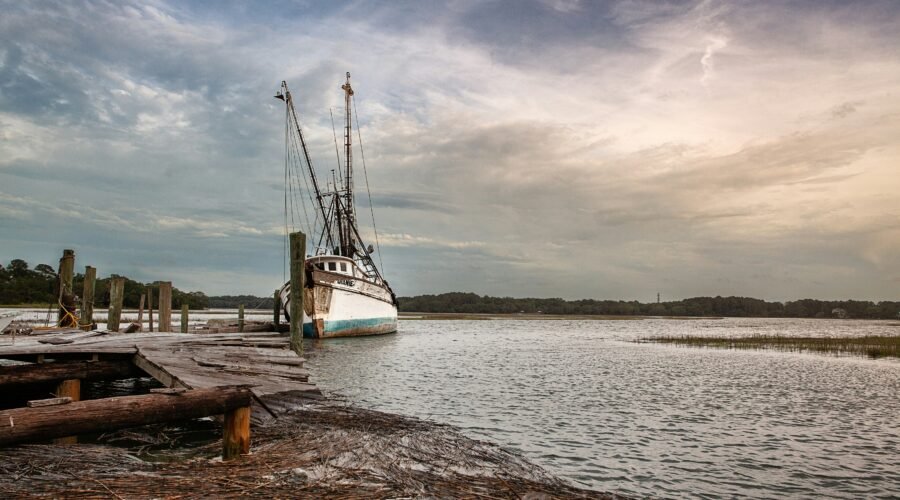
Thinking about a trip to Hilton Head Island? Great choice! When you should go really depends on what you’re hoping for – whether that’s warm beach days, quiet trails, or budget-friendly fun. Generally, the sweet spot for great weather without massive crowds or sky-high prices is usually late spring (April-May) or early fall (September-October). But let’s break down what each season offers so you can pick the perfect time for your Lowcountry escape.
1. Decoding Hilton Head Island’s Weather
The weather on Hilton Head is a big draw, with subtropical vibes that make it appealing for much of the year. But there are some key differences depending on when you visit.
1.1. Spring (March-May): Goldilocks Season
Ah, spring! This is when Hilton Head really shines for many visitors.
- Temperatures: Expect pleasant averages in the 60s and 70s Fahrenheit (15-25°C). March can still have some cooler days, especially in the mornings and evenings, but by April and May, it’s consistently warm and sunny. Humidity is still relatively low, making outdoor activities super enjoyable.
- Rainfall: Generally, spring months are among the driest, offering plenty of clear skies. You might get an occasional shower, but sustained rain is less common.
- Activities: Perfect for everything! Beachgoing, biking, golf, tennis, kayaking, dolphin tours – you name it. The air is fresh and comfortable for long days outdoors.
- Verdict: If you want great weather without the oppressive heat and humidity of summer, spring is your best bet.
1.2. Summer (June-August): Hot, Humid, and Sunny
Summer brings the heat, literally. This is peak beach season for a reason, but it comes with a few caveats.
- Temperatures: Daily highs often reach the upper 80s to low 90s Fahrenheit (30-35°C), with “feels like” temperatures a good bit higher due to humidity. Nights remain warm, often in the 70s (20-25°C).
- Rainfall: This is the wettest season. Afternoon thunderstorms are extremely common, almost a daily occurrence. They usually blow through quickly, bringing a refreshing (if temporary) cool-down, but can disrupt outdoor plans. Keep an eye on hurricane season, which officially runs from June 1st to November 30th, with peak activity typically from August to October. While direct hits are rare, tropical systems can bring extended periods of heavy rain and wind.
- Activities: Primarily water-focused. Beach, pool, water sports. Early morning and late afternoon are the best times for outdoor activities like golf or tennis to avoid the midday scorcher.
- Verdict: If your primary goal is swimming and soaking up intense sun, and you don’t mind the heat, humidity, or afternoon downpours, summer will work. Just be prepared.
1.3. Fall (September-November): Another Sweet Spot
Fall is arguably even better than spring for some, especially those looking for a slightly quieter experience.
- Temperatures: September still feels very summery, often in the 80s (25-30°C), but with slightly less humidity. By October and November, temperatures become glorious, ranging from the 60s to high 70s (15-25°C).
- Rainfall: While September can still see some tropical activity, October and November typically bring stable, drier weather. The threat of hurricanes significantly decreases by mid-October.
- Activities: Ideal for all outdoor activities, similar to spring. The ocean remains warm enough for swimming well into October. Golfing and biking are fantastic, and the autumn colors can be lovely, especially further inland.
- Verdict: Another fantastic choice, especially if you prefer slightly cooler temps than late spring and fewer crowds than summer.
1.4. Winter (December-February): Mild and Quiet
Winter offers a different, more laid-back Hilton Head experience.
- Temperatures: Think cool, not cold. Daytime highs usually hover in the 50s and 60s Fahrenheit (10-20°C), with nights dipping into the 40s (5-10°C) or occasionally lower. Freezing temperatures are rare but possible.
- Rainfall: Generally dry, with fewer showers than summer. You might get some chilly, windy days.
- Activities: Golfing, tennis, biking, and exploring nature preserves are excellent with the cooler temperatures and absence of bugs. Beach walks are invigorating, though swimming in the ocean is usually too cold for most. Many indoor attractions and restaurants are quieter.
- Verdict: If you’re looking to escape colder northern winters, enjoy a peaceful getaway, or focus on active pursuits without the heat, winter is surprisingly good. It’s also often the least expensive time to visit.
If you’re planning a trip to Hilton Head Island, South Carolina, you might also find our article on the Best Time to Visit Hilton Head Island particularly helpful. This guide covers essential information about the island’s weather patterns, crowd levels throughout the year, and the associated costs, ensuring you can make the most of your visit. Whether you’re looking for a relaxing beach getaway or an adventurous outdoor experience, understanding these factors can greatly enhance your travel plans.
2. Navigating the Crowds
Hilton Head Island is a popular destination, so crowds are a part of the experience. But they fluctuate dramatically throughout the year.
2.1. Peak Season (Summer: Mid-June to Mid-August)
This is when the island is absolutely buzzing.
- Crowd Level: Maximum. Traffic can be significant, especially on major arteries like Highway 278 and around popular shopping centers. Restaurants often have long waits, and beaches are packed, particularly near public access points and resort areas. Activities like dolphin tours and parasailing book up fast.
- Visitor Profile: Heavily family-oriented, with kids out of school.
- Impact: Expect longer lines, less parking, and a general air of bustling activity. If you prefer quiet, this isn’t your time.
- Strategy: Book everything well in advance (accommodations, restaurant reservations, popular activities). Consider staying in a quieter part of the island (e.g., North Forest Beach, Port Royal area) or visiting beaches earlier in the morning. Utilize biking trails to avoid car traffic.
2.2. Shoulder Seasons (Spring: April-May; Fall: September-October)
These are arguably the best times to visit when balancing weather and crowds.
- Crowd Level: Moderate. The island is lively but not overwhelming. School breaks (like Easter/Spring Break) can bring temporary spikes in crowds during spring, but generally, it’s a pleasant hum. September still sees some lingering summer visitors, but by October, things start to quiet down significantly.
- Visitor Profile: A mix of families (especially during spring breaks), couples, and golf/tennis enthusiasts.
- Impact: You’ll still want to make reservations for popular dinner spots, but can usually get into most places without excessive waits. Beaches are comfortably populated but not wall-to-wall.
- Strategy: Still a good idea to book accommodations in advance, but you’ll have more flexibility. Enjoy the comfortable atmosphere for dining and activities.
2.3. Off-Season (Winter: November-March, excluding holidays)
If peace and quiet are your priority, this is your window.
- Crowd Level: Minimal. The island takes on a decidedly relaxed, local feel. Many snowbirds arrive for extended stays, but the overall tourist volume is low.
- Visitor Profile: Older couples, snowbirds, golfers, and those seeking a tranquil escape from colder climates.
- Impact: Restaurants are easier to get into, roads are clear, and beaches are almost deserted. Some smaller, seasonal businesses might close or have reduced hours, but the vast majority of attractions and restaurants remain open.
- Strategy: Enjoy the serenity! You’ll likely have your pick of accommodations and restaurant times. It’s a great time for introspection or enjoying the island’s natural beauty without distraction.
3. Understanding the Costs
Your budget can stretch surprisingly far or disappear quickly on Hilton Head, depending on your timing and choices.
3.1. Accommodation Costs
This is often the biggest variable.
- Peak Season (Summer): Highest prices. Rental homes and villas, especially larger ones, can command premium rates, often only available for weekly rentals (Saturday-to-Saturday). Hotels are also at their most expensive. Expect to pay hundreds, if not thousands, per night for desirable properties.
- Shoulder Seasons (Spring & Fall): Moderate prices. Still significant, but noticeably less than peak summer. You’ll find more flexibility with nightly stays and potentially better deals on weekly rentals. Spring Break can see a temporary spike in prices.
- Off-Season (Winter): Lowest prices. This is when you can find some fantastic deals. Many rental properties will offer discounted rates, shorter minimum stays (e.g., 2-3 nights), and special packages. Hotels also have their lowest rates during these months.
- Tips: Book as far in advance as possible for peak and shoulder seasons. Consider staying slightly off the immediate beach in different plantations (e.g., Shipyard, Palmetto Dunes, Sea Pines) which can offer varying price points. Look for hotel packages that include amenities like breakfast or resort credits.
3.2. Dining Costs
Hilton Head has a fantastic culinary scene, from casual to upscale.
- Overall: Dining out can be a significant expense, especially if you eat three meals a day at restaurants. Fresh seafood is abundant but can be pricy.
- Peak Season Impact: While menu prices generally don’t change based on season, crowded restaurants can mean higher tips for staff (if you’re feeling generous) and less access to early bird specials or daily deals.
- Tips: Enjoy a mix of dining experiences. Utilize grocery stores (Publix, Harris Teeter) if you have a kitchen in your rental to prepare some meals. Many restaurants offer happy hour specials on drinks and appetizers. Look for early bird dinners or lunch specials for better value. Casual spots like pizzerias or delis are more budget-friendly. Don’t forget picnic lunches on the beach!
3.3. Activity Costs
Hilton Head offers a wide array of paid and free activities.
- Paid Activities: Golf (can be very expensive, especially at premium courses during peak season), tennis (court fees or lessons), dolphin tours, kayaking/paddleboarding rentals, fishing charters, parasailing, bike rentals (affordable for daily/weekly use), entry to certain attractions/preserves (e.g., Sea Pines Plantation visitor pass fee).
- Free Activities: Beach access (all beaches are public below the high tide line), walking/biking many of the island’s extensive trails, enjoying sunsets, exploring Coligny Plaza, window shopping, exploring the public parks.
- Peak Season Impact: Some activities (like golf or charters) might have peak pricing. Bike rentals can get snapped up quickly, so reserve in advance.
- Tips: Prioritize what matters most to you. Look for package deals if you plan multiple activities through one outfitter. Bring your own bikes if you can, or rent for the week to save on daily fees. Take advantage of the island’s natural beauty – the beach and bike paths are completely free and offer endless enjoyment.
4. Important Considerations for Your Trip
Beyond the big three of weather, crowds, and cost, a few other things are good to know.
4.1. Getting Around
- Car: Essential for most visitors, especially if you plan to explore different parts of the island, go grocery shopping, or venture off-island.
- Biking: Hilton Head is incredibly bike-friendly with over 100 miles of paved multi-use pathways. It’s a fantastic way to get around shorter distances and enjoy the scenery. Many rental companies deliver bikes directly to your accommodation.
- Trolley: The Breeze electric shuttle offers seasonal service (typically April-September) in the busiest South End areas, providing a convenient option to navigate without a car in that specific zone.
- Rideshares/Taxis: Available, but can add up quickly if used frequently.
4.2. Local Wildlife
Hilton Head is a nature lover’s paradise, but with that comes wildlife.
- Alligators: Common in freshwater lagoons and ponds. Give them space, never feed them, and keep pets and children away from water edges.
- Dolphins: Often sighted in the ocean and estuaries. Dolphin tours are very popular.
- Sea Turtles: Nesting season is May 1st to October 31st. If you’re on the beach at night, avoid using bright lights, fill in any holes you dig, and take all your belongings with you, as these can impede nesting mothers or hatchlings.
- Bugs: Mosquitoes, gnats, and sand gnats (no-see-ums) can be present, especially from spring through fall, and are worse near still water or at dawn/dusk. Pack insect repellent.
4.3. Plantation Gate Access
Many of Hilton Head’s resorts and residential areas (often called “plantations” like Sea Pines, Palmetto Dunes, Shipyard) are gated.
- Visitor Passes: If you’re staying in one of these, you’ll generally receive a pass or your rental company will arrange for gate access.
- Sea Pines: This is a notable exception. Even if you’re not staying there, to visit attractions like the Harbour Town Lighthouse or the Beach Club, you’ll pay a daily gate fee per car. Factor this into your plans if you intend to visit.
If you’re planning a trip to Hilton Head Island, South Carolina, understanding the best time to visit can greatly enhance your experience. To further assist you in your travel planning, you might find it helpful to read a related article that discusses various aspects of traveling to this beautiful destination, including weather patterns, crowd sizes, and cost considerations. For more insights, check out this informative piece on travel tips and recommendations at Lele Tours.
5. Final Thoughts and Recommendation
Ultimately, the “best” time to visit Hilton Head Island is subjective:
- For idyllic weather, active pursuits, and comfortable crowds: Aim for April-May or October. These shoulder seasons really deliver.
- For peak beach lounging and family fun (if you don’t mind heat and crowds): July-August.
- For budget-friendly tranquility and mild weather: November-March (excluding holiday weeks).
No matter when you go, Hilton Head manages to offer a unique Lowcountry charm. It’s a place that invites you to slow down, enjoy the natural beauty, and simply relax. Just make sure to pack accordingly, plan a little, and you’re set for a fantastic trip.
FAQs
1. What is the best time of year to visit Hilton Head Island, South Carolina?
The best time to visit Hilton Head Island is during the spring (March to May) and fall (September to November) when the weather is mild, the crowds are smaller, and the costs are lower.
2. What is the weather like in Hilton Head Island throughout the year?
Hilton Head Island experiences a subtropical climate with hot and humid summers, mild winters, and a moderate amount of rainfall. The average high temperatures range from 60°F in the winter to 90°F in the summer.
3. When is the peak tourist season in Hilton Head Island?
The peak tourist season in Hilton Head Island is during the summer months (June to August) when the weather is hot and the island is bustling with visitors. This is also when accommodation and activity costs are at their highest.
4. What are the crowds like in Hilton Head Island during different times of the year?
Crowds are largest during the summer months, especially around major holidays like the Fourth of July. Spring and fall see smaller crowds, while winter is the quietest time with fewer tourists.
5. How does the cost of visiting Hilton Head Island vary throughout the year?
The cost of visiting Hilton Head Island is highest during the summer months when accommodation and activity prices are at their peak. Costs are lower during the spring and fall, and the lowest during the winter months.