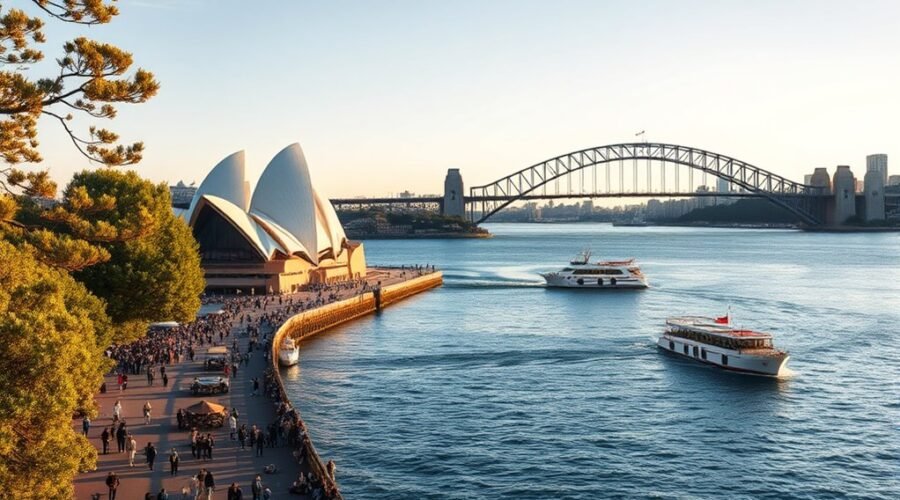
Think of Sydney as a tide—each season revealing different treasures and hiding others. You’ll want to time your visit for mild days, thinner crowds, and better prices, but the right balance depends on whether you crave beaches, festivals, or quieter museums. I’ll guide you through weather, crowd patterns, and cost tips so you can pick the season that fits your plans—and avoid common timing mistakes that cost time and money.
Key Takeaways
- Spring (Sep–Nov) offers pleasant weather, blooming scenery, balanced crowds, and lively festivals—ideal for coastal hikes and outdoor dining.
- Shoulder seasons (Mar–May & Sep–Nov) deliver lower accommodation rates, fewer tourists, long daylight, and smoother public‑transport connections.
- Summer (Dec–Feb) provides warm beach days and vibrant nightlife but highest prices, heavy crowds, and the need to book well ahead.
- Winter (Jun–Aug) is cheapest with crisp skies, quieter attractions, off‑peak deals, and cozy café culture—bring layered clothing.
- Travel weekday mornings, use an Opal card, and choose mid‑week tours to avoid queues and cut transport and tour costs.
When to Visit Sydney: Quick Answer
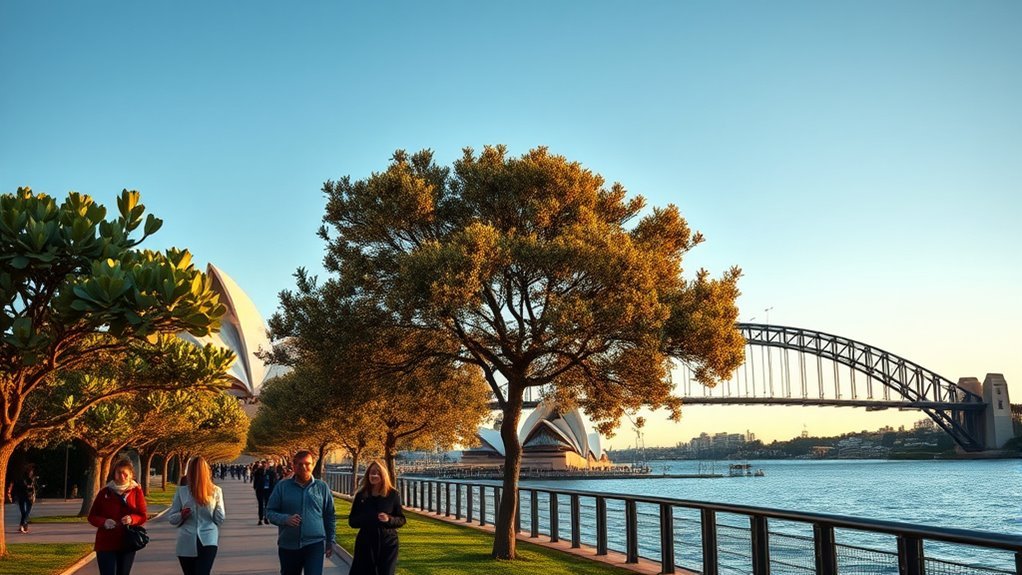
Wondering when to come to Sydney? Pick shoulder seasons — September–November or March–May — when the city’s light feels generous and you can breathe.
You’ll dodge peak crowds, pay kinder rates, and still enjoy warm days for coastal walks and alfresco dining.
Use efficient public transport to dart between Bondi and Darling Harbour without queuing for taxis; trains and ferries run reliably.
Hop between Bondi and Darling Harbour with efficient trains and ferries — skip taxi lines, travel reliably and easily.
Evenings stretch long: you’ll find lively nightlife that doesn’t feel saturated, from rooftop bars to intimate live‑music rooms.
Weekdays reveal the art scene in calmer moments — galleries, street murals, and pop‑up shows unfurl with room to move.
Local food markets brim with fresh, boundary‑pushing flavors, and you can sit at small cafés that welcome lingering conversation.
If you crave freedom, this timing gives space to explore on your terms: spontaneous ferry hops, late gallery visits, and unhurried seafood feasts without the pressure of high‑season crowds.
Sydney’s Seasons at a Glance: Weather, Crowds, Costs
While each season in Sydney brings its own mood and practical considerations, you’ll find a clear trade-off between weather, crowd levels, and costs that makes planning straightforward: summer (Dec–Feb) is lively and hot with high prices and busy beaches; autumn (Mar–May) offers warm, mellow days, fewer crowds, and better deals; winter (Jun–Aug) is cool and crisp, cheapest for travel but with shorter daylight; spring (Sep–Nov) bursts with blossoms, mild temperatures, and a pleasant balance of crowds and value.
You can chase sun or solitude: choose summer if you crave buzzing beaches and nightlife hotspots, pick autumn for cheaper stays and calmer ferries, accept winter for low costs and crisp walks, or enjoy spring’s floral streets and lively cultural festivals.
Practical tips: book early for events, prioritize flexible accommodation, and time your harbor strolls for golden light. Embrace freedom—plan the season that matches how you want to move through the city.
- Summer: beaches, crowds, high prices
- Autumn: milder, better deals, fewer tourists
- Winter: lowest costs, shorter days
- Spring: blooms, balanced crowds, festivals
Summer in Sydney: Weather, Events & Crowds
If you want sun, surf and nonstop energy, Sydney’s summer (December–February) delivers in spades: expect long, hot days often topping the high 20s to mid-30s °C, humid air that makes evening rooftop bars feel electric, and beaches packed from Bondi to Manly.
You’ll chase dawn surf at surflife hotspots, feel salt on your skin, and watch lifeguards keep things safe while you push your limits.
Festivals spill into the streets—open-air concerts, Vivid echoes, and outdoor cinema let you own the night.
Hit night markets for late bites and artisan finds, then wander laneways until the city sighs.
Plan early: book accommodation well ahead and snag transport passes to avoid queues.
Hydrate, wear reef‑safe sunscreen, and time beach runs for morning or late afternoon.
If you crave freedom and vibrant crowds, summer releases Sydney’s full‑throttle personality—loud, warm, and utterly inviting. Enjoy responsibly.
Autumn in Sydney: Mild Weather and Savings
As summer eases off and temperatures slide into the mid-teens to low-20s °C, you’ll find Sydney in a mellow, sunlit mood that’s perfect for exploring without the crowds or high prices.
You can stroll coastal paths with a warm breeze, sip coffee at a quieter pavement café, and chase golden-hour light across the harbour.
With fewer tourists, you’ll feel freer to wander and snag better deals on experiences.
- Seek wine‑friendly dining in inner-city bistros that loosen reservation rules and pour longer tastings.
- Hit weekend farmers’ stalls where local‑market discounts make fresh produce and artisan goods irresistible.
- Plan flexible day trips to bays and vineyards—roads are clearer and views more contemplative.
- Book midweek accommodation for lower rates and room upgrades—use that saving on a spontaneous harbour cruise.
Autumn gives you relaxed pace, clear skies, and the liberty to choose — spend on moments that matter, not on peak-season premiums.
Winter in Sydney: Quiet Attractions and Deals
When the city cools into crisp, blue‑skied mornings and evenings wrap around the harbour with a bracing breeze, you’ll find Sydney’s iconic sights quieter and more intimate—Opera House tours, coastal walks, and museum halls are easier to linger in, and you can score off‑peak tickets and dining deals that stretch your travel budget.
Winter invites you to move deliberately: watch sunlight carve sandstone on the Rocks, breathe in salt on the Bondi to Coogee cliffs, then retreat to warm galleries without the usual queues.
Book coland wildlife tours early for smaller groups and better sightings; winter tides and migratory patterns often concentrate marine life, so photographers and free spirits get rewarded.
Embrace cozy café hopping in suburbs like Surry Hills and Newtown—seek aromatic brews, open fires, and small plates that pair with long conversations.
Pack layers, choose weekday visits to popular sites, and let the city’s softened pace free you to explore at your own unrushed tempo.
Spring in Sydney: Festivals and Best Outdoor Days
Leave the layers and quiet streets of winter behind and follow the city as it loosens into spring: you’ll notice jacarandas and wattles painting pockets of purple and gold, outdoor cafés spilling onto sunlit footpaths, and harbour breezes warming enough for a jacketless stroll.
Leave winter layers behind—jacarandas, sunlit cafés, and harbour breezes invite jacketless strolls and spontaneous springtime moments
Spring in Sydney frees you to chase festivals, rooftop gigs, and impromptu escapes to Sydney parks where you can stretch, breathe, and reclaim time. Pick festival nights for live music, and plan River picnics at twilight to watch ferries slice orange light across water. Pack a lightweight blanket, reusable cutlery, and a battery lamp for lingering after sunset.
- Botanic Garden sunsets: quiet, iconic views for reflective evenings
- Local street festivals: pop-up food, art stalls, and liberating crowds
- Riverside promenades: easy walks that end in casual drinks
- Hidden urban greens: picnic nooks away from main routes
You’ll leave spring refreshed, with stories that outlast any guidebook.
How Crowds and Prices Change in Sydney by Month
If you time your trip right, you’ll dodge the worst crowds and stretch your travel budget further. You’ll find quieter mornings at the Opera House in quieter months and cheaper fares on Public transport when tourism dips. Peak December–January swells prices and lines; April and September offer calmer streets and lower hotel rates. Nightlife trends shift with seasons—summer brings rooftop parties and higher cover charges; cooler months favor cozy bars with cheaper drinks.
| Month range | Crowd & Price snapshot |
|---|---|
| Dec–Jan | High crowds, high costs |
| Apr & Sep | Moderate crowds, savings |
| Jun–Aug | Low tourists, bargain rates |
Practical tip: travel midweek and use ferries or trains off-peak to save. Aim for shoulder months to taste freedom from tourist crushes, enjoy kinder prices, and follow local Nightlife trends without paying premium. You’ll reclaim choice and move through Sydney on your terms.
Best Season for Your Trip: Beaches, Festivals, Family, Budget
Because Sydney shifts character with the seasons, you can pick the vibe you want—sunburnt beach days, buzzing festivals, kid-friendly outings, or a budget-smart escape—and plan accordingly.
In summer you’ll chase golden surf and late-night rooftop bars; in autumn the light softens for harbor walks and outdoor festivals; winter brings crisp clear days for cultural dives; spring explodes with blooms and open-air events.
Choose by mood: freedom to laze, celebrate, or connect with family.
- Summer: Bondi and Manly, sun, surf lessons, Family friendly hotels near the coast.
- Autumn: Festival season, cooler swims, neighborhood markets, solo liberation.
- Winter: Museum crawls, cheaper stays, cozy cafés, Budget friendly dining options.
- Spring: Coastal hikes, art festivals, family picnics, flexible itineraries.
Pick the season that feeds your appetite for adventure or rest. Book early for big festivals, and look for lodgings that match your rhythm—whether sociable hostels or calm Family friendly hotels for kids.
Save Money and Avoid Crowds: Practical Tips
While you’re planning, aim to travel shoulder-season mornings and weekdays—you’ll dodge peak crowds, snag lower hotel rates, and enjoy calmer ferries and beaches when locals are at work.
Start your mornings at a windswept Bondi or quiet Manly—you’ll have room to breathe, photograph, and swim without jostle.
Use public transport hacks: grab an Opal card, travel off-peak, and combine buses and ferries to cut costs and see hidden bays.
Hunt local market deals at Sydney Fish Market, Glebe, or Paddington for fresh eats and souvenirs—ask vendors for the end-of-day markdowns and barter with a smile.
Book midweek tours and free-walking tours to avoid lines and feel sovereign in the city.
Choose self-catering apartments or hostels with kitchens to stretch your dollar; picnic beneath the Harbour Bridge at golden hour.
Pack light, carry a reusable bottle, and let slower mornings guide you—freedom comes when you control the pace, costs, and crowd.
Frequently Asked Questions
Do I Need a Car to Get Around Sydney?
No, you don’t need a car—Sydney’s efficient public transport and extensive bike lanes let you roam freely. Tap on trains, ferries and buses, rent a bike, pack light, and savor spontaneous seaside strolls and hidden laneways.
Are There Specific Neighborhoods Safe for Solo Travelers at Night?
Yes — you’ll find night neighborhoods like The Rocks, Surry Hills, and Newtown generally safe; follow night safety solo traveler tips, enjoy local nightlife, use transport options, consult safety resources, emergency contacts, and respect cultural etiquette.
What COVID-19 Entry or Health Requirements Apply Now?
About 92% of Australians are vaccinated, so you’ll likely face minimal Entry requirements now: there’s no quarantine, and vaccination policy only expects proof if airlines or venues ask; still carry digital vaccine records and travel insurance.
Can I Swim at All Sydney Beaches Year-Round?
Yes — you can swim most Sydney beaches year-round, but beach water temperature drops in winter, so wear a wetsuit; check seasonal lifeguard services for patrols, flags, and safety tips so you’ll stay free and safe.
Are Fireworks or Special Events Restricted in Local Parks?
Yes — you’ll face park restrictions regulations; fireworks and big events usually need permits. Check local council rules, apply early through permit processes, choose spacious parks, notify neighbors, and pack safety gear to keep freedom festive and lawful.
Conclusion
Visit Sydney in the shoulder seasons (March–May, Sept–Nov) and you’ll get mild, sunlit days, thinner queues at Bondi and the Harbour, and cheaper rooms—often 20–30% off peak rates. Mornings feel almost private, with local cafes buzzing and ferry rides uncrowded. Pack layers, book midweek, and use early starts to beat crowds; you’ll enjoy festival buzz, comfy weather, and savings that make the city feel like it’s yours to explore.