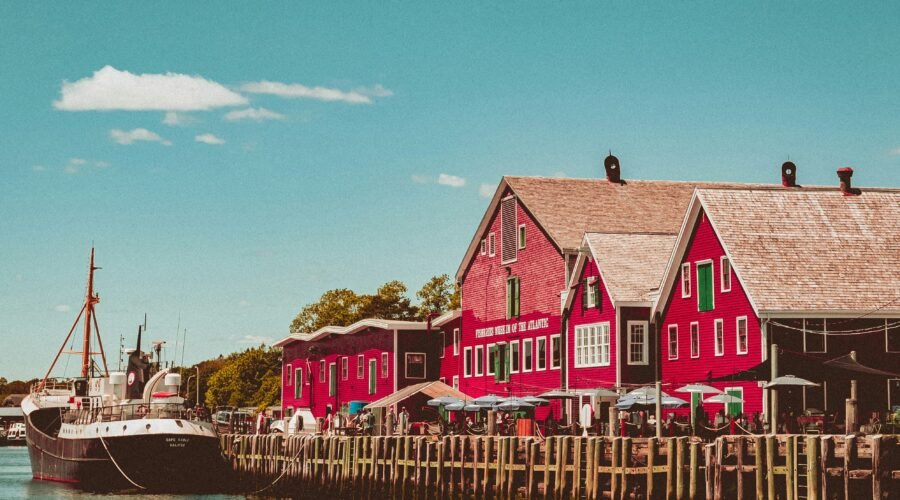
Deciding on the best time to visit Lunenburg, Nova Scotia, really boils down to what you’re hoping to experience. While the town is charming year-round, for a good mix of pleasant weather and manageable crowds without completely breaking the bank, late spring (May-June) and early fall (September-October) tend to offer the sweet spot. You get those beautiful coastal views, fewer people jostling for photos, and often better deals on accommodation and activities compared to the peak summer months of July and August.
Summer is when Lunenburg truly comes alive, and for good reason. The weather is generally at its most forgiving, and the town buzzes with activity. However, this also means you’ll be sharing the experience with a lot more people, and prices will be their highest.
Sunshine and Seaside Days
July and August are the months with the warmest temperatures and the most sunshine in Lunenburg. Think comfortable days perfect for exploring the colourful streets, strolling along the waterfront, or taking a boat tour out on Mahone Bay. Average daytime temperatures hover in the low to mid-20s Celsius (70s Fahrenheit), making it ideal for outdoor activities. Evenings tend to be mild, but it’s always wise to pack a light jacket or sweater, as coastal breezes can bring a chill.
Popular Waterfront and Events
The summer months are packed with events and festivals. The Lunenburg Folk Harbour Festival, usually held in late July or early August, is a major draw, bringing live music to stages all over town. There are often sailing regattas, craft markets, and other community gatherings. The waterfront is particularly lively, with fishing boats coming and going, and the iconic Bluenose II often making appearances.
The Flipside: Crowds and Costs
This peak season popularity means Lunenburg gets busy. Expect to see more tour buses, more people in shops and restaurants, and potentially longer waits for popular attractions. Accommodation, especially for beachfront or waterfront properties, will be at its most expensive. Booking well in advance is not just recommended; it’s essential if you want to secure your preferred lodging and potentially avoid inflated last-minute prices. Dining reservations for popular spots can also be a good idea, particularly on weekends.
What to Pack: Summer Edition
Lightweight clothing, sunscreen, a hat, and sunglasses are essentials. Comfortable walking shoes are a must for navigating Lunenburg’s hilly streets. Don’t forget a reusable water bottle to stay hydrated. Even during warm summer days, a light sweater or windbreaker is a smart addition for breezy evenings or boat trips.
If you’re planning a trip to Lunenburg, Nova Scotia, you might also find it helpful to read an article on the best accommodations in the area. Understanding where to stay can greatly enhance your experience, especially when considering factors like proximity to attractions and local dining options. For more insights on travel planning, check out this related article on travel tips and guidelines at Lele Tours.
2. Late Spring: Budding Beauty and Fewer Faces
Visiting Lunenburg in late spring signals the gentle awakening of the region after winter. It’s a time when nature is putting on a show, and the tourist throngs haven’t quite descended yet, offering a more relaxed and cost-effective experience.
Mild Temperatures and Blooming Landscapes
May and June offer increasingly pleasant weather. While it can still be a bit unpredictable – you might get a perfect sunny day or a drizzly one – the temperatures are generally warming up. Average highs can range from the mid-teens to low 20s Celsius (50s to low 70s Fahrenheit). The landscape starts to burst with colour as flowers bloom, and the sea air feels fresh and invigorating.
A Calm Before the Storm (of Tourists)
One of the biggest advantages of visiting in late spring is the significantly smaller crowds compared to July and August. You can explore the charming streets, browse the boutiques, and visit attractions like the Fisheries Museum of the Atlantic with a much more leisurely pace. This lack of congestion makes for a more intimate and authentic experience.
Cost Advantages
Accommodation providers are often eager to attract visitors before the summer rush, leading to more competitive pricing. You might find better deals on hotels, inns, and vacation rentals. Similarly, some restaurants and activity providers might offer off-season specials to encourage early business.
Potential for Variable Weather
It’s important to be prepared for a wider range of weather conditions in late spring. While you can enjoy glorious sunshine, rain showers are also common. Fog can roll in off the Atlantic, adding a dramatic atmosphere, but also potentially obscuring some of those iconic coastal views. The ocean water will likely still be quite chilly, so swimming might be for the brave.
What to Pack: Late Spring Mix
Layers are key for this season. Think t-shirts, long-sleeved shirts, a medium-weight sweater or fleece, and a waterproof and windproof outer layer. Comfortable walking shoes are still essential, and a scarf and hat can be welcome on cooler days or in the sea breeze.
3. Early Fall: Golden Hues and Crisp Air

As summer fades, Lunenburg transitions into a period of crisp air, stunning autumn colours, and a welcome dip in the number of visitors. Early fall offers a beautiful and serene experience for those looking to avoid the summer heat and crowds.
Autumn’s Embrace: Colours and Comfort
September and October are fantastic months to visit if you appreciate cooler, more settled weather and the beauty of autumn. September often retains some of the summer warmth, with daytime temperatures still pleasant for exploring. By October, temperatures will have dropped, averaging in the low to mid-teens Celsius (50s-60s Fahrenheit). The real showstopper is the foliage. While Nova Scotia is famous for its inland fall colours, the coastal areas also display a subtle beauty, with the evergreens providing a striking contrast against the changing leaves. The light takes on a golden quality, making for spectacular photography opportunities.
A More Relaxed Pace
Similar to late spring, early fall sees a significant decrease in tourist numbers. This means shorter lines at attractions, easier parking, and a far more laid-back atmosphere in shops and restaurants. You’ll have more space to truly soak in the UNESCO World Heritage site’s charm without feeling rushed.
Value for Money
With the summer demand gone, accommodation prices typically start to fall. You’re likely to find more availability and better rates on hotels, B&Bs, and rental properties, especially if you book a few months in advance. This can make an early fall trip more budget-friendly.
Harvest Season Feasts
Fall is also harvest season, and this often translates to delicious seasonal dishes in local restaurants. Think fresh seafood, hearty root vegetables, and apple-based desserts. Many eateries will feature special menus celebrating the bounty of the season.
Shorter Daylight Hours and Potential for Rain
As autumn progresses, daylight hours shorten, meaning you’ll have less time for outdoor activities each day. There’s also an increased chance of rainy days and stronger winds as the weather systems shift. However, a rainy day can be a perfect excuse to delve into a cozy cafe or one of Lunenburg’s indoor attractions.
What to Pack: Early Fall Essentials

This is prime layering season. Pack t-shirts, warmer sweaters, a fleece jacket, and a good quality waterproof and windproof coat. Comfortable, waterproof walking shoes are a must as the ground might be damp. A hat and gloves are advisable for cooler mornings and evenings, especially in October.
4. Shoulder Seasons: The Quiet Charm
| Month | Weather | Crowds | Costs |
|---|---|---|---|
| June | Mild and pleasant | Moderate | Medium |
| July | Warm and sunny | High | High |
| August | Warm and sunny | High | High |
| September | Cooler with some rain | Moderate | Medium |
The shoulder seasons – the periods just before and after the main summer rush – offer a unique and appealing experience for visitors who prioritize tranquility and a deeper connection with the local environment. These times can be incredibly rewarding if you’re not tied to the hottest weather or the busiest festivals.
Late Autumn: The Windswept Coast
Late October and November represent the transition into winter. The weather can be quite variable, with crisp, sunny days interspersed with blustery, wet, or even snowy conditions. Temperatures will be consistently cool, usually in the single digits Celsius (40s Fahrenheit). The crowds have diminished to almost nothing, offering a truly peaceful experience. The dramatic, windswept coastline can be especially beautiful and evocative during this time. However, daylight hours are very short, and many seasonal businesses may begin to close for the winter.
Post-Holiday Quiet
Early December before the Christmas holidays can also be a quiet period. The town may still have some festive decorations, but the tourist traffic is minimal. It’s a time for a very local feel. Snow is possible, but not guaranteed. Again, check operating hours for attractions and restaurants as some may have reduced schedules in anticipation of the winter lull.
Cost Savings Continue
Accommodation prices generally remain at their lower shoulder-season rates during these late autumn and early winter periods. It’s a great time for budget-conscious travelers to explore if they are prepared for the cooler weather and potential for reduced services.
Embrace the Local Vibe
Visiting during these less crowded times allows for more genuine interactions with the locals. You can have more in-depth conversations with shop owners, artisans, and restaurant staff. It’s an opportunity to see Lunenburg as it exists outside of the peak tourist season.
Weather Preparedness is Crucial
For late fall and early winter visits, robust weather preparedness is essential. Pack warm, waterproof clothing, sturdy footwear, hats, gloves, and scarves. Be ready for all types of weather, from sunshine to snow, and always check the local forecast before heading out for the day.
What to Pack: Late Autumn/Early Winter Ready
Think serious warmth. Heavy sweaters, thermal base layers, a thick, insulated, waterproof and windproof winter coat are non-negotiable. Waterproof, insulated boots are a must. Bring warm hats, gloves, and a scarf. Consider hand warmers if you get particularly cold.
If you’re planning a trip to Lunenburg, Nova Scotia, you might also find it helpful to read about the best travel tips for exploring this charming coastal town. An insightful article on travel tips can enhance your experience by providing valuable information on local attractions, dining options, and cultural events. For more details, check out this helpful resource that offers guidance on making the most of your visit to Lunenburg.
5. Winter: The Serene Retreat
Winter in Lunenburg is a different kind of experience altogether. It’s a time of quiet beauty, snow-dusted streets, and a genuine sense of peace. If you’re looking to escape the hustle and bustle and experience a more introspective side of Nova Scotia, winter can be a surprisingly rewarding time to visit.
Snow-Covered Charm and Cozy Interiors
From December through February, Lunenburg transforms into a picturesque winter wonderland. Snowfall can create enchanting scenes of its historic architecture. While outdoor activities are more limited due to the cold, the town’s interiors – its cozy cafes, historic pubs, and charming shops – become warm refuges. The air is crisp and clean, and the sound of the wind often replaces the chatter of crowds. Average daytime temperatures are typically below freezing, often ranging from -10°C to 0°C (14°F to 32°F).
A True Escape from the Crowds
This is the absolute quietest time to visit Lunenburg in terms of tourism. You’ll likely encounter very few other visitors, making it feel like you have the entire UNESCO World Heritage site almost to yourself. This provides an unparalleled opportunity for quiet contemplation, photography without other people in the shot, and a deep dive into the town’s history and atmosphere.
The Best Bargains
Prices for accommodation in winter are at their absolute lowest. While many seasonal businesses may be closed, those that remain open often offer significant discounts to attract the few intrepid travelers who venture out. This can be an incredibly affordable time to experience the beauty of Lunenburg.
Limited Daylight and Operating Hours
The most significant consideration for a winter visit is the limited daylight. Days are short, with early sunrises and sunsets. Many attractions, restaurants, and shops will have reduced operating hours or may be entirely closed for the season. It’s crucial to research in advance what will be open during your chosen dates. Boat tours and many outdoor excursions will not be running.
Focused on Local Life
Winter in Lunenburg is very much about experiencing the local rhythm of life. You’ll see more residents going about their daily routines, and the town feels more like a lived-in community. It’s a chance to appreciate the resilience and spirit of those who call this beautiful coastal town home year-round.
What to Pack: Winter Warrior Edition
This is not the time for casual wear. Pack your warmest winter gear. Think heavy, insulated, waterproof and windproof outer layers (jacket and pants if you plan on any snow play), thermal base layers (long johns and shirts), thick wool or fleece sweaters, warm socks, a warm hat that covers your ears, insulated waterproof gloves or mittens, and most importantly, warm, waterproof winter boots with good traction. Scarves or neck gaiters are also essential to protect against the biting wind.
If you’re planning a trip to Lunenburg, Nova Scotia, understanding the best time to visit can greatly enhance your experience. For insights on weather patterns, crowd sizes, and cost considerations, you might find it helpful to read a related article that provides comprehensive information on travel planning. This resource can help you make informed decisions about when to explore the charming streets and vibrant culture of Lunenburg. For more details, check out this informative piece on travel tips here.
6. Making Your Choice: Matching the Season to Your Priorities
When you’re deciding when to go to Lunenburg, it’s helpful to weigh what matters most to you. Are you chasing the sun and lively atmosphere, or do you prefer peace and quiet? Your budget and tolerance for different weather conditions will also play a big part.
For the Sun Seekers and Festival Fans
If you want the best chance of warm, sunny weather and you’re keen to experience the popular festivals and vibrant atmosphere, summer (July-August) is your time. Just be prepared for the crowds and the higher prices. Book accommodations and any must-do tours or dining experiences well in advance.
For a Balanced Experience: Pleasant Weather, Manageable Crowds, Better Value
For many, the sweet spot lies in the shoulder seasons:
- Late Spring (May-June): Expect milder temperatures, blooming nature, fewer crowds, and better accommodation deals. You’ll need to be prepared for some rain.
- Early Fall (September-October): Enjoy crisp air, beautiful autumn light, significantly fewer tourists, and often good pricing. The days get shorter, and there’s a chance of rain.
These months offer a great compromise, allowing you to enjoy much of what Lunenburg has to offer without the intensity of the peak season.
For the Budget Traveler and Peace-Seeker
If your primary concerns are saving money and experiencing Lunenburg in its most tranquil state, the off-peak times are ideal:
- Late Autumn (Late October-November): Very few tourists, lowest prices, but colder, wetter, and shorter daylight hours. Many businesses may be closed.
- Winter (December-February): The quietest, most affordable time. Expect cold weather, snow possibilities, and the fewest open attractions and restaurants. It’s a time for cozy interiors and a very local feel.
Consider Your Interests
Think about what you want to do in Lunenburg. If you absolutely must take a sailing trip on a calm, warm sea, summer is your best bet. If your dream is to wander empty, historic streets and photograph them with beautiful, soft autumn light, then early fall is perfect. If you’re intrigued by the stark beauty of a windswept coast in winter and enjoy cozying up by a fire, then the winter months hold a unique allure. Ultimately, Lunenburg offers something special in every season, but understanding these nuances will help you pick the time that aligns best with your ideal vacation.
FAQs
1. What is the best time to visit Lunenburg, Nova Scotia for favorable weather?
The best time to visit Lunenburg, Nova Scotia for favorable weather is during the summer months of June to August. During this time, the weather is warm and pleasant, making it ideal for outdoor activities and exploring the town.
2. When is the peak tourist season in Lunenburg, Nova Scotia?
The peak tourist season in Lunenburg, Nova Scotia is during the summer months of June to August. During this time, the town experiences an influx of visitors, and popular attractions and accommodations may be more crowded.
3. What is the off-peak season in Lunenburg, Nova Scotia?
The off-peak season in Lunenburg, Nova Scotia is during the winter months of December to February. During this time, the town experiences fewer tourists, and accommodations and attractions may offer lower prices.
4. When is the best time to visit Lunenburg, Nova Scotia to avoid crowds?
To avoid crowds, it is best to visit Lunenburg, Nova Scotia during the shoulder seasons of spring (April to May) and fall (September to October). During these times, the weather is still pleasant, and there are fewer tourists compared to the peak summer season.
5. What is the most cost-effective time to visit Lunenburg, Nova Scotia?
The most cost-effective time to visit Lunenburg, Nova Scotia is during the off-peak seasons of winter (December to February) and the shoulder seasons of spring (April to May) and fall (September to October). During these times, accommodations and attractions may offer lower prices, making it a more budget-friendly option for travelers.