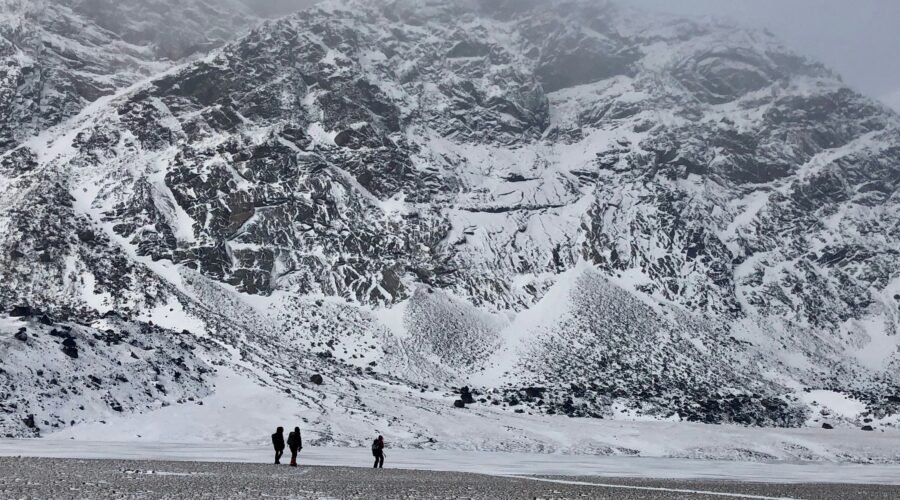
So, you’re thinking about heading to Pangnirtung, Nunavut! That’s fantastic. It’s a place that really sticks with you. The big question on most people’s minds is: when’s the best time to go? The short answer is, it really depends on what you’re after. If you want to experience the vibrant summer with longer daylight hours and access to most activities, July and August are your best bets. But if you’re drawn to the stark beauty of the Arctic winter and the magic of the Northern Lights, then November through March are worth considering. Let’s break down what each season brings so you can pick your perfect time.
Summer: The Sweet Spot for Exploration (July & August)
This is when Pangnirtung truly comes alive, and for good reason. The weather is at its most forgiving, allowing for a wider range of activities and making travel generally more straightforward.
What the Weather’s Like
Expect temperatures to hover around 10-15°C (50-59°F) during the day. Nights can still get chilly, dropping closer to freezing, so packing layers is essential. You’ll have a lot of daylight hours to work with – the sun barely sets in mid-summer, offering almost 24 hours of light. This means more time for exploring! While it’s generally less rainy than in many southern regions, you can still encounter some showers, so a waterproof jacket is a must. Mosquitoes can be a factor, especially in the evenings, so bring a good insect repellent.
What to Do in Summer
Summer is prime time for hiking and backcountry excursions in Auyuittuq National Park. The dramatic landscapes, including Mount Thor with its sheer cliff face and the iconic Arctic flow, are best appreciated under the summer sun. This is also the season for boat tours into the fjords, offering incredible views and potential wildlife sightings like seals and whales. For those interested in local culture, the Pangnirtung Inuit Art Centre is open and a great place to see and purchase world-renowned prints and tapestries. You might also catch community events or festivals that pop up, giving you a taste of local life.
Summer Crowds and Costs
July and August are the peak tourist season in Pangnirtung. This means you’ll likely encounter more visitors, though “crowded” in Pangnirtung is relative compared to more mainstream destinations. Accommodation and flights might be more expensive during this period. It’s highly recommended to book your flights and lodging well in advance, especially if you’re traveling during the first two weeks of August when some local holidays might also increase demand.
If you’re planning a trip to Pangnirtung, Nunavut, you might also find it helpful to read an article on travel tips and insights for exploring the Arctic regions. This resource provides valuable information on what to expect in terms of weather, local culture, and outdoor activities. For more details, check out this related article on travel planning at Lele Tours.
Shoulder Seasons: Balanced Exploration (June & September)
These months offer a decent compromise, often with fewer people and potentially lower prices, while still providing good opportunities for experiencing Pangnirtung.
June’s Transition
Early June can still feel quite wintry, with snow lingering in higher elevations. The sea ice might not have fully broken up, which can affect boat access. However, as the month progresses, the snow melts, the land begins to green, and daylight hours increase significantly. Temperatures are cooler than July and August, typically ranging from 5-10°C (41-50°F). It’s a beautiful time to see the landscape emerge from winter.
September’s Quiet Charm
September offers a different kind of beauty. The harsh bite of winter has receded, but the crisp autumn air has its own appeal. The colours of the tundra can be spectacular, with reds, yellows, and oranges painting the landscape. Temperatures will start to drop, averaging around 5-10°C (41-50°F) again. Daylight hours are decreasing, but you still have enough light for daytime activities. This is also when you might start to see the Northern Lights on clearer nights, although the season for them truly kicks in later.
Shoulder Season Activities & Considerations
In June, hiking might still be limited by snow, but boat trips are becoming more feasible as the ice recedes. By September, hiking is generally excellent, and the fall colours are a major draw. Wildlife viewing opportunities remain. You’ll generally find fewer tourists in June and September compared to the peak summer months. This can translate to slightly more availability for accommodations and potentially better pricing on flights if you book in advance. However, some tour operators might have reduced schedules in shoulder months.
Arctic Winter: The Land of the Northern Lights (November – March)
If you dream of witnessing the aurora borealis dance across the sky, or experiencing the profound stillness of an Arctic winter, then this is your season. It’s a dramatically different experience from summer.
Winter Weather Realities
Be prepared for cold. Daytime temperatures can range from -15°C to -25°C (5°F to -13°F), and nighttime temperatures can plummet further, often reaching -30°C or even -40°C (-22°F or -40°F) with wind chill. Snow is abundant, and blizzards are a real possibility. Daylight hours are severely limited. From December to January, you’ll experience polar night or very short periods of twilight, offering a unique but challenging environment. The good news is that the snow provides a stunning, pristine landscape.
Winter Activities: A Different Pace
The primary draw for most winter visitors is the Northern Lights. Pangnirtung’s remote location and lack of light pollution make it an excellent spot for aurora viewing. You’ll want to book dedicated aurora tours to maximize your chances of seeing them. Other winter activities include snowmobiling, cross-country skiing, and ice fishing. Experiencing the vast, quiet winter landscape can be incredibly rewarding. Visiting local artists and the community offers a glimpse into life during this intense season.
Winter Crowds and Costs
The winter is the low season for tourism in Pangnirtung, meaning significantly fewer visitors and generally lower prices for flights and accommodation compared to summer. However, be aware that some services might be limited due to the harsh conditions. Booking flights should still be done in advance, as northern air travel can be prone to weather-related delays or cancellations. The cost savings in this season can be substantial, making it an attractive option for budget-conscious travelers who are properly prepared for the cold.
Spring: Nature’s Awakening (April & May)
Spring in Pangnirtung is a transitional period, marked by the slow thaw and the return of longer daylight hours, but it comes with its own set of challenges.
The Thaw and Its Impact
April and May are characterized by melting snow and ice. This can make travel over land and sea challenging. Roads might become muddy and impassable, and sea ice breakup can disrupt boat access. Temperatures are still cold, typically ranging from -5°C to 5°C (23°F to 41°F), but they are trending upwards. Daylight hours are increasing rapidly, offering more light for activities.
Spring Activities: Limited but Unique
While many summer activities are not yet possible, spring offers opportunities to witness the dramatic landscape changes of the thaw. Hiking might be possible in certain areas, but be prepared for wet and potentially muddy conditions. Some communities may have events celebrating the return of the sun. Wildlife viewing can be good as animals start to become more active. However, this is generally a less active period for tourism, and the availability of guided tours might be limited.
Spring Crowds and Costs
Spring is typically a quiet time in Pangnirtung. You’ll likely find fewer tourists, which can lead to more relaxed accommodation and potentially better flight deals if booked ahead. However, the limitations on activities due to the thaw might make it a less appealing choice for those seeking a full-range of experiences. It’s a good time if you’re looking for solitude and to observe the Arctic transitioning between seasons, rather than ticking off a long list of adventures.
If you’re planning a trip to Pangnirtung, Nunavut, understanding the best time to visit can greatly enhance your experience. For insights on how weather, crowds, and costs can influence your travel plans, you might find it helpful to check out a related article that delves into these factors in detail. This resource provides valuable tips on when to go and what to expect, ensuring you make the most of your adventure in this stunning Arctic destination. For more information, visit this article.
Important Considerations for Any Time of Year
Regardless of when you choose to visit Pangnirtung, there are a few things that remain constant and are crucial for a smooth trip.
Travel Logistics & Accessibility
Getting to Pangnirtung isn’t like hopping on a plane to a domestic airport. Flights typically involve a connection through Iqaluit, Nunavut’s capital. Air travel is your only option for reaching the community. Weather can significantly impact flight schedules, especially in the winter months. Delays are not uncommon, so it’s wise to build some flexibility into your itinerary and have a buffer day or two if possible, particularly on your return journey. Always check with the airline for the latest flight status.
Accommodation and Booking
Accommodation options in Pangnirtung are limited. There are a few small inns or guesthouses, and some private rentals. Booking well in advance is absolutely essential, no matter the season. During peak summer months, you’ll need to book months ahead. For winter travel, while less crowded, you still need to reserve your spot as soon as your dates are firm. Prices can vary, but expect Arctic destinations to be more expensive than mainland locations.
Packing Essentials: Arctic Style
Your packing list will be heavily influenced by the season, but some items are universally important for the Arctic. Layers are key. Think thermal base layers, insulating mid-layers (like fleece or down), and a waterproof and windproof outer shell. Sturdy, waterproof hiking boots are a must for any season. Don’t forget warm headwear, gloves, and wool socks, even in summer, as temperatures can drop quickly. Sunscreen and sunglasses are important year-round due to the reflection off snow and ice. For winter trips, specialized cold-weather gear, including insulated boots and extreme cold-rated parkas, is non-negotiable.
Local Culture and Etiquette
Pangnirtung is a vibrant Inuit community. Showing respect for local customs and traditions is paramount. Always ask permission before taking photos of people. Learn a few basic Inuktitut greetings if you can – it’s always appreciated. Be mindful of the environment; pack out everything you pack in, and stick to marked trails when hiking. Engaging with locals, perhaps at the community centre or through local guides, can offer a much richer experience than just sightseeing. Remember that tourism is a relatively new and developing industry here, so patience and understanding go a long way.
FAQs
1. What is the best time to visit Pangnirtung, Nunavut in terms of weather?
The best time to visit Pangnirtung, Nunavut is during the summer months of June to August when the weather is milder with temperatures ranging from 5°C to 15°C. Winter months can be extremely cold with temperatures dropping to -30°C or lower.
2. When is the best time to visit Pangnirtung, Nunavut to avoid crowds?
To avoid crowds, it is best to visit Pangnirtung, Nunavut during the shoulder seasons of spring (April to May) or fall (September to October) when tourist numbers are lower compared to the peak summer months.
3. What is the peak tourist season in Pangnirtung, Nunavut?
The peak tourist season in Pangnirtung, Nunavut is during the summer months of June to August when the weather is milder and outdoor activities are more accessible.
4. When is the best time to visit Pangnirtung, Nunavut to save on costs?
To save on costs, consider visiting Pangnirtung, Nunavut during the shoulder seasons of spring (April to May) or fall (September to October) when accommodation and tour prices may be lower compared to the peak summer months.
5. What are the main activities to do in Pangnirtung, Nunavut during the recommended time to visit?
During the recommended time to visit Pangnirtung, Nunavut in the summer months, visitors can enjoy outdoor activities such as hiking, wildlife viewing, and cultural experiences including art and craft workshops.