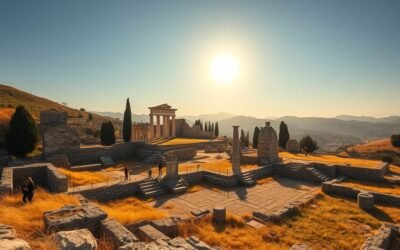
The best time to visit Antakya, Hatay depends on whether you want to explore historic sites, enjoy local food, or spend time on the Mediterranean coast. Weather and holiday crowds matter, but so does the city’s ongoing recovery from the February 2023 earthquakes.
Quick Answer
For most visitors, choose April–May or October. Spring brings warm days and greener landscapes, while October offers pleasant sightseeing weather and the olive harvest. September is good for coastal trips but remains hot inland. Antakya is still rebuilding after the 2023 earthquakes, so confirm attraction access and accommodation before booking.
Last checked: October 23, 2026. Key climate figures, official holiday dates, and attraction updates were verified against published sources.
Key Takeaways
- April averages a daytime high of 22.6°C, making it one of the most comfortable months for walking and sightseeing.
- September is still hot, with an average high of 31°C. October cools to 27.4°C.
- July and August are the driest months, while December through February bring much heavier rainfall.
- The 2023 earthquakes changed access to major attractions. Some sites have reopened, while others remain under restoration.
- National holidays, religious celebrations, and local festivals can make otherwise quiet periods much busier.
Best Time to Visit Antakya by Month: Weather and Crowds
April, May, and October offer the most comfortable balance for exploring Antakya. September can also work well, especially for beach trips, although the heat often lasts longer than visitors expect.
Antakya has a Mediterranean climate, with hot summers and mild, rainy winters. The following figures come from the Turkish State Meteorological Service’s Hatay climate statistics. They represent historical monthly averages rather than a forecast for your travel dates.
| Month | Average High / Low | Average Rainfall | Crowd Outlook | Best For |
|---|---|---|---|---|
| January | 12.1°C / 4.7°C | 197 mm | Usually low | Indoor activities and food |
| February | 14.5°C / 5.7°C | 163 mm | Usually low | Quiet cultural visits |
| March | 18.2°C / 8.5°C | 143 mm | Variable around holidays | Early spring sightseeing |
| April | 22.6°C / 12.2°C | 100 mm | Moderate | Walking and heritage sites |
| May | 26.6°C / 16.3°C | 84 mm | Moderate; holiday spikes | Nature and outdoor dining |
| June | 29.3°C / 20.9°C | 30 mm | Increasing | Coastal visits and early starts |
| July | 31.2°C / 23.9°C | 16 mm | Often busy in coastal areas | Beach-focused holidays |
| August | 32.0°C / 24.6°C | 17 mm | Often busy in coastal areas | Swimming and seaside relaxation |
| September | 31.0°C / 21.2°C | 41 mm | Often easing after school returns | Warm-sea coastal trips |
| October | 27.4°C / 15.2°C | 77 mm | Moderate; event spikes | Food, sightseeing, and harvests |
| November | 20.3°C / 9.6°C | 98 mm | Generally lower | Cool-weather exploration |
| December | 13.8°C / 6.0°C | 180 mm | Usually low outside holidays | Local food and relaxed visits |
Crowd descriptions are seasonal planning estimates, not measured visitor counts. Rainfall values are rounded from official monthly averages.
Spring in Antakya (March–May): Best for Sightseeing and Nature
Spring is one of the easiest seasons for exploring Antakya on foot. Days become warmer, the countryside turns green after winter rain, and you can spend more time outside without summer’s intense heat.
What Is the Weather Like in Spring?
March is still fairly wet, with average daytime highs around 18.2°C. April warms to 22.6°C, while May reaches 26.6°C.
Rain becomes less frequent as spring advances. However, April still averages 100 mm of rainfall, so a light waterproof jacket is useful.
Evenings can feel cool, especially in March and April. Pack comfortable walking shoes, light layers, and a rain jacket.
Best Things to Do in Spring
- Explore historic Antakya: Walk through restored public areas and visit accessible heritage sites.
- Enjoy the countryside: Spring greenery makes trips into Hatay’s rural areas more appealing.
- Try regional food: Mild weather is ideal for outdoor meals, markets, and sampling local specialties.
- Visit nearby natural areas: The Harbiye area and surrounding landscapes make pleasant outings when paths and facilities are accessible.
Spring Holidays That May Affect Your Trip
Spring also includes important Turkish public holidays. In 2026, Ramazan Bayramı fell on March 20–22, while Kurban Bayramı was May 27–30, with the preceding afternoons beginning the holiday periods.
Other spring holidays include April 23, May 1, and May 19. These dates appear in the official Turkish public holiday calendar.
Expect increased demand for some domestic transport and accommodation around long holidays. Small family-run businesses may also adjust their opening hours.
Who should visit in spring? First-time visitors, photographers, history lovers, and travelers who want comfortable walking weather.
Summer in Antakya (June–August): Best for Coastal Trips
Summer is hot, sunny, and usually dry. It suits beach holidays better than long walks through central Antakya, especially during July and August.
How Hot Does Antakya Get in Summer?
The average daytime high reaches 29.3°C in June, 31.2°C in July, and 32°C in August. Individual days can be much hotter, with humidity adding to the discomfort.
July and August receive very little rain, averaging about 16–17 mm each month. Strong sunshine makes sunscreen, sunglasses, hats, and drinking water essential.
Plan outdoor sightseeing for the morning or later afternoon. During the hottest hours, choose shaded areas, indoor dining, or a rest break.
Best Things to Do in Summer
- Visit Arsuz: Enjoy the coastal atmosphere, beach activities, and seaside restaurants.
- Explore Samandağ: Combine a coastal outing with the surrounding region’s natural and historical scenery.
- Enjoy evening dining: Try Antakya’s regional dishes after the strongest daytime heat has passed.
- Visit St. Pierre: The Cave Church of St. Peter remains an important religious and historical attraction, although earlier visits are generally more comfortable in summer.
The official St. Pierre Monument Museum page lists opening hours of 8:30 a.m. to 5:00 p.m., with ticket sales ending at 4:30 p.m. It also records the annual June 29 religious service associated with St. Peter.
Summer Crowds and Events
Summer school holidays bring more domestic travelers, particularly to coastal destinations. Beach areas may be busy on weekends, while central Antakya’s visitor patterns can vary because of ongoing reconstruction.
Summer public holidays include Democracy and National Unity Day on July 15 and Victory Day on August 30.
Who should visit in summer? Beach lovers, families taking school-holiday trips, and travelers comfortable with hot weather.
Autumn in Antakya (September–November): Best for Food and Harvests
Autumn offers an excellent mix of seasonal food, outdoor exploration, and gradually cooler weather. October is particularly appealing for visitors who want to experience Antakya’s history and cuisine without the peak summer heat.
Is September or October Better?
September is still very warm, with an average daytime high of 31°C. It is an attractive choice for coastal trips because the sea retains warmth from summer.
October is generally better for inland sightseeing. Average daytime highs fall to 27.4°C, with cooler evenings around 15.2°C.
November brings further cooling, with average highs of 20.3°C and a greater likelihood of rainy days.
Olive Harvests, Pomegranates, and Local Food
Autumn is an especially interesting time to explore Hatay’s agricultural traditions. Olives and pomegranates are important regional products, and seasonal ingredients appear in markets and local cooking.
Hatay has been a UNESCO Creative City of Gastronomy since 2017. Its food culture reflects influences from Anatolia, the Mediterranean, and the Middle East.
Look for olive oil, pomegranate molasses (nar ekşisi), regional pastries, and traditional dishes such as künefe.
Autumn Festivals and Events
One documented event was the 10th Altınözü Olive, Olive Oil and Gastronomy Festival, held on October 17–18, 2026.
According to the Hatay Metropolitan Municipality’s festival announcement, the event included concerts, competitions, workshops, and free activities for children and young people.
The festival takes place in Altınözü, not central Antakya. Its dates should not be assumed to repeat unchanged in future years.
Republic Day on October 29 is another significant autumn date. National celebrations and changes to normal business schedules may affect travel plans.
Who should visit in autumn? Food lovers, couples, photographers, heritage travelers, and anyone interested in local agriculture.
Winter in Antakya (December–February): Best for Quieter Travel
Winter is usually the quietest season for tourism, but it is also the wettest. It can appeal to travelers interested in regional food and indoor cultural experiences rather than long outdoor excursions.
Winter Temperatures and Rainfall
Average daytime highs range from 12.1°C in January to 14.5°C in February. Nights are much cooler, with average lows around 4.7–6°C.
January receives about 197 mm of rainfall, while December averages nearly 180 mm. Some days are sunny, but extended rain can interrupt walking plans.
Snow is unusual in central Antakya, although higher parts of Hatay province can experience colder conditions and occasional snowfall.
What Can You Do in Winter?
- Enjoy traditional food: Spend more time in operating restaurants and cafes.
- Explore accessible indoor attractions: Choose sites that are confirmed open during your visit.
- Experience daily life: Visit local shopping areas without the same level of summer holiday activity.
- Take short outings: Use dry weather windows for historic streets and nearby landscapes.
Some small seasonal businesses, especially along the coast, may operate on shorter schedules or close for winter. Central shops and restaurants can remain active, but post-earthquake changes mean opening patterns are not uniform.
New Year’s Day on January 1 is a public holiday. Hotels may also experience increased demand during New Year’s celebrations and school holiday periods.
Who should visit in winter? Flexible travelers, food enthusiasts, and visitors who prefer quieter surroundings and can tolerate frequent rain.
What Is Open in Antakya After the 2023 Earthquakes?
The earthquakes of February 2023 caused severe damage across Antakya, including its historic center. Restoration and rebuilding have continued, so a traditional list of attractions does not always reflect what visitors can currently enter.
This is an essential planning factor in every season, not just winter.
Hatay Archaeology Museum
The main Hatay Archaeology Museum is famous for its Roman mosaics and archaeological collections. However, its official museum listing displays a closed status.
The same page also retains standard opening-hour information, so those hours should not be treated as proof that the museum has reopened. Restoration announcements have discussed a phased return.
St. Pierre and Habib-i Neccar Mosque
The Cave Church of St. Peter is listed as open by the official museum service. It is one of the more practical historical options to consider while other heritage buildings undergo restoration.
Habib-i Neccar Mosque is another important landmark. After earthquake damage and restoration, it reopened for worship, with the first Friday prayer following restoration held on January 2, 2026, according to the Hatay Governor’s Office.
As an active place of worship, it should be visited respectfully and with attention to prayer times.
Historic Streets and Uzun Çarşı
Antakya’s historic streets and shopping areas have undergone major rebuilding work. Some commercial activity returned to temporary premises while work continued on the historic Uzun Çarşı.
A February 2026 reconstruction report from TRT Haber described progress on Kurtuluş Caddesi and the continuing operation of traders in a temporary market area.
Expect some differences between restored streets, functioning shops, and active work zones.
Note: Reconstruction can change pedestrian access, road routes, and attraction availability. Use confirmed entrances, respect construction barriers, and avoid entering damaged or restricted buildings. Do not assume that older travel photographs show the current condition of an area.
When Is Antakya Most Crowded?
Domestic school holidays, major religious celebrations, and long weekends are the main periods to watch. However, crowd patterns in Antakya itself are less predictable during reconstruction than in a fully operating tourist destination.
Summer and Public Holidays
July and August can attract more domestic travelers, especially toward Arsuz, Samandağ, and other coastal areas.
During Ramazan Bayramı and Kurban Bayramı, family travel can increase demand for intercity transport and accommodation. These Islamic holidays move through the calendar each year.
Popular dining places may also become busier on weekends and holidays, making reservations helpful for larger groups.
Spring and Autumn
Outside public holidays and festivals, spring and autumn often offer a better balance between pleasant weather and manageable visitor activity.
For a quieter sightseeing trip, consider midweek dates in April, May, or October rather than a holiday weekend.
Winter
December through February generally bring fewer leisure visitors. However, normal city activity continues, and individual hotels or restaurants can still be busy.
Low tourist numbers do not guarantee unrestricted access to historic sites undergoing restoration.
How Much Does Visiting Antakya Cost by Season?
Summer and major public holidays can increase accommodation and transport costs. Spring and autumn often offer a better combination of comfort and value, while winter may provide cheaper stays for flexible travelers.
Seasonal prices also depend on the number of operating hotels, transport connections, and demand associated with rebuilding activity.
Summer and Holiday Prices
The original travel guide estimates that summer accommodation may cost 20–40% more than shoulder-season stays. This should be treated as a rough planning estimate, not a verified market-wide increase.
Flights, package tours, and accommodation may become more expensive around major holidays. Dining prices do not necessarily follow the same seasonal pattern.
Spring and Autumn Prices
The original estimate suggests shoulder-season hotels may cost 10–25% less than peak-season accommodation. Actual savings depend on the property and specific dates.
These seasons may offer the best overall value because you can enjoy outdoor attractions without needing to organize much of the day around extreme heat or heavy winter rain.
Winter Prices
The original guide suggests winter hotel rates may be 30–50% lower than peak-season rates. This range has not been established as a current Antakya-wide average.
Winter can still be a good time to seek accommodation deals, but fewer available properties or limited flight choices may offset some savings.
What Should You Budget For?
- Accommodation: Compare available hotels for the exact dates of your visit, including location and access.
- Flights: Check both the fare and the journey from the airport to your accommodation.
- Local transport: Allow for taxis or private transfers if the places you want to visit are spread out.
- Attraction admission: Some museums and heritage sites require tickets; public streets and ordinary markets do not have an admission charge.
- Food: Set aside room in your budget for regional restaurants, sweets, and food-market purchases.
How Do You Get to Antakya and Plan Your Visit?
Hatay Airport (HTY) is a practical arrival option when suitable flights are available. However, the local transport journey and your planned attractions are just as important as finding a good airfare.
The Turkish State Airports Authority confirmed that Hatay Airport resumed flights on September 2, 2025, following major infrastructure work. Its announcement also described expanded domestic connections and renewed international service.
Schedules can change, so choose flights based on currently bookable services rather than an older list of destinations.
Practical Planning Checklist
- Choose your main activity: Heritage sightseeing, regional food, coast, or countryside.
- Match the season: Prefer April, May, or October for walking; consider June through September for beach-focused travel.
- Check attraction access: Confirm that your priority museums and historic buildings are accepting visitors.
- Select accommodation carefully: Consider its location, building condition, transport access, and recent guest feedback.
- Allow a flexible schedule: Give yourself time for changing road access, weather, or restoration-related disruptions.
Which Season Should You Choose for Your Antakya Trip?
Your best travel dates depend on the experience you value most. There is no single month that is perfect for every activity.
For the Best Weather
Choose April or October for comfortable walking temperatures. May is also appealing, but afternoons grow warmer as summer approaches.
For Food and Local Culture
Choose October or November for autumn ingredients and harvest traditions. Spring also offers pleasant conditions for outdoor dining and cultural visits.
For Beach Time
Choose June through September for a coastal trip. July and August are hotter and generally better suited to travelers who plan to spend more time near the water than in the city center.
For Fewer Tourists
Consider winter outside holiday periods, or midweek visits during the shoulder seasons. Winter gives you more quiet time but also a much higher risk of rain.
For the Best Mix of Activities
April, May, and October remain the strongest overall choices. Pick one of these months, then build your itinerary around the attractions that are confirmed open.
Antakya’s history, food, and cultural identity remain strong reasons to visit. A flexible plan and realistic expectations about reconstruction will help you enjoy the region.
Frequently Asked Questions
What is the best time to visit Antakya, Hatay for good weather?
April, May, and October are generally the best months for visiting Antakya. April averages a daytime high of 22.6°C, May reaches 26.6°C, and October averages 27.4°C. These temperatures suit sightseeing better than the hottest summer months, although occasional rain remains possible.
When is the peak tourist season in Antakya, Hatay?
July and August are important summer holiday months, particularly for Hatay’s coastal destinations. Major Turkish public holidays can also increase domestic travel. However, Antakya’s current tourism patterns are affected by ongoing reconstruction, so the busiest periods can differ between the city center and nearby beach areas.
What is the off-peak season in Antakya?
December through February is generally the quieter period for leisure tourism. Winter brings mild daytime temperatures but substantial rainfall, especially in January. It can be suitable for food-focused trips and relaxed cultural visits, provided you allow flexibility for weather and attraction availability.
How much does it cost to visit Antakya during peak season?
Peak-season costs depend on your accommodation, transport, and travel dates. The original guide estimates that summer hotel rates can be 20–40% higher than shoulder-season rates, but this is not a verified local average. Compare actual available bookings rather than relying on a fixed seasonal percentage.
Are there any annual events or festivals worth visiting in Hatay?
Hatay holds cultural, religious, and food-related events throughout the year. The Altınözü Olive, Olive Oil and Gastronomy Festival took place on October 17–18, 2026. St. Peter’s religious feast is associated with June 29, while Republic Day is celebrated on October 29. Festival dates may change between years.
Is September too hot to visit Antakya?
September can still be hot in Antakya, with an average daytime high of 31°C. It is suitable for coastal holidays, especially around Arsuz and Samandağ. For long walks and historical sightseeing in the city, October usually offers more comfortable conditions.
Is Hatay Archaeology Museum open after the earthquakes?
The official Hatay Archaeology Museum listing displays a closed status, despite also showing standard opening hours. The museum was damaged in the February 2023 earthquakes and has undergone restoration. Do not assume that the displayed hours mean the museum is accepting visitors.
Is Hatay Airport open for flights?
Yes. Hatay Airport resumed flights on September 2, 2025, following infrastructure work after the earthquakes. Domestic connections and some international services were announced when operations restarted. Flight routes and frequencies can change, so use currently available schedules when planning your journey.
Sources
- Turkish State Meteorological Service, Hatay Climate Statistics: Monthly temperature and rainfall averages.
- Turkish Directorate of Museums, Hatay Archaeology Museum: Museum details and published closure status.
- Turkish Directorate of Museums, St. Pierre Monument Museum: Opening hours and historical information.
- Presidency of Religious Affairs, Official Public Holidays Calendar: Verified 2026 national and religious holiday dates.
- UNESCO Creative Cities Network, Hatay: Official Gastronomy designation and cultural background.
- Hatay Governor’s Office, Habib-i Neccar Mosque: Restoration and January 2026 reopening information.
- TRT Haber, Antakya Reconstruction Coverage: Uzun Çarşı and Kurtuluş Caddesi rebuilding progress.
- Hatay Metropolitan Municipality, Altınözü Festival Announcement: Confirmed October 17–18, 2026 festival dates and activities.
- Turkish State Airports Authority, Hatay Airport Announcement: September 2025 resumption of flights and infrastructure information.