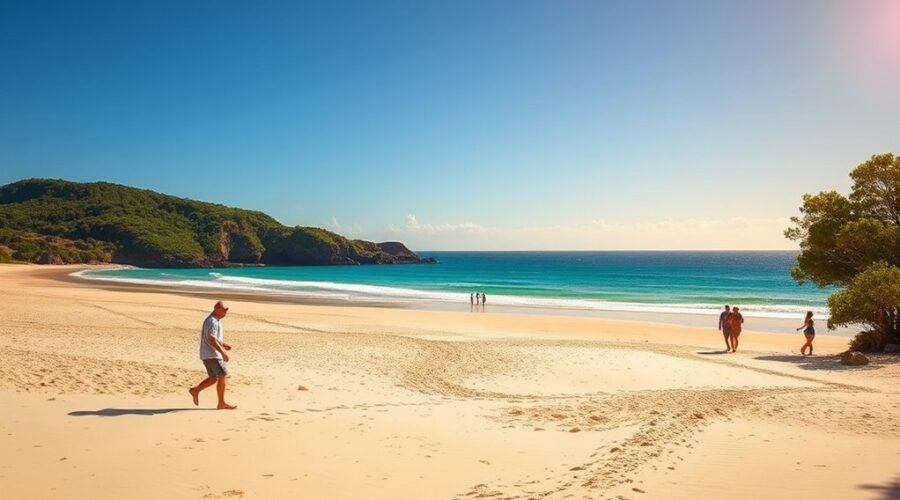
Golden light spills over low coastal dunes as you step out into a warm, breezy Bundaberg morning — and you’ll quickly want to know when weather, wildlife and prices line up just right. Choose shoulder months like May or October and you’ll enjoy mild 20–26 °C days, low humidity, clearer reef visibility and thinner crowds, which also means gentler rates for tours and accommodation. Keep going to see how seasons, turtle nesting and school holidays shape the best times to visit.
Key Takeaways
- May–October (dry season) offers warm days, cooler nights, low rainfall, and clearer skies for outdoor activities and reef visibility.
- Visit in shoulder months (May, October) for pleasant weather, fewer crowds, and lower accommodation prices.
- Turtle nesting (Nov–Mar) and hatchlings (Jan–Apr) deliver unique wildlife experiences but require guided, responsible tours.
- Peak holiday periods (Christmas–New Year, Easter, school breaks) bring crowds and higher costs—avoid these for better deals.
- September and February often provide the best value: lower demand, cheaper rates, and good conditions for reef trips and wildlife viewing.
Best Months to Visit Bundaberg : Quick Answer

Visit between May and October for the most pleasant weather in Bundaberg — you’ll get warm, dry days, cooler nights, and minimal rain so outdoor activities like reef trips and turtle spotting run smoothly.
Visit May to October for warm, dry days and cool nights—perfect for reef trips and turtle spotting.
You’ll find the town awake but unhurried: fewer crowds, easier bookings, and better value on accommodation and tours.
That stretch is ideal if you want freedom to roam coral gardens or bike sugarcane backroads without the swell of peak-season tourists.
Evenings invite relaxed exploration of local festivals and food markets where you can taste fresh seafood, tropical fruit, and community spirit.
If you crave liberation from city rush, this window gives you daylight hours for adventure and nights for quiet recovery.
Shoulder months around May and October extend pleasant conditions while cutting costs further.
Aim for midweek visits to keep crowds at bay and snag the best deals.
Pack light layers, sunscreen, and a sense of curiosity—you’ll move through Bundaberg on your own terms.
Bundaberg Weather by Season: Temps, Rain & Humidity
Now that you know the best months to be in Bundaberg, it’s helpful to look at how the seasons actually feel — temperatures, rainfall and humidity shape what you’ll do each day. You’ll sense subtropical warmth most of the year: summers are hot and humid, coaxing you toward beaches and late-night local festivals; winters are mild and dry, perfect for wandering agricultural markets and feeling unburdened.
- Summer (Dec–Feb): Expect highs around 30–33°C with sticky humidity and afternoon storms that cool the air briefly. You’ll plan activities around heat and sudden showers.
- Autumn (Mar–May): Temperatures ease to 24–28°C, humidity drops, and the weather feels liberating — great for exploring town events and outdoor markets.
- Winter–Spring (Jun–Nov): Days sit at 20–26°C, mornings are crisp, rainfall is low, and you’ll enjoy long, breathable days for whatever adventure calls.
Pack light layers, sun protection, and a flexible itinerary that responds to changing skies.
Turtle Nesting Season in Bundaberg : When & How to Watch Responsibly
From November to March you’ll see nesting and hatchlings on Bundaberg’s beaches, with peak activity often in late summer.
When you watch, keep your distance, switch off lights, and follow local guidelines or join licensed tour operators who protect nests and share expert knowledge.
Choosing a reputable guide lets you experience the magic without stressing turtles or breaking rules.
Turtle Nesting Timeline
When the warm Queensland nights settle over Bundaberg, leatherback, loggerhead and green turtles begin their slow procession ashore to nest, and you’ll often spot fresh nests and tracks at first light.
You’ll feel the rhythm of turtle migration: arrivals peak from November to March, with nightly nesting pulses after warm, calm evenings.
Eggs incubate through summer, and hatchlings emerge around January to April, timing their dash to the sea under cover of darkness.
Beach erosion can shift nest sites year to year, so seasons flex along the coast.
- November–March: peak nesting activity, frequent visits and marked tracks.
- January–April: main hatchling emergence window — expect tiny flurries.
- April–October: quieter months for beach recovery and monitoring.
Responsible Viewing Guidelines
Seeing turtles nest is a rare privilege, and you can help protect those nightly journeys with a few simple, respectful habits.
Walk quietly, keep distance, and let darkness rule—use no flash, turn off bright screens, and let your silhouette dissolve into the beach.
Choose eco friendly gear: red-filtered torches, minimal packaging, and reusable water bottles to cut waste and your carbon impact.
Respect signage and koala-like patience; don’t disturb nesting females or tracks.
Avoid crowds and loud behavior, and carry out everything you bring in.
Your mindful choices reshape tourism behaviors—support protection, not spectacle.
In doing so you honor marine life, reclaim shared coastlines, and practice travel that frees rather than consumes.
Local Tour Operators
Curious how to join a turtle nesting walk without harming the animals or the experience? You’ll want tour operators who center protection, freedom, and authentic connection. Choose guides who limit group size, use red lights, and teach you how to stand back so turtles can nest in peace. These operators often tie community resilience to eco-education, linking beach stewardship with local festivals and culinary tours to sustain livelihoods.
- Pick certified guides who prioritize minimal impact, give clear rules, and explain nesting biology.
- Seek operators collaborating with rangers and communities, offering proceeds to conservation and cultural events.
- Opt for small-group night walks that reveal ritual without disrupting it, and support operators who return beaches cleaner than they found them.
Best Time for Bundaberg Reef Trips & Lady Elliot Island
For clear water and the best marine sightings, plan your reef trips between September and May when visibility peaks and the ocean calms.
You’ll see manta rays, turtles, and colorful corals in their prime during the warmer months, while winter can offer cooler water and different seasonal visitors.
Check local weather and tour operator advice so you time your visit for the species you most want to encounter.
Best Months For Visibility
When visibility’s at its best—typically from late winter into early spring—you’ll find the water around Bundaberg and Lady Elliot Island crystal clear, making reef trips unforgettable.
You’ll feel free to slip beneath glassy surface light, pair days on the water with evenings wandering cultural festivals and tasting bold local cuisine.
Plan around these peak months to maximize sightlines and calm seas.
- August–September: Cooler, stable seas give you long sight distances and fewer runoff issues.
- July–August: Crisp air, calm mornings, brilliant underwater clarity—ideal for photo-focused dives.
- September–October: Warmer temps return but visibility often stays excellent before summer rains begin.
Book early, travel light, and let clear water be your invitation to explore without limits.
Marine Life And Seasons
Although the reef’s residents shift with the seasons, you’ll spot the most dramatic wildlife patterns from winter through spring, when migrating whales, abundant manta rays, and clearer waters make encounters more reliable.
You’ll feel liberated watching humpbacks breach along the horizon and manta rays glide like living kites over coral gardens.
Lady Elliot Island pulses with life: turtles nest in summer, reef sharks patrol year-round, and seasonal plankton blooms follow shifting ocean currents, drawing feeding birds and fish.
Go with guides who prioritize coral conservation; they’ll show respectful ways to swim, snorkel, and dive that protect fragile habitats while maximizing sightings.
Time your trip to match migrations, stay flexible, and reward yourself with intimate, ethical encounters beneath the wide sky.
Peak Holiday Periods and Crowd Levels to Avoid
Because Bundaberg swells with visitors during school holidays and long weekends, you’ll find beaches, attractions and accommodation busier and prices higher, especially around Christmas–New Year, Easter and the July school break.
Bundaberg fills fast during school holidays and long weekends — expect busier beaches, pricier stays, and crowded attractions.
Plan around those spikes if you want freedom to roam — arrive early, book ahead, or pick quieter shoulder days.
Watch for local festivals that magnetise crowds; festival transportation options fill fast and parking evaporates, so aim for alternative travel or arrive before events kick off.
- Christmas–New Year: expect jammed beaches, booked tours, and stretched transport — avoid unless you crave festival energy.
- Easter and school breaks: family waves flood cafés and attractions; choose weekdays or earlier weeks to escape the crush.
- Long weekends and major local festivals: streets pulse with visitors; use public transit plans or skip peak days to preserve your liberty.
When you dodge peak windows, you reclaim space, calmer reefs, and better deals — travel intentionally and breathe.
Month-by-Month Costs for Accommodation & Tours
If you plan your trip around the calendar, you’ll find Bundaberg’s accommodation and tour prices ebb and flow predictably through the year: peak-season summer (December–January) and school holidays push rates and tour minimums up, while quiet months like February and September offer bargains and more flexible bookings. You can chase freedom — cheaper stays let you linger over local cuisine or join spontaneous reef and rum tours when staffing is light.
| Month | Typical Cost Signal |
|---|---|
| Jan | High — peak demand, festival calendar spikes |
| Feb | Low — quieter, flexible bookings |
| Jun | Mid — steady tourist flow |
| Sep | Low — off-peak savings |
| Dec | High — holidays, book early |
Plan months with mid-range costs for balance: tours run regularly, hostels and guesthouses drop prices just enough to let you stretch your budget and taste liberating food experiences without missing marquee events tied to the festival calendar.
Packing Checklist & Seasonal Travel Tips
When you’re packing for Bundaberg, think sun-smart layers and reef-ready gear that match the season: lightweight, breathable fabrics and a wide-brimmed hat for hot, humid summers; a light rain jacket and quick-dry clothing for the occasional downpour in autumn and spring; and a warm layer for unexpectedly cool winter mornings.
Pack reef-safe sunscreen, a reusable water bottle, insect repellent, and a compact first-aid kit.
Carry a lightweight daypack that frees you to wander sugarcane fields and coastal trails.
- Passport, copies, Travel insurance details, and a waterproof pouch for electronics.
- Swimwear, snorkel mask, sturdy sandals, and a sarong that doubles as shelter or warmth.
- Small amounts of local currency exchange ahead, a travel card, and a portable charger.
Choose versatile pieces that reclaim space and choice.
Layering lets you move from humid shorelines to cool cafés without wasting luggage real estate, while safety items and documentation keep your freedom intact.
Choose the Best Time: Weather, Wildlife, or Budget
Packing the right gear gets you ready for Bundaberg’s mood swings, but choosing when to go shapes the whole experience—do you want sun-soaked beaches and coral clarity, the thrill of turtle season, or softer prices and quieter streets?
If weather rules you, visit in winter (June–August): dry, breezy days let you explore Mon Repos and snorkel the Southern Great Barrier Reef with clear visibility.
For wildlife, time your trip to nesting season (November–March) to witness hatchlings or join guided turtle tours—these moments feel like reclaiming freedom in nature.
If budget and solitude matter, aim for shoulder months when accommodation dips and local life opens up; you’ll wander quieter cafes and find bargains on culinary tours.
Blend interests by checking event calendars: cultural festivals pop up across the year, offering music, art, and food that amplify your escape.
Pick the season that aligns with your appetite for adventure, peace, or discovery.
Frequently Asked Questions
Are There Guided Night Tours for Flashlight Wildlife Spotting?
Yes — you can join guided tours that spotlight nighttime wildlife; you’ll roam free under stars, flashlight hunting for possums, gliders and frogs, while knowledgeable guides narrate, empower you to observe respectfully, and spark wild, liberating wonder.
Can You Swim at Mon Repos When Turtles Aren’T Nesting?
Like a calm doorway to the sea, you can swim at Mon Repos when turtles aren’t nesting, but you’ll still watch for turtle sightings and follow strict water safety rules, staying free yet responsible in your movements.
Are There Day-Trip Ferry Options to Nearby Islands Besides Lady Elliot?
Yes — you can catch island ferry services to nearby islands like Lady Musgrave and Lady Elliot; you’ll find island ferry operators offering day-trip adventures, liberating snorkeling, reef exploration, and guided eco-tours that reconnect you with sea freedom.
Is Public Transport Reliable for Reaching Bundaberg Attractions?
Yes — public transport’s decent, though not perfect. You’ll test the theory that buses always run; check bus timetables and ticket pricing, plan transfers, and you’ll confidently reach Bundaberg attractions while feeling freer and more adventurous.
Do Any Local Festivals Happen Outside Peak Holiday Periods?
Yes — you’ll find festivals outside peak times: vibrant local markets and intimate art exhibitions pop up in shoulder months, freeing you to wander bold stalls, taste regional treats, and revel in creative community without tourist crowds.
Conclusion
Head to Bundaberg in May or October for near‑perfect days—warm evenings, low humidity, and hardly any rain—so you can savor reef trips, turtle‑nesting walks, and markets without the crowds. If wildlife draws you, time visits to turtle season and Lady Elliot Island tours; if budget matters, avoid school holidays and festival peaks. Pack light layers, reef‑safe sunscreen, and binoculars. Your timing can turn a good trip into an unforgettable, once‑in‑a‑lifetime escape.