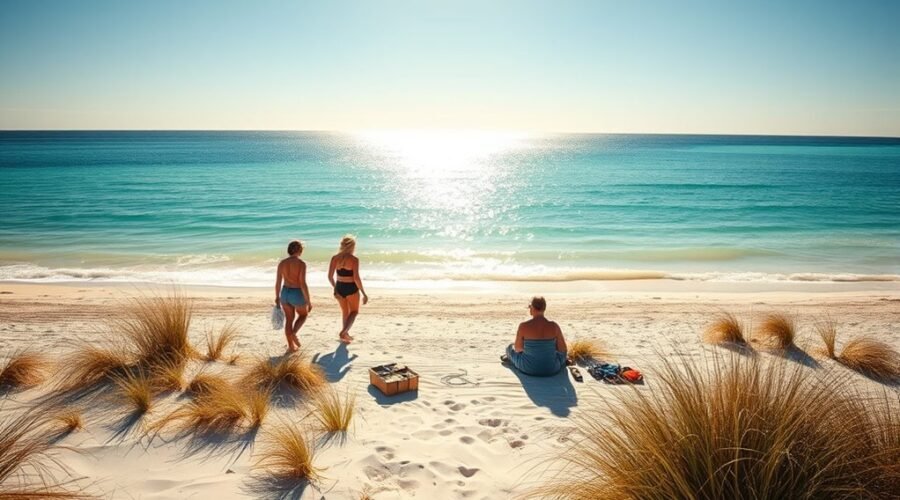
About 70% of visitors time their trip to 1770 between May and October for the calm seas and clear skies that make snorkelling superb. You’ll get sunlit coral, quiet beaches and cheaper rooms in those months, but there are trade‑offs—late autumn can bring stronger wind and snorkel visibility still varies. Keep going if you want a quick month‑by‑month guide, packing tips and the cheapest windows to score ferries and stays.
Key Takeaways
- May–October (dry season) offers calm seas, highest visibility, and best snorkeling/diving conditions.
- November–April (wet season) brings warm water, dramatic skies, and peak game‑fishing despite occasional storms and reduced visibility.
- June–August mornings are glassy with reliable crossings; early departures recommended to avoid afternoon wind.
- Travel costs lowest in May–June and shoulder seasons (Apr–May, Oct–Nov); book Nov–Apr peak-season stays early.
- Ferry schedules and day‑trips vary with weather; choose morning crossings, flexible tickets, and weather insurance to avoid cancellations.
Best Months to Visit 1770, Queensland : Our Quick Recommendation
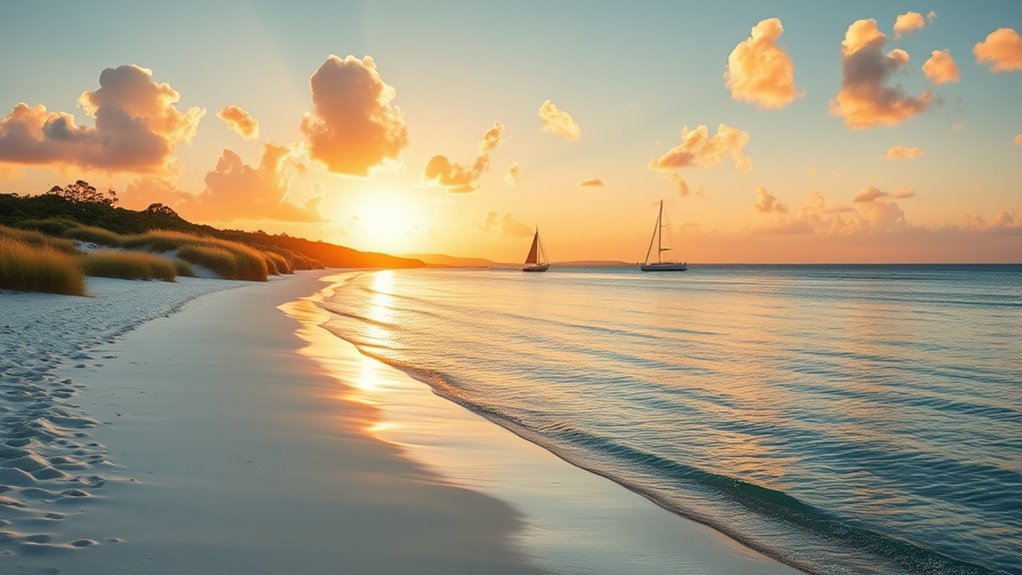
If you want sun, calm seas and fewer crowds, aim for April to June — that’s when 1770’s weather settles into warm, dry days and clear water perfect for snorkeling and boat trips.
You’ll feel free to wander quiet beaches, plunge into glassy bays, and time your days between coral swims and lazy café lunches where local cuisine shines: fresh fish, coconut sauces and zesty mango chutneys.
Pack light layers for cooler evenings and bring reef-safe sunscreen; book boat tours early to secure the best snorkel spots.
Bring reef-safe sunscreen, pack light layers for cool nights, and reserve boat tours early to snag top snorkel spots.
By late afternoons you can linger at lookout points, then seek out low-key bars where Nightlife vibes are relaxed — acoustic sets, craft beers, barefoot decks.
Embrace slow pacing: rent a bike, chat with fishers for hidden coves, and shop at the tiny markets for spices and smoked seafood.
You’ll leave feeling unburdened, fed well, and ready to return.
Dry Season (May–Oct): Sun, Calm Seas and Top Snorkelling Months
When May rolls in and the humidity drops, 1770 settles into a string of sun-drenched days with glassy seas that make snorkeling and boat trips effortless.
You’ll wake to golden light, step onto calm waters, and slip into reefs teeming with color — visibility often tops the charts, so bring a mask that fits and respect marine life.
Book early-morning charters to snag quieter spots and photogenic light; afternoons warm but stay pleasantly breezy.
Local insight: chat with fishers at the jetty for hidden sandbanks and tide tips.
Evenings invite barefoot strolls and feasts of fresh prawns and fish — sample local cuisine at market stalls or family-run eateries where recipes feel like liberation.
Check the calendar for cultural festivals that pop up during long weekends; they’re intimate, authentic, and perfect for mingling.
Pack reef-safe sunscreen, a light windbreaker, and a camera — this stretch feels made for slow, joyful exploration.
Wet Season (Nov–Apr): Warmer Seas, Rain Risks and Low Prices
Although storms can roll through fast, the wet season (November–April) brings warm, plush water and quieter beaches that reward flexible travelers. You’ll feel steam rising off the sand after a downpour, pandanus leaves rinsed clean, and horizons that melt into sudden silver curtains of rain. This rain season softens the landscape, fills creeks and liberates you from rigid itineraries—perfect if you crave spontaneous afternoons and cheap room rates.
Plan for sun between squalls: pack a light waterproof, quick-dry clothing, and a wide-brim hat you won’t mind losing to wind. Book refundable stays and chase clear windows in the forecast; local cafes stay open and become cosy refuges when storms pass. If you face budget constraints, this is your moment—expect lower accommodation prices, fewer tour crowds, and more bargaining power with operators. Embrace the slower rhythm: relax on empty shores, watch dramatic skies, and let freedom guide your days.
Marine Conditions by Month Around 1770 : Snorkelling, Diving, Fishing
Because the seas around 1770 shift seasonally, you’ll want to match activities to the month: calm, clear waters from May to October make snorkelling and diving best for spotting corals and reef fish, while the summer months bring warmer, greener water, stronger currents and reduced visibility but superb game fishing.
You’ll plan by checking marine tides and local dive schedules; low tide can expose coral flats, high tide opens channels for reef access.
Reef health improves with clear winter seas, so you’ll see color and life when conditions are right.
- May–Oct: glassy mornings, excellent visibility, easy drift dives, minimal currents.
- Nov–Apr: warmer water, plankton blooms, tougher visibility but great for anglers.
- Tides: time shore entries around mid to high tide to avoid exposed reef.
- Safety: hire a local skipper who knows seasonal currents and runoffs.
- Respect: follow reef health guidelines—don’t touch coral, secure gear, leave no trace.
Wildlife & National‑Park Highlights by Season (Turtles, Whales, Birds)
If you visit at the right season, you’ll catch 1770’s wildlife in vivid action: nesting green and loggerhead turtles crawl onto sandy beaches from November to March, humpback whales thunder past the headland on their northbound migration in June–August and again returning south in September–October, and flocks of migratory shorebirds and resident sea eagles patrol the tidal flats year‑round.
You can walk quiet beaches at dusk—keep your light low and your distance—so Turtle nesting proceeds undisturbed; local rangers run guided night watches if you want safe, informed viewing.
From headlands and boat tours you’ll feel the whale’s wake; bring binoculars and a windproof layer for long watches.
For Bird migration, explore mangrove edges and mudflats at low tide; you’ll spot knots, plovers and curlews feeding hard before continuing their journey.
Pack a field guide, pair your excursions with tide charts, respect signage and nesting zones, and you’ll leave feeling freer, connected to wild rhythms rather than crowds.
School Holidays & Peak Times : When 1770 Gets Busy and Why
When school holidays roll around, 1770 fills with families chasing calm beaches and easy boat trips, so you’ll want to book accommodation well in advance.
Long weekends bring a surge of day-trippers from nearby cities—expect fuller restaurants and busier boat ramps.
Local events and regional festivals can spike demand unexpectedly, so check the calendar before you lock in dates.
School Holiday Peaks
Although 1770’s calm bays fill quickly during school holidays, you can still enjoy quieter pockets if you plan ahead; peak weeks—especially around Easter, the June–July break and late December to early January—bring families, extra boat traffic and booked-out tours.
You’ll find cultural festivals and local markets buzzing, so book charters early, arrive midweek and chase sunrise paddles to keep your freedom.
- Choose sunrise kayak trips to beat the crowds and witness glassy water.
- Book fishing or reef tours weeks ahead; operators fill fast.
- Rent a bike to escape congested beachfronts and find hidden coves.
- Stay flexible: shift plans to less popular days or times.
- Support small vendors: market stalls and family-run tours sustain local life.
Long-Weekend Rushes
School holiday peaks spill over into long weekends, so you’ll notice 1770’s relaxed vibe tighten further as short-break visitors flood in for sun, surf and seafood. Expect busy beachfronts, packed cafes and a louder hum from Weekend festivals that draw crowds from nearby towns.
You can still claim freedom: arrive early for sunrise walks, snag a secluded picnic spot on the headland, or book charter trips before they sell out. Browse Local markets at opening to avoid queues and find fresh prawns, handmade crafts and live music.
Locals advise parking smartly (use overflow bays) and embracing off-peak hours for dining. Plan ahead, move with the tides of people, and you’ll keep that liberated, easy pace.
Regional Event Spikes
Because regional festivals and holiday calendars drive foot traffic, you’ll want to check event dates before booking — Easter, the June school break and the nearby town’s seafood festivals are the biggest crowd magnets.
When those spikes hit, 1770 brims with laughter, market stalls and extra boats; you’ll either join the pulse or slip away for quiet coves.
Scout accommodation early, pack patience, and embrace fringe experiences like sunrise walks while crowds settle.
Local festivals and Cultural workshops pop up—grab spots fast or choose alternative days.
- Book early for peak weekends
- Time visits around morning tours
- Use weekday ferry sails for solitude
- Seek out small Cultural workshops for depth
- Stay flexible to catch unexpected joys
Cheapest Months to Visit 1770 : How to Save on Flights and Stays
Wondering when your dollar will stretch furthest in 1770? Aim for late autumn (May–June) and early spring (Aug–Sept). You’ll catch quieter streets, lower airfares, and room rates that let you splurge on local cuisine or join small cultural festivals without crowds. Book midweek flights, bundle accommodation, and be flexible on dates to open fare sales. Pick guesthouses and family-run eateries for authentic tastes and bargaining power.
| Month Range | Typical Deal | Insider Tip |
|---|---|---|
| May–Jun | Low fares, off-season rates | Dine where fishermen eat for freshest catch |
| Jul | Moderate deals | Weekdays are cheapest for stays |
| Aug–Sep | Early-spring discounts | Ask about festival leftovers for bargains |
| Oct | Changing prices | Lock in refundable rates early |
| Nov–Apr | Peak season premiums | Travel light; book early to save |
You’ll travel freer with flexible plans, local knowledge, and a bold willingness to try midweek departures and alternative lodgings.
How Weather Affects Island Day Trips, Ferries and Transport
When you plan island day trips from 1770, pay attention to seasonal sea conditions — winter swells and summer storms can make crossings choppy or glassy calm.
Ferry timetables often change with the weather, so check schedules and call the operator before you leave to avoid wasting time.
Be prepared: pack motion-sickness meds and have a backup day in case operators cancel trips at short notice.
Seasonal Sea Conditions
If you plan island day trips or rely on ferries, seasonal sea conditions will shape your choices: from calm, glassy mornings in winter that make for smooth crossings to the choppy, wind-swept seas of summer that can delay or cancel services. You’ll read the water, respect tide cycles, and spot swaying marine flora that signal currents. Pack light, bring seasickness remedies, and choose morning departures when possible.
- Winter mornings: glassy, reliable crossings — go early.
- Spring shifts: stronger winds, shifting sandbars — check locals.
- Summer storms: short, fierce seas — expect cancellations.
- Autumn lulls: pleasant water and clearer snorkeling visibility.
- Low tide windows: shallow channels may restrict small craft.
Ferry Schedule Changes
Those seasonal sea patterns don’t just shape your snorkeling and crossings — they dictate ferry timetables and the reliability of island day trips.
You’ll watch wind and swell rewrite the ferry timetable with little notice; mornings often hold calmer windows, so plan outbound trips early.
Ask locals for unofficial updates — fishers and cafe owners will tell you when operators bend schedules.
Expect flexible ticket pricing: premiums on guaranteed departures and discounts when operators need to fill seats.
Bring a compact waterproof bag and patience; a delayed launch becomes part of the adventure if you stay loose.
If you crave freedom, book refundable tickets, keep plans light, and let the coast steer you toward quieter coves when the timetables shift.
Day-Trip Cancellation Risk
Because the Coral Sea can turn from glassy calm to rollicking swell in hours, you should plan day trips with cancellation in mind. You’ll feel the thrill of open water and the pinch of a last‑minute skip; accept both. Buy flexible tickets, pack light, and embrace backup plans so your freedom isn’t tied to a timetable. Consider insurance that covers sudden weather cancellations and read fine print—locals skip non‑refundable tours on marginal forecasts.
- Check forecasts morning and evening; conditions change fast.
- Book operators known for safety and clear refund policies.
- Keep a compact dry bag and spare day ashore activities.
- Ask locals about microclimates; they’ll tell you where storms linger.
- Stay loose: let the sea teach you adaptable travel.
What to Pack for 1770 by Season : Sun Safety, Stinger Gear, Shoes
When you pack for 1770, think sun, sea and a bit of sting — Queensland’s light is fierce, the water’s warm, and you’ll want gear that keeps you comfortable and safe.
For stinger safety, bring a full-length stinger suit in summer and a lightweight rash vest for shoulder seasons; locals tuck one into daypacks even on calm mornings.
For sun protection, pack a broad-brim hat, high-SPF sunscreen (reef-safe), UV sunglasses, and a long-sleeve swim shirt.
Shoes matter: reef shoes protect your soles when exploring tidal pools and the headland, while breathable walking shoes handle dunes and village streets.
Carry a waterproof dry bag, quick-dry towel, and a compact first-aid kit with sting-relief vinegar or guidance on treating jellyfish envenomation.
Travel light but deliberate: choose multifunctional pieces, layer for breezy nights, and favor items that let you move freely—so you can claim the shorelines, not be held back by gear.
Quick Decision Checklist : Pick the Right Time for Your Priorities
If sun-drenched calm and snorkel-perfect seas top your list, aim for the dry season when blue skies and gentle swell make every boat trip sparkle.
If you’re watching the wallet or hate crowds, pick shoulder months—you’ll find lower rates, quieter beaches, and still-good weather for exploring.
Use this quick checklist to weigh weather versus budget and crowds, then lock in the dates that match what matters most to you.
Weather Priority
Although the seasons here are mild compared with inland Australia, you’ll still want to pick the weather that matches your plans.
Decide if you crave sun-drenched freedom or cool, quiet days for reflection.
Think about timing for cultural festivals and when local cuisine shines freshest — mango season, seafood peaks, market mornings.
- Visit in dry-season months for clear snorkeling and reef runs.
- Choose shoulder months for fewer mosquitoes and balmy evenings.
- Plan around seasonal winds if you want sailing or kayaking.
- Seek the warmer wet-season if you love lush green landscapes and dramatic skies.
- Pack light layers: mornings can be crisp, afternoons tropical.
Trust local instincts: chat with operators, taste the tide-to-table offerings, and set your own pace.
Budget & Crowds
Take your weather choices and match them to what you’re willing to spend and how many people you want around.
If you crave solitude and freedom, aim for shoulder seasons (late autumn or early spring) when budget crowds thin and cost density drops—accommodation and tours get cheaper, beaches feel yours.
Want lively vibes and don’t mind higher prices? Peak summer brings festivals, packed cafes, and richer social energy, but expect dense crowds and steeper rates.
Book midweek stays, camp, or choose self-catered apartments to shave costs without sacrificing the coastal ethos.
Talk to locals for off-the-grid beaches and low-cost charters; they’ll point you to hidden coves away from tourist clusters.
Balance your ideals: save money, seek space, and travel with intention.
Frequently Asked Questions
Are There Any Local Events or Festivals in 1770 Worth Planning Around?
Yes — you’ll find local festivals and seasonal events celebrating coastal food, arts and sailing; plan around the Festival of the Sea and reef tours, book early, join locals for bold music, market stalls and liberating sunset ceremonies.
How Accessible Is 1770 for Travelers With Mobility Impairments?
You’ll find 1770 fairly navigable: accessible parking’s limited near shops and beaches, so arrive early; wheelchair rentals aren’t always on-site, so prebook from Gladstone or Bundaberg; locals’ll help with ramps and beach access.
Can I Bring My Pet to Accommodation or Nearby Beaches?
Yes — you can usually bring pets to some accommodations and beaches, but check pet friendly lodging ahead; follow beach leash rules, plan for shaded spots, local vets, and respectful behavior so your companion stays safe and welcome.
What Are Typical Emergency Medical Facilities and Response Times Here?
You’ll find basic hospital services nearby, but don’t expect a major trauma center; ambulance medical response times can be 20–60 minutes depending on remoteness. Carry a first-aid kit, know local clinic hours, and register emergency contacts.
Are There Childcare or Family-Friendly Services and Activity Options?
Yes — you’ll find family services, playgrounds, beachside picnic spots, kid-friendly boat tours and seasonal creche programs; pack sun protection, book popular activities early, connect with local cafes for tips and embrace relaxed, liberating coastal fun.
Conclusion
Choose May–October for glassy seas and easy snorkeling, but don’t be surprised if a shoulder‑month breeze gives you the best sailing of your trip; visit November–April if you chase lush heat and cheaper rooms, knowing storms can cancel a ferry at a moment’s notice. Pack reef shoes, sun protection and stinger gear, book ferries in advance, and time turtle or whale seasons — coincidence may have you spotting both on the same calm morning.