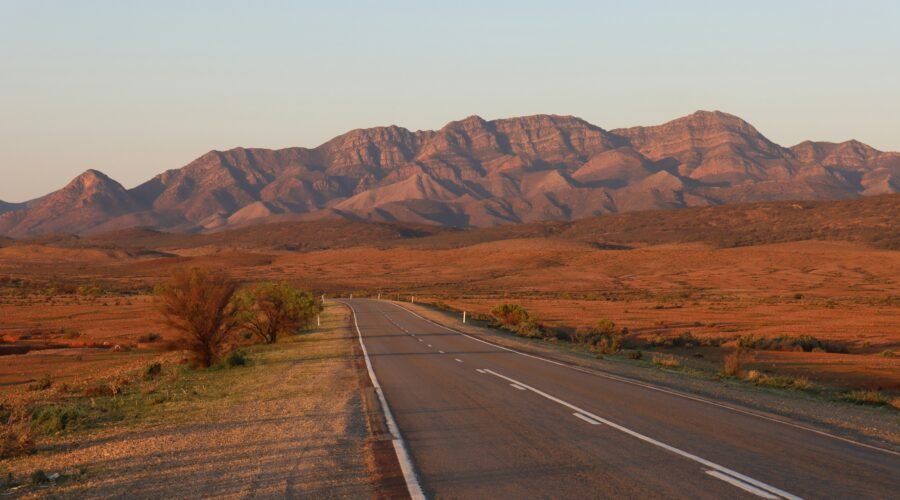
When’s the best time to go to the Flinders Ranges? Honestly, it really depends on what you’re looking for. If you want to dodge the heat and see the landscape in its most vibrant green, aim for autumn or spring. If you’re after a truly outback experience and don’t mind the bigger temperature swings, winter can be surprisingly beautiful. Summer is definitely the hottest and can be challenging, but it’s also the cheapest and least crowded. Let’s break it down so you can pick your perfect window.
Spring in the Flinders Ranges, usually from September to November, is a sweet spot for many visitors, and for good reason. The intense heat of summer has started to recede, but it hasn’t yet taken on the chill of winter. This makes it a really comfortable time for exploring on foot and getting out to soak in the scenery.
The Weather Picture: Pleasant and Predictable
You can generally expect mild days during spring. Daytime temperatures typically hover between a comfortable 20°C and 28°C (68°F to 82°F). Nights will start to cool down, but they’re usually not freezing, often dropping to around 10°C to 15°C (50°F to 59°F). This means you won’t need heavy winter gear, but a light jacket or jumper for the evenings is a good idea. The chance of rain is relatively low, though the occasional shower can bring a welcome burst of life to the arid landscape.
Why Spring is So Appealing
The biggest draw for visiting in spring is the potential for wildflowers. After good winter rains, the usually stark colours of the ranges can explode into a vibrant carpet of red, yellow, purple, and white. It’s not guaranteed every year, as it depends on rainfall patterns, but when it happens, it’s spectacular. Beyond the blooms, the comfortable temperatures are ideal for hiking and exploring the various gorges and lookouts. The light at sunrise and sunset is also fantastic, casting warm hues across the ancient rock formations.
Crowd Levels and Costs in Spring
Spring is a popular time to visit, especially during school holidays and public long weekends. You’ll find more people around, particularly at well-known spots like Wilpena Pound. Accommodation can book up, so it’s advisable to plan ahead and reserve your lodging and any guided tours you’re interested in. Prices for accommodation and tours will likely be in the mid-range, reflecting the demand but not reaching the peak of peak season.
If you’re planning a trip to the Flinders Ranges in South Australia, you might also find it helpful to read about the best times to visit other stunning destinations. For instance, check out this article on the Best Time to Visit Gokgol Cave, Zonguldak: Weather, Crowds, and Costs. It provides valuable insights into the optimal seasons, potential crowds, and budget considerations, which can enhance your travel planning experience.
Autumn: Golden Hues and Comfortable Exploration
Autumn in the Flinders Ranges, typically from March to May, is another excellent time to visit. The oppressive heat of summer has passed, and the days are becoming pleasantly mild, leading into cooler evenings. This transition period offers some of the most comfortable weather for outdoor activities.
The Weather Snapshot: A Gentle Cooling
As autumn progresses, temperatures gradually decrease. March and April still offer warm days, often in the 25°C to 30°C (77°F to 86°F) range, while May sees them settle into the cooler 20°C to 25°C (68°F to 77°F) bracket. Nighttime temperatures become noticeably cooler, especially towards the end of autumn, often dropping to around 8°C to 12°C (46°F to 54°F). This makes for crisp mornings and evenings, perfect for stargazing. Rainfall is generally low, but you might encounter occasional showers.
What Makes Autumn Shine
The primary appeal of autumn is the comfortable weather, which is perfect for extensive hiking and driving tours. The landscape often takes on a beautiful golden hue as the grasses dry out and the light softens, creating a visually stunning contrast with the ancient rock formations. The risks associated with extreme heat are significantly reduced, allowing for longer days spent outdoors without the discomfort of scorching temperatures. It’s also a great time for photography, with the quality of light often being superb.
Crowd Dynamics and Cost Considerations
Autumn is a generally popular time, though perhaps slightly less so than spring. You’ll still encounter other travellers, particularly during school holidays and long weekends, but it’s usually easier to find accommodation and book activities without extreme competition. Prices tend to be in the mid-range, similar to spring, reflecting the favourable conditions and ongoing popularity. It’s still wise to book in advance, especially if your travel dates coincide with public holidays.
Winter: Crisp Air and Starry Nights

Winter in the Flinders Ranges, from June to August, offers a different kind of beauty. While it can get quite cold, especially at night, the daytime weather is often surprisingly pleasant for those who don’t mind a bit of a chill. This is a period of dramatic landscapes and incredible stargazing.
Winter Weather: Chilly but Often Sunny
Daytime temperatures in winter typically range from a cool 15°C to 20°C (59°F to 68°F). However, nights can get quite cold, regularly dropping to 5°C or even below freezing (41°F or below 32°F). Frost is common in the mornings. While rain is possible, winter is generally a drier season, and you can expect many clear, crisp days, perfect for being outdoors if you’re dressed appropriately.
The Unique Charm of a Flinders Winter
The landscape in winter has a stark, rugged beauty. The muted colours, often enhanced by morning frost, can be incredibly dramatic. For keen walkers, the cooler temperatures make strenuous hikes much more manageable. However, the biggest draw for many visiting in winter is the incredible stargazing. With fewer people around and clear, dry nights, the sky above the Flinders Ranges is an astronomer’s dream, often rated as one of the best places in Australia for observing the night sky. The Milky Way is often visible in stunning detail.
Winter Crowds and Budget-Friendly Options
Winter is generally considered the off-peak season for the Flinders Ranges. This means fewer crowds, which can be a major advantage if you prefer a more solitary experience. With lower demand, you’ll often find better deals on accommodation. Prices for tours and activities might also be slightly more competitive. This makes winter a fantastic option for budget-conscious travellers looking to experience the Flinders Ranges without the higher prices of spring or autumn.
Summer: The Heat is On, But So Are the Deals

Summer in the Flinders Ranges, from December to February, is characterised by significant heat. This is the least popular time to visit for many, but it can appeal to those who want to avoid crowds and are looking for the most budget-friendly option.
Summer Weather: Expect the Heat
Summer is undeniably hot. Daytime temperatures routinely soar into the mid-30s°C (95°F) and can easily reach the low 40s°C (104°F+). Evenings offer little respite, often remaining warm. This extreme heat makes strenuous outdoor activities during the middle of the day challenging and potentially dangerous. Hydration and sun protection are absolutely critical.
Why Consider Summer Anyway?
Despite the heat, summer has its advantages. The most significant is the lack of crowds. You’ll likely have popular lookouts and walking tracks almost to yourself, offering a more peaceful and intimate experience with the landscape. The biggest draw for many is the cost. Accommodation and tour prices often drop significantly during the summer months as operators try to attract visitors. If you’re on a tight budget and don’t mind planning your activities around the cooler parts of the day (early mornings and late afternoons), summer can be a viable option.
Summer Crowds and Cost Savings
Summer is the quietest time of year in the Flinders Ranges. You’ll encounter far fewer tourists, which means you can explore without feeling rushed or having to compete for photo opportunities. This solitude can be a major plus. As mentioned, prices for accommodation, car hire, and even some tours are at their lowest during summer. This is the time to snag deals if you’re willing to brave the heat and adapt your itinerary.
When planning your trip to the Flinders Ranges in South Australia, it’s essential to consider not only the best time to visit but also how weather patterns, crowd levels, and costs can impact your experience. For those interested in exploring similar travel insights, you might find the article on the best time to visit Kansas quite helpful, as it offers valuable information on navigating seasonal changes and tourist influxes in another stunning destination.
Peak vs. Shoulder vs. Off-Peak: A Quick Guide
| Month | Weather | Crowds | Costs |
|---|---|---|---|
| January | Hot, dry, occasional thunderstorms | High | High |
| April | Mild, pleasant, clear skies | Medium | Medium |
| July | Cool, occasional rain, foggy mornings | Low | Low |
| October | Warm, dry, wildflowers blooming | Medium | Medium |
Understanding these seasons can help you make the best choice for your trip.
Peak Season: The Sweet Spots
- When: Generally Spring (September-November) and Autumn (March-May).
- What to Expect: Pleasant weather for activities, potential for wildflowers (spring), beautiful light (autumn).
- Crowds: Moderate to high, especially during school holidays and long weekends.
- Costs: Mid to high. Book accommodation and popular tours well in advance.
Shoulder Season: The Balance Act
- When: Early Spring (September) and late Autumn (May) can sometimes be considered shoulder. Also, the edges of winter.
- What to Expect: A mix of conditions. You might get lovely mild days or the beginnings of cooler weather.
- Crowds: Fewer than peak, but still enough to have a good atmosphere.
- Costs: Often good value, a little less than peak.
Off-Peak Season: The Quiet and the Cold
- When: Winter (June-August) and Summer (December-February).
- What to Expect: Winter offers crisp air and stargazing but cold nights. Summer is very hot.
- Crowds: Low. You’ll have plenty of space to yourself.
- Costs: Lowest prices, especially in summer. Winter can still have decent prices, but accommodation might be limited in very small towns.
By considering these factors, you can choose the time of year that best aligns with your personal preferences for weather, atmosphere, and budget. No matter when you visit, the Flinders Ranges offer a unique and unforgettable Australian outback experience.
FAQs
1. What is the best time to visit Flinders Ranges, South Australia?
The best time to visit Flinders Ranges, South Australia is during the cooler months of April to October when the weather is milder and more suitable for outdoor activities.
2. What is the weather like in Flinders Ranges, South Australia throughout the year?
Flinders Ranges experiences hot summers with temperatures reaching up to 40°C (104°F) and mild winters with temperatures ranging from 15°C to 25°C (59°F to 77°F). The region also experiences occasional rainfall, with the wettest months being June and July.
3. When are the crowds at Flinders Ranges, South Australia the busiest?
The peak tourist season in Flinders Ranges, South Australia is during the cooler months of April to October, when the weather is more pleasant. The region experiences the highest number of visitors during school holidays and long weekends.
4. When is the off-peak season in Flinders Ranges, South Australia?
The off-peak season in Flinders Ranges, South Australia is during the hotter months of November to March, when the weather is less favorable for outdoor activities. During this time, the region experiences fewer tourists and lower accommodation costs.
5. How does the cost of visiting Flinders Ranges, South Australia vary throughout the year?
The cost of visiting Flinders Ranges, South Australia is generally higher during the peak tourist season of April to October, when accommodation and tour prices are at their highest. During the off-peak season of November to March, visitors can expect lower accommodation costs and potential discounts on tours and activities.