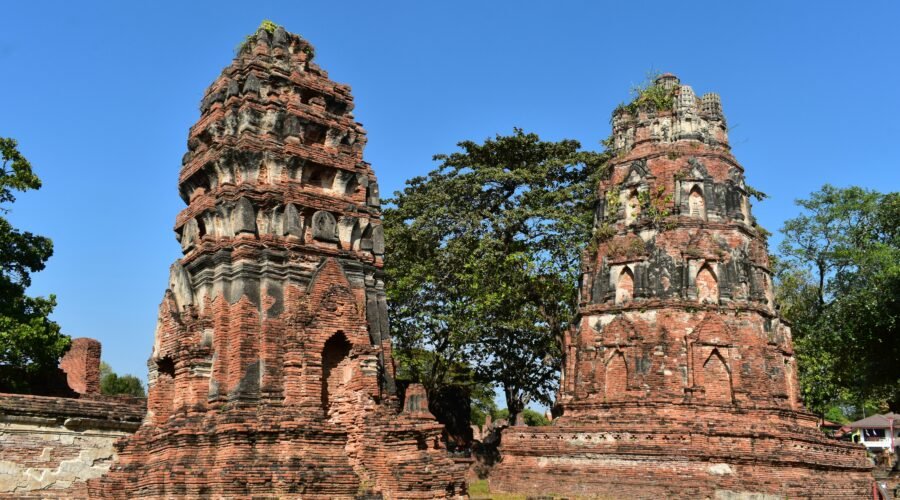
Planning a trip to Ayutthaya, Thailand, is largely a question of how much heat, rain, and tourist traffic you are comfortable with. The ancient temple ruins are spread across open areas, so weather matters more here than it might on a mostly indoor city break. For most travelers, the drier months from November through February offer the easiest sightseeing conditions.
Quick Answer
The best time to visit Ayutthaya is generally November through February, especially December and January, when rain is low and mornings are more comfortable for exploring the ruins. November and February offer a good balance. For lower local prices and fewer visitors, consider June through September, but plan around heat and rain.
Key Takeaways
- Best overall weather: November through February, with December and January usually the easiest months for long outdoor sightseeing days.
- Hottest period: March through May, with April usually the toughest month for midday exploration.
- Highest rain risk: The wetter season develops around May and continues through October, with September and October among the wettest months.
- Best for fewer crowds: Rainy-season weekdays can be quiet, while weekends, public holidays, and Songkran can still be busy.
- Best strategy year-round: Visit major ruins early in the morning, take a midday break, and return later in the afternoon.
Ayutthaya has a tropical climate, so even the so-called cool season is warm by temperate-climate standards. Long-term climate normals describe typical patterns rather than a forecast for any specific trip. The WMO 1991–2020 climate-normal archive maintained by NOAA/NCEI is useful for understanding Thailand’s long-term seasonal pattern.
The Historic City of Ayutthaya was inscribed as a UNESCO World Heritage Site in 1991. Its archaeological landscape includes monumental monasteries, prangs, palace remains, roads, canals, and other historic structures, so expect to spend a lot of time outdoors.
The Cool and Dry Season: November to February
This is the easiest period for most first-time visitors. Rainfall drops sharply, humidity is generally more manageable, and mornings and evenings are more comfortable for walking or cycling between ruins.
Ayutthaya is warm all year. The advantage of December and January is not cold weather; it is lower rain, less oppressive humidity, and more comfortable mornings for outdoor sightseeing.
November: The Gentle Transition
November marks the transition out of the wetter months. Daytime temperatures are still commonly around the low 30s°C, but rainfall drops substantially and mornings become easier for outdoor exploration.
- Weather: Warm days, lower rain risk, and gradually decreasing humidity.
- Crowds: Visitor numbers generally increase as the weather improves, although November is often less intense than the Christmas and New Year period.
- Costs: Local accommodation rates may begin rising as high season develops, especially on weekends and around events.
December to January: The Most Comfortable Window
December and January usually offer the strongest combination of low rainfall and comfortable sightseeing conditions. Typical daytime highs are still around the low 30s°C, so you will not need winter clothing, but mornings and evenings can feel noticeably easier than in April or May.
- Weather: Very low rain risk compared with the monsoon months, warm afternoons, and relatively comfortable mornings.
- Crowds: This is high season. Popular sites such as Wat Mahathat, Wat Phra Si Sanphet, and Wat Yai Chai Mongkhon can become busy, particularly from late morning through the afternoon.
- Costs: Hotels and tours can be more expensive during strong-demand periods, especially around Christmas, New Year, weekends, and holidays.
Pro Tip: If you visit in December or January, arrive at your first major temple near opening time. Many Bangkok day-trippers reach Ayutthaya later in the morning, so an early start can give you cooler weather and quieter ruins at the same time.
February: Drier Weather with Rising Heat
February is still one of the better months to visit, but temperatures rise quickly. Daytime highs can reach the mid-30s°C, even though rainfall usually remains low.
- Weather: Mostly dry, increasingly hot, and still less humid than the core rainy season.
- Crowds: Tourism remains active, though demand can vary by weekday, weekend, and holiday.
- Costs: Prices may be a little more competitive than during the Christmas and New Year peak, but there is no guaranteed February discount.
The Hot Season: March to May
If you tolerate heat well, March through May can still work, but sightseeing requires more careful timing. Much of the historical park is exposed to direct sun, and stone and brick surfaces radiate heat during the afternoon.
March: Heat Builds Quickly
March is usually very hot but still relatively dry compared with the months that follow.
- Weather: Daytime highs commonly reach the mid-30s°C. Shade, water, and rest breaks become increasingly important.
- Crowds: International high-season demand begins easing, although weekends and organized tours can still make major temples busy.
- Costs: Local hotel rates may become more competitive outside holiday periods.
April: The Main Heat Challenge
April is typically the hardest month for heat. Afternoon temperatures can climb into the upper 30s°C, and direct sun can make long walks around exposed ruins tiring.
- Weather: Very hot, with thunderstorms becoming more possible as the month progresses.
- Crowds: General sightseeing demand may be lower than in the cool season, but Songkran creates an important exception.
- Costs: Do not assume April is automatically the cheapest month. Holiday demand can raise room and transport prices around Songkran.
Warning: Avoid planning your longest walks or bicycle rides for the middle of an April day. Start early, carry water, use sun protection, and take a substantial midday break if the heat is intense.
Songkran celebrations take place around the Thai New Year period in mid-April. The national festival dates are April 13–15, although local activities can start earlier or continue longer. Ayutthaya is an active Songkran destination, so expect a livelier atmosphere and heavier domestic travel around those dates.
May: Hot, Humid, and Increasingly Wet
May is better treated as a transition into the rainy season than as a purely dry hot-season month. Temperatures remain high, while humidity and shower frequency rise.
- Weather: Hot and humid with more frequent thunderstorms and showers.
- Crowds: Usually lighter than the December–January peak, although weekends and public holidays still matter.
- Costs: Accommodation can offer better value than during high season, but rates vary by property and date.
The Rainy Season: May to October
Ayutthaya’s wetter period generally develops during May and continues through October. That does not mean it rains continuously all day. Tropical rainfall often arrives as showers or thunderstorms separated by usable dry periods, although some days can be much wetter than others.
June to September: Green, Humid, and Frequently Wet
June through September brings high humidity, warm nights, and frequent rainfall. Typical daytime temperatures remain around the low-to-mid 30s°C rather than becoming genuinely cool.
- Weather: Warm to hot, humid, and frequently showery. September is normally among the wettest months.
- Crowds: International visitor numbers are often lower, so temples may feel quieter, particularly on weekdays.
- Costs: Local accommodation can be competitively priced, but airfare to Bangkok depends on your origin, booking date, airline, and holidays rather than Ayutthaya’s local season alone.
The rainy season can be rewarding for photography. Vegetation becomes greener, skies can be dramatic, and wet brick surfaces often produce richer colors. The trade-off is the need for flexible timing.
October: The Late-Monsoon Transition
October is still a wet month, especially early in the month, but conditions usually begin trending toward the drier season as November approaches.
- Weather: Warm, humid, and still capable of heavy showers. Rain risk normally decreases as the dry season gets closer.
- Crowds: Visitor numbers may begin rising toward the end of the month as seasonal conditions improve.
- Costs: Some hotels still offer lower-season value, although weekend and holiday demand can change rates quickly.
Note: Ayutthaya is surrounded by rivers, so unusually heavy monsoon periods can create local flooding or access problems. This is not an everyday rainy-season event, but September and October travelers should check the current forecast and local park notices shortly before visiting.
If you’re planning a trip to Ayutthaya, Thailand, understanding the best time to visit is crucial for an enjoyable experience. For those interested in exploring other destinations with similar considerations regarding weather, crowds, and costs, you might find the article on Haskoy, Turkey, useful for comparing how seasonality affects another destination. You can read more here: Best Time to Visit Haskoy, Turkey: Weather, Crowds, and Costs.
Navigating Crowds: When to Seek Serenity
The number of people around Ayutthaya’s most famous temples can change the feel of your visit. Season matters, but time of day, weekends, public holidays, and Bangkok day trips matter too.
Avoiding the Peak Tourist Throngs
December and January generally have the strongest international tourism demand because of the favorable weather. Popular temples can be especially busy from late morning into the afternoon.
If you must visit in peak season, an early start can make a larger difference than changing your trip by only a few days. Weekdays are also usually preferable to weekends and public holidays.
Finding Your Quiet Moments
Rainy-season weekdays from June through September often provide the best chance of seeing the ruins with fewer tour groups. April and May can also be quieter outside Songkran and public holidays, but the extreme heat may limit how long you actually want to stay outdoors.
Pro Tip: Consider staying one night in Ayutthaya instead of arriving and leaving with the main Bangkok day-trip flow. Early morning and late afternoon can feel noticeably calmer, and you can divide your temple visits across two cooler periods.
Budgeting Your Trip: When Prices May Drop

Your travel budget can influence when you visit, but it is important to separate local Ayutthaya pricing from international airfare. Hotels and tours respond to local demand, while flights into Bangkok are affected by your departure city, airline capacity, holidays, and booking timing.
Peak Season Prices: November to February
The cool and dry season generally brings stronger demand, especially from December through early January. Popular accommodation can sell out or become more expensive on weekends and around holidays.
Booking early is sensible if you have a specific hotel in mind, but there is no single fixed high-season markup that applies to every property.
Shoulder Season Savings: November, February, and March
The edges of the main dry season can offer a useful compromise between conditions and price.
- Early November: Rain risk is dropping, while peak winter demand may not yet be at its strongest.
- February: Usually still dry, although temperatures rise and hotel pricing varies.
- Early March: Hotter than February but often less crowded than the Christmas and New Year period.
Off-Season Deals: May to September
If price is your main concern, the wetter months often offer more competitive local accommodation. June through September can be particularly attractive if you are willing to plan around showers.
April and May may also offer deals outside Songkran and other holidays, but do not assume they will always be cheaper than the rainy season.
Key Considerations for Your Visit

Weather, crowds, and accommodation prices are the main seasonal factors, but festivals, daylight, transport, and the way you explore the ruins can also affect which month suits you best.
Festival Season: Great Experiences with Extra Demand
- Loi Krathong: This festival normally falls in November, although the exact date changes with the lunar calendar. The tradition centers on floating decorated krathongs on waterways. Ayutthaya has hosted major Loi Krathong celebrations around its historical sites.
- Songkran: Thailand’s traditional New Year is celebrated nationally on April 13–15. Ayutthaya often stages additional local activities, making the city lively but also increasing holiday traffic and demand.
Festival schedules and individual event locations change from year to year, so check the current Tourism Authority of Thailand or local Ayutthaya announcements before planning a trip specifically around an event.
Light and Photography
- November to February: Lower rainfall generally provides more predictable conditions, while early-morning and late-afternoon light works well with Ayutthaya’s brick ruins.
- Rainy season: Clouds, greener vegetation, reflections, and wet brick can produce dramatic photographs, but you need flexible timing.
- Hot season: Early morning is especially useful because the midday sun can be harsh both for photographers and for anyone walking between exposed monuments.
Accessibility and Ease of Exploration
- Cool and dry season: Best for long walks and bicycle trips between temples.
- Hot season: Better for short outdoor sessions separated by air-conditioned or shaded breaks.
- Rainy season: Cycling becomes less convenient during storms, and wet or muddy surfaces may make tuk-tuks, taxis, or a private car more practical.
Best Time of Day to Explore Ayutthaya
Regardless of month, the most comfortable sightseeing periods are usually early morning and later afternoon. A practical full-day rhythm is to explore major outdoor sites in the morning, stop for lunch and an indoor or shaded break during the hottest part of the day, then resume sightseeing in the afternoon.
This strategy matters most from March through May, but it also helps during the humid rainy season.
Opening Hours and Admission Fees
Ayutthaya is not one single ticketed attraction with identical hours at every ruin. The Fine Arts Department’s Ayutthaya Historical Park office manages the major archaeological sites and publishes visitor notices.
General historical-park information has listed daytime access around 8:00 a.m. to 6:00 p.m., but specific monuments, museums, temporary nighttime openings, festival programs, and admission fees can differ. Check the official park information for the particular sites you plan to visit rather than relying on one schedule for the entire city.
When planning your trip to Ayutthaya, it’s useful to consider weather, visitor levels, and overall costs together rather than choosing a month based on temperature alone. For another destination where the same factors matter, you can also compare the guide to the best time to visit Digor Kars.
What to Pack for Ayutthaya
- Light, breathable clothing: Ayutthaya is warm throughout the year.
- Temple-appropriate clothing: Carry clothing that covers shoulders and knees when entering active religious areas.
- Sun protection: A hat, sunscreen, sunglasses, and water are useful in every season.
- Comfortable shoes: Expect uneven brick, stone, steps, and long periods on your feet.
- Compact umbrella: Useful for both tropical showers and strong sun.
- Light rain protection: Particularly useful from May through October.
- Waterproof bag or phone pouch: Helpful in the rainy season and around Songkran.
Putting It All Together: Your Ideal Ayutthaya Timing
| Period | Weather | Crowds | Cost Tendency | Best For |
|---|---|---|---|---|
| November to February | Drier, warm, most comfortable mornings | Highest overall, especially Dec-Jan | Usually higher local demand | First trips, walking, cycling |
| March to April | Very hot; April usually hottest | Often lower, but Songkran can be busy | Mixed | Heat-tolerant travelers |
| May to August | Hot, humid, increasingly rainy | Generally lower | Often better local value | Flexible and budget-focused trips |
| September to October | Highest rain risk; warm and humid | Usually lower outside holidays | Often competitive | Green scenery and quieter ruins |
For the Weather Purist: November to February
If your priority is lower rainfall and the most comfortable conditions for extensive outdoor exploration, choose November through February. December and January offer the strongest weather odds, but they also bring heavier tourism demand.
For the Budget-Savvy Traveler: May to September
If saving on local accommodation is more important than perfect weather, May through September often provides better value. You will need flexible plans for rain, especially later in the wet season.
For the Crowd-Averse Explorer: June to September
If you want quieter ruins, rainy-season weekdays are often the best bet. The scenery is greener, and major sites can feel far more peaceful than during the cool-season rush.
Just remember that fewer tourists do not guarantee empty temples. Weekends, public holidays, school breaks, and special events can still draw domestic visitors.
For a Balanced Experience: October, November, February, or March
These transition periods can offer useful compromises depending on your priorities.
- October: Still wet and humid, but the rainy season begins winding down as November approaches. Good for green scenery and travelers willing to accept rain risk.
- November: One of the strongest all-round choices, with improving weather before the deepest part of peak season.
- February: Usually dry but hotter than December and January, with good conditions for visitors who can handle warmer afternoons.
- March: Increasingly hot, but often less crowded than the peak winter months and still relatively dry.
Ultimately, the best time to visit Ayutthaya depends on what you value most. November through February is the safest choice for weather, June through September can suit budget travelers and photographers who do not mind rain, and March through May works best for people who tolerate serious heat. Whatever month you choose, an early start, plenty of water, and a flexible schedule will make exploring Ayutthaya’s remarkable ruins much easier.
Frequently Asked Questions
What is the best time to visit Ayutthaya, Thailand for good weather?
November through February is generally the best period. Rainfall is much lower than during the monsoon months, and mornings are more comfortable for walking or cycling. December and January usually offer the strongest weather conditions.
When is peak tourist season in Ayutthaya?
The main high season is November through February, with December and January especially popular. Weekends, public holidays, and the late-morning arrival of Bangkok day-trip groups can make major temples busier.
What is the off-peak season in Ayutthaya?
The wetter months from roughly May through October generally see lower international tourism demand. June through September can be particularly quiet on weekdays, although holidays and local events may still bring crowds.
When should I visit Ayutthaya to avoid crowds?
For fewer visitors, consider a weekday from June through September. If you visit during high season, arrive early in the morning or stay overnight so you can explore before many Bangkok day-trippers arrive.
How does the cost of visiting Ayutthaya change throughout the year?
Local hotels and tours often face stronger demand from November through February and may be more competitive during wetter months. International airfare to Bangkok does not follow one fixed Ayutthaya season and depends on your route, airline, holidays, and booking timing.
What is the hottest month in Ayutthaya?
April is typically the hottest month. Daytime temperatures can reach the upper 30s°C, and exposed temple grounds can feel even hotter in direct sun. Early-morning sightseeing is strongly recommended.
Is Ayutthaya worth visiting during the rainy season?
Yes. Rainy-season trips can bring greener scenery, fewer visitors, and better local hotel value. Rain does not necessarily last all day, but you should keep your schedule flexible and be prepared for heavy showers, especially in September and October.
Is April a good time to visit Ayutthaya?
April can be enjoyable if you tolerate extreme heat or want to experience Songkran, but it is not the easiest sightseeing month. Plan outdoor visits for early morning and late afternoon, and expect increased activity around the April 13–15 Songkran holiday period.
Sources
- UNESCO World Heritage Centre — Historic City of Ayutthaya — World Heritage status, history, archaeological significance, and site management context.
- Fine Arts Department — Ayutthaya Historical Park — official park management, visitor information, opening notices, and special programs.
- NOAA National Centers for Environmental Information — WMO Climate Normals — authoritative 1991–2020 long-term climate-normal framework and Thailand station data.
- Tourism Authority of Thailand Newsroom — Songkran Festival 2026 — Ayutthaya Songkran events and seasonal travel context.
- Tourism Authority of Thailand — Loi Krathong Festival — festival tradition and Ayutthaya celebration information.