If you’re deciding when to hike the Walls of Jerusalem in Tasmania, the safest answer is not simply “summer.” For most self-sufficient walkers, November through March offers the best overall balance of daylight, comparatively milder conditions and track accessibility. December to February is the most popular period, while November and March can offer a quieter experience. Even then, this is exposed alpine country where snow, rain, strong wind and rapid temperature changes can occur at any time.
Quick Answer
For most experienced, self-sufficient hikers, the best time to visit the Walls of Jerusalem is November to March. December to February brings longer days and generally milder conditions but more walkers. November and March can be quieter. April is attractive for autumn colour, but colder nights, shorter daylight and snow become greater concerns.
Key Takeaways
- Best overall window: November to March for most suitably experienced walkers.
- Warmest and most popular: December to February, although severe alpine weather is still possible.
- Quieter balance: November and March generally provide a useful compromise between weather and crowds.
- Autumn colour: April can be beautiful, but expect shorter days and a greater chance of cold, frost and snow.
- Important: Overnight walkers must register, a valid Tasmania parks pass is required, and camping in the Recreation Zone is restricted to designated campsites.
At a Glance
| Time Required | The main Central Walls Circuit is about 23 km. Parks Tasmania describes it as a flexible multi-day walk, with most walkers taking around 3 days and some allowing longer for side trips. |
| Difficulty | Grade 4. Bushwalking experience is recommended; tracks can be long, rough and steep, and navigation may be required. |
| Tools Needed | 3–4 season tent, alpine sleep system, waterproof layers, printed map, navigation equipment, PLB, fuel stove, first-aid kit, headlamp and a reliable method of treating water. |
| Cost | A valid Tasmania parks pass is required. No camping fee currently applies at the designated Walls of Jerusalem campsites. Transport, food and gear are additional. |
The Walls of Jerusalem National Park is part of Tasmania’s remote alpine wilderness. There are no roads inside the park, so reaching the Central Walls requires hiking in from the car park near Lake Rowallan. The official Parks Tasmania walk information describes the main circuit as a Grade 4, 23 km multi-day walk. You need to be self-sufficient and prepared for rapidly changing alpine conditions.
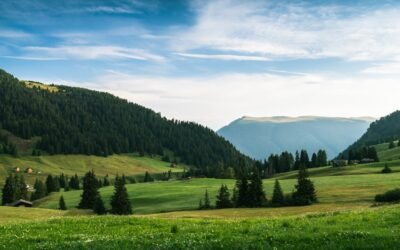
The landscape includes ancient pencil pines, alpine lakes, tarns, dolerite peaks and broad high-country plains. Most visitors concentrate on the Central Walls, where places such as Herods Gate, Damascus Gate, Solomons Throne, The Temple and Mount Jerusalem create the area’s distinctive biblical naming theme.
If you’re also planning a separate trip to Turkey, you can compare seasonal travel considerations in this guide to the best time to visit Kerpe, Kocaeli.
Warning: The Walls of Jerusalem is exposed alpine country. Parks Tasmania warns that snow, rain, strong wind and sun can occur at any time of year, including summer. Check the official weather forecast and park alerts immediately before departure, carry equipment for severe conditions and be prepared to change or abandon your route.
Weather: Your Most Important Consideration
Weather should be the biggest factor in choosing when to hike the Walls of Jerusalem. A summer date does not guarantee summer-like conditions. Low cloud can reduce visibility to only a short distance, snow can obscure tracks, and conditions can deteriorate within hours.
Before leaving, check the Bureau of Meteorology forecast for the Walls of Jerusalem and the Parks Tasmania alerts page.
Summer: December to February
Summer is the most popular walking season because daylight is longer and the odds of comparatively mild conditions are better than in winter. It is still a serious alpine environment.
Advantages of Summer
- Long daylight: More daylight gives you greater flexibility for climbing to camp, completing side trips and responding to slower-than-expected progress.
- Comparatively milder temperatures: Summer generally provides the year’s warmest conditions, although exposed ridges can remain cold and nights can be close to or below freezing.
- Lower persistent-snow risk: Established tracks are less likely to be continuously snow-covered than in winter, which normally makes route-finding easier.
- Alpine flowers: Warmer months can bring attractive flowering displays across the high country.
Disadvantages of Summer
- Severe weather is still possible: Rain, hail, strong winds, cold fronts and even snow can occur during summer.
- More walkers: Summer, particularly the Christmas and New Year period, is the most popular time to visit.
- Stronger sun exposure: Much of the plateau is exposed. Carry sunscreen, sunglasses and a sun hat even on cool days.
- Insects: Flies and other insects can be annoying in warmer weather, so repellent can be useful.
Pro Tip: Build spare time into a summer itinerary rather than treating longer daylight as permission to overpack the day. Weather can close in quickly, and the safest choice may be to skip a summit side trip.
Autumn: March to April
Autumn can be an excellent time to visit if you’re comfortable with cooler nights and shorter days. March is often a practical shoulder-season choice, while April increasingly feels like alpine autumn rather than extended summer.
Advantages of Autumn
- Autumn colour: Tasmania’s deciduous fagus, Nothofagus gunnii, produces gold, orange and red foliage in mid-autumn. Parks Tasmania says the statewide display typically peaks around Anzac Day, April 25, although timing and local displays vary from year to year. See the official Parks Tasmania fagus information.
- Generally fewer walkers than midsummer: March and April are outside the main Christmas/New Year holiday rush.
- Excellent visibility can occur: Calm autumn weather can produce clear alpine views, although it should never be assumed in advance.
Disadvantages of Autumn
- Colder nights: Frost and freezing overnight temperatures become more likely as autumn progresses.
- Shorter daylight: You have less margin for delays, so conservative daily planning becomes more important.
- Increasing snow risk: Snow and ice can occur at any time, but the likelihood becomes more relevant as you move toward winter.
Spring: October to November
Spring is a transition season. November can provide a good compromise between increasing daylight and lower visitor numbers than the summer holiday period, but snow and cold conditions remain entirely possible.
Advantages of Spring
- Longer days: Daylight increases rapidly as summer approaches.
- Active waterways: Rain and snowmelt can keep streams and waterfalls flowing strongly.
- Emerging vegetation: Alpine plants begin responding to warmer conditions and increasing daylight.
- Potentially fewer walkers: October and much of November generally avoid the main midsummer rush.
Disadvantages of Spring
- Very changeable weather: Snow, rain, strong winds and sunshine can all occur over a short period.
- Mud and wet ground: Snowmelt and rainfall can make sections boggy or slippery.
- Cold nights: Do not treat a mild daytime forecast as evidence that lightweight summer sleep gear is enough.
Winter: May to September
Winter changes the nature of the trip. Snow, ice, short daylight, low temperatures and difficult navigation make this period suitable only for walkers with appropriate alpine and winter experience.
Disadvantages of Winter and Why Most Visitors Avoid It
- Snow cover: Snow can obscure tracks, rocks and natural navigation features.
- Ice: Frozen surfaces can make steep and exposed sections much more hazardous.
- Cold exposure: Wind, wet clothing and low temperatures increase hypothermia risk.
- Short days: You have much less daylight for walking, navigation and emergency decisions.
- Specialist skills may be required: Depending on current snow and ice conditions, winter travel may require specialist traction, snow-travel or mountaineering equipment and the experience to use it correctly.
- Poor visibility: Cloud, fog, snowfall and wind-driven precipitation can make navigation difficult.
Weather verdict: For most suitably experienced walkers, November through March offers the most practical balance. December to February gives you the longest days, while November and March can offer a quieter shoulder-season experience. April can be rewarding for autumn colour, but requires a more conservative cold-weather plan.
Treat the Walls of Jerusalem as a remote alpine expedition in every season, not as a casual summer hike with guaranteed mild weather.
Crowds: Seeking Solitude
The Walls of Jerusalem is valued for its remote atmosphere, but the Central Walls are also one of Tasmania’s better-known multi-day walking areas. Visitor numbers tend to increase during summer and holiday periods.
Peak Period: Christmas and January
Late December and January combine school holidays, annual leave and long daylight, making them an especially popular period.
What to Expect
- More walkers: You are more likely to share the main track, viewpoints and campsites with other groups.
- Limited campsite capacity: Do not assume that your preferred tent platform or campsite position will always be available exactly when you arrive.
- Registration required: Overnight walkers must use the official Walls of Jerusalem walker-registration system.
How to Reduce Crowd Pressure
- Consider midweek dates: If your schedule is flexible, weekdays may reduce overlap with weekend visitors.
- Avoid the Christmas/New Year period: November, March and parts of April may offer a quieter atmosphere.
- Allow itinerary flexibility: A trip with enough time for optional side trips is better than rushing between popular points at the same time as everyone else.
Shoulder Periods: November, March and April
These months can offer a useful balance between visitor numbers and walking conditions, although weather risk increases as you move farther from midsummer.
What to Expect
- More opportunities for solitude: You may encounter fewer groups than during the summer holiday period.
- Greater weather trade-offs: Quieter dates are not automatically better dates if cold, wind, snow or limited daylight exceed your group’s experience.
Off-Peak Period: May to October
Winter and early spring are quieter largely because conditions are substantially more demanding.
What to Expect
- Greater solitude: Far fewer walkers are willing or equipped to travel in winter alpine conditions.
- No permanent ranger presence: Parks Tasmania states there are no permanent rangers on the track, so self-reliance is essential throughout the year.
- More demanding navigation and exposure: Snow, cloud and short daylight can turn simple route decisions into serious safety problems.
Crowd verdict: If you value solitude but still want a reasonable weather window, November or March is usually a better compromise than deliberately choosing winter.
Costs: Budgeting for Your Wilderness Adventure
The Walls of Jerusalem does not have a separate paid attraction ticket, but a valid Tasmania parks pass is required. Your larger expenses are likely to be transport, food and any outdoor equipment you need to buy or hire.
Tasmanian Parks Pass
A valid parks pass is required for entry to Tasmania’s national parks. According to the official Parks Tasmania fee schedule, the following prices apply as of September 2026:
- Daily Pass, up to 24 hours: $49.15 per vehicle of up to eight people, or $24.55 per person when travelling by bus, bicycle or on foot.
- Holiday Pass, up to two months: $98.35 per vehicle of up to eight people, or $49.20 per person.
- Annual Pass: $104.75 general rate, with separate concession and one-park options available.
Because the Walls is normally a multi-day walk, a Holiday Pass is generally the more relevant visitor option than a 24-hour pass. Parks Tasmania reviews fees periodically, so confirm the live price before paying.
Where to Buy
- Online through the official Tasmania Parks Pass system.
- At participating national park visitor centres and other authorised sales locations.
Walker Registration and Camping Fees
Overnight registration is mandatory. Register through the official Walls of Jerusalem registration page before your trip.
Parks Tasmania currently states that no camping fee applies at the Walls of Jerusalem overnight campsites. Registration and park-entry requirements still apply.
Note: Groups of 7 to 16 walkers have separate group-registration and designated group-camping requirements. Commercial, educational and other large groups should use the official group-registration process rather than registering as individual parties.
Transport to the Trailhead
There are no roads inside the national park. Parks Tasmania directs walkers to the trailhead near Lake Rowallan via Mole Creek and Mersey Forest Road (C171). After crossing the Fish River, the final signed access road to the main Walls of Jerusalem car park is gravel.
Options
- Rental car: Driving gives you the most schedule flexibility. Check your rental agreement before using unsealed roads and confirm current road conditions before departure.
- Private transfer or shuttle: Private operators may provide trailhead transfers from major Tasmanian towns. Availability, departure dates and prices vary, so book directly with the operator well in advance.
- Carpooling: Sharing a vehicle with your walking group can reduce transport costs.
- Do not rely on hitchhiking: The trailhead is remote, and you should have confirmed transport both to and from your walk before leaving.
Gear and Supplies
For an inexperienced multi-day walker, equipment can be the largest upfront cost. This is a remote Grade 4 walk, so safety equipment should not be cut simply to save money.
Essentials You’ll Need
- Backpack: A waterproofed or well-lined multi-day hiking pack large enough for your shelter, food and alpine clothing.
- Tent: Parks Tasmania recommends a quality 3–4 season tent for multi-day alpine walks.
- Sleeping bag: PWS alpine guidance recommends a sleeping bag suitable for temperatures around -10°C.
- Sleeping mat: Essential for insulation from cold ground as well as comfort.
- Fuel stove: The Walls of Jerusalem is a Fuel Stove Only Area. Fires are prohibited.
- Food: Carry all meals plus emergency food appropriate for your itinerary.
- Water treatment: Water from streams, lakes, campground taps and tanks is untreated and its quality cannot be guaranteed. Treat drinking water.
- Navigation: Carry the recommended TASMAP Walls of Jerusalem map plus appropriate navigation equipment. Do not rely solely on a phone.
- Compass awareness: Parks Tasmania notes that ironstone deposits in the area can affect compass readings, making good overall navigation skills especially important.
- First-aid kit: Carry a kit suitable for a remote multi-day walk.
- PLB: A Personal Locator Beacon is strongly encouraged because mobile phone coverage cannot be relied upon.
- Clothing: Pack thermal layers, warm insulation, a hat and gloves, waterproof jacket and waterproof over-trousers.
- Footwear: Wear sturdy, well-broken-in hiking footwear suitable for mud, rock and wet ground.
- Gaiters: Useful for mud, wet vegetation and protecting lower legs.
- Headlamp: Carry a headlamp or torch plus spare batteries or backup power.
- Sun protection: Take sunscreen, sunglasses and a suitable hat.
- Insect repellent: Useful during warmer periods.
- Rubbish bags: Pack out all rubbish and leftover food.
- Personal toiletries: Keep them minimal and follow Leave No Trace practices.
Renting vs. Buying
- If you rarely do multi-day walks, hiring expensive equipment such as a tent, sleeping bag or PLB can reduce upfront cost.
- Personal footwear and clothing are usually better purchased early enough to test them properly before your trip.
- Do not take unfamiliar critical equipment into the park without first learning how to use it.
Cost verdict: Park-entry and camping rules are not meaningfully cheaper in winter simply because fewer people visit. Your biggest variable expenses are transport and equipment, while accommodation, vehicle hire and commercial-tour prices outside the park depend on the provider and travel dates.
If you’re separately researching a Turkey itinerary, this guide to the best time to visit Boztepe in Ordu covers similar weather, crowd and budget trade-offs for that destination.
Month-by-Month Planning Guide
| Month | Weather Planning | Crowd Tendency | Cost Planning |
|---|---|---|---|
| January | Long days and comparatively mild conditions, but alpine storms and snow remain possible. | High | Park fees fixed; outside transport and accommodation demand may be higher. |
| February | Good summer window, with changeable alpine weather still possible. | Medium to high | Park fees fixed; provider prices vary. |
| March | Cooler shoulder-season conditions with useful daylight. | Medium | Park fees fixed; compare external travel prices. |
| April | Cooler, shorter days; autumn colour possible and snow risk increasing. | Low to medium | Park fees fixed. |
| May | Cold alpine conditions; frost, snow and short daylight become more important. | Low | Park fees fixed. |
| June | Winter conditions; specialist experience may be necessary. | Low | Park fees fixed. |
| July | Winter snow, ice and limited daylight are major planning factors. | Low | Park fees fixed. |
| August | Winter conditions continue; snow and rapid weather changes remain likely concerns. | Low | Park fees fixed. |
| September | Early spring but still strongly alpine; snow and cold weather remain possible. | Low | Park fees fixed. |
| October | Longer days, but spring weather is highly variable and snow can still occur. | Low to medium | Park fees fixed. |
| November | One of the better shoulder-season choices, with increasing daylight but continued alpine variability. | Medium | Park fees fixed. |
| December | Long days and summer conditions, but cold fronts, wind and snow remain possible. | High | Park fees fixed; holiday travel demand may raise outside costs. |
Other Practical Considerations
Weather, crowds and costs matter, but water, campsite rules, navigation and emergency preparation can determine whether your trip is merely uncomfortable or genuinely unsafe.
Water Availability
Water is available from streams, lakes and campground systems, but Parks Tasmania states that its quality cannot be guaranteed. Treat all water before drinking.
During Drier Periods
- In summer there may be no reliable water between the Fish River near the car park and Solomons Jewels, roughly 3.5 km from the car park.
- Carry enough water to reach your next reliable source rather than assuming every small creek or tarn will be flowing.
- Water at designated campsites is untreated and may be unavailable during dry conditions or when pipes and tanks are affected by weather.
During Wet Periods
- Water may be plentiful, but heavy rain can make tracks wetter, muddier and slower.
- Do not assume a wet forecast makes water treatment unnecessary.
Track Conditions
The main route is established, but it remains a Grade 4 wilderness walk rather than a paved or fully controlled trail.
Mud, Roots and Rocks
- Wet conditions can create deep mud and slippery rock or root surfaces.
- Stay on formed or hardened tracks where they exist instead of widening muddy sections by walking around them.
- Gaiters can make wet and muddy sections more comfortable.
Snow and Ice
- Snow can occur outside winter, including in spring, autumn and summer.
- Snow and low cloud can obscure the route and reduce visibility.
- Never continue simply because you have already invested time reaching the plateau. Turning back is a normal alpine safety decision.
Park Regulations and Safety
The Walls of Jerusalem is a challenging wilderness environment. Follow current Parks Tasmania rules rather than relying on old trip reports or campsite information.
Parks Pass and Overnight Registration
- A valid Tasmania parks pass is required.
- Overnight walkers in the Recreation Zone must register before their walk.
- Within the Recreation Zone, overnight visitors must camp at the designated Wild Dog Creek, Dixons Kingdom and/or Lake Adelaide campsites.
- Groups of 7 to 16 have separate group-registration and camping requirements.
Designated Campsites
- Wild Dog Creek: Raised tent platforms, toilets and untreated water are available, subject to environmental conditions.
- Dixons Kingdom: Designated platforms, full-capture toilets and untreated tank or nearby creek water are available. Camping around the historic hut and mature pencil pine forest is prohibited.
- Lake Adelaide: A designated grassed campsite, toilet and untreated tank water are available.
- Historic huts such as Trappers Hut, Dixons Kingdom Hut and Lake Ball Hut are for emergency shelter, not normal overnight accommodation.
Leave No Trace Principles
- Carry out all rubbish and leftover food.
- Use the provided toilets wherever possible.
- If no toilet is available, follow current Parks Tasmania Leave No Trace waste-disposal guidance.
- Stay on formed tracks and durable surfaces to protect fragile alpine vegetation.
- Do not feed wildlife.
- Fires are prohibited. Carry and use a fuel stove.
Food and Wildlife
- Brush-tailed possums have damaged packs and tents at Walls of Jerusalem campsites while searching for food.
- Keep food and rubbish sealed securely.
- Do not store food in easy-to-reach outside pockets.
- Prepare and eat food away from your sleeping area where practical.
Safety and Emergency Preparedness
- Tell someone your plan: Leave your route, expected camps and return time with a reliable person.
- Register and use trailhead logbooks: Complete required overnight registration and record your movements where requested.
- Carry a PLB: Mobile phone coverage is unreliable in remote Tasmania.
- Carry a printed map: Parks Tasmania recommends the TASMAP 1:25,000 Walls of Jerusalem National Park Map and Notes.
- Know more than one navigation method: Ironstone deposits in the area may affect compass readings.
- Prepare for hypothermia: Carry proper waterproof and insulating layers even if the forecast initially looks mild.
- Be willing to turn back: Weather, injury or slower progress can make the original itinerary unsafe.
- Check alerts: Review Parks Tasmania closures and warnings immediately before departure.
If you’re separately planning travel in northern Turkey, you can also read this guide to visiting Gokgol Cave.
Final Thoughts: Choosing Your Best Time
The best time to visit the Walls of Jerusalem depends on your experience, tolerance for cold and preference for solitude, but weather safety should always outrank crowd avoidance.
- For most appropriately experienced first-time visitors: December to February provides the longest daylight and the strongest chance of comparatively mild conditions, although severe weather can still occur.
- For a quieter balance: November or March can be excellent choices if the forecast and your equipment are suitable.
- For autumn colour: April can be rewarding, especially around Tasmania’s fagus season, but colder nights and shorter daylight require more conservative planning.
- For winter: May to September is a specialist alpine undertaking rather than a budget or crowd-avoidance shortcut.
No matter when you go, register properly, carry the right alpine equipment, treat drinking water, check the forecast and alerts, and be prepared to change your itinerary. The Walls of Jerusalem rewards preparation far more than rigid scheduling.
Frequently Asked Questions
What is the best time to visit the Walls of Jerusalem in Tasmania?
For most suitably experienced walkers, November to March provides the best balance of daylight and comparatively mild conditions. December to February is the most popular period, while November and March can be quieter. Alpine weather remains unpredictable in every month.
Do I need a parks pass and registration for the Walls of Jerusalem?
Yes. A valid Tasmania parks pass is required for national-park entry. If you are staying overnight in the Walls of Jerusalem Recreation Zone, you must also complete the official overnight-walker registration.
When is the Walls of Jerusalem busiest?
Summer is the most popular walking season, with the Christmas and New Year period especially attractive because of holidays and long daylight. November and March can provide a quieter alternative without deliberately choosing winter conditions.
How much does it cost to visit the Walls of Jerusalem?
You need a valid Tasmania parks pass. As of September 2026, a Holiday Pass valid for up to two months costs $98.35 per vehicle of up to eight people or $49.20 per person travelling by bus, bicycle or on foot. Parks Tasmania currently lists no separate camping fee for the Walls of Jerusalem campsites. Transport, food and equipment are additional.
Can it snow at the Walls of Jerusalem in summer?
Yes. Parks Tasmania warns that snow and severe weather can occur at any time of year, including summer. Carry waterproof and insulating layers regardless of the month and check the Bureau of Meteorology forecast immediately before departure.
Where can overnight walkers camp?
Within the Walls of Jerusalem Recreation Zone, overnight walkers must use the designated campsites at Wild Dog Creek, Dixons Kingdom and/or Lake Adelaide. Larger groups have separate group-camping requirements. Historic huts are for emergency shelter rather than routine accommodation.
Do I need to treat water and carry a PLB?
Treat water because Parks Tasmania says the quality of water from streams, lakes, tanks and campground systems cannot be guaranteed. A Personal Locator Beacon is also strongly encouraged because mobile phone coverage is unreliable on remote multi-day tracks.
Sources
- Parks & Wildlife Service Tasmania — Walls of Jerusalem Multi-day Walk — official distance, Grade 4 classification, access, weather, equipment and safety guidance.
- Parks & Wildlife Service Tasmania — Overnight Walker Camping — designated campsites, water, facilities, camping fees and group requirements.
- Parks & Wildlife Service Tasmania — Walls of Jerusalem Walker Registration — mandatory overnight registration and current Recreation Zone camping rules.
- Parks & Wildlife Service Tasmania — Park Passes and Entry Fees — current national-park pass requirements and prices.
- Parks & Wildlife Service Tasmania — Safety in Parks — alpine gear, navigation, PLB and weather-safety guidance.
- Australian Bureau of Meteorology — Walls of Jerusalem Forecast — current temperature, rain, wind and alpine weather forecasts.