

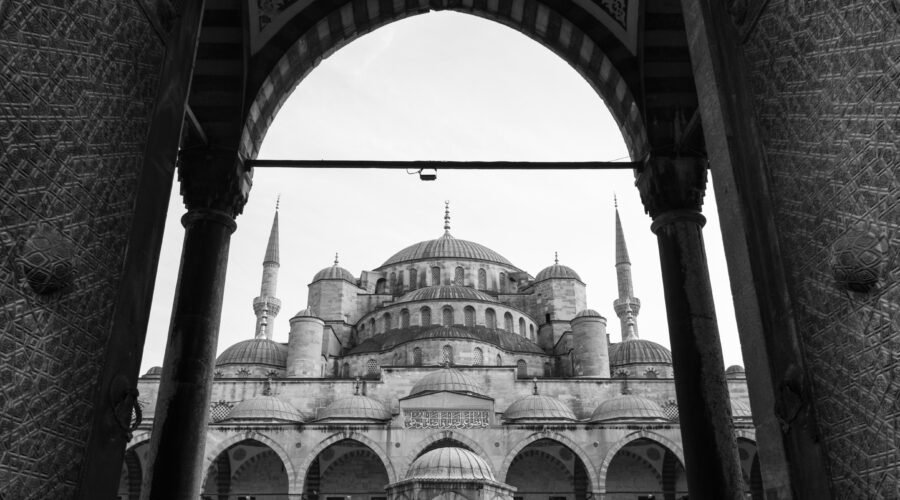
So, you’re thinking about checking out the stunning Blue Temple (Wat Rong Suea Ten) in Chiang Rai, Thailand? Smart move! It’s a real showstopper. But when’s the best time to go to make sure you get the most out of your visit? The short answer is: it depends on what you prioritize. If you want pleasant weather and fewer people, aiming for the cool, dry season (roughly November to February) is your sweet spot. However, if you don’t mind a bit of heat and humidity for a truly vibrant experience, the shoulder months can also be fantastic, and potentially easier on your wallet. Let’s break down the nitty-gritty so you can plan your perfect trip. Knowing the best time to visit Blue Temple Chiang Rai helps you plan around weather, crowds, and budget.
Before we dive into the Blue Temple itself, it’s helpful to get a handle on Chiang Rai’s general climate. Thailand is generally known for its tropical weather, and Chiang Rai is no exception, but it has distinct periods that make a real difference for travelers.
1.1 The Cool and Dry Season: Your “Goldilocks” Window
This is often touted as the prime time to visit, and for good reason. Think comfortable temperatures, minimal rain, and lower humidity. It’s the season that generally makes exploring much more enjoyable, especially if you’re not a fan of sweating through your t-shirt before you even reach your first attraction.
- What to Expect Weather-Wise:
- Temperatures: Average daytime temperatures hover around the mid-to-high 20s Celsius (70s to low 80s Fahrenheit). Evenings can get a bit cooler, sometimes dropping into the teens Celsius (60s Fahrenheit), so a light jacket or sweater is a good idea.
- Rainfall: This is the driest period. You can generally expect clear skies and sunshine almost every day. The chances of a significant downpour are very low.
- Humidity: Significantly lower than other times of the year, making the air feel much more pleasant and breathable.
- Crowd Levels:
- Peak Season: This is undeniably the peak tourist season for Northern Thailand, including Chiang Rai. This is due to the favorable weather and it coinciding with holidays like Christmas and New Year.
- Impact on Your Visit: Expect more people at popular attractions like the Blue Temple, White Temple, and Black House. This means potentially longer queues, more crowded photo opportunities, and a busier atmosphere overall.
- Costs:
- Higher Prices: As with most peak seasons, you’ll likely find higher prices for flights, accommodations, and sometimes even tours. Booking in advance is crucial if you’re traveling during this window.
1.2 The Hot Season: Embrace the Heat (or Avoid It)
If you’re someone who thrives in the heat, or you’re on a tighter budget and willing to tolerate higher temperatures, the hot season might not be a dealbreaker. It’s definitely a time when you’ll be more conscious of hydration and finding shade.
- What to Expect Weather-Wise:
- Temperatures: This is when things heat up, and I mean heat up. Daytime temperatures frequently reach the high 30s Celsius (90s to 100s Fahrenheit), and can sometimes even touch 40 Celsius (104 Fahrenheit). It can feel quite intense.
- Rainfall: While it’s still generally dry at the beginning of this season, you might start to see occasional brief showers as you move into April and May, often in the late afternoon. These are usually short-lived but can bring a temporary respite from the heat.
- Humidity: While not as consistently high as the rainy season, the heat combined with humidity can make it feel oppressive, especially in the direct sun.
- Crowd Levels:
- Moderate to Lower: Compared to the cool season, the crowds tend to thin out considerably. Many tourists prefer to avoid the extreme heat. This can lead to a more relaxed experience at the Blue Temple and other sites.
- Exceptions: Thai holidays, particularly Songkran (Thai New Year in mid-April), can see a surge in domestic tourism, making it busier for a short period.
- Costs:
- More Affordable: This is generally a good time to find deals on flights and accommodation. Prices tend to drop as demand decreases due to the weather.
1.3 The Rainy Season: Lush Landscapes and Fewer Faces
Don’t let the “rainy” label scare you off entirely. The rainy season in Chiang Rai offers a different kind of beauty and can be a very rewarding time to visit if you’re flexible. The rain often comes in intense but short bursts, usually in the afternoon or evening, leaving the rest of the day clear and fresh.
- What to Expect Weather-Wise:
- Temperatures: Temperatures are generally warm and pleasant, typically in the high 20s to low 30s Celsius (80s to low 90s Fahrenheit). The humidity is at its highest during this period.
- Rainfall: This is the wettest period. Expect daily showers, though they are often predictable – usually an afternoon or evening downpour. It’s rare to have rain all day, every day. The landscape becomes incredibly lush and green.
- Humidity: This is when humidity levels are at their peak. You’ll feel it on your skin, and things can feel a bit sticky.
- Crowd Levels:
- Lowest: This is generally the low tourist season. You’ll find the fewest crowds at the Blue Temple and other attractions. This means you can often enjoy the site with much more personal space.
- Benefits: This is a fantastic time for photographers who want unobstructed shots.
- Costs:
- Best Deals: This is the prime time to snag the best prices on flights and accommodation. If budget is a major concern, this season is worth serious consideration.
Best Time To Visit Blue Temple Chiang Rai: 2. Timing Your Visit to the Blue Temple for Optimal Experience
Beyond the general seasons, there are daily and even hourly considerations when visiting the Blue Temple to avoid the biggest rushes and enjoy its beauty.
2.1 The Golden Rule: Early Bird Gets the Worm (and Fewer Tourists)
This is perhaps the most crucial tip for any popular attraction, and the Blue Temple is no exception.
- Opening Hours: The Blue Temple typically opens its doors around 7:00 AM and closes around 8:00 PM.
- Morning Advantage: Aim to arrive within the first hour or two of opening. You’ll find significantly fewer people, allowing you to wander freely, take photos without constantly dodging other visitors, and truly absorb the intricate details and vibrant colors of the temple.
- Late Afternoon Option: Another good window can be the hour or two before closing. While some crowds might linger, many tour groups and day-trippers will have already departed. The changing light in the late afternoon can also be beautiful.
2.2 Avoiding the Midday Rush
The hours between late morning and mid-afternoon (roughly 10:00 AM to 3:00 PM) are when most tour buses and independent travelers converge on popular spots.
- Peak Crowd Times: If you visit during these hours, expect the temple grounds to be quite busy. You’ll likely be sharing the space with many other visitors, making it harder to get unobstructed photos or a sense of serene contemplation.
- Strategic Break: If your schedule allows, consider a midday break. Head back to your accommodation for a rest, enjoy a leisurely lunch away from the main tourist hubs, or explore a less crowded local market, and then plan to return to the Blue Temple later in the afternoon.
2.3 The Magic of Sunset and Evening Illumination
The Blue Temple isn’t just a daytime marvel; it transforms after dark.
- Sunset Views: Arriving an hour or so before sunset can offer you the chance to see the temple bathed in golden light. As the sun dips below the horizon, the blue hues of the temple become even more striking against the darkening sky.
- Evening Lights: After sunset, the temple is illuminated, creating a completely different, yet equally breathtaking, spectacle. The lights cast a mystical glow on the intricate carvings and the main stupa. This is a less crowded and arguably more enchanting time to visit if you enjoy atmospheric settings.
- Combined Visit: Some people opt to visit just before sunset, stay for the illumination, and then depart, effectively covering both daytime and nighttime beauty in one visit.
3. Navigating Crowds: Practical Tips for a Smoother Visit

Even in the “best” seasons, the Blue Temple can get busy. Here’s how to manage it without getting frustrated.
3.1 Embrace the Shoulder Seasons
If your travel dates are flexible, consider the periods just before or after the peak cool season.
- October & November: October sees the end of the rainy season, with lush greenery and fewer crowds. By November, the weather starts to cool, and while it’s picking up, it’s not yet at its absolute peak.
- February & March: February is still part of the cool season, but March marks the transition into the hot season. You might still catch pleasant weather with slightly lower crowd numbers than November-January.
3.2 Travel Mid-Week
Weekends and public holidays are always busier, no matter the season.
- Weekday Advantage: If possible, schedule your visit to the Blue Temple on a weekday (Tuesday through Thursday). You’ll generally find fewer local tourists and smaller tour groups compared to Fridays, Saturdays, and Sundays.
3.3 Be Patient and Adaptable
Sometimes, despite your best efforts, you’ll find yourself in a crowd.
- Mindset is Key: Take a deep breath and remember why you’re there – to see an amazing piece of art. Focus on the details you can see, rather than what’s blocking your view.
- Explore the Edges: Often, the main areas in front of the central stupa will be the most congested. Explore the smaller buildings, the surrounding gardens, and the grounds. You might find quieter spots with equally beautiful perspectives.
- Take Breaks: If it feels too overwhelming, step away for 15-20 minutes. Find a bench, grab a refreshing drink, and let some of the crowd ebb and flow.
4. Budgeting for Your Blue Temple Visit: When to Save

Your travel dates significantly impact how much you’ll spend on your trip to Chiang Rai and the Blue Temple.
4.1 The Cheapest Time to Travel
As mentioned earlier, the rainy season (roughly May to October) is your best bet for budget travel.
- Flight Deals: Airlines often offer lower fares during this period to attract travelers.
- Accommodation Savings: Hotels and guesthouses will have their lowest prices. You might even be able to snag a nicer place for the same price you’d pay for a basic room in the cool season.
- Tour Discounts: While the Blue Temple itself is free to enter, other tours and activities in Chiang Rai might be more negotiable or offer seasonal discounts.
4.2 The Peak Season Premium
If you’re visiting during the cool and dry season (November to February), be prepared for higher expenses.
- Book Early: This is non-negotiable. Flights and popular accommodations will sell out or reach their highest prices if you leave booking until the last minute.
- Factor in Extra: Have a slightly larger budget for your accommodation and potentially transportation during this time.
4.3 Finding a Balance: The Shoulder Seasons
The shoulder months (April, potentially early May, and late October) can offer a good compromise.
- Moderate Prices: You might not get the absolute rock-bottom prices of the rainy season, but you’ll likely pay less than during the peak.
- Good Value: This can be a great way to get a good balance of decent weather and more reasonable costs.
5. Beyond the Blue Temple: What Else to Consider
| Month | Weather | Crowds | Costs |
|---|---|---|---|
| January | Cool and dry | Low | Medium |
| February | Cool and dry | Low | Medium |
| March | Hot and dry | Medium | Medium |
| April | Hot and dry | High | High |
| May | Hot and wet | High | Low |
| June | Hot and wet | High | Low |
| July | Hot and wet | High | Low |
| August | Hot and wet | High | Low |
| September | Cool and wet | Medium | Low |
| October | Cool and dry | Medium | Medium |
| November | Cool and dry | Low | Medium |
| December | Cool and dry | Low | Medium |
The Blue Temple is a highlight, but it’s part of a larger travel experience. Think about how your timing affects other aspects of your trip.
5.1 Local Festivals and Events
Chiang Rai, like much of Thailand, has vibrant local festivals that can influence your travel experience.
- Songkran (Thai New Year): Mid-April. While it’s hot, this is a lively time with water fights and celebrations. Be aware that travel can be chaotic, and prices might increase around this period.
- Loi Krathong/Yi Peng: Usually in November (dates vary with the lunar calendar). Chiang Rai is famous for its lantern festivals. This is a beautiful time to visit, but also incredibly popular, so expect crowds and higher prices if you’re there for this.
- Local Temple Fairs: Throughout the year, local temples hold small fairs and ceremonies. These are often announced locally and can offer a glimpse into authentic Thai culture.
5.2 What to Pack Based on the Season
Your choice of season will directly impact what you should pack.
- Cool Dry Season: Light layers are key. Think t-shirts, light trousers, a light jacket or cardigan for evenings. Comfortable walking shoes are a must.
- Hot Season: Lightweight, breathable clothing is essential. Cotton and linen are your friends. Sunscreen, a hat, and sunglasses are non-negotiable. Consider quick-dry fabrics if you’ll be active.
- Rainy Season: Quick-dry clothing is advisable. A light rain jacket or poncho is crucial. You might also want waterproof shoes or sandals. An umbrella is also a good idea.
5.3 Transportation in Chiang Rai
Getting around Chiang Rai also has its seasonal considerations.
- Scooter Rentals: Popular for independent exploration. During the hot season, having a scooter means you can make quick dashes between air-conditioned cafes. During the rainy season, you’ll definitely need rain gear.
- Songthaews (Red Trucks): These are ubiquitous and an affordable way to get around. They operate year-round.
- Taxis/Grab: Available and convenient, especially if you prefer not to drive. Prices are generally consistent, but demand might be higher during peak season.
6. Putting It All Together: Your Personalized Blue Temple Plan
So, how do you pick the absolute best time for you?
6.1 For the Weather Enthusiast
If crisp, cool air and sunny skies are your priority, aim for November to February. Just be prepared for more people and higher prices. Book everything well in advance.
6.2 For the Budget Traveler
If saving money is your main goal, and you can handle the heat and potential rain, the rainy season (May to October) offers the best value. You’ll also enjoy a more serene experience at the temple.
6.3 For the “Just Right” Traveler (Avoiding Extremes)
Consider the shoulder months of October, early May, or the tail end of February/early March. These periods often provide a good balance of pleasant weather, manageable crowds, and reasonable costs. You might experience a bit of rain in early May or late October, but it’s often in short bursts.
Ultimately, the Blue Temple is a remarkable sight year-round. By understanding the nuances of Chiang Rai’s seasons and planning accordingly, you can ensure your visit is as enjoyable and memorable as possible.
FAQs
1. What is the best time of year to visit the Blue Temple in Chiang Rai?
The best time to visit the Blue Temple in Chiang Rai is during the dry season, which runs from November to February. During this time, the weather is cooler and there is less chance of rain, making it more comfortable for exploring the temple.
2. What is the weather like at the Blue Temple in Chiang Rai?
The weather at the Blue Temple in Chiang Rai is typically hot and humid, with temperatures ranging from 25°C to 35°C. The dry season, from November to February, offers cooler temperatures and less chance of rain, while the wet season, from June to October, brings higher temperatures and more rainfall.
3. When are the crowds at the Blue Temple in Chiang Rai the busiest?
The Blue Temple in Chiang Rai tends to be busiest during the peak tourist season, which runs from November to February. During this time, the temple can get crowded with tourists, so it’s best to visit early in the morning or later in the afternoon to avoid the crowds.
4. Are there any specific events or festivals that impact the best time to visit the Blue Temple in Chiang Rai?
The Songkran festival, which takes place in mid-April, is a popular time to visit the Blue Temple in Chiang Rai. However, it can also be very crowded during this time, so visitors should be prepared for larger crowds and higher costs for accommodations.
5. How much does it cost to visit the Blue Temple in Chiang Rai?
There is no entrance fee to visit the Blue Temple in Chiang Rai, making it an affordable attraction for visitors. However, visitors may want to budget for transportation, food, and any additional activities or souvenirs during their visit.




[…] Blue Temple, Chiang Rai […]