San Francisco is a fantastic city to visit, but its unique climate, bustling tourism, and premium pricing can be a bit of a curveball if you’re not prepared. The best time to visit generally boils down to late spring (April-May) or early fall (September-October) for the most pleasant weather and slightly fewer crowds, though costs will always be a factor. Let’s break down what you can expect.
San Francisco weather is famously, or infamously, unpredictable. Forget what you think you know about California sunshine; SF marches to the beat of its own meteorological drum.
1.1 The Fog (Karl, as locals affectionately call it)
This isn’t just a weather phenomenon; it’s a character. The summer months (June-August) are often the foggiest and coolest. While inland areas sizzle, the city by the bay can be shrouded in a dense, chilling mist for days. Don’t be surprised if you need a jacket in July. This fog usually rolls in during the late afternoon or evening, burning off by mid-morning, but sometimes it lingers.
1.2 Embracing the Microclimates
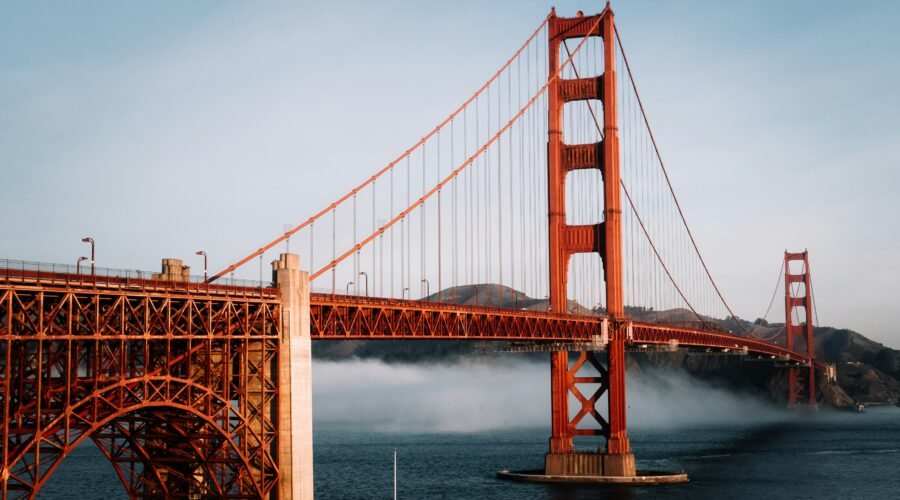
San Francisco is a city of distinct microclimates. What’s sunny and warm in the Mission District might be windy and foggy in Golden Gate Park or chilly by the Golden Gate Bridge. Always dress in layers – it’s not a cliché, it’s a necessity. A t-shirt under a light sweater and a windbreaker or medium-weight jacket is your best bet for most of the year.
1.3 Best Weather Windows
- Late Spring (April-May): This is often a sweet spot. The rain chances are lower, the fog hasn’t fully committed to its summer residency, and temperatures are generally mild and pleasant. You’ll find sunny days and comfortably cool evenings. The blooming flowers in various parks add to the charm.
- Early Fall (September-October): Many locals will tell you this is San Francisco’s true summer. The fog often recedes, leading to clearer skies, warmer temperatures, and less wind. It’s a beautiful time to be in the city, with comfortable days perfect for walking and outdoor activities. Indian summer vibes are real here.
1.4 Avoiding the Wet Season
The rainy season typically runs from November to March. While not constant downpours, you can expect significant rain events. This can dampen outdoor plans, though the city still has plenty to offer indoors. If you don’t mind the rain and enjoy cozy cafes, it can be a more subdued and less crowded experience.
If you’re planning a trip to San Francisco, it’s essential to consider not only the best time to visit but also how to make the most of your experience. For more insights on travel planning, you might find our article on travel tips and guidelines helpful. Check it out here: Travel Tips and Guidelines. This resource provides valuable information that can enhance your journey and help you navigate the city’s unique offerings.
2. Dealing with the Crowds
San Francisco is a global magnet, and with that comes crowds. Understanding visitor patterns can help you plan a more enjoyable trip.
2.1 Peak Tourist Seasons
- Summer (June-August): This is undeniably the busiest time. School holidays mean families flock to the city. Expect long lines for popular attractions like Alcatraz, high demand for restaurants, and crowded public transport. Hotels also command their highest rates.
- Holiday Periods: Thanksgiving, Christmas, and New Year’s bring another surge of visitors, especially if coinciding with school breaks.
- Conferences/Events: San Francisco is a major conference hub. Large tech or medical conventions can cause significant spikes in hotel prices and local congestion, often without much public fanfare. It’s always worth a quick search for major events during your planned dates.
2.2 Shoulder Season Sweet Spots
- Late Spring (April-May): As mentioned, this is a great weather window, and while tourist numbers are rising, they haven’t reached summer highs. You’ll still encounter crowds at major sights, but navigating the city feels a bit easier.
- Early Fall (September-October): Similar to late spring, this period offers excellent weather and slightly fewer crowds than summer. Many European visitors have wrapped up their trips, and American schools are back in session.
2.3 Off-Peak Travel
- Winter (January-March, excluding holidays): This is traditionally the quietest time. You’ll find fewer crowds everywhere, from museums to restaurants. This can be appealing for those who prefer a more laid-back experience and don’t mind potentially wet weather. Hotel rates are also at their lowest.
2.4 Crowd Navigation Strategies
- Book Ahead: For popular attractions like Alcatraz, do this months in advance. Seriously, no exaggeration. Other tours and high-demand restaurants also benefit from early bookings.
- Go Early/Late: Visit popular spots right when they open or closer to closing time to avoid the midday rush.
- Explore Lesser-Known Neighborhoods: While Fisherman’s Wharf will always be packed, areas like the Mission, North Beach (away from the main tourist drag), or Hayes Valley offer different vibes and can feel less crowded.
- Public Transit vs. Ride-Shares: Using Muni (bus, streetcar, cable car) as much as possible for getting around saves you from parking headaches and potentially expensive ride-shares during peak times. However, be prepared for crowded buses and cable cars.
3. The Cost of San Francisco

Let’s be blunt: San Francisco is an expensive city. Budgeting accordingly is crucial to avoid sticker shock.
3.1 Accommodation Expenses
- Hotels: This will likely be your biggest expense. Even budget hotels can be pricey. Expect to pay at least $200-$300+ per night for a decent, centrally located hotel. Luxury options easily top $500+. Prices fluctuate wildly based on season, demand, and events.
- Alternative Stays:
- Airbnb/VRBO: Can sometimes offer better value for longer stays or groups, especially if you’re willing to stay outside the immediate downtown core. However, be aware of strict short-term rental laws in SF, so ensure your booking is legitimate.
- Hostels: A good option for solo travelers or those on a tight budget. Several well-regarded hostels offer dorms and some private rooms.
- “Boutique” vs. Chain: Some smaller, independent hotels can offer better charm and value than sprawling chains, especially if you prioritize character over endless amenities.
3.2 Dining and Food Costs
- Restaurants: Dining out is consistently expensive. A casual lunch can easily be $20-30 per person, and dinner at a mid-range restaurant often starts at $50+ per person without drinks. High-end dining can be astronomical.
- Saving on Food:
- Groceries: Utilize supermarkets (Trader Joe’s, Safeway, Whole Foods) for breakfast, snacks, and picnic lunches. Eating in some meals can significantly cut down costs.
- Food Trucks: Look for gourmet food trucks, especially around parks like Golden Gate Park or at specific markets. They offer delicious, more affordable options.
- Happy Hours: Many restaurants offer appealing happy hour deals on both drinks and appetizers.
- Ethnic Eateries: Explore neighborhoods like the Mission (Taquerias) or Richmond/Sunset (Asian cuisine) for delicious and generally more affordable meals.
3.3 Transportation Around the City
- Muni Pass/Clipper Card: If you plan on using public transit frequently, consider a Muni Passport (1, 3, or 7-day passes) or load a Clipper Card (reloadable pass for various transit systems). This is often more cost-effective than buying individual tickets.
- Walking: Many neighborhoods are very walkable, and it’s often the best way to soak in the city’s atmosphere and discover hidden gems.
- Cable Cars: Iconic, but also pricey. A single ride is currently $8. If you have a Muni pass, it’s included. Prioritize your cable car rides for the experience, but don’t rely on them as your primary mode of transport.
- Ride-Shares (Uber/Lyft): Convenient, but surge pricing can make them very expensive during peak hours, bad weather, or significant events.
- Taxis: Available, but often more expensive than ride-shares.
- Rental Cars: Generally not recommended unless you plan extensive day trips outside the city. Parking is scarce, expensive (often $50-$80+ per night at hotels), and a major headache. The public transit system is robust enough for most tourist needs within the city.
3.4 Attractions and Activities
- Free Activities: San Francisco has many amazing free attractions:
- Walking across the Golden Gate Bridge (partially)
- Exploring Golden Gate Park (Japanese Tea Garden, California Academy of Sciences, and de Young Museum have entrance fees, but the park itself is free)
- Window shopping and people-watching in different neighborhoods
- Visiting Dolores Park for stunning city views
- Exploring Chinatown and North Beach
- Hiking in Land’s End or along the Presidio trails
- Visiting Coit Tower (there’s a fee for the top floor observation deck, but the murals on the ground floor are free)
- Paid Attractions: Research and prioritize. Alcatraz, California Academy of Sciences, Exploratorium, de Young Museum, SFMOMA, Aquarium of the Bay – these all have significant entrance fees. Consider a CityPASS if you plan on visiting several paid attractions, which can offer savings.
4. Packing Essentials for San Francisco

Beyond “layers,” what else should you toss in your suitcase for a comfortable trip?
4.1 Weather-Proofing Your Wardrobe
- Versatile Layers: T-shirts, long-sleeved shirts, a sweater or fleece, and a medium-weight, waterproof/windproof jacket. Even in summer.
- Comfortable Walking Shoes: You’ll be doing a lot of walking, often uphill. Stylish sneakers, supportive flats, or comfortable boots are far more practical than heels or flimsy sandals.
- Scarf: Great for warmth, especially when the wind picks up, and can add a pop of style.
- Beanie/Hat: Helpful for keeping warm when the fog rolls in, particularly near the water.
4.2 Practical Gear
- Reusable Water Bottle: Stay hydrated while exploring, and save money by refilling at public fountains or cafes.
- Small Backpack or Crossbody Bag: For your layers, camera, water bottle, and souvenirs. Keep it secure and close to your body in crowded areas.
- Portable Charger/Power Bank: Your phone will drain quickly with all the navigation, photo taking, and social media sharing.
- Sunscreen and Sunglasses: Even on foggy days, UV rays can penetrate. When the sun is out, it’s strong.
- Small Umbrella (Optional): If visiting during the rainy season, a compact umbrella can be a lifesaver. Your windproof jacket might suffice for light drizzles.
If you’re planning a trip to San Francisco, understanding the best time to visit can greatly enhance your experience. For insights on how to navigate the city’s weather, crowds, and costs, you might find this related article helpful. It provides valuable tips and recommendations to ensure you make the most of your stay. You can read more about it in this comprehensive guide that covers everything from seasonal events to local attractions.
5. Getting Around San Francisco Like a Local
| Month | Weather | Crowds | Costs |
|---|---|---|---|
| January | Cool and rainy | Low | Low |
| April | Mild and sunny | Medium | Medium |
| July | Warm and foggy | High | High |
| October | Mild and sunny | Medium | Medium |
Skip the tourist traps and embrace the city’s unique transport rhythms.
5.1 Mastering Public Transit (Muni)
- Buses and Streetcars (F-Line): The backbone of the system. The historic F-Market & Wharves streetcar is an attraction itself, running from Castro to Fisherman’s Wharf. Learn to use a transit app (like Citymapper or Google Maps) to navigate routes and times effectively.
- Cable Cars: A must-do experience for the novelty, but not the most efficient way to get around quickly. Lines can be long at popular stops (Powell-Mason/Hyde). Consider riding early in the morning or later in the evening, or catching it a stop or two away from the main terminals to bypass some of the queue.
- BART (Bay Area Rapid Transit): Primarily for connecting to the East Bay, SFO Airport, or Oakland Airport. You won’t use it much for within-city travel unless you’re heading to specific outer neighborhoods like the Mission from downtown.
5.2 Walking, Your Best Friend
San Francisco’s hills are legendary, but views from the top are rewarding. Most neighborhoods are best explored on foot. Wear those comfy shoes! Embrace the up-and-down; it’s part of the SF experience.
5.3 Biking the Bay
- Golden Gate Bridge Ride: Renting a bike and riding across the Golden Gate Bridge to Sausalito (and taking the ferry back) is a classic activity. Several rental shops near Fisherman’s Wharf offer this service.
- Golden Gate Park: Biking within the park is a fantastic way to explore its vastness.
- Bike Share Programs: Bay Wheels (powered by Lyft) offers electric and classic bikes for short-term rentals, great for zipping around specific neighborhoods.
5.4 When to Consider Alternatives (Uber/Lyft/Taxi)
- Late at Night: If you’re out late, especially after public transit schedules become sparse.
- Heavy Rain: When you really don’t want to get soaked.
- With Heavy Luggage: Especially to/from the airport or different accommodations.
- Specific Destinations: To reach places that are less accessible by public transit or when time is of the essence.
By understanding the ebb and flow of San Francisco’s weather, crowds, and costs, you’ll be much better equipped to plan an enjoyable and memorable trip. Happy exploring!
FAQs
1. What is the best time to visit San Francisco in terms of weather?
The best time to visit San Francisco in terms of weather is during the fall season, from September to November. During this time, the city experiences mild temperatures and less fog, making it ideal for outdoor activities and sightseeing.
2. When is the peak tourist season in San Francisco?
The peak tourist season in San Francisco is during the summer months, from June to August. During this time, the city experiences an influx of tourists, resulting in crowded attractions and higher accommodation costs.
3. What is the best time to visit San Francisco to avoid crowds?
To avoid crowds, it is best to visit San Francisco during the winter months, from December to February. During this time, tourist numbers are lower, and attractions are less crowded, allowing for a more relaxed and enjoyable experience.
4. When is the most affordable time to visit San Francisco?
The most affordable time to visit San Francisco is during the winter months, from December to February. During this time, accommodation costs are lower, and there are often discounts on attractions and activities.
5. What is the best time to visit San Francisco for outdoor activities?
The best time to visit San Francisco for outdoor activities is during the spring and fall seasons, from March to May and September to November. During these times, the weather is mild, making it perfect for outdoor activities such as hiking, biking, and exploring the city’s parks and gardens.