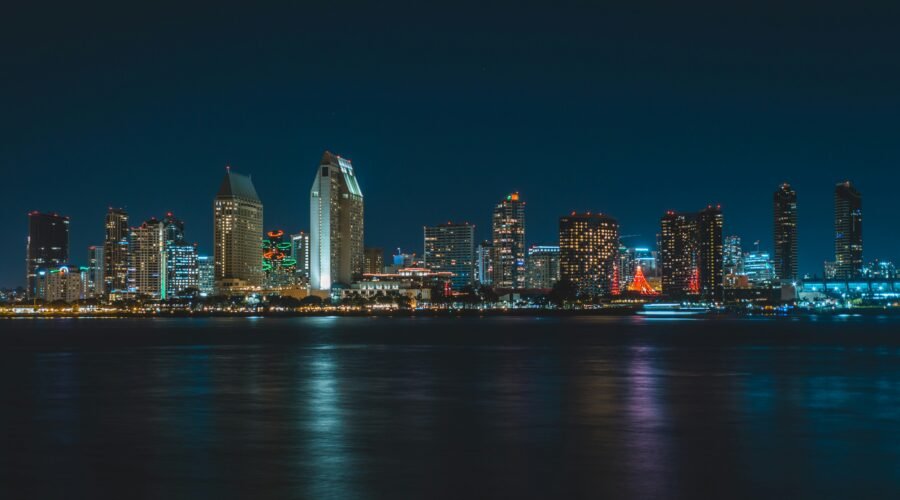
San Diego is pretty great most of the year, but if you’re trying to nail down the best time to visit, it really boils down to balancing pleasant weather with manageable crowds and reasonable prices. Generally, the sweet spot for many people is late spring (April-May) and early fall (September-October). You get near-perfect weather without the peak summer crush or the higher prices that come with it.
1. Understanding San Diego’s Climate: “Perfection” is Relative
San Diego is famous for its mild climate, and it absolutely lives up to the hype. But “mild” doesn’t mean “monotonous.” There are distinct differences throughout the year that can impact your trip.
1.1 The Sunny Default
You’re almost guaranteed sunshine. Seriously. Even on a “cloudy” day, it usually burns off by midday. Rain is rare, mostly confined to short, infrequent bursts in the winter.
1.2 Coastal vs. Inland
Keep in mind that San Diego isn’t just one monolithic climate. Areas right on the coast (think La Jolla, Pacific Beach) are typically cooler and foggier in the mornings, especially in late spring/early summer, than inland areas (like Escondido or farther east). Most tourist attractions are coastal or near-coastal, so that’s what we’ll focus on.
1.3 The Ocean’s Influence
The Pacific Ocean is a huge thermostat. It keeps things from getting too hot in summer and too cold in winter. It also means water temperatures are on the cooler side year-round. Don’t expect Caribbean-warm water, even in August.
If you’re planning a trip to San Diego, California, it’s essential to consider not only the best time to visit but also how to make the most of your experience. For more insights on travel planning, check out this informative article on travel tips and recommendations at Lele Tours. This resource can help you navigate the various aspects of your journey, ensuring you enjoy everything San Diego has to offer while managing your budget and time effectively.
2. Seasonal Breakdown: What to Expect When
Let’s dive into the specifics of each season, looking at the weather, the typical crowds, and what you might pay.
2.1 Spring (March, April, May)
Spring in San Diego is often considered prime time by locals and frequent visitors.
Weather:
- March: Temperatures average in the mid-60s°F (around 18°C). Mornings can be cool, but afternoons are pleasant. Rainfall is low.
- April: Warms up slightly, averaging high 60s°F (around 20°C). Still comfortable with plenty of sunshine. Sea breeze is common.
- May: Low 70s°F (around 22°C). This is when “May Gray” and “June Gloom” start to make their appearance, especially near the coast. You might wake up to overcast skies, but it usually clears by noon or 1 PM for lovely afternoons. Don’t let the “gray” part scare you off; it’s often a thin marine layer that keeps things cool but isn’t truly gloomy.
Crowds:
- March: Spring break for some, so there can be a slight bump, especially around beaches popular with younger crowds, but it’s generally manageable.
- April: Still relatively moderate. Major attractions aren’t slammed, and restaurants are busy but usually seatable.
- May: Pre-summer lull. Crowds are still comfortable, even with the marine layer. It’s an excellent time to visit if you prioritize fewer people and pleasant temperatures.
Costs:
- Flights: Generally good deals can be found, especially outside of actual spring break weeks.
- Accommodation: Hotels are good value, better than summer and often comparable to winter. You’ll find a wider selection of available rooms at reasonable rates.
- Activities: Standard pricing, but fewer lines mean you get more value out of your time.
2.2 Summer (June, July, August)
This is peak season for a reason: it’s summer, and kids are out of school.
Weather:
- June: High 70s°F (around 25°C). “June Gloom” is at its peak. Expect more persistent morning clouds that can sometimes linger until mid-afternoon, particularly closer to the coast. It’s often sunny and clear just a few miles inland.
- July: Warmest month, averaging low 80s°F (around 27°C). The marine layer starts to break earlier in the day, though some mornings can still be stubbornly gray. Water temperatures are at their warmest, but still cool (mid-60s°F / 18-20°C).
- August: Similar to July, often slightly warmer. High 80s°F (around 30°C) are possible, especially inland. More consistent sunshine than June. Humidity can tick up a notch, but it’s rarely uncomfortable.
Crowds:
- June, July, August: This is when San Diego is bustling. Expect significant crowds at all major attractions (Zoo, Balboa Park, beaches), longer waits at popular restaurants, and more traffic, especially on weekends. Reservations are highly recommended for popular dining spots. Parking can be a nightmare.
- Specific Events: Comic-Con in July is a massive event that takes over downtown and impacts hotel prices across the county. The Del Mar Racetrack also operates in summer, drawing crowds.
Costs:
- Flights: Highest prices of the year. Book well in advance.
- Accommodation: Peak pricing. Hotels can be booked solid, and rates are significantly higher. Expect to pay a premium. Vacation rentals also see peak demand and pricing.
- Activities: Standard pricing, but the increased crowds mean you might spend more on things like skip-the-line passes or express options.
2.3 Fall (September, October, November)
Often hailed as the actual best time to visit San Diego. Picture perfect weather, smaller crowds.
Weather:
- September: Often the warmest month for locals because the marine layer is mostly gone, and coastal sun is plentiful. Temperatures often reach the low 80s°F (around 27°C) with consistent sunshine. Ocean water is at its warmest. This is known as “local summer.”
- October: The weather is absolutely ideal. High 70s°F (around 25°C), beautiful clear skies, low humidity. Consistently pleasant, making it perfect for outdoor activities.
- November: Starts to cool down. Low 70s°F (around 22°C). Still very pleasant, but evenings can start to feel a bit chilly. Chance of rain increases slightly towards the end of the month, but it’s usually minimal.
Crowds:
- September: Post-Labor Day means a significant drop-off in family crowds. Things calm down considerably. Still a pleasant buzz, but much more manageable than summer.
- October: Fantastic. Moderate crowds, making it easy to enjoy everything. Restaurants are less packed, attractions are less chaotic.
- November: Pre-holiday lull in the first half of the month. Very manageable crowds. Thanksgiving week will see a brief spike in visitors, but generally, it’s a quiet time.
Costs:
- Flights: Can find excellent deals, especially in October and the first half of November.
- Accommodation: Great value. Rates drop significantly from summer highs. You can often find fantastic hotels at very reasonable prices.
- Activities: Standard pricing, but the lack of crowds means you enjoy them more.
2.4 Winter (December, January, February)
San Diego’s “winter” is a bit of an oxymoron for anyone coming from colder climates.
Weather:
- December: Mid-60s°F (around 18°C). Cooler evenings, bring a jacket. Higher chance of rain, but still usually sporadic. Holiday lights and festivities add to the charm.
- January: Coolest month, averaging low to mid-60s°F (around 17°C). Still plenty of sunshine, but some days can be overcast. Rainfall is at its highest likelihood, but total amounts are low.
- February: Starts to warm up slightly, mid-60s°F (around 18°C). Days are getting longer. Still a chance of rain.
Crowds:
- December: Holiday season sees a surge in visitors, particularly around Christmas and New Year’s. Attractions like Balboa Park’s December Nights are very popular.
- January: Post-holiday dip. This is often the quietest time of year. Attractions are relaxed, and beaches are almost empty.
- February: Still quiet, with a slight bump around Presidents’ Day weekend or Valentine’s Day.
Costs:
- Flights: Can be very affordable, especially in January. Holiday weeks (Christmas/New Year’s) are expensive.
- Accommodation: Generally excellent value outside of holiday peaks. January is often the cheapest month for hotels.
- Activities: Standard pricing, with some seasonal events (e.g., holiday-themed activities in December).
3. Avoiding the Crowds (If That’s Your Priority)
If peace and quiet are paramount, here’s how to strategize.
3.1 Weekdays vs. Weekends
This might seem obvious, but it makes a huge difference. Tuesdays through Thursdays are typically the least crowded days at most attractions and beaches. Weekends, especially during summer, are significantly busier.
3.2 Off-Season Perks
Visiting in late January, February, or early March – barring any major events or holidays – will give you the lowest crowd levels. You sacrifice a bit of warmth, but gain space.
3.3 Early Bird Gets the Worm… and the Parking Spot
Arrive at popular attractions (like the Zoo or SeaWorld) and popular beaches (especially La Jolla Cove) right when they open. You’ll beat the rush and secure better parking.
4. Saving Money (Because Who Doesn’t Want To?)
San Diego can be an expensive city, but timing your visit can make a difference.
4.1 Shoulder Seasons Are Your Friend
April-May and September-October offer a fantastic balance of good weather and lower prices compared to peak summer. You’re getting more for your travel dollar without significant compromises.
4.2 January Deals
As mentioned, January is often the sweet spot for budget travelers. Lower hotel rates, cheaper flights, and fewer people mean your money goes further.
4.3 Look for Non-Coastal Stays
If you have a car, consider staying a bit inland from the immediate coast. Hotels even just a few miles away (e.g., Mission Valley, Old Town) can be significantly cheaper than those right on the beach, and still offer easy freeway access to attractions.
4.4 Pack a Picnic
Eating out in San Diego can add up quickly. Utilize local grocery stores (Trader Joe’s, Ralphs, Vons) for picnic supplies to enjoy at Balboa Park, the beach, or along the harbor.
If you’re planning a trip to San Diego, California, understanding the best time to visit can greatly enhance your experience. Factors like weather, crowds, and costs play a significant role in your travel plans. For more insights on how to make the most of your visit, you might find it helpful to check out this related article that offers tips on navigating the city and its attractions throughout the year.
5. Best Times for Specific Interests
Your primary reason for visiting might dictate the ideal time.
5.1 Beach & Water Activities
- Best: July-September for the “warmest” water and full summer vibe. June can be gray, but the water’s fine for wetsuits.
- Good: May and October for fewer crowds and decent sun, especially in the afternoons.
- Wetsuits: Recommended year-round for extended surfing or snorkeling sessions unless you’re very cold-tolerant.
5.2 Cultural & Balboa Park Exploration
- Best: September-October or April-May. Pleasant weather for walking around, and fewer indoor crowds at museums.
- Good: Winter months (excluding holiday weeks) for sparse crowds.
- Avoid: Summer weekends if you dislike crowds.
5.3 San Diego Zoo & Safari Park
- Best: Shoulder seasons (April-May, September-October). Comfortable temperatures for walking, animals are active, and lines are manageable.
- Good: Early mornings in summer before it gets too hot and crowded.
- Avoid: Midday summer weekends – direct sun, heat, and massive crowds can make it less enjoyable.
5.4 Whale Watching
- Gray Whale Migration (Pacific Gray Whales): Late December to April. Peaks in mid-January to mid-February.
- Blue Whale Watching: June to September. These are incredibly impressive, but sightings are less guaranteed than Gray Whales.
5.5 Festivals & Events
- Spring: Annual Flower Fields in Carlsbad (March-May).
- Summer: Del Mar Racing (July-September), Comic-Con (July), OB Street Fair (June).
- Fall: Fleet Week (October), Cabrillo Festival (September).
- Winter: December Nights in Balboa Park (early December), Port of San Diego Holiday Bowl Parade (late December).
In summary, for that “just right” Goldilocks experience, aim for late spring or early fall. You get beautiful weather, avoid the biggest crowds, and save some money. If budget is your absolute top priority and you don’t mind cooler temps, January is your best bet! Enjoy your trip to San Diego!
FAQs
1. What is the best time to visit San Diego, California in terms of weather?
The best time to visit San Diego, California in terms of weather is during the spring (March to May) and fall (September to November) when the temperatures are mild and the skies are generally clear.
2. When is the peak tourist season in San Diego, California?
The peak tourist season in San Diego, California is during the summer months (June to August) when the weather is warm and schools are on break. This is when the city experiences the highest number of visitors and the most crowded attractions.
3. What is the off-peak season in San Diego, California?
The off-peak season in San Diego, California is during the winter months (December to February) when the weather is cooler and there are fewer tourists. This is a great time to visit if you want to avoid crowds and take advantage of lower hotel rates.
4. When is the best time to visit San Diego, California to avoid high costs?
The best time to visit San Diego, California to avoid high costs is during the shoulder seasons of spring and fall. During these times, you can find lower hotel rates and fewer crowds compared to the peak summer season.
5. What are some popular events and festivals in San Diego, California throughout the year?
Some popular events and festivals in San Diego, California throughout the year include the San Diego County Fair in June, Comic-Con International in July, and the San Diego Bay Wine + Food Festival in November. These events attract visitors from all over and may impact the availability and cost of accommodations.