So, you’re thinking about Aspen? Great choice. It’s one of those places that lives up to the hype, but it’s definitely helpful to go in knowing what you’re getting into, especially when it comes to weather, how busy it gets, and, let’s be honest, what it’s going to cost you. Think of this as your no-nonsense rundown to make planning your trip a whole lot smoother.
The short answer to planning a trip to Aspen is: it really depends on when you go. If you want prime powder and don’t mind the peak season hustle and a higher price tag, winter is your time. For milder weather, fewer crowds, and generally lower costs, consider the shoulder seasons like fall or late spring. Summer offers beautiful scenery and outdoor activities, but again, expect different costs and crowd levels.
Understanding Aspen’s Seasons: More Than Just Snow
Aspen isn’t just a winter wonderland; it’s a destination that morphs beautifully throughout the year. Each season brings its own charm, activities, and, importantly, its own set of crowds and price points. Knowing these nuances is key to setting expectations and booking the right trip for your budget and desired experience.
Winter: The Reign of Snow and Sophistication
This is what Aspen is famous for, and for good reason. The snow is legendary, the skiing is world-class, and the après-ski scene is as vibrant as it gets. But with great snow comes great demand.
Peak Winter: December to March
This is Aspen’s golden ticket. Think fluffy powder days, perfectly groomed runs, and a festive atmosphere. You’ll find excellent skiing and snowboarding across Aspen Mountain, Snowmass, Aspen Highlands, and Buttermilk. It’s also prime time for high-end dining, exclusive events, and a generally glamorous vibe.
Weather: Expect cold temperatures, typically ranging from the 20s to below zero Fahrenheit, especially at night. Snowfall is frequent and can be substantial, leading to prime ski conditions. Days are shorter, with limited daylight hours for outdoor activities.
Crowds: This is the busiest time. Expect packed slopes, especially on weekends and holidays. Lift lines can be long, and the town itself will be buzzing with activity. Booking accommodation and lift tickets well in advance is crucial.
Costs: Prepare for the highest prices of the year. Lift tickets, accommodation, dining, and even flights can reach their peak. If you’re on a tight budget, this is likely not the season for you, unless you can secure deals far in advance or are willing to be flexible with your dates within this window.
Late Winter/Early Spring: The “Shoulder” of Winter
As March rolls in, the days start to get longer, and the sun has more power. While there’s still plenty of snow, the intense cold often eases up a bit.
Weather: Temperatures generally become milder, with highs often in the 30s and 40s Fahrenheit. Snow is still plentiful, and it’s common to have excellent spring skiing conditions, with soft, slushy snow in the afternoon.
Crowds: Crowds begin to thin out after the mid-March break. Weekends can still be busy, but weekdays generally offer a more relaxed experience. You might find slightly better availability for lodging and dining.
Costs: Prices tend to decrease slightly compared to the peak holiday weeks, but Aspen remains an expensive destination. You might see some early spring deals emerge, but don’t expect drastic drops just yet.
Spring: The Melt and the Thaw
Aspen in spring is a different beast entirely. It’s a transition period where the snow recedes, and the green starts to emerge.
True Spring: April to May
This is when Aspen truly sheds its winter coat. The ski resorts begin their closing procedures, and the focus shifts away from snow sports.
Weather: This is a highly variable time. Early April can still have excellent skiing days, but by late April and May, much of the snow at lower elevations will be gone. Temperatures are warming up significantly, with highs in the 50s and 60s Fahrenheit becoming common. Mud can be an issue at times.
Crowds: This is generally the quietest period. The ski season is over, and summer hasn’t quite kicked into gear. You’ll find very few tourists, making it a peaceful time to visit if you’re looking for solitude.
Costs: This is one of the most budget-friendly times to visit Aspen. Accommodation prices drop considerably, and you might find deals on flights and other services. It’s a great opportunity to experience Aspen without the hefty price tag, provided you’re okay with the limited activities.
Summer: Emerald Peaks and Outdoor Adventures
When the snow melts, Aspen transforms into a vibrant green paradise, perfect for hikers, bikers, and anyone who loves the mountains in their summer glory.
Peak Summer: June to August
The summer months are a beautiful time to be in Aspen. The wildflowers are in bloom, the hiking trails are open, and the Aspen Music Festival is in full swing, drawing a sophisticated crowd.
Weather: Pleasant and generally sunny. Daytime temperatures typically range from the 70s to 80s Fahrenheit, with cooler evenings. Thunderstorms can occur, often in the afternoon, so it’s wise to plan outdoor activities accordingly.
Crowds: Summer is a popular time for outdoor enthusiasts and festival-goers. While not as overwhelmingly crowded as peak winter, expect significant numbers of visitors, especially during July and August. Popular trailheads and attractions can get busy.
Costs: Summer is considered a high season, though typically not quite as expensive as peak winter. Accommodation prices are higher than in the shoulder seasons, and you’ll want to book in advance, especially if you plan to attend specific events like the music festival.
Late Summer/Early Fall: The Golden Hues
As summer winds down, Aspen undergoes another beautiful transformation, with the aspens turning their iconic golden color.
Weather: Temperatures start to cool, but it’s generally still very pleasant. Daytime highs are often in the 60s and 70s Fahrenheit. Evenings can be crisp. The risk of afternoon thunderstorms decreases.
Crowds: Crowds start to dissipate after Labor Day. The fall foliage season, typically mid-September to early October, can bring a surge of visitors who come specifically for the spectacle.
Costs: Prices tend to drop from their summer peak as school starts and families return home. The fall foliage season can see a slight uptick, but generally, this is a more budget-friendly time than peak summer or winter.
Fall: The Golden Season
This is perhaps Aspen’s most visually dramatic season, with the entire landscape ablaze in gold.
Fall Foliage Peak: Mid-September to Early October
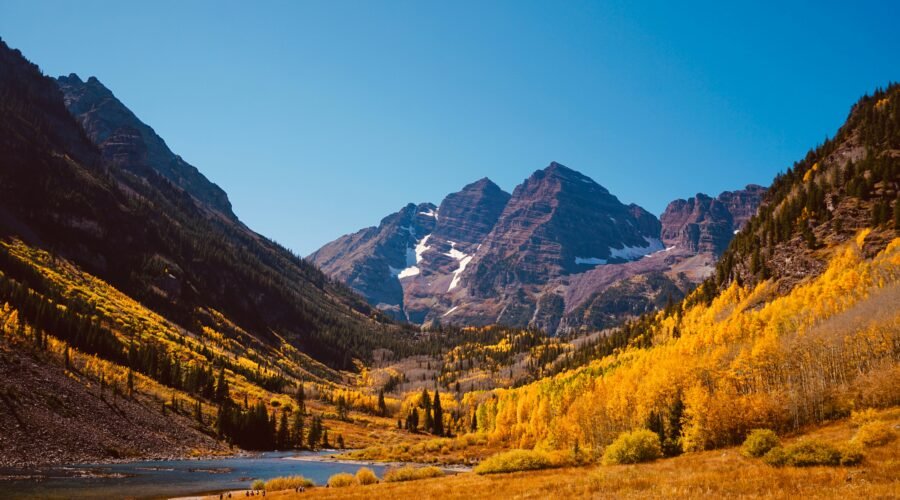
This is the time when the aspen trees transform into a breathtaking spectacle of gold and yellow. It’s a popular time for photographers and nature lovers.
Weather: Crisp and cool. Daytime temperatures are usually in the 50s and 60s Fahrenheit, with nights dropping into the 30s and 40s. Frost is possible.
Crowds: While not as busy as peak winter ski season, the fall foliage period can attract a significant number of visitors. Expect more people on hiking trails and in town compared to late spring.
Costs: Prices generally fall into the moderate range. Accommodation might be slightly more expensive during the peak foliage weeks, but overall, it’s a more affordable time to visit than the prime winter or summer months.
If you’re planning a trip to Aspen, Colorado, it’s essential to consider not only the best time to visit but also how to make the most of your experience. For more insights on travel planning, you might find our article on the “Best Activities in Aspen Throughout the Year” helpful. This guide provides a comprehensive overview of seasonal attractions and events that can enhance your visit. Check it out here: Best Activities in Aspen Throughout the Year.
Navigating Aspen’s Altitude and Weather Quirks
Aspen sits at a significant altitude, and this plays a big role in both the weather and how you feel. It’s not just about the temperature; it’s about how that temperature feels and the effects of being high up.
Altitude Acclimatization: Take it Easy
Aspen is located at about 8,000 feet above sea level. This means you’ll need to give your body some time to adjust.
Weather Impact: Cold air is thinner, which can make it feel colder than the actual temperature. Even on a sunny day, the UV rays are stronger at altitude, so sunscreen and sunglasses are non-negotiable, even in winter.
Health Advice: Drink plenty of water, avoid excessive alcohol and caffeine for the first day or two, and take it easy on strenuous activities. Symptoms of altitude sickness can include headaches, nausea, and fatigue. Most people adjust within a day or two.
Mountain Weather: Be Prepared for Anything
Mountain weather is notoriously unpredictable. Even if the forecast looks clear, things can change rapidly.
Layering is Key: This is the mantra for Aspen. For winter, think base layers, insulating mid-layers (fleece or down), and a waterproof/windproof outer shell. For summer, bring layers for cooler mornings and evenings, and something to protect you from afternoon sun or a sudden shower.
Extreme Conditions: Be aware of sudden storms, especially in winter, which can bring whiteout conditions. In summer, thunderstorms can roll in quickly and pose a lightning risk, so always check the forecast and be prepared to head indoors.
Understanding Aspen’s Crowd Dynamics
Knowing when Aspen is buzzing and when it’s quiet will dramatically influence your experience and your budget.
Winter Peak: The Holiday Rush and Ski Season Mania
If you’re aiming for the best snow and don’t mind company, winter is your game.
Key Dates to Note:
- Christmas and New Year’s: This is the absolute peak of the peak. Everything is expensive and crowded. Book months in advance.
- MLK Jr. Day Weekend: A very busy weekend, often with significant snow.
- Presidents’ Day Weekend: Another major holiday weekend with high demand.
- Spring Break Weeks (Mid-March): These can still be very busy as families pack in the last of the ski season.
What to Expect: Long lift lines, crowded restaurants, and a lively, sometimes frantic, atmosphere. Many visitors are here for the skiing and the high-end après-ski scene.
Shoulder Seasons: The Sweet Spot
These are the times in between the major rushes, offering a more relaxed vibe and potentially better value.
Late Spring (April-May): The quietest time. Most outdoor activities are limited to lower elevations or require some flexibility. It’s peaceful and very affordable.
Early Fall (September-Early October): Before the big ski crowds descend, and after most summer vacationers have left. The fall foliage is a draw, but generally, it’s less hectic than peak summer.
Summer Buzz: Festival Season and Outdoor Enthusiasts
Summer brings a different kind of crowd, drawn by nature and culture.
Aspen Music Festival: This world-renowned festival runs for several weeks in July and August and attracts a dedicated audience, boosting lodging demand and ticket prices for events.
Outdoor Recreation: Hikers, bikers, and families enjoy the cooler mountain air and scenic beauty. Expect trailheads and some popular viewpoints to be busy during peak summer weekends.
Decoding Aspen’s Cost Structure: Beyond the Lift Ticket
Aspen has a reputation for being expensive, and it’s true, but understanding where the costs lie can help you strategize.
Accommodation: The Biggest Leaper
Where you lay your head will likely be your biggest expense.
Peak Winter: Expect to pay $500-$1000+ per night for a decent hotel or condo. Luxury resorts can easily go into the thousands. The closer you are to the mountains or town, the higher the price.
Summer: Similar to late winter or early spring rates, but can climb during the Music Festival. Expect $300-$700+ per night.
Shoulder Seasons: This is where you can find deals. Late spring and early fall can see rates drop significantly, potentially $200-$400 per night for comparable accommodations.
Alternatives: Consider vacation rentals (VRBO, Airbnb) outside the immediate core of Aspen, or looking at lodging in nearby towns like Snowmass Village (which is often a bit more affordable) or Basalt.
Skiing and Snowboarding: The Mountain Access Fee
Lift tickets are a major component of a winter trip.
Traditional Passes: A single-day lift ticket in Aspen can range from $200-$300+, depending on the day and if you buy in advance.
Multi-Day Passes/Ikon Pass: If you plan on skiing multiple days, look into multi-day tickets or consider an Ikon Pass if you ski at other resorts on that pass. These can offer savings per day.
Season Pass Holders: Locals and frequent visitors often have season passes, which is a significant upfront cost but makes individual days much cheaper.
Dining and Entertainment: From Casual to Caviar
Aspen offers a wide spectrum of dining options.
High-End Dining: Expect to pay $100-$200+ per person for a nice dinner with drinks at a top restaurant. Reservations are essential during busy periods.
Mid-Range and Casual: You can find good meals in the $30-$70 per person range, but even these can add up quickly. Think pizza, burgers, or pub fare.
Groceries and Cooking: If your accommodation has a kitchen, stocking up at the local grocery store and preparing some of your own meals can significantly cut down on costs.
Free Activities: Don’t forget about free or low-cost activities like hiking, exploring the town, and enjoying the natural beauty.
If you’re planning a trip to Aspen, Colorado, understanding the best time to visit can greatly enhance your experience. For more insights on how to choose the perfect time based on weather, crowds, and costs, you might find this related article helpful. It offers valuable tips and recommendations that can help you make the most of your stay. To explore more about the review process behind travel recommendations, check out this informative piece on how we review products.
Practical Tips for a Smoother Aspen Trip
Beyond the big three of weather, crowds, and cost, a few practical details can make your visit much more enjoyable.
Transportation: Getting Around and Getting There
Aspen is somewhat remote, so planning your transport is important.
Getting to Aspen: The closest major airport is Denver International Airport (DEN), about a 3.5-4 hour drive. Aspen/Pitkin County Airport (ASE) is right in town, but flights are often more expensive and weather-dependent. Eagle County Regional Airport (EGE) is another option, about 1.5 hours away.
In Aspen: If you’re staying in Aspen town, you can walk almost everywhere. The free RFTA bus system is excellent for getting to and from the four ski mountains and around the valley. Parking in Aspen can be expensive and limited, so consider relying on public transportation once you’ve arrived. Renting a car might be necessary if you’re staying further out or plan extensive exploration of the surrounding areas, but be prepared for parking challenges and costs.
Booking and Planning: The Earlier, The Better
Aspen is a popular destination, so jumping on reservations is key.
Accommodation: Book accommodation at least 6-12 months in advance for peak winter, especially if you want specific dates or types of lodging. Summer and fall foliage also require booking several months out.
Flights: Similar to accommodation, booking flights as early as possible will generally secure better prices.
Lift Tickets: You can often save money by purchasing lift tickets online in advance.
Restaurant Reservations: For popular restaurants, especially during peak seasons, make reservations weeks or even months in advance.
What to Pack: Beyond the Ski Gear
Even if you’re not skiing, Aspen requires thoughtful packing.
Clothing: Think layers! Even in summer, evenings can be cool. For winter, waterproof outerwear, thermal base layers, warm hats, gloves, and insulated, waterproof boots are essential. For summer, hiking shoes, comfortable clothing for exploring, and a rain jacket are a good idea.
Sun Protection: High altitude means intense sun. Sunscreen (SPF 30+), lip balm with SPF, and sunglasses are crucial year-round. A wide-brimmed hat is also useful.
Other Essentials: Reusable water bottles (staying hydrated is key at altitude), a portable phone charger, and any personal medications.
By considering these factors – the distinct seasons, the altitude’s influence, the ebb and flow of crowds, and the cost breakdown – you can craft an Aspen trip that perfectly suits your desires and your wallet. It’s a place that offers incredible experiences, and a little planning goes a long way to making it truly unforgettable.
FAQs
1. What is the best time to visit Aspen, Colorado for ideal weather?
The best time to visit Aspen for ideal weather is during the summer months, from June to August, when the temperatures are mild and the skies are generally clear.
2. When is the peak tourist season in Aspen, Colorado?
The peak tourist season in Aspen, Colorado is during the winter months, from December to February, when the ski resorts are in full swing and the town is bustling with visitors.
3. What is the off-peak season in Aspen, Colorado?
The off-peak season in Aspen, Colorado is during the spring and fall months, from March to May and September to November, when the crowds are thinner and the prices for accommodations and activities are generally lower.
4. When is the best time to visit Aspen, Colorado to avoid crowds?
To avoid crowds, it is best to visit Aspen during the off-peak seasons of spring and fall, when the town is quieter and the attractions are less crowded.
5. What is the cost of visiting Aspen, Colorado during the peak tourist season?
Visiting Aspen during the peak tourist season can be more expensive, with higher prices for accommodations, lift tickets, and other activities. It is advisable to book in advance and be prepared for higher costs during this time.