

Thinking about a trip to Kilis, Turkey, and wondering when to pack your bags? It really depends on what you’re looking for. If you want pleasant weather for exploring, spring and autumn are your best bets. For budget travelers, the shoulder seasons often mean better deals. And if you don’t mind a bit of heat and don’t want to fight the crowds, the summer months could work. Let’s break down the weather, crowds, and costs so you can pick the perfect time for your Kilis adventure.
Kilis sits in southeastern Turkey, and its climate is pretty characteristic of the wider southeastern Anatolian region. This means you can expect a continental influence, with distinct hot summers and cooler winters. There’s not a huge amount of rainfall, and humidity levels are generally reasonable, which is good news for anyone who finds super sticky weather a bit much. Knowing the general climate trends will help you narrow down your ideal visit window significantly.
Summer Heat: June to August
Summers in Kilis are, frankly, hot. Temperatures regularly climb into the high 30s Celsius (that’s over 100 Fahrenheit), and sometimes even push towards 40°C (104°F). You’ll find yourself seeking shade and air conditioning during the day. While it’s great for those who love intense heat and want to make the most of long daylight hours, it can make sightseeing a bit challenging. Hydration is absolutely key if you’re visiting during these months.
Mild Springs: March to May
Spring is usually a fantastic time to visit Kilis. The weather starts to warm up gently, and by April and May, you’re generally looking at pleasant daytime temperatures in the low to mid-20s Celsius (around 70-77°F). This is ideal for comfortable strolling around the city, visiting historical sites without feeling like you’re melting, and enjoying outdoor cafes. You might encounter a bit of spring rain early in the season, but it’s usually not persistent.
Beautiful Autumns: September to November
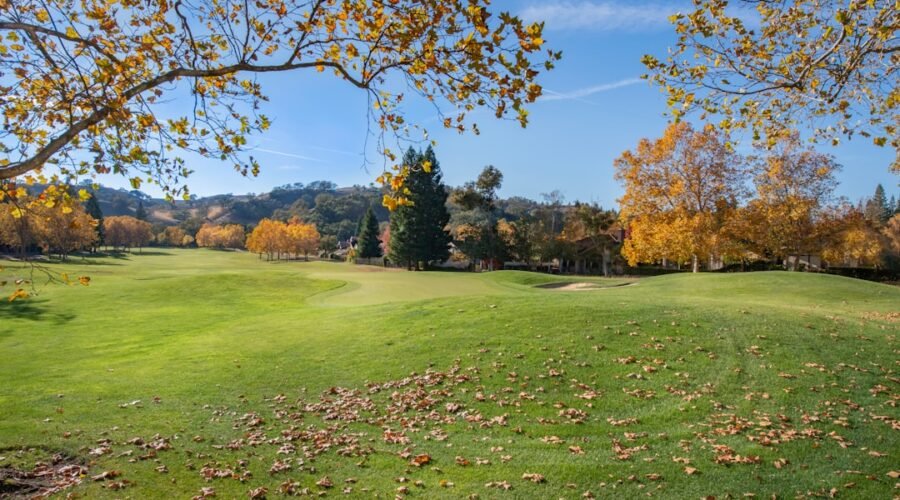
Much like spring, autumn offers some of the best weather for Kilis. September and October are particularly delightful, with warm, sunny days and cooler evenings. Temperatures in the low to mid-20s Celsius are common, making it perfect for exploration. As November approaches, there’s a noticeable drop in temperature, and you’ll start to feel the chill creeping in, especially as evenings draw in. This period also tends to see fewer crowds than the peak summer.
Cooler Winters: December to February
Winters in Kilis are noticeably cooler, and you can expect temperatures to hover around single digits Celsius (40s Fahrenheit), with frost not uncommon, especially at night. While it doesn’t get extreme like some other parts of Turkey, it’s certainly not beach weather. You might even see some snow, though it’s not a regular occurrence and rarely stays for long. If visiting in winter, pack warm layers, and be aware that some outdoor activities might be less appealing.
Navigating Kilis’s Crowds
When you’re planning a trip, figuring out when other people are likely to be there can make a big difference to your experience. Do you prefer a lively atmosphere with plenty going on, or a more peaceful, unhurried exploration? Kilis isn’t typically a massive tourist hotspot in the same way as Istanbul or Cappadocia, but there are still periods where the city sees more visitors.
Peak Tourist Season (Summer: July and August)
As you might expect, the hottest months of July and August also tend to be when Kilis sees its highest numbers of visitors. This is often due to people taking their main summer holidays. While Kilis might not be absolutely overrun compared to major international destinations, you will notice more people around, especially at popular spots.Accommodation might be a bit harder to come by and potentially more expensive.
Shoulder Seasons (Spring: April-May, Autumn: September-October)
These are generally considered the sweet spots for crowd levels. You get the benefit of good weather without the intense heat of summer, and importantly, without the peak season crowds. You’ll find it easier to move around, get tables at restaurants, and generally have a more relaxed experience. This is also when many locals might be out and about, enjoying the pleasant weather themselves, creating a nice, vibrant, but not overwhelming, atmosphere.
Off-Season (Winter: November-March, excluding holidays)
The winter months, especially excluding any public holidays or festive periods, are typically the quietest in Kilis. If you’re looking for a truly tranquil experience, this could be the time for you. You’ll likely encounter very few other tourists, allowing for a very personal engagement with the city and its culture. However, as mentioned, the weather is cooler, which might impact some of your planned activities.
Considering Kilis’s Costs
Money is always a factor, isn’t it? When you visit a place can significantly impact your budget, from flight prices to how much you’ll spend on accommodation and even everyday essentials. Understanding the cost implications of different seasons for Kilis can help you plan a trip that fits your wallet.
Peak Season Pricing (Summer: July-August)
During the summer months, you can expect prices for flights and accommodation to be at their highest. This is directly related to the increased demand from holidaymakers. While Kilis might not have the extreme price hikes seen in some major tourist hubs, you’ll still notice a difference compared to other times of the year. Restaurants and local services might also see a slight increase in their prices due to higher demand.
Mid-Range Costs (Shoulder Seasons: April-May, September-October)
The shoulder seasons often present a good balance between weather and cost. You’ll generally find more reasonable prices for flights and hotels compared to the summer peaks. This is a great time to snag deals if you book in advance. Day-to-day expenses like food and local transport tend to remain fairly stable, making it a cost-effective period for a longer stay.
Budget-Friendly Travel (Off-Season: November-March, excluding holidays)
For the absolute best deals on flights and accommodation, winter is your time to shine. Hotels often offer significant discounts to attract visitors during the slower months. While some attractions might have slightly reduced opening hours due to the season, if your main concern is budget, this is undeniably the most economical period to visit Kilis. Be mindful of potential price increases around Christmas and New Year if you’re considering a visit during that specific winter window.
Special Considerations for Your Visit
Beyond the general weather, crowd, and cost patterns, there are a few other things that might influence your decision about when to visit Kilis. These are the nuances that can make your trip truly memorable or, conversely, something you might wish you’d planned differently.
Local Festivals and Events
Kilis, like much of Turkey, has its own calendar of local festivals and religious holidays. While Kilis might not host massive international events, local cultural celebrations can offer a unique glimpse into the region’s traditions. For instance, religious holidays like Eid al-Fitr and Eid al-Adha can mean cities are busier as people travel to be with family, and some businesses might close. Knowing these dates in advance is crucial. You might want to plan your visit to coincide with a local festival for a more immersive experience, or avoid them if you prefer a quieter time. Researching specific dates for local harvest festivals or cultural events closer to your planned travel time is highly recommended.
Agricultural Cycles and Local Life
While not a direct tourist consideration, understanding the agricultural cycles of the region can subtly influence your trip. Kilis is known for its agriculture, including olives and grapes. If you’re interested in seeing the harvest in action, you might aim for autumn. Conversely, during peak summer, outdoor agricultural work will be intense under the heat, which might affect the appearance of the rural landscape and the availability of certain local produce at markets. This is more of a background detail, but it adds depth to understanding the rhythm of the place.
Day Trip Potential
If you are planning to take day trips from Kilis to surrounding areas or vice-versa, the weather becomes a much more significant factor. For example, extended periods of rain in spring or autumn could make hiking or exploring rural historical sites less enjoyable. Conversely, driving long distances in summer heat might be more arduous. Consider what kind of day trips you envision and how the weather might impact those specific activities.
Putting It All Together: Your Ideal Kilis Timing
| Month | Weather | Crowds | Costs |
|---|---|---|---|
| April – May | Pleasant temperatures, little rainfall | Low to moderate | Moderate |
| June – August | Hot and dry | High | High |
| September – October | Mild temperatures, little rainfall | Low to moderate | Moderate |
| November – March | Cool temperatures, some rainfall | Low | Low |
So, after considering all the factors – the weather, the number of people, the prices, and those extra little bits – how do you pinpoint the absolute best time for you to visit Kilis? It’s not a one-size-fits-all answer, and that’s the beauty of travel planning.
The “Perfect Blend” Traveler (Spring & Autumn)
If you’re seeking that sweet spot where pleasant weather meets manageable crowds and reasonable costs, then the spring (April-May) and autumn (September-October) are almost certainly your winning ticket. These months offer the most comfortable temperatures for sightseeing, exploring markets, and enjoying local cuisine outdoors without the discomfort of extreme heat or the limitations of winter cold. You’ll likely find good accommodation deals if you book a bit ahead, and the general atmosphere in the city will be relaxed yet alive. This is the time for worry-free exploration and truly soaking in the Kilis experience.
The “Heat Seeker” or “No Crowds, No Problem” Traveler (Summer or Winter)
If you thrive in intense heat and don’t mind the possibility of higher prices and more people, then the summer (July-August) might appeal. You’ll have the longest daylight hours to explore, and the energy of the season can be infectious. On the flip side, if your priority is absolute tranquility and the best possible prices, and you don’t mind bundling up, then the winter (November-March, excluding holidays) is your domain. You’ll have a more intimate experience with the city, and your budget will thank you. Just be prepared for cooler temperatures and potentially shorter daylight hours.
The “Budget Explorer” (Late Autumn & Early Spring)
For those who want to stretch their travel funds as far as possible, looking at the transition periods within the shoulder seasons can be very smart. For example, late October into November, or early March before the full bloom of spring, can offer some of the best value on accommodation and flights. The weather might be a bit more unpredictable during these times – you could get beautiful crisp days or the occasional rainy spell – but if budget is your primary driver, these months often represent a great compromise between cost and a still-enjoyable visiting experience. You’ll still avoid the peak summer rush.
Ultimately, the best time to visit Kilis is the time that aligns with your personal priorities and travel style. By weighing the weather, crowd levels, and costs, you can make an informed decision that sets you up for a fantastic trip to this fascinating corner of Turkey.
FAQs
1. What is the best time to visit Kilis, Turkey in terms of weather?
The best time to visit Kilis, Turkey is during the spring (April to June) and the fall (September to November) when the weather is mild and pleasant. Summers can be hot and dry, while winters can be cold and rainy.
2. When is the peak tourist season in Kilis, Turkey?
The peak tourist season in Kilis, Turkey is during the summer months of July and August when the weather is hot and dry. This is when the city experiences the highest number of tourists and the most crowded conditions.
3. When is the off-peak tourist season in Kilis, Turkey?
The off-peak tourist season in Kilis, Turkey is during the winter months of December to February when the weather is cold and rainy. This is when the city experiences fewer tourists and lower crowds.
4. What are the costs like during the peak tourist season in Kilis, Turkey?
During the peak tourist season in Kilis, Turkey, costs for accommodations, tours, and activities are generally higher due to the high demand. It is advisable to book in advance and expect higher prices during this time.
5. When is the best time to visit Kilis, Turkey to avoid crowds and high costs?
The best time to visit Kilis, Turkey to avoid crowds and high costs is during the shoulder seasons of spring (April to June) and fall (September to November). During these times, the weather is still pleasant, and there are fewer tourists, resulting in lower costs for accommodations and activities.
[…] you are comparing seasonal travel patterns in other destinations, you can also read our best time to visit Kilis, Turkey […]