Bowling Green, Kentucky, is often a pleasant surprise for visitors. If you’re wondering what to expect from a trip there, let’s break it down: expect four distinct seasons, crowds that are generally manageable outside of key university events, and costs that are quite friendly to your wallet compared to larger cities.
Kentucky, as a whole, experiences a humid subtropical climate, and Bowling Green is no exception. This means you’ll see a good range of temperatures throughout the year.
1.1 Spring (March, April, May)
Spring in Bowling Green is usually a lovely time to visit.
- Temperatures: Expect average highs to climb from the low 50s°F (around 10-12°C) in March to the high 70s°F (around 24-26°C) by late May. Nights are cool, especially in early spring, often dipping into the 30s-40s°F (4-9°C).
- Rainfall: This is one of the wetter seasons. You should be prepared for moderate rainfall, with occasional thunderstorms. Average monthly rainfall is in the 4-5 inch range.
- What to Pack: Layers are your best friend. A light jacket or sweater for evenings, comfortable shirts, and perhaps a lightweight waterproof outer layer are advisable.
- Things to Consider: Allergy sufferers beware – pollen can be high as everything blooms. The weather can be a bit unpredictable, so check the forecast closer to your travel dates.
1.2 Summer (June, July, August)
Summers in Bowling Green are warm and humid.
- Temperatures: Average highs are consistently in the upper 80s°F (around 30-32°C), frequently pushing into the low 90s°F (32-35°C). The humidity can make it feel even warmer. Nights remain warm, usually in the high 60s°F to low 70s°F (18-23°C).
- Rainfall: While summer isn’t necessarily the wettest, you’ll encounter pop-up thunderstorms, especially in the afternoons. These are usually short-lived but can be intense.
- What to Pack: Light, breathable clothing is a must. Shorts, t-shirts, sundresses, and good walking shoes are essential. Don’t forget sunscreen and a hat.
- Things to Consider: Hydration is key. If you’re sensitive to heat and humidity, plan indoor activities during the hottest parts of the day. Many local attractions have air conditioning.
1.3 Fall (September, October, November)
Fall is arguably the most popular time to visit Bowling Green for many, and for good reason.
- Temperatures: This is when the weather really shines. September starts warm, similar to summer, but temperatures steadily drop. October is often perfect, with highs in the 60s-70s°F (15-24°C) and crisp nights in the 40s-50s°F (4-15°C). By November, it’s getting cooler, with highs in the 50s°F (10-15°C).
- Rainfall: Typically, fall sees less rainfall than spring and summer, making for more reliably pleasant outdoor exploring.
- What to Pack: Layers again! You might start your day in a light sweater and end up in a t-shirt, or vice-versa. A medium-weight jacket will be useful, especially in October and November.
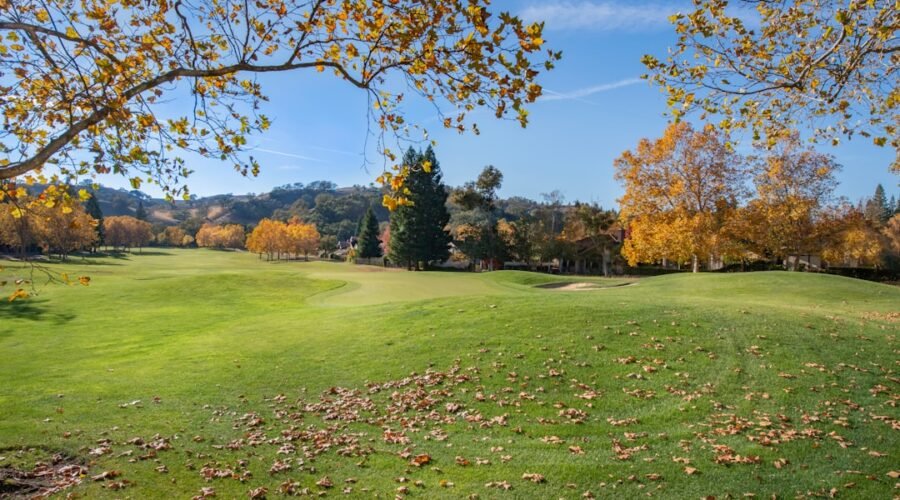
- Things to Consider: Fall colors can be quite beautiful, particularly in October. This is a great time for outdoor activities like hiking or exploring the nearby Mammoth Cave National Park. Events like Homecoming at Western Kentucky University (WKU) can affect hotel availability.
1.4 Winter (December, January, February)
Winters in Bowling Green are generally mild but can have cold snaps.
- Temperatures: Average highs are in the 40s°F (4-9°C), with average lows often around freezing or slightly below (28-32°F, -2 to 0°C). Freezing rain or snow is possible, but usually not extended.
- Rainfall: Winter can be damp, with a mix of rain and occasional sleet or snow. Major snowfalls are uncommon but do happen.
- What to Pack: Warm clothing is essential. A winter coat, sweaters, long pants, a hat, and gloves are advisable. Waterproof boots can be handy if there’s any precipitation.
- Things to Consider: If you’re driving, keep an eye on weather forecasts for any potential icy conditions, especially on less-traveled roads. While some outdoor activities might be limited, many indoor attractions remain open and less crowded.
If you’re planning a trip to Bowling Green, Kentucky, understanding the best time to visit can enhance your experience significantly. For a deeper dive into travel tips and insights, you might find the article on travel planning helpful. It discusses various factors that can affect your journey, including weather patterns, crowd levels, and cost considerations. You can read more about it in this related article.
2. Understanding Crowd Levels
Bowling Green isn’t a massive tourist hub, so “crowded” here means something different than in, say, Orlando or New York City. Generally, you’ll find a relaxed atmosphere.
2.1 Peak Season (Fall and Late Spring)
These times tend to see the highest visitor numbers.
- What to Expect:
- Fall (especially October): Mild weather and fall foliage draw visitors, and events like WKU’s Homecoming or major sporting events bring in alumni and fans. Accommodation can get tighter, especially on prime weekends. Attractions like Mammoth Cave National Park can have longer lines for tours, and popular restaurants might have short waits.
- Late Spring (April/May): Pleasant weather for outdoor activities. School trips often visit local attractions like the National Corvette Museum and Mammoth Cave. Graduation at WKU also brings a large influx of families.
- Managing Crowds: Book accommodations and any highly sought-after tours (like specific ones at Mammoth Cave) in advance. Consider visiting attractions first thing in the morning or later in the afternoon to avoid peak times. Weekdays are generally quieter than weekends.
2.2 Shoulder Seasons (Early Spring, Early Summer, Late Fall)
These times offer a good balance of decent weather and fewer crowds.
- What to Expect:
- March: Still a bit cool, but outdoor attractions are opening up, and you’ll beat the spring break rush from other areas.
- June: Before the full heat and before many families take their main summer vacations.
- November (post-Thanksgiving, pre-Christmas): Cooler, but the early holiday decorations might be up, and you’ll find a quieter atmosphere before the festive season truly kicks in.
- Benefits: You’ll likely find easier parking, shorter waits at restaurants, and more flexibility with activities.
2.3 Off-Peak Season (Winter and Mid-Summer)
These periods generally see the fewest tourists.
- What to Expect:
- Winter (December-February, excluding Christmas/New Year’s): Fewer visitors means you’ll often have attractions almost to yourself. It’s a great time for museum visits or cozy meals.
- Mid-Summer (July – early August): Despite the heat, this can be a slower period for general tourism, as many locals are vacationing elsewhere. However, beware of specific summer events or festivals that can draw crowds.
- Benefits: Best prices on accommodations, very short to no waits anywhere, and a more intimate experience with local culture.
3. Estimating Your Trip Costs
Bowling Green is known for being a relatively affordable destination, especially when compared to larger metropolitan areas. Your biggest variables will be your choice of accommodation and dining style.
3.1 Accommodation
This is often one of the largest expenses.
- Budget-Friendly ($60-$90/night): You can find several reputable chain hotels (e.g., Quality Inn, Super 8, Days Inn) offering clean rooms with basic amenities. Look for places just off the interstate exits.
- Mid-Range ($90-$150/night): This category includes brands like Hampton Inn, Holiday Inn Express, Fairfield Inn & Suites, and Comfort Inn. These usually offer complimentary breakfast, pools, and fitness centers. You’ll find a good selection near the Corvette Museum and the commercial areas.
- Higher-End ($150-$250+/night): Options like the Hyatt Place or some of the newer Marriott properties offer more amenities, larger rooms, and often better locations. Boutique inns or unique Airbnb finds might fall into this range depending on the property.
- Tips: Book in advance, especially during peak season or WKU event weekends. Consider Airbnbs or VRBOs for longer stays or if you prefer a more home-like feel, which can sometimes be more cost-effective for families.
3.2 Food & Dining
Bowling Green offers a good range of dining options.
- Budget (Under $15/meal/person): Fast food is readily available. You’ll also find several local diners, pizza places, and casual eateries that offer filling meals for under $15. Consider packing lunches if you’re on a tight budget, especially for trips to Mammoth Cave.
- Mid-Range ($15-$30/meal/person): A large portion of Bowling Green’s restaurants fall into this category. You’ll find varied cuisines – American comfort food, Mexican, Italian, Asian, and more. Many downtown restaurants like Spencer’s Coffee have excellent lunch options in this range, and numerous chain restaurants also fit.
- Higher-End ($30-$50+/meal/person): For a more upscale dining experience, places like Lost River Pizza Co. (for a premium pizza experience), Gerard’s 1907 Tavern, or local steakhouses would be in this range. These are great for a special night out.
- Tips: Look for lunch specials. Many restaurants offer great deals during lunchtime. Don’t forget local breweries and distilleries often have food trucks or small menus that are reasonably priced. Tipping is customary in the US (15-20% for good service).
3.3 Transportation
Getting around Bowling Green is straightforward.
- Car Rental: If flying into a larger airport (Nashville is the closest major hub), a rental car is highly recommended for exploring Bowling Green and the surrounding areas (like Mammoth Cave). Prices vary widely but budget around $40-$80/day.
- Personal Vehicle: If you’re driving your own car, factor in gas costs. Parking in Bowling Green is generally easy and often free, especially outside the immediate downtown core. Downtown parking has meters or small lots, but finding a spot is rarely an issue.
- Ride-Sharing/Taxis: Uber and Lyft are available, but depend on driver availability. Taxis are present but less common than in larger cities. These are viable for getting around town for specific outings, but not for broader exploration.
- Public Transit: Bowling Green does have a public bus system (GO bg Transit), but its routes and frequency might not be suitable for general tourist use for hitting multiple attractions efficiently.
3.4 Activities & Attractions
Bowling Green offers a mix of free and paid attractions.
- Free/Low Cost:
- WKU Campus: Stroll around the beautiful campus, enjoy the architecture, or visit the Kentucky Museum (often free or low cost).
- Riverwalk Park: Great for a walk along the Barren River.
- Downtown exploration: Window shopping, historical markers.
- Shanty Hollow Lake: Good for hiking (check conditions).
- Mid-Range ($10-$30/person):
- National Corvette Museum: A must-see for car enthusiasts.
- Historic Railpark & Train Museum: Explore vintage train cars.
- Aviation Heritage Park: See various aircraft up close.
- Mammoth Cave National Park: While the park entry is free, most cave tours have a fee, ranging from $8-$20+ depending on the length and type of tour. Book these far in advance as they sell out.
- Higher-End/Unique Experiences ($30+):
- Corvette Plant Tour: (Check availability, as tours can be sporadic or pause for production).
- Beech Bend Park & Splash Lagoon: An amusement park and water park, costs vary by season and ticket type.
- Wineries/Breweries: Tasting fees or tours.
- Tips: Look for combo tickets if available (e.g., for multiple attractions). Check individual attraction websites for any special events or discounts. If you plan to visit a lot of National Parks over a year, consider an America the Beautiful Pass, which covers entrance fees (though not always tour fees) to Mammoth Cave.
4. Best Times to Visit for Specific Interests

Tailoring your visit to your specific interests can enhance your Bowling Green experience.
4.1 Outdoor Enthusiasts
- Best Time: Fall (September-October) or Spring (April-May).
- Why: Moderate temperatures are ideal for hiking, exploring Mammoth Cave, canoeing/kayaking on the Barren River, or enjoying local parks. Low humidity and beautiful foliage make fall particularly appealing.
- Things to Do: Hiking trails at Mammoth Cave, Shanty Hollow Lake, Lost River Cave (cave boat tour and trails), canoeing/kayaking on the Barren River.
4.2 Car & History Buffs
- Best Time: Year-round.
- Why: The National Corvette Museum and the Historic Railpark & Train Museum are indoor attractions, making them accessible and enjoyable in any weather.
- Things to Do: Immerse yourself in the world of Corvettes, explore vintage train cars, visit the Aviation Heritage Park, and take a stroll through historic downtown Bowling Green.
4.3 Families with Children
- Best Time: Late Spring (May), Early Summer (June), or early Fall (September).
- Why: Warmer weather for Beech Bend Park & Splash Lagoon. Mammoth Cave tours can be fascinating for kids. Avoid the hottest parts of summer if you plan extensive outdoor time.
- Things to Do: Beech Bend, Mammoth Cave (select appropriate tours for age groups), Lost River Cave, local parks, Kentucky Museum events.
4.4 Budget Travelers
| Month | Weather | Crowds | Costs |
|---|---|---|---|
| January | Cold, occasional snow | Low | Low |
| April | Mild, occasional rain | Medium | Medium |
| July | Hot, humid | High | High |
| October | Cool, occasional rain | Medium | Medium |
- Best Time: Winter (December-February, excluding holidays) or Mid-Summer (July-August).
- Why: These are generally off-peak seasons, meaning better deals on accommodations and fewer crowds at attractions.
- Things to Do: Focus on free or low-cost activities combined with mid-range dining. Pack snacks and some meals.
If you’re planning a trip to Bowling Green, Kentucky, understanding the best time to visit can greatly enhance your experience. For insights on how weather, crowds, and costs can affect your travel plans, you might find it helpful to read a related article that discusses the seasonal variations in more detail. This resource can provide you with valuable information to help you make the most of your visit. You can check it out here for more tips and advice.
5. Practical Tips for a Smooth Trip
A little preparation goes a long way.
5.1 Booking in Advance
- Why: Especially for Mammoth Cave tours, popular hotels during peak seasons, or if you’re traveling for a specific WKU event (Homecoming, graduation, major sporting events), booking well ahead of time is crucial. Mammoth Cave tours, particularly the popular Domes and Dripstones or Frozen Niagara tours, can sell out weeks in advance.
- How: Check official park websites for tour availability and booking portals. Use reputable hotel booking sites or call hotels directly.
5.2 Checking Local Calendars
- Why: Bowling Green hosts various events, festivals, and concerts throughout the year. Knowing what’s happening can either enhance your trip (if you want to attend) or help you avoid unexpected crowds and price surges (if you don’t).
- How: Check the Bowling Green Convention & Visitors Bureau website or local community event calendars before you finalize your dates.
5.3 Weather Preparedness
- Why: Kentucky weather can be mercurial, with conditions changing rapidly, especially in spring and fall. A sunny morning can turn into a rainy afternoon, or vice-versa.
- How: Check the forecast a few days before and just before your trip. Pack layers, and always have a light waterproof jacket or umbrella during spring and summer. Hydrate constantly in summer.
5.4 Transportation and Exploration
- Why: While Bowling Green itself is manageable, many of the surrounding attractions that make a trip worthwhile (like Mammoth Cave National Park) require a vehicle.
- How: Plan for a rental car if you don’t have your own. Factor in driving times between Bowling Green and attractions – Mammoth Cave is about a 25-30 minute drive, for example.
5.5 Hydration and Comfort
- Why: Particularly in the warmer months, staying hydrated is crucial. You’ll likely be doing some walking, and comfort is key for enjoying your experience.
- How: Carry a reusable water bottle. Wear comfortable walking shoes, as you’ll be on your feet at attractions and possibly on hiking trails.
By keeping these points in mind, you’re well on your way to planning a fantastic and well-informed trip to Bowling Green, Kentucky. It’s a charming city with plenty to offer without breaking the bank or overwhelming you with crowds. Enjoy your visit!
FAQs
1. What is the best time of year to visit Bowling Green, Kentucky for favorable weather?
The best time to visit Bowling Green, Kentucky for favorable weather is during the spring and fall months, specifically April to June and September to November. During these times, the weather is mild with comfortable temperatures and lower humidity.
2. When is the peak tourist season in Bowling Green, Kentucky?
The peak tourist season in Bowling Green, Kentucky is during the summer months, particularly in July and August. This is when the city experiences the highest number of visitors, resulting in larger crowds and potentially higher costs for accommodations and attractions.
3. What is the off-peak season in Bowling Green, Kentucky?
The off-peak season in Bowling Green, Kentucky is during the winter months, specifically December to February. During this time, the city experiences fewer tourists, lower crowds, and potentially lower costs for accommodations and attractions.
4. Are there any specific events or festivals that may impact the best time to visit Bowling Green, Kentucky?
Yes, the National Corvette Museum hosts the Corvette Homecoming event in late July, which attracts a large number of Corvette enthusiasts. Additionally, the Bowling Green International Festival takes place in September, showcasing the city’s diverse cultural heritage. These events may impact crowds and costs during these specific times.
5. What are the average costs of accommodations and attractions in Bowling Green, Kentucky during the peak tourist season?
During the peak tourist season in Bowling Green, Kentucky, the average costs of accommodations and attractions may be higher compared to the off-peak season. It is advisable to book accommodations and purchase attraction tickets in advance to potentially secure lower prices.