So, you’re thinking about heading to Ulus in Bartın? Great choice! It’s a fascinating region with a lot to offer. The big question on everyone’s mind is usually “When’s the best time to go?” Well, the straightforward answer is: it depends on what you’re looking for. If you want sunshine and don’t mind a few more people around, summer is your best bet. If you’re after a quieter experience and crisp air, shoulder seasons like spring or autumn might be more your speed. And if you’re on a budget and don’t mind a bit of chill, winter can be surprisingly rewarding. Let’s break down the weather, crowds, and costs to help you pinpoint your perfect trip.
Ulus, nestled in the Bartın province of Turkey, experiences a climate that leans towards the temperate. This means you’ll get distinct seasons, each with its own character. It’s not a place of extreme temperatures, for the most part, but there are definite shifts you’ll want to be aware of when planning.
The Heat of Summer
- June, July, and August are the warmest months. You can expect daytime temperatures to hover between the high 20s and low 30s Celsius (around 80-90°F). Evenings offer a pleasant respite, usually cooling down into the teens Celsius (in the 60s°F).
- Sunshine is plentiful. This is the time of year when you’re most likely to experience clear skies and plenty of sunshine, perfect for exploring the outdoors.
- Humidity levels can creep up, especially in July and August, making it feel a bit muggier. It’s not oppressive like some tropical climates, but it’s something to consider if you’re sensitive to humidity.
The Mildness of Spring and Autumn
- Spring (April, May) and Autumn (September, October) are often considered the sweet spots by many visitors. Temperatures are generally mild and incredibly pleasant. Think daytime highs in the high teens to low 20s Celsius (around 65-75°F).
- Crisp air and comfortable exploration. The cooler temperatures make it ideal for hiking, sightseeing, and enjoying the natural beauty without feeling overheated.
- Variable weather. While generally pleasant, these seasons can also bring their share of rain. It’s not usually prolonged downpours, but rather intermittent showers. Dressing in layers is key.
The Cool Embrace of Winter
- November through March are the coldest months. Daytime temperatures are typically in the single digits Celsius (around 40-50°F), dropping below freezing at night.
- Possibility of snow. Ulus can experience snow during winter, adding a picturesque charm to the landscape, particularly in the higher elevations.
- Shades of grey and mist. Expect more overcast skies and a higher chance of fog or mist, especially in the mornings. This can contribute to a tranquil, almost introspective atmosphere.
Navigating the Crowds in Ulus
When you visit can significantly impact how busy Ulus feels. This is often a major factor for travelers balancing good weather with a more relaxed experience.
The Peak Season Frenzy
- Summer (June – August) is undeniably the busiest time. Families on school holidays, locals taking advantage of their vacation time, and international tourists all converge to enjoy the best of the weather.
- Popular spots are more populated. This means that well-known attractions, viewpoints, and even popular cafes or restaurants will likely have more people.
- Booking in advance is essential. If you’re planning to travel during these months, securing accommodation and popular tours well ahead of time is highly recommended.
The Shoulder Season Serenity
- Spring (April, May) and Autumn (September, October) offer a delightful balance. The weather is still very agreeable, but the crowds begin to thin out considerably compared to the summer months.
- A more authentic feel. You’ll find it easier to engage with locals, discover hidden gems without the hustle, and generally experience a more relaxed pace of life.
- Flexibility and spontaneity. With fewer tourists, you might find you have more flexibility in your plans, able to book things on shorter notice.
The Winter Quietude
- Winter (November – March) is the quietest time of year. Many seasonal businesses might reduce their hours or close altogether, catering primarily to local needs and a handful of intrepid visitors.
- Peace and solitude. If your idea of a perfect trip involves solitude, quiet contemplation, and an intimate connection with nature, winter is the time to go.
- Limited access to some activities. Certain outdoor activities might be restricted due to weather conditions, and some attractions may have reduced operating hours.
Budgeting Your Trip to Ulus
The time of year you choose to visit Ulus will have a direct impact on your wallet. Understanding these cost variations can help you plan a trip that fits your budget.
Summer Splurge
- Accommodation costs are at their highest. Due to the peak demand, hotels, guesthouses, and any other form of lodging will be priced accordingly. Expect to pay a premium for rooms during June, July, and August.
- Flight prices also rise. International and domestic airfares tend to be more expensive during the peak summer months. Booking early is key to getting better deals.
- Activities and tours can be more expensive. While not always a drastic increase, some operators might adjust their pricing based on demand.
Shoulder Season Savings
- A good sweet spot for value. You can often find more reasonable prices for accommodation and flights during the spring and autumn. It’s a great time to get more bang for your buck.
- Deals and discounts may emerge. As businesses seek to attract visitors outside of the peak season, you might encounter special offers on stays or tours.
- More affordable dining. With fewer tourists, restaurants might have less pressure to inflate prices, though this can vary greatly.
Winter Welcome for the Frugal Traveler
- Lowest prices for accommodation. This is when you’ll find the most significant discounts on hotels and other lodgings. If you’re looking to stretch your travel budget as far as possible, winter is your friend.
- Cheaper flights. Airfares are typically at their lowest during the off-peak winter season.
- Local experiences are paramount. While some tourist-oriented services might be scaled back, you can enjoy the authentic local culture at potentially lower costs for everyday expenses.
Planning for Activities and Attractions
The best time to visit also hinges on what you actually want to do in Ulus. Different seasons lend themselves to different experiences.
Summer’s Outdoor Adventures
- Ideal for hiking and nature walks. The warm, sunny days are perfect for exploring the lush green landscapes, trekking through forests, and enjoying scenic vistas.
- Water activities. If Ulus has any nearby lakes or rivers suitable for swimming or boating, summer is the time to do it.
- Longer daylight hours. You have more time to explore and pack in more activities during the day.
- Potential for heat fatigue. Be prepared for the heat. Mornings and late afternoons are often the best times for strenuous outdoor activities.
Spring and Autumn’s Gentle Exploration
- Perfect for cultural sightseeing. The mild temperatures are excellent for wandering through historical sites, visiting local villages, and exploring any archaeological ruins without discomfort.
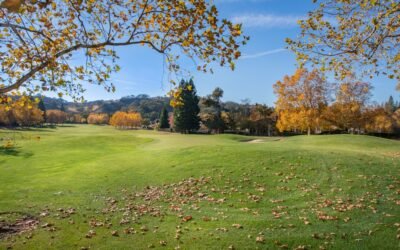
- Photography opportunities abound. The changing colors of the foliage in autumn and the blooming flowers in spring create stunning backdrops.
- Birdwatching. These seasons can be excellent for observing migratory birds.
- Comfortable for markets. Exploring local bazaars and markets is far more enjoyable when you’re not battling the heat.
Winter’s Cozy Charm
- Embrace the tranquility. If your goal is to relax, read, and enjoy the quiet beauty of the landscape, winter offers that in spades.
- Appreciate the snow-covered scenery. If you enjoy the stark beauty of winter landscapes, the snow can transform Ulus into a serene wonderland.
- Indoor cultural experiences. Focus on visiting museums, local craft workshops, or enjoying traditional Turkish cuisine in warm, welcoming establishments.
- Bonfires and indoor gatherings. Winter is a great time to experience the warmth of local hospitality and enjoy evenings by a fire.
Seasonal Considerations for Packing
| Month | Weather | Crowds | Costs |
|---|---|---|---|
| June | Warm and sunny | Moderate | Medium |
| July | Hot and sunny | High | High |
| August | Hot and sunny | High | High |
| September | Warm and sunny | Moderate | Medium |
Your packing list will, naturally, vary based on when you decide to go to Ulus. Being prepared means being comfortable.
Summer Essentials
- Lightweight clothing. Think cotton t-shirts, linen trousers, and breathable fabrics.
- Sun protection. A wide-brimmed hat, sunglasses, and high SPF sunscreen are non-negotiable.
- Comfortable walking shoes. You’ll likely be doing a lot of exploring on foot.
- Swimwear. If there are opportunities for water activities.
- Insect repellent. Mosquitos can be present, especially in the evenings.
Spring and Autumn Layering Game
- Layers are your best friend. Pack a mix of short-sleeved shirts, long-sleeved tops, light sweaters or fleeces, and a waterproof and windproof jacket.
- Jeans or comfortable trousers. Good for a range of temperatures.
- Comfortable, closed-toe shoes. Essential for walking on potentially damp ground.
- A scarf. Can add warmth and style.
- Umbrella. A compact travel umbrella is a lifesaver for intermittent rain showers.
Winter Warmth
- Warm, insulating layers. Think thermal base layers, wool sweaters, and a heavy, insulated coat.
- Waterproof and windproof outer shell. Crucial for staying dry and protected from the elements.
- Warm trousers. Fleece-lined or insulated pants are a good idea.
- Waterproof boots. Essential for snowy or wet conditions.
- Hat, gloves, and scarf. You’ll need to protect extremities from the cold.
- Moisturizer and lip balm. The cold air can be drying.
Final Thoughts: Finding Your Ulus Sweet Spot
Ultimately, the “best” time to visit Ulus is a personal decision. It hinges on your priorities for weather, crowd tolerance, and budget.
- For the quintessential summer holiday: If sunshine, long days, and a lively atmosphere are what you crave, June to August is your window. Just be prepared for higher prices and more people.
- For a balanced and pleasant experience: If you want good weather, fewer crowds, and a more relaxed pace, April, May, September, and October are superb. You’ll likely find better value here too.
- For budget travelers and nature lovers seeking solitude: If you don’t mind cooler temperatures, potential for rain or snow, and the quietest experience, November to March offers a unique charm and significant cost savings.
No matter when you choose to go, Ulus in Bartın has a certain allure. By considering these factors, you can tailor your visit to ensure it’s a trip you’ll remember fondly, filled with exactly the kind of experiences you’re looking for.
FAQs
1. What is the best time to visit Ulus, Bartın in terms of weather?
The best time to visit Ulus, Bartın is during the summer months of June to August when the weather is warm and sunny, with average temperatures ranging from 25°C to 30°C.
2. When is the peak tourist season in Ulus, Bartın?
The peak tourist season in Ulus, Bartın is during the summer months of June to August when the weather is ideal for outdoor activities and sightseeing. During this time, the town experiences the highest number of visitors and the most crowded conditions.
3. What is the off-peak season in Ulus, Bartın?
The off-peak season in Ulus, Bartın is during the winter months of December to February when the weather is cold and the town experiences fewer tourists. This is a great time to visit for those looking for a quieter and more peaceful experience.
4. When is the best time to visit Ulus, Bartın to avoid crowds?
To avoid crowds, it is best to visit Ulus, Bartın during the shoulder seasons of spring (March to May) and fall (September to November). During these times, the weather is still pleasant, and there are fewer tourists compared to the peak summer months.
5. How does the cost of visiting Ulus, Bartın vary throughout the year?
The cost of visiting Ulus, Bartın is generally higher during the peak summer months due to increased demand for accommodations, activities, and dining. Visiting during the off-peak winter months may result in lower costs for accommodations and activities.