
You plan for trips where cell coverage ends and safety depends on reliable communication. Choosing the right satellite phone or hotspot gives you a way to call for help, get weather updates, or stay in touch with family and colleagues when it matters most.
This guide highlights top options so you can match device strengths to your needs and travel style. You will find devices that prioritize global coverage, hotspot integration for smartphones, long standby times, rugged construction, or low cost.
Understanding those trade-offs helps you pick a tool that protects your safety and keeps you connected under real-world conditions.
Top Picks
|
Category |
Product |
Score |
|---|---|---|
|
🚀 Best Hotspot |
64/100 |
|
|
🔋 Best Battery Life |
82/100 |
|
|
🏆 Best Rugged Phone |
88/100 |
|
|
💰 Best Budget Option |
60/100 |
Selection Criteria
You need a clear set of priorities when comparing satellite phones. We evaluated devices on network coverage, reliability of connections, battery life for real-world standby and talk time, physical durability for harsh environments, and ease of use including setup and companion apps. Price and total cost of ownership were weighed because service activation and airtime often exceed device cost. We also considered special capabilities such as Wi‑Fi hotspot functionality, SOS/emergency buttons, and accessory ecosystems that matter for maritime or expedition use.
Iridium GO
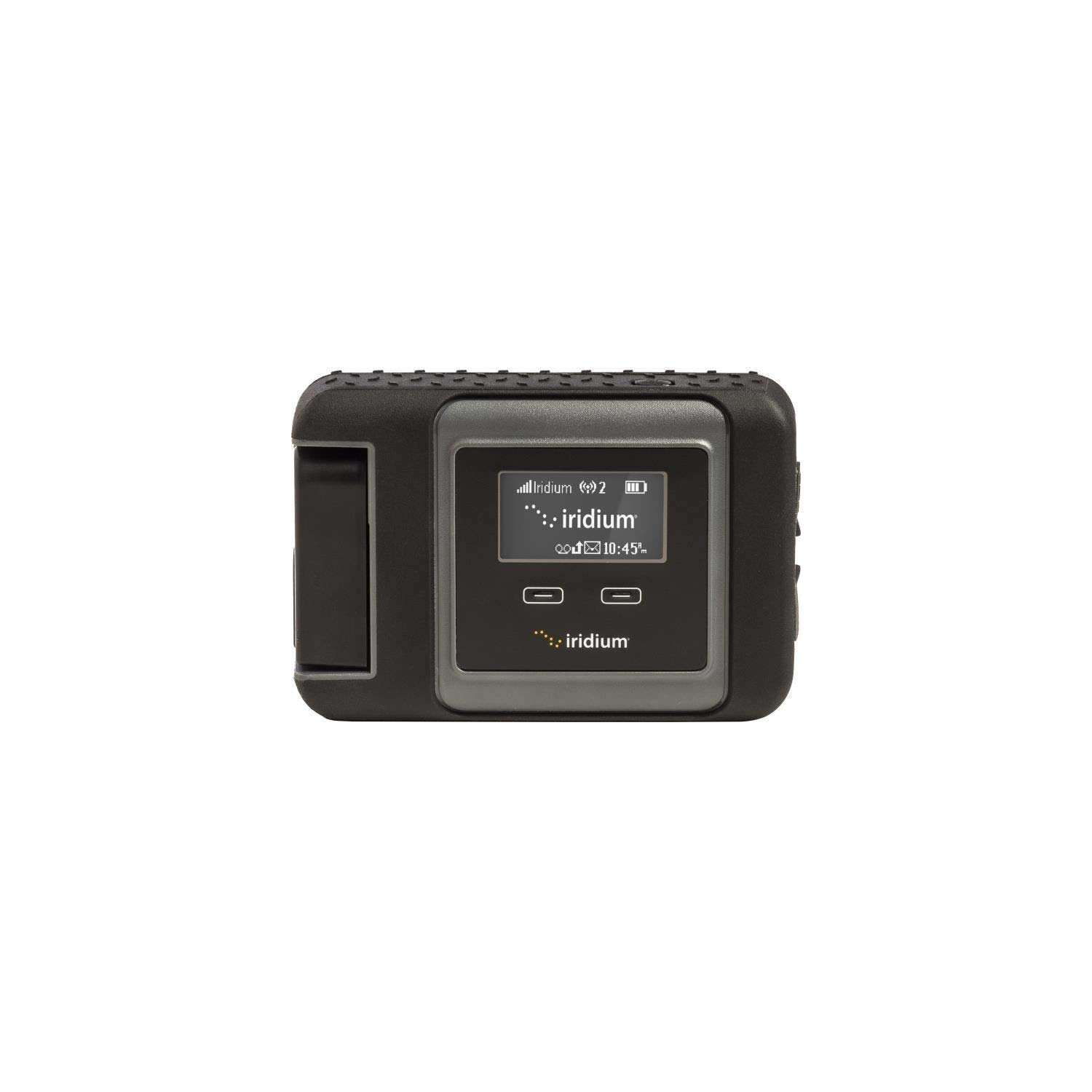
You can use the Iridium GO to turn your phone or tablet into a satellite-connected hub when cell service disappears. It creates a Wi‑Fi hotspot so multiple devices can share one global satellite link, which is useful for weather updates, messages, or basic data on boats, in remote camps, or during expeditions. The unit is built for outdoor use with a retractable antenna and app-driven controls, so you get a compact, shareable way to stay connected without carrying a bulky handset.
If you value the convenience of using familiar apps and devices rather than learning a separate satphone UI, this is a practical choice.
What People Say
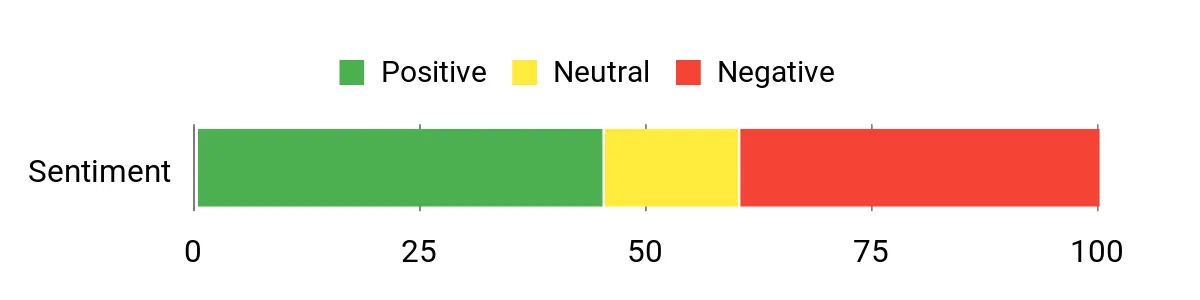
Customers often appreciate the hotspot concept and how it lets familiar apps work beyond cellular range, and several note strong customer support from some vendors. Common complaints revolve around setup friction, SIM activation delays, and limited data speed so expectations need to be realistic.
Users who take time to learn limitations tend to be satisfied with the device’s reliability in the field.
Overall Sentiment: Neutral
Long-Term Cost Benefits
Owning a device that enables emergency calls, weather updates, and basic data can reduce risk and the potential cost of rescue or delays. Because the Iridium GO repurposes devices you already own, you avoid buying a separate satphone for occasional use, though you should plan for airtime and activation overhead.
Return on Investment
The ROI is mostly about safety and operational value. If you travel in remote areas, the ability to get weather routing, send position reports, or call for help can far outweigh the initial hassle of setup.
For teams that need shared connectivity, the hotspot model provides more tangible day-to-day benefits than a single handset.
Situational Benefits
|
Situation |
How It Helps |
|---|---|
|
Offshore Sailing |
You get weather files, GRIB updates, and crew messaging without needing a dedicated satphone for each person, which simplifies onboard comms. |
|
Backcountry Expeditions |
It lets you use navigation and messaging apps on your familiar devices while providing a way to call for help if things go wrong. |
|
Group Field Work |
Teams can share one satellite link for coordination and data transfer instead of managing multiple individual devices. |
|
Emergency Preparedness |
A single, easy-to-carry hotspot gives you a reliable fallback to reach emergency services or family when local networks fail. |
Versatility
You can use it with phones, tablets, and multiple users at once, which makes it more flexible than a single-purpose handset. It handles voice through connected apps and basic data, but it’s not a replacement for high-speed satellite internet.
Safety Features
Built-in SOS capability and global Iridium coverage provide a clear safety advantage; the hotspot also supports sharing emergency info across devices you and your team already use.
Durability
The unit is designed for outdoor conditions with a retractable antenna and rugged casing. It’s portable and suitable for marine and expedition use, though proper handling and antenna positioning matter for best performance.
Problem Solving
It solves the problem of keeping familiar apps and devices connected where there is no cell service, enabling messaging, location sharing, and basic data. Expect slow data rates, so heavy downloads and streaming aren’t realistic.
Travel Friendliness
Relatively compact and light enough to carry in a bag, it frees you from learning a new handset UI and lets multiple people connect. You will need to carry it where antenna exposure is practical and allow time for initial setup and SIM activation.
Key Benefits
- Turns your existing smartphone or tablet into a global comms device
- Shareable Wi‑Fi hotspot for multiple devices
- Built for outdoor use with SOS and rugged design
- App control simplifies common tasks compared with some satphones
Rating: 3.2/5 (total: 27+)
IsatPhone Pro2

You want a satellite phone that just works when you need it, and the IsatPhone Pro2 is built around that idea. It connects quickly to the satellite network, offers a transflective display you can read in bright light, and packs an impressive standby battery so it stays ready for days.
The phone feels rugged and purpose‑made, with tracking and an emergency button that make it a sensible choice for maritime trips, remote work, or disaster response. If you prefer a straightforward handset over a hotspot and value call quality and long battery life, this is one of the more dependable options you can carry.
What People Say
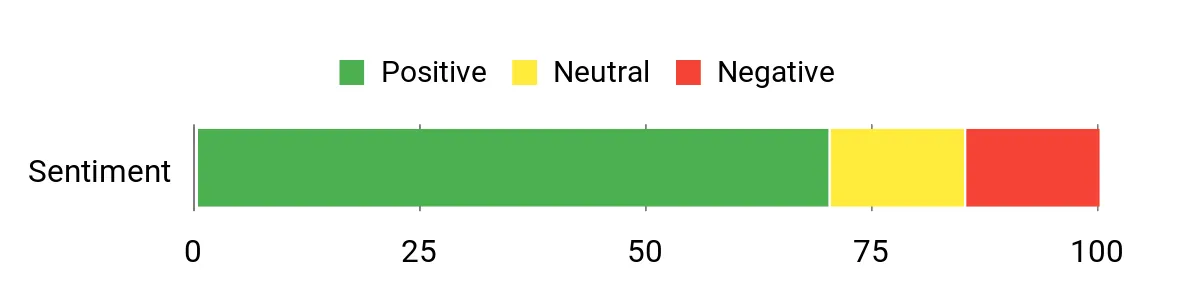
People commonly praise the battery life and dependable call quality, noting the phone stays usable for days on standby and connects reliably in remote areas. Users also appreciate the tracking and emergency functions, while some report friction around SIM activation and unclear setup instructions.
Overall the consensus is that it’s a robust, no‑nonsense satphone once you get it configured.
Overall Sentiment: Positive
Long-Term Cost Benefits
A durable handset with long battery life reduces replacement and charging needs, and dependable connectivity lowers the chance of costly delays or emergency responses. For regular remote travelers, the value comes from reliability rather than low operating costs.
Return on Investment
The ROI is largely safety and uptime: reliable voice, tracking, and emergency features minimize operational risk and let you maintain contact in places cell networks do not reach. For missions where communication is essential, that reliability pays off quickly.
Situational Benefits
|
Situation |
How It Helps |
|---|---|
|
Maritime Travel |
Quick satellite connect and water resistance give you a steady lifeline at sea for weather updates and emergency calls. |
|
Remote Expeditions |
Long standby and easy voice access mean you can keep in touch during multi‑day treks without frequent charging. |
|
Disaster Response |
Tracking and a dedicated emergency button help teams coordinate and request assistance when infrastructure is down. |
|
Business Fieldwork |
Reliable voice links let you maintain operations and relay critical information from sites without cell coverage. |
Versatility
This handset focuses on voice, messaging, and tracking rather than acting as a shared hotspot, so it’s best when you need a dedicated, rugged phone rather than multi‑user data access.
Safety Features
The unit includes a dedicated emergency button and tracking, plus a robust design that helps ensure the device stays functional in tough conditions, which is key for safety‑critical use.
Durability
With water resistance and a purpose‑built holster, the phone is designed to survive boat decks and field conditions; its construction favors reliability over flashy extras.
Problem Solving
It addresses the core problem of maintaining clear voice communication and location visibility in areas without cellular service, though it doesn’t solve high‑speed data needs.
Travel Friendliness
Relatively compact and easy to carry with a holster, the phone is travel friendly for anyone who needs a straightforward backup for remote journeys, but you’ll want to allow time for SIM activation before heading out.
Key Benefits
- Fast satellite acquisition and reliable voice quality
- Long standby and solid talk time for extended trips
- Rugged, water‑resistant design with tracking and emergency button
- Simple handset interface that’s familiar to phone users
Rating: 4.1/5 (total: 75+)
Iridium 9555

You need a satellite phone that feels built for real use, and the Iridium 9555 is engineered with that in mind. It pares down extras to focus on reliable voice, messaging, and GPS geotagging, with an internally stowed antenna and a hand‑friendly form factor that fits in a holster.
The handset includes an integrated speakerphone and improved SMS/email handling, plus a mini‑USB port for data and software tools that teams often rely on. If you spend time at sea, in the backcountry, or on remote job sites, this phone is a straightforward pick that prioritizes connection and durability over flashy features.
What People Say
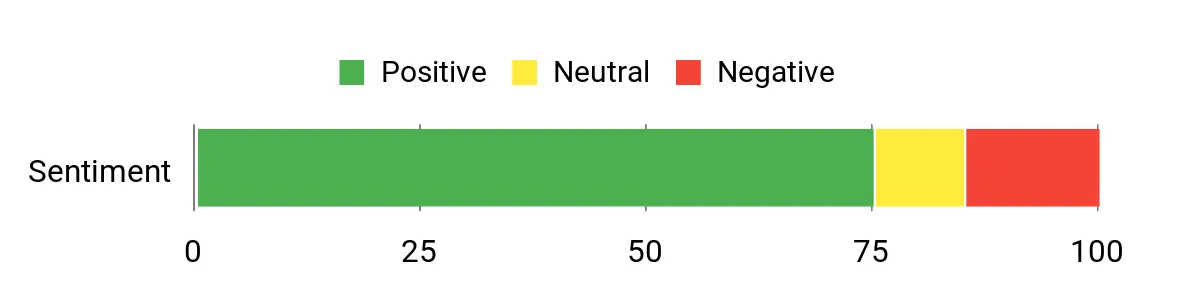
Users frequently highlight the phone’s reliability and solid build, noting it performs well in remote locations and at sea. Many appreciate the included accessories and how complete the kit feels out of the box.
Common gripes focus on the device’s age and relative cost compared with newer alternatives, but most reviewers find it dependable once configured.
Overall Sentiment: Positive
Long-Term Cost Benefits
A durable handset that stays functional for years reduces replacement and repair expenses, and reliable connectivity helps avoid costly delays or emergency responses. The value comes from dependability rather than low running costs, so factor in airtime fees separately.
Return on Investment
The ROI is mainly safety and operational continuity: consistent voice quality, tracking, and ruggedness cut risk on remote trips and field operations, making the device pay for itself through avoided downtime and clearer coordination.
Situational Benefits
|
Situation |
How It Helps |
|---|---|
|
Maritime Use |
Reliable voice links, water resistance, and holster-ready carry give you a steady communications lifeline at sea for weather updates and emergencies. |
|
Hunting and Backcountry |
Compact size and clear reception let you stay reachable and send basic location info without carrying bulky gear. |
|
Field Operations |
Integrated messaging and accessory support simplify coordination and data exchange from remote worksites. |
|
Emergency Response |
Dependable connections and GPS geotagging help teams locate and assist people when local networks are down. |
Versatility
This is a dedicated handset focused on voice, messaging, and location functions rather than multi‑user data. It pairs well with software tools and accessories, so it fits a range of professional and recreational uses where a single reliable phone is preferred.
Safety Features
Global Iridium coverage and GPS geotagging improve your ability to call for help and share location. The phone’s simple interface and tracking options support safety workflows in teams and lone operators.
Durability
Built to handle rough handling and outdoor environments, the phone offers water resistance and anti‑shock traits with a holster option for secure carry. Its construction favors longevity and consistent performance.
Problem Solving
It solves the core need of maintaining clear voice communication and position awareness where cell networks fail, though it does not address high‑speed data or shared hotspot needs.
Travel Friendliness
Relatively light and compact with a holster, the 9555 is easy to pack and carry on trips. You will want to bring the charger and adapters provided in the kit for extended deployments.
Key Benefits
- Truly global Iridium network coverage for dependable voice links
- Rugged, compact design that fits a holster for easy carry
- Integrated speakerphone and improved messaging for practical use
- Mini‑USB data port and accessory support for field workflows
Rating: 4.4/5 (total: 29+)
GSP-1700

If you need a simple satellite handset that won’t weigh you down, the GSP-1700 is built around portability and basic voice performance. It’s one of the lighter, more compact options, making it easy to stash in a pack for fishing trips, remote job sites, or as a backup for rural travel.
You’ll get clear voice in many off-grid pockets and straightforward operation without a lot of extras. Be aware that battery life and service coverage can be limiting factors for heavy users, so treat this as a capable backup or a budget-minded primary for intermittent use rather than a full-featured expedition tool.
What People Say
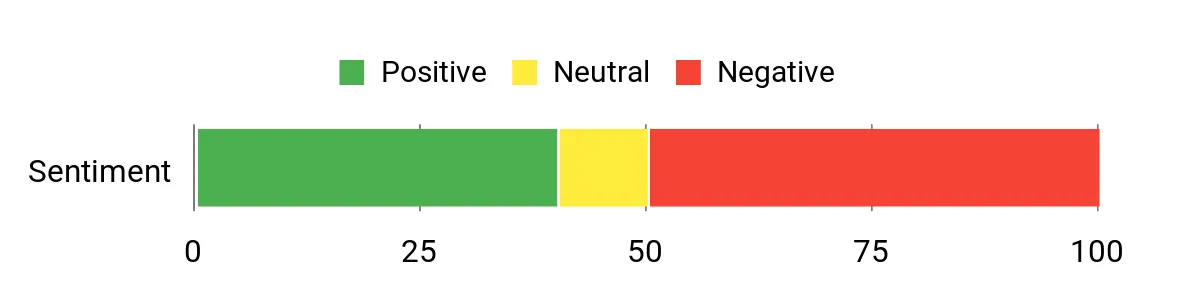
People tend to like how small and portable the phone is and note decent call quality where Globalstar coverage is available. Common frustrations center on inconsistent service availability, short battery life for some users, and occasional build or reliability issues.
Overall, reviewers treat it as a useful backup when expectations match its strengths and limits.
Overall Sentiment: Neutral
Long-Term Cost Benefits
As an affordable and lightweight handset, it can be a cost-effective backup for occasional remote work or recreation, but potential service problems and shorter battery life may increase ongoing costs or operational hassle over time.
Return on Investment
The ROI is strongest for users who need a portable voice-only backup. If you only occasionally need satellite calls, the device delivers value through convenience and lower upfront complexity, but heavy or critical users may find the trade-offs limit long-term savings.
Situational Benefits
|
Situation |
How It Helps |
|---|---|
|
Weekend Fishing Trips |
Small size and portability let you bring reliable voice comms without bulky gear, useful when cell signal is spotty. |
|
Rural Backup |
Provides a fallback for occasional calls from remote properties or rural job sites where cellular coverage drops. |
|
Field Business |
Enables basic voice coordination and status updates from worksites, reducing travel for quick decisions. |
|
Emergency Backup |
Serves as a secondary lifeline for voice contact when other networks fail, as long as battery and service constraints are managed. |
Versatility
This handset focuses on voice and basic data; it’s versatile for lightweight, single‑user scenarios but not designed to replace multi‑user hotspots or high‑data workflows.
Safety Features
Basic safety value comes from being able to call beyond cellular range. There’s no advanced integrated SOS system on this model, so plan complementary procedures for emergencies.
Durability
Construction is functional and plastic‑based; some users report reliability concerns while others find it holds up with careful use. It’s fine for casual outdoor use but not the most rugged option available.
Problem Solving
It solves the immediate need of making voice calls where cell service is absent, but it doesn’t address long run time, heavy data needs, or guaranteed coverage in all regions.
Travel Friendliness
Very travel friendly due to its light weight and compact footprint, though you’ll want to carry spare power or charging options for extended trips.
Key Benefits
- Very compact and lightweight for easy carry
- Solid voice quality in many remote areas
- Simple, no‑frills operation that’s easy to learn
- Suitable as a backup comms device for fieldwork
Rating: 3/5 (total: 19+)
FAQ
How Do I Choose A Satellite Phone?
Start by matching the device to what you actually need. If you want to use familiar apps and share a link with a team, a hotspot-style device that creates a Wi‑Fi network for your smartphone may be the right fit; if you need simple, dependable voice and tracking, a dedicated handset is usually easier to manage. Pay attention to coverage (some networks offer true global reach while others have regional gaps), expected battery life, ruggedness, and whether you need data or just voice and SMS.
Finally, consider ease of setup and the ecosystem of accessories and support so the device will work reliably where you travel.
What Should I Know About Setup And Service?
Plan to register and activate service before you leave, because SIM activation and provisioning can take time and occasionally require dealer or provider support. Test the unit and any companion apps in a clear sky location, check antenna orientation, and confirm you can make and receive calls as you expect. Keep spare charging options and learn the provider’s dialing format and emergency procedures; firmware updates and correct APN settings sometimes solve connectivity quirks, and having the vendor’s support contact saved can save hours in the field.
Can I Rely On A Satellite Phone In An Emergency?
Yes, but you should set realistic expectations and build redundancy into your plan. A properly provisioned satphone or hotspot gives you a lifeline for voice, basic messaging, and location reporting even where cell networks fail, and features like tracking and SOS buttons add important safety layers.
Expect some latency on certain networks and limited data throughput, so use it for calls, short messages, and position reports rather than heavy downloads, and always carry backup power and a tested emergency workflow.
Customer Preferences
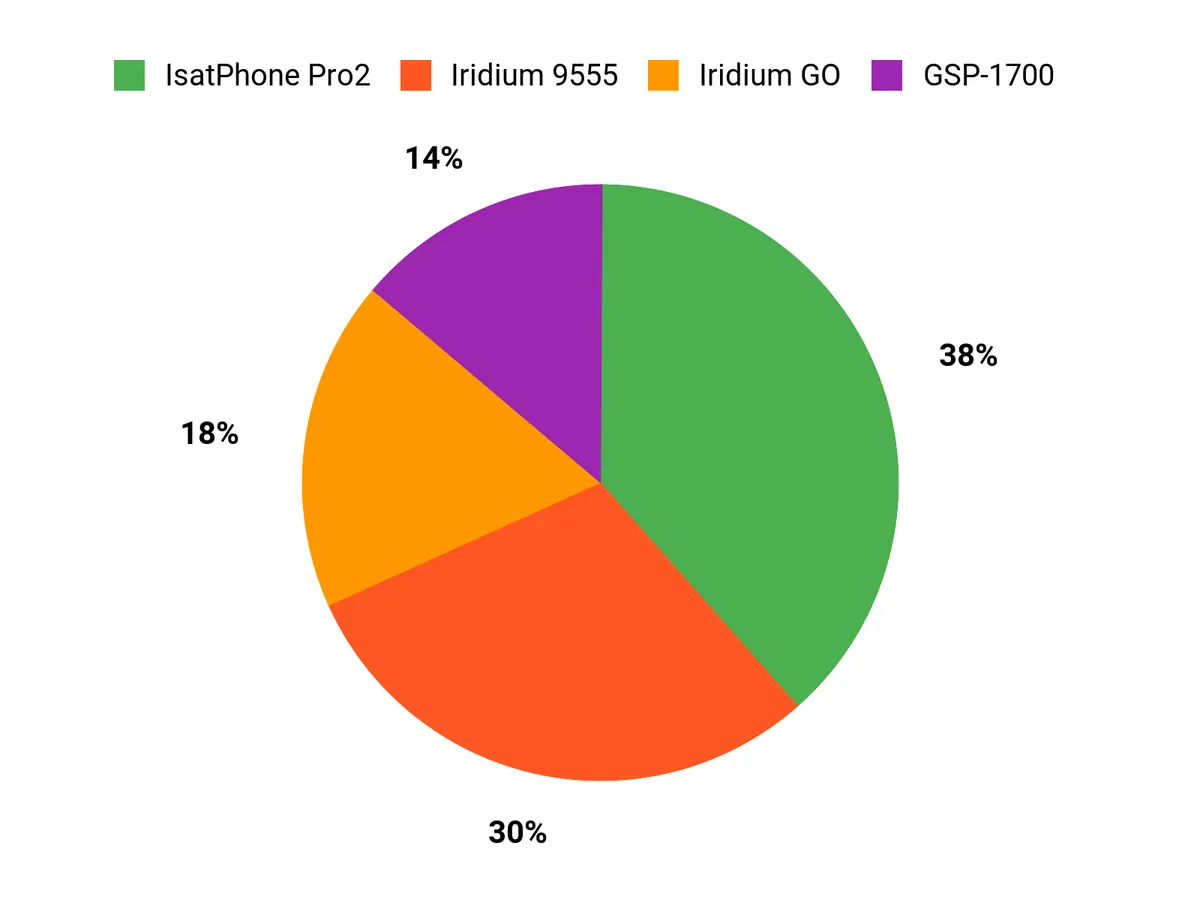
You tend to pick based on use case: choose the Iridium GO if you want smartphone integration and a shared hotspot, the IsatPhone Pro2 for long standby and clear voice quality, or the Iridium 9555 when rugged, holster-ready reliability matters most. Prioritize coverage, battery life, and whether you need multi‑user data versus a straightforward handset, and weigh ease of setup and accessory support against your expedition or emergency plan.
Wrapping Up
If you want to turn a smartphone into a global communication tool, the Iridium GO ($854.90) is unique for its hotspot approach and broad global coverage, though it requires patience for setup and service activation. If long standby and dependable voice quality are your priority, the Inmarsat IsatPhone Pro2 ($765.00) delivers extended battery life and clear calls for extended trips.
For a proven, rugged handheld you can trust in extreme conditions, the Iridium 9555 ($1,149.90) balances durability and reliable global reach. If budget matters and you need a basic satellite voice option for occasional use, the Globalstar GSP-1700 ($288.00) is the most affordable, but expect compromises in battery and build.
You will get the most value by matching the device to your use case: choose a hotspot if you need smartphone apps and data, a long‑life handset for extended remote deployments, a rugged unit for harsh environments, or a budget model for occasional backup. Compare service activation steps and airtime plans before you buy so the device you pick will work when you need it most.
| Product Name | Image | Rating | Battery Life | Connectivity | Weight |
|---|---|---|---|---|---|
| Iridium Go! Satellite Wi-Fi Hotspot |
|
3.2/5 (27 reviews) | N/A | Wi-Fi and Satellite, 802.11ac | 2.2 pounds |
| Inmarsat IsatPhone 2 Handheld Satellite Phone |
|
4.1/5 (N/A) | Talk Time: 8 hours, Standby Time: 160 hours | Satellite Communication | 3 pounds |
| Iridium 9555 Satellite Kit – Factory Unlocked Phone |
|
4.4/5 (N/A) | Talk Time: 4 hours, Standby Time: 36 hours | USB and Satellite | 16 ounces |
| Globalstar GSP-1700 Satellite Phone |
|
3.0/5 (19 reviews) | Talk Time: 4 hours, Standby Time: 36 hours | Satellite Communication Networks | 8 kg |
This Roundup is reader-supported. When you click through links we may earn a referral commission on qualifying purchases.