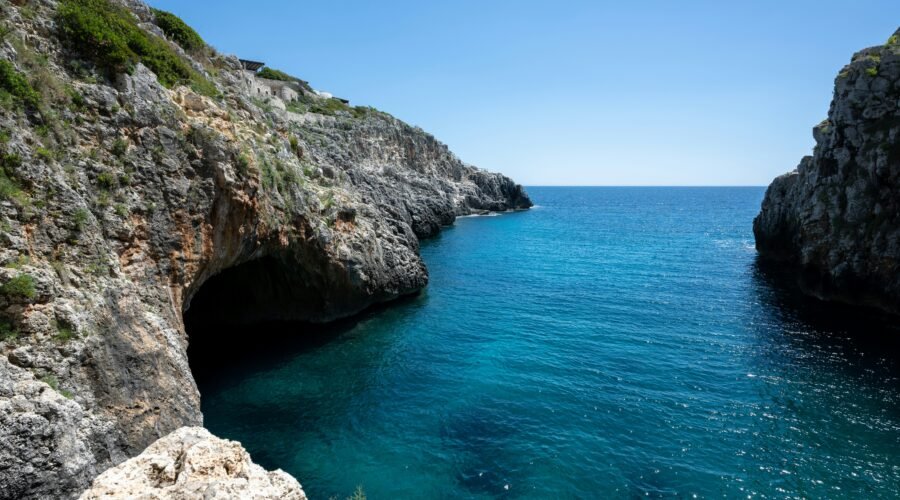
So, you’re wondering about the best time to visit Apulia, Italy? Let’s cut to the chase: Late spring (May to early June) and early autumn (September to mid-October) are generally your sweet spots. You’ll get lovely weather, fewer crowds than peak summer, and often better deals on flights and accommodation. If you’re a beach bum who doesn’t mind the buzz, July and August are still fantastic for sea and sun, but prepare for more company and higher prices.
Why May-June and September-October Shine
These shoulder seasons offer a fantastic balance. The weather is warm enough for swimming and exploring without being sweltering. The landscape is vibrant, whether it’s spring blooms or autumn harvests. And crucially, you’re ahead or behind the main rush, meaning you can actually find a spot on that picturesque beach or enjoy a quiet stroll through an ancient town.
Apulia, being in the south of Italy, enjoys a classic Mediterranean climate. This means hot, dry summers and mild, wet winters. However, there are nuances to each season that can significantly impact your trip.
Spring (March – May)
Spring in Apulia is a real treat. The landscape wakes up, bursting with wildflowers, and the air is crisp and clean.
March: A Gentle Awakening
March is still a bit of a gamble weather-wise. You can get glorious sunny days perfect for exploring historic towns, but also cooler, rainier spells. Think temperatures around 10-15°C (50-59°F). The sea is definitely too chilly for swimming unless you’re incredibly hardy. Crowds are minimal, and prices are low. If you’re into hiking or cycling and don’t mind layering up, it’s a peaceful time to visit.
April: Warming Up Nicely
April sees a noticeable increase in temperature, usually hovering around 15-20°C (59-68°F). Rain becomes less frequent. This is a brilliant month for sightseeing, with comfortable temperatures for walking through Bari Vecchia or exploring the Trulli of Alberobello. While the sea is still cool, some brave souls might dip a toe. Easter can bring a short spike in domestic tourism and prices, so be mindful of those dates.
May: Nearly Perfect
May is arguably one of the best months. Temperatures typically range from 20-25°C (68-77°F), often feeling warmer in the midday sun. The sea starts to become inviting, especially towards the end of the month. Everything is lush and green, and the scent of jasmine fills the air. Restaurants and lidos begin to open in full swing, but the really massive crowds haven’t arrived yet. It’s ideal for a mix of cultural exploration and beach relaxation.
Summer (June – August)
Summer is peak season for a reason: guaranteed sunshine and warm sea. But it comes with its own set of considerations.
June: The Sweet Spot Before the Swarm
Early June is a fantastic time. Temperatures are comfortably hot, usually 25-30°C (77-86°F), and the sea is warm enough for proper swimming. The days are long, allowing for extended evenings out. While crowds are picking up, they haven’t reached their August fever pitch. Prices are starting to climb but haven’t hit their absolute peak. It’s a great month for both beach days and exploring.
July: Hot and Bustling
July is undeniably hot, often reaching well over 30°C (86°F), sometimes closer to 35°C (95°F) or more, especially inland. The sea offers welcome relief and is wonderfully warm. This is a very popular month, particularly with Italian and European holidaymakers. Expect lively towns, full beaches, and a vibrant atmosphere. If you love the heat and the buzz, July is for you, but be prepared for crowds and higher prices. Booking well in advance is essential.
August: The Peak of Everything
August is the absolute peak of Apulian tourism. The entire country, it seems, goes on holiday, and Apulia is a prime destination. Temperatures are consistently high, often in the mid-30s°C (mid-90s°F), and the sun is relentless. Beaches are packed, restaurants are bustling, and accommodation prices hit their absolute highest. If you visit in August, embrace the lively atmosphere, book everything far in advance, and prepare for higher costs. It’s a great time for nightlife and soaking up the Italian holiday spirit, but perhaps not for a quiet, reflective trip.
Autumn (September – November)
Autumn, like spring, is a fantastic shoulder season, offering a more relaxed experience after the summer rush.
September: Indian Summer Vibes
September is another contender for the “best month.” The intense heat of August subsides, with temperatures typically ranging from 25-30°C (77-86°F). The sea remains beautifully warm from the summer sun. Crowds thin out significantly after the first week or two, making beaches and towns much more enjoyable. Prices also start to drop. It’s perfect for swimming, sightseeing, and enjoying the still-warm evenings.
October: Mild and Mellow
October continues the trend of pleasant weather, with temperatures usually around 18-23°C (64-73°F). The sea gradually cools but can still be refreshing for a swim, especially early in the month. The landscape takes on beautiful autumnal hues. This is an excellent month for exploring the countryside, olive groves, and vineyards, or enjoying long walks along the coast. Many lidos and beach bars will have closed for the season, but restaurants and cultural sites remain open. Fewer tourists mean a more authentic feel and lower prices.
November: Cool Down and Quieter
November marks the beginning of the cooler, wetter season. Temperatures drop to around 12-17°C (54-63°F). You’ll likely encounter more rainy days, though sunny spells are still common. The sea is definitely too cold for swimming for most. This is a very quiet month, with many seasonal businesses closed. If you’re interested in off-season exploration, seeking out local festivals, or enjoying the tranquility of the region, November can be interesting, but it’s not for everyone.
Winter (December – February)
Winter in Apulia is mild compared to Northern Europe, but it’s still winter.
December: Festive Spirit, Cooler Air
December brings cooler temperatures, typically 8-13°C (46-55°F), with a chance of rain. The region lights up with Christmas markets and festive decorations, offering a charming, if chilly, experience. Major cities like Bari and Lecce are still lively, but coastal towns can feel very quiet. This is a time for cultural exploration, enjoying hearty Apulian cuisine, and perhaps visiting the famous living nativity scenes.
January: The Chillest Month
January is usually the coldest month, with average temperatures around 6-11°C (43-52°F). Frost isn’t unheard of inland, and rain is common. Coastal areas are often a few degrees warmer. This is the quietest time of year, ideal for a very relaxed and budget-friendly trip if your focus isn’t on beaches. You’ll get a real sense of local life, but many tourist-oriented businesses will be closed.
February: Hints of Spring
February is similar to January but often starts to show signs of spring towards the end of the month, with a slight rise in temperature (7-12°C/45-54°F) and increasing daylight hours. It remains a quiet, budget-friendly month for cultural exploration, good food, and perhaps catching a local Carnival celebration before Lent.
If you’re planning a trip to Apulia, Italy, you might also find it helpful to explore the best times to visit other beautiful destinations in Italy. For instance, you can check out this article on the best time to visit Narligol, Niğde, which discusses the weather, crowds, and costs associated with traveling to that region. It provides valuable insights that can help you plan your itinerary more effectively. You can read more about it here: Best Time to Visit Narligol, Niğde: Weather, Crowds, and Costs.
Navigating Crowds in Apulia
The number of people you’ll encounter can drastically change your experience.
Avoiding the Madding Crowds
If you prefer a more serene experience, absolutely avoid August. July can also feel very busy, especially in popular coastal spots like Polignano a Mare or Gallipoli. The shoulder seasons (May-early June and September-October) offer a sweet spot where major attractions are open and lively, but not overwhelmingly crowded. You can often find quiet corners even in popular towns.
Embrace the Buzz (or Plan Around It)
If you’re visiting in July or August, be prepared. Beaches will be full, reservations for popular restaurants are a must, and driving can be slower. However, this is also when Apulia truly comes alive with festivals, outdoor concerts, and a palpable holiday atmosphere. If you love that energy, then lean into it! Just make sure to book tours and accommodation well in advance. Consider visiting popular spots early in the morning or late in the afternoon to avoid the mid-day rush.
Cost Considerations: Making Your Budget Stretch

Apulia, while generally more affordable than Tuscany or the Amalfi Coast, still has its price fluctuations.
Peak Season Prices (July – August)
Unsurprisingly, July and August are the most expensive months. Accommodation, flights, and even car rentals can see significant price hikes. Expect to pay 30-50% more, sometimes even double, for the same room or car compared to the shoulder seasons. If you have to travel during these months, book as early as possible – six months to a year out isn’t excessive for popular places.
Shoulder Season Savings (May-June & September-October)
These months offer excellent value. You’ll find better deals on accommodation, flights, and car rentals compared to the summer. Restaurants generally maintain consistent pricing, but you might find some lunch specials or less pressure for reservations. This is where you get the best bang for your buck: great weather without breaking the bank.
Off-Season Bargains (November – April)
If you’re on a tight budget and don’t mind cooler weather or less emphasis on the beach, the off-season offers the lowest prices. You can find incredible deals on flights and accommodation. However, remember that some seasonal businesses will be closed, particularly in smaller coastal towns, and flight options might be less direct. This is a time for authentic cultural immersion and savouring the local cuisine without the tourist crush.
Activities and Events: What to Do When

Different times of year lend themselves to different activities.
Beach Life and Water Sports
For swimming, sunbathing, and water sports like paddleboarding or snorkelling, June, July, August, and September are your prime months. The sea is warmest and most inviting. May and October can work for the brave or those who don’t mind a cooler dip.
Sightseeing and Cultural Exploration
Any time outside of the absolute peak heat of July and August is great for sightseeing. Spring (April-May) and Autumn (September-October) are ideal, offering comfortable temperatures for exploring historical towns like Lecce, Ostuni, or Alberobello. Even winter can be good for cultural tours if you dress warmly.
Hiking and Cycling
Spring (March-May) and Autumn (September-November) are perfect for active holidays. The weather is mild, the landscapes are beautiful, and there are fewer people on the trails. In summer, it can be too hot for anything strenuous, especially during midday.
Food and Wine Experiences
Apulia is a foodie paradise year-round. However, autumn (September-November) is particularly special as it’s harvest season. You’ll find fresh olives being pressed for new oil, grape harvests for wine, and seasonal fruits and vegetables at their peak. Many sagre (local food festivals) happen during these months.
Local Festivals and Events
| Month | Weather | Crowds | Costs |
|---|---|---|---|
| January | Cool and rainy | Low | Low |
| April | Mild and sunny | Medium | Medium |
| July | Hot and dry | High | High |
| October | Mild and sunny | Low | Low |
Each season has its charm:
- Spring: Easter processions and religious festivals, particularly vibrant in Holy Week.
- Summer: Numerous sagre celebrating local produce, patron saint festivals (feste patronali) with fireworks and live music, outdoor concerts, and cinema.
- Autumn: Grape and olive harvest festivals, chestnut festivals.
- Winter: Christmas markets, presepi viventi (living nativity scenes), and Carnevale celebrations in February.
If you’re planning a trip to Apulia, Italy, you might also find it helpful to explore the best times to visit other destinations, such as Mystic, Connecticut. For a comprehensive overview of the weather, crowds, and costs associated with traveling to this charming coastal town, check out this informative article. It provides valuable insights that can enhance your travel planning experience. You can read more about it in this ultimate guide to visiting Mystic, CT.
Final Recommendations: Tailoring Your Trip
Ultimately, the “best” time depends on your personal priorities.
For the Best All-Round Experience
Late May to Early June or Mid-September to Mid-October. You’ll get the best combination of warm, pleasant weather, fewer crowds, and reasonable prices. This allows for a fantastic mix of beach time, cultural exploration, and delicious food without feeling rushed or overwhelmed.
For Beach Lovers and Social Butterflies
July and August. If your main goal is soaking up the sun, swimming in warm seas, and enjoying a lively atmosphere with plenty of nightlife and events, then these months are for you. Just be prepared for the heat, the crowds, and the higher costs. Book early!
For Budget Travellers and Culture Enthusiasts
April or late October. These months offer mild weather suitable for sightseeing, significantly fewer tourists, and excellent value for money. You won’t be swimming much, but you’ll get a more authentic feel for the region and enjoy the comfort of uncrowded attractions.
For Off-Season Explorers
November to March. If you enjoy quiet destinations, have a flexible itinerary, and are keen on a deeply local experience focusing on food, wine, and culture rather than beaches, then the winter months can be surprisingly rewarding. You’ll save a lot of money and encounter very few other tourists.
No matter when you decide to go, Apulia is a truly special region that offers incredible history, beautiful landscapes, and mouth-watering cuisine. Plan ahead, know what to expect, and you’re bound to have an amazing trip!
FAQs
1. What is the best time to visit Apulia, Italy in terms of weather?
The best time to visit Apulia, Italy in terms of weather is during the spring (April to June) and fall (September to October) when the temperatures are mild and the weather is generally pleasant.
2. When is the peak tourist season in Apulia, Italy?
The peak tourist season in Apulia, Italy is during the summer months of July and August when the weather is hot and the region experiences an influx of tourists.
3. What is the off-peak season in Apulia, Italy?
The off-peak season in Apulia, Italy is during the winter months of November to February when the weather is cooler and the region experiences fewer tourists.
4. When can visitors expect lower costs for accommodations and attractions in Apulia, Italy?
Visitors can expect lower costs for accommodations and attractions in Apulia, Italy during the off-peak seasons of winter and early spring.
5. What are the main factors to consider when planning a visit to Apulia, Italy?
When planning a visit to Apulia, Italy, visitors should consider the weather, crowds, and costs, as well as their personal preferences for activities and experiences.