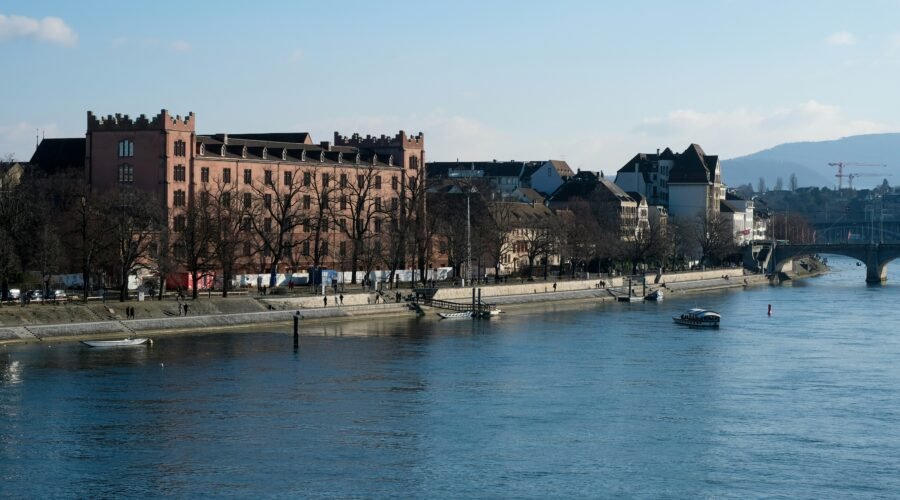
Choosing the best time to visit Basel-Stadt comes down to what matters most to you: mild sightseeing weather, warm summer days by the Rhine, fewer visitors, lower accommodation demand, or major cultural events. Basel works year-round, but the experience changes noticeably with the seasons and with major events such as Art Basel, Fasnacht, and the Christmas markets.
Quick Answer
For most travelers, the best time to visit Basel-Stadt is late April through May or September through early October. These shoulder periods usually offer mild weather, easier sightseeing, and less event-driven pressure on hotel prices. Choose June-August for warm-weather Rhine activities, December for Christmas markets, and January-February for a quieter, often better-value stay.
Key Takeaways
- Best overall balance: Late April-May and September-early October for comfortable sightseeing conditions and generally lighter pressure than major summer event dates.
- Best for warm weather: June-August, especially if outdoor dining and summer activities along the Rhine are priorities.
- Best for a quieter trip: January and February outside Fasnacht dates.
- Best festive trip: Late November through December for Basel’s Christmas atmosphere.
- Watch event dates: Art Basel, Fasnacht, major fairs, and Christmas events can sharply increase demand even outside a traditional peak season.
Best Time to Visit Basel-Stadt by Season
Basel has four distinct seasons, and each one offers a different type of city break. The warmest months favor outdoor activities, autumn and spring suit long walking days, and winter shifts the focus toward museums, seasonal events, restaurants, and the atmospheric Old Town.
Summer: The Lively Peak
- What to Expect: June through August brings Basel’s warmest conditions, long daylight hours, outdoor dining, open-air events, and heavy use of the Rhine riverbanks. Basel Tourism describes summer as one of the city’s most active outdoor periods.
- Pros: Warm conditions for sightseeing, outdoor cafés, riverside walks, events, boat trips, and other open-air activities.
- Cons: Popular travel dates and major events can increase hotel demand. Hot spells are also possible, so summer is not always ideal for travelers who dislike heat.
Warning: Rhine swimming is not a casual activity for inexperienced swimmers. Basel Tourism advises swimming only if you are a competent swimmer and current river conditions are safe. Check water temperature, water level, approved entry and exit points, shipping traffic, and current local guidance before entering the river. Never rely on a Wickelfisch or another bag as a flotation device.
Autumn: The Colorful Transition
- What to Expect: September, October, and November gradually shift from mild early-autumn weather toward shorter, cooler days. September can still feel pleasantly warm, while November is much more winter-like.
- Pros: Comfortable walking conditions on many days, attractive autumn scenery, and generally less summer-style heat.
- Cons: Conditions become less predictable later in the season, with colder mornings, earlier sunsets, rain, and occasional fog.
Winter: The Cozy Escape
- What to Expect: December, January, and February are Basel’s coldest months. Snow is possible, but Basel Tourism notes that it does not usually remain on the ground for long. December is festive, while January and February can feel considerably quieter outside major events.
- Pros: Excellent conditions for museums, restaurants, indoor attractions, Christmas activities in December, and a quieter urban break later in winter.
- Cons: Short daylight hours and cold weather limit some outdoor activities. Fasnacht and Christmas events can also create busy, expensive periods within the broader winter season.
Spring: The Awakening Bloom
- What to Expect: March, April, and May bring gradually warmer and longer days. March can still be chilly, while May often feels much closer to early summer.
- Pros: Good walking weather, increasingly green parks and riverbanks, longer daylight hours, and fewer heat concerns than midsummer.
- Cons: Spring weather changes quickly, so cool spells and rain are still possible.
If you’re comparing how weather, crowds, and seasonal pricing affect completely different destinations, you can also see this guide to the Best Time to Visit Cody, Wyoming: Weather, Crowds, and Costs.
Weather Patterns in Basel-Stadt
According to Basel Tourism’s climate information, average daytime temperatures are about 10.3°C (50.5°F) in spring, 18.8°C (65.8°F) in summer, 10.5°C (50.9°F) in autumn, and 2.4°C (36.3°F) in winter. Individual days can be much warmer or colder than those seasonal averages, and summer temperatures can occasionally reach around 35°C (95°F).
Summer Sunshine and Warmth
June to August: Summer provides the most dependable warm-weather conditions for outdoor sightseeing. Warm afternoons are common, but hot spells and thunderstorms can occur. Even when daytime temperatures are high, evenings can feel cooler beside the Rhine or after a storm.
Packing Tip: Bring lightweight clothing, comfortable walking shoes, sunglasses, sun protection, and a light layer for evenings. A compact umbrella or lightweight waterproof jacket is useful because summer rain and thunderstorms are possible.
Autumn’s Gentle Coolness
September to November: Early autumn often remains comfortable for walking, while temperatures drop steadily through October and November. Sunshine also decreases as winter approaches, and fog can occur during the cooler part of the year.
Packing Tip: Use layers. Long-sleeved shirts, sweaters, a medium-weight jacket, comfortable trousers, and water-resistant shoes work well. By November, add warmer outerwear.
Winter’s Crisp Chill
December to February: Basel is cold in winter, with freezing nights possible. Basel Tourism says temperatures between November and March commonly vary around -2°C to 3.5°C (28°F to 38°F). Snow occurs from time to time but often does not remain for extended periods.
Packing Tip: Bring a warm insulated coat, layers, gloves, a hat, scarf, and footwear with good grip. Waterproof shoes are useful during rain, slush, or occasional snow.
Spring’s Gradual Thaw
March to May: Spring is a transition season. March can resemble late winter, but April and May become progressively milder. This makes late spring one of the easiest periods for long walking days without midsummer heat.
Packing Tip: Pack short- and long-sleeved tops, a light or medium jacket, comfortable walking shoes, and one warmer layer for mornings and evenings.
Pro Tip: Basel is compact enough that you may spend much of a sightseeing day outdoors even when your main goal is visiting museums. Pack for walking rather than judging the day’s clothing only by the forecasted afternoon temperature.
Navigating the Crowds: When to Seek Serenity

Basel’s crowd patterns are more event-driven than a simple high-season/low-season calendar suggests. Summer is lively, but a major art fair, carnival, congress, trade show, or Christmas weekend can have a larger effect on a specific set of dates than the season itself.
Summer Surge and Major Event Dates
- June, July, and August: Summer attracts leisure visitors who want good outdoor conditions, riverside activities, and events.
- What to Expect: Central attractions and restaurants can be busier, particularly on weekends. June deserves special attention because Art Basel can significantly increase accommodation demand.
Shoulder Seasons: The Sweet Spot
- Late April-May and September-early October: These periods offer one of the best overall compromises between temperature, daylight, and crowd levels.
- What to Expect: Attractions remain fully enjoyable, outdoor sightseeing is comfortable on many days, and you may avoid some of the strongest summer demand. Always check Basel’s event calendar before assuming a particular week will be quiet.
Winter Quietude: A Different Vibe
- January-February outside Fasnacht: These can be among the calmest periods for museum-focused travelers.
- December: Do not treat December as a universally quiet month. Christmas-market weekends attract visitors specifically for Basel’s festive atmosphere.
- Fasnacht: Carnival dates create an entirely different experience, with intense activity and strong accommodation demand.
Cost Considerations: Budgeting for Your Basel Trip

Basel is not a low-cost destination, but your dates can make a meaningful difference. Accommodation prices are dynamic, so major fairs and festivals sometimes matter more than the label “summer,” “winter,” or “shoulder season.” Compare your exact dates before committing to flights or hotels.
Accommodation Expenses: Where to Stay and When
- Summer: Demand can be strong during popular leisure dates and major events. June around Art Basel deserves especially early planning.
- Shoulder Seasons: April-May and September-October can offer a useful balance between comfortable weather and more manageable demand, although congresses and other events can still raise rates.
- Winter: January and February can offer better value outside Fasnacht and large events. December prices can rise around Christmas-market weekends and holiday travel.
Daily Expenses: Food, Activities, and Transport
- Dining Out: Restaurant meals in Switzerland can be expensive compared with many neighboring destinations.
- Budget-friendly meals: Bakeries, supermarket food, picnic supplies, and weekday lunch menus can help reduce daily costs.
- Mid-range: Casual restaurants, cafés, pizzerias, and neighborhood eateries offer more flexibility than fine dining.
- Fine Dining: Basel has a strong high-end restaurant scene, but it will naturally raise your trip budget.
Activities and Attractions: Museum admission can add up, but Basel has useful savings opportunities. Basel Tourism’s museum guide notes that many participating museums offer free admission during selected weekday-evening periods or on the first Sunday of the month. Rules differ by museum and special exhibition, so confirm the individual institution’s conditions.
BaselCard: If you stay overnight in eligible accommodation in Basel-Stadt and pay the applicable city tax, you normally receive a BaselCard. The card is no longer generally sold as a standalone product. It includes free second-class public transport within its specified Basel-area zones and discounts on participating museums, attractions, and leisure activities.
Public Transport: Basel’s trams and buses make it easy to move around without a car. If your accommodation includes BaselCard eligibility, use that benefit before buying separate local transport passes. Day visitors who do not have a BaselCard should compare individual tickets and day-ticket options based on the journeys they actually plan to make.
Tips for Saving Money
- Travel in the Shoulder Season: Late spring and early autumn can offer an attractive weather-to-cost compromise.
- Check Event Dates Before Booking: A normally inexpensive week can become expensive when a major fair, congress, or festival is taking place.
- Book High-Demand Dates Early: This is especially important for Art Basel, Fasnacht, and popular Christmas weekends.
- Use Supermarkets and Bakeries: They are practical for breakfast items, snacks, and picnic lunches.
- Look for Lunch Menus: A weekday “Mittagsmenü” can cost less than ordering similar dishes at dinner.
- Use Your BaselCard: Eligible overnight visitors should take advantage of included transport and participating attraction discounts.
- Use Free Attractions: Walking through the Old Town, spending time along the Rhine, visiting viewpoints, and exploring public spaces can fill much of a day without admission charges.
Note: Hotel pricing in Basel is highly date-sensitive. Before deciding that one month is “cheap,” search the exact nights you want and cross-check them against Art Basel, Fasnacht, trade fairs, conferences, Christmas events, and major sporting or cultural dates.
If you’re comparing seasonal travel planning across different destinations, you can also read this guide to the Best Time to Visit Martensville, Saskatchewan: Weather, Crowds, and Costs.
Basel Month-by-Month: Weather, Crowds, and Costs
| Month | Typical Feel | Crowd / Demand Pattern | Best For |
|---|---|---|---|
| January | Cold; snow possible but not guaranteed | Often relatively quiet | Museums, quieter trips, possible hotel value |
| February | Cold, gradually lengthening days | Quiet outside Fasnacht; extremely lively during carnival | Museums or Fasnacht, depending on dates |
| March | Cool and changeable | Usually moderate | Early spring city breaks |
| April | Mild with possible rain and cool spells | Moderate and event-dependent | Walking and sightseeing |
| May | Mild to warm with long days | Moderate | One of the best overall months |
| June | Warm with long daylight | Can be very high around Art Basel | Art, events, outdoor sightseeing |
| July | Warm to hot; thunderstorms possible | Lively summer atmosphere | Rhine activities and outdoor evenings |
| August | Warm to hot | Lively | Summer events and riverside time |
| September | Usually mild and comfortable | Moderate and event-dependent | One of the best overall months |
| October | Cooler with occasional rain | Moderate; events can increase demand | Autumn walks, museums, culture |
| November | Cool, darker, increasingly winter-like | Variable; rises as Christmas events begin | Museums and early festive visits |
| December | Cold and festive; snow possible | Busy around Christmas-market dates and weekends | Christmas markets and seasonal atmosphere |
Events and Festivals: Basel’s Calendar Highlights
Basel has a busy cultural calendar throughout the year, and major events can heavily influence accommodation availability, restaurant demand, and the overall atmosphere. Event dates change annually, so verify them before purchasing non-refundable travel.
Art Basel: A Global Gathering
- When: Art Basel is normally held in June. The 2026 edition took place June 18-21. The next Basel edition is scheduled for June 17-20, 2027, with Preview Days on June 15-16.
- What it is: One of the world’s major international fairs for modern and contemporary art, bringing galleries, collectors, artists, professionals, and visitors to Basel.
- Impact on your visit: Accommodation demand can increase sharply. If Art Basel is the purpose of your trip, reserve accommodation early. If it is not, compare hotel prices before choosing the same dates.
Fasnacht (Carnival): A Unique Experience
- When: Basel Fasnacht begins on the Monday following Ash Wednesday. The next published dates are February 15-17, 2027.
- What it is: Basel’s three-day carnival is one of the city’s defining cultural traditions, featuring the early-morning Morgestraich, music, illuminated lanterns, costumes, processions, and performances.
- Impact on your visit: Visit specifically during Fasnacht if you want the full cultural experience. If you prefer quiet streets and conventional sightseeing, choose different dates because the city operates in a very different rhythm during carnival.
Christmas Markets: Festive Charm
- When: Basel Christmas Market runs from November 26 to December 23, 2026.
- What it is: The main market occupies Barfüsserplatz and Münsterplatz in the historic center, complemented by seasonal decorations, food, shopping, and other Advent events.
- Impact on your visit: December offers one of Basel’s most atmospheric experiences but should not be treated as a low-crowd month. Weekend accommodation and central restaurants can be busy.
Summer Festivals and Events
- When: June, July, and August.
- What to Expect: Basel’s warmer months bring open-air cultural events, concerts, outdoor dining, riverside activity, and seasonal programs across the city.
- Impact on your visit: The events make summer exciting but can increase local demand. Check the official event calendar for your exact dates rather than relying only on monthly crowd labels.
In Basel, the exact week you choose can matter as much as the season: Art Basel, Fasnacht, fairs, conferences, and Christmas events can transform hotel demand and crowd levels.
Choosing Your Ideal Time: A Personalized Approach
The best time to visit Basel-Stadt depends on your priorities. Rather than searching for a single perfect month, match your dates to the experience you want.
For the Best Overall Balance: Late Spring or Early Autumn
- You’ll love it if: You want comfortable sightseeing weather without making summer heat or a major festival the focus of the trip.
- Best periods: Late April through May and September through early October.
- Key considerations: Event schedules still matter, so check hotel prices and Basel’s calendar before booking.
For the Sunny Explorer: Summer
- You’ll love it if: You want Basel at its most outdoors-oriented, with riverside activity, outdoor cafés, warm evenings, and long sightseeing days.
- Best months: June, July, and August.
- Key considerations: Prepare for occasional heat and thunderstorms. Book early around major June events.
For the Culture and Color Enthusiast: Autumn
- You’ll love it if: You enjoy walking, museums, cooler temperatures, and the transition from summer into autumn.
- Best months: September and early October for the easiest weather; later October and November for a cooler cultural break.
- Key considerations: Pack layers and expect shorter daylight later in the season.
For the Budget-Conscious Traveler: Late Winter and Selected Shoulder Dates
- You’ll love it if: Your priority is finding comparatively lower accommodation demand rather than warm weather.
- Best periods: January and February outside Fasnacht, plus selected shoulder-season weekdays.
- Key considerations: There is no guaranteed “cheapest month.” Always compare exact dates because fairs and events can override seasonal pricing patterns.
For the Festival Seeker: Match Your Trip to the Event
- You’ll love it if: Art Basel, Fasnacht, or Basel’s Christmas atmosphere is one of the main reasons for your visit.
- Best periods: June for Art Basel, February or March depending on the year’s Fasnacht calendar, and late November-December for Christmas events.
- Key considerations: These can be some of the busiest and most expensive individual dates of the year, so early planning is valuable.
By weighing weather, crowd levels, accommodation demand, event dates, and the kind of activities you enjoy, you can choose a Basel-Stadt trip that fits you rather than following a one-size-fits-all “best month.” For most first-time visitors who simply want comfortable sightseeing, late spring and early autumn are the safest all-around choices; summer is better for warm-weather energy, while winter rewards museum lovers and festival travelers.
Frequently Asked Questions
What is the best time to visit Basel-Stadt for good weather?
May through September provides the most consistently mild-to-warm conditions for outdoor sightseeing. June through August is warmest, while May and September are often better choices if you prefer comfortable walking weather without making summer heat the focus of the trip.
When is Basel busiest?
Summer is lively, but Basel’s busiest individual periods are often linked to major events. June around Art Basel, Fasnacht dates, major fairs or congresses, and popular Christmas-market weekends can create substantial accommodation and restaurant demand.
What is the quietest time to visit Basel?
January and February can be relatively quiet outside Fasnacht and other major events. These months work particularly well if museums, restaurants, and indoor culture matter more to you than warm weather or long daylight hours.
When should I visit Basel to avoid both heat and heavy crowds?
Late April through May and September through early October are strong choices. Temperatures are generally easier for long walking days than midsummer, while crowd pressure is often more manageable. Check the event calendar before booking because a major fair or congress can change the picture.
When is the most cost-effective time to visit Basel-Stadt?
January and February outside Fasnacht can offer comparatively good accommodation value, and selected spring or autumn dates may also be competitive. There is no guaranteed cheapest month because Basel’s hotel market is strongly affected by fairs, congresses, festivals, and other events.
When is Basel Christmas Market in 2026?
The official Basel Christmas Market is scheduled from November 26 through December 23, 2026, with its principal market areas at Barfüsserplatz and Münsterplatz.
Do I need to buy a BaselCard?
Usually not if you are an eligible overnight visitor in Basel-Stadt. Guests who qualify through their accommodation and city-tax arrangement receive the BaselCard through their accommodation. It includes free public transport within its stated Basel-area zones and discounts at participating attractions. Basel Tourism says the card is no longer generally available as a standalone purchase.
Is it safe for tourists to swim in the Rhine in Basel?
Rhine swimming is a popular Basel summer activity, but it is suitable only for capable swimmers who understand river currents and follow current local guidance. Check official water conditions and approved entry and exit points before swimming, stay alert for shipping, and never use a Wickelfisch bag as a flotation device.
Sources
- Basel Tourism — Weather and Climate — seasonal temperatures, summer heat, and winter snow guidance.
- Basel Tourism — BaselCard — guest eligibility, public transport benefits, and attraction discounts.
- Basel Tourism — Swimming in the Rhine — river conditions, swimmer requirements, entry and exit guidance, and safety precautions.
- Art Basel — Basel 2026 and 2027 Dates — official fair dates and next-edition schedule.
- Basel Tourism — Carnival in Basel — official Fasnacht information and 2027 dates.
- Basel Tourism — Basel Christmas Market — official 2026 Christmas Market dates and locations.