Deciding on the best time to visit Brighton and Hove comes down to balancing warm coastal weather, vibrant cultural events, and travel costs. Whether you are seeking bustling pebble beaches and summer festivals, colourful autumn strolls along the promenade, or a quiet budget-friendly winter getaway, this seaside city offers a distinct charm across every season.
Quick Answer
The best time to visit Brighton and Hove is from May to September. For warm weather, lively beaches, and major festivals like Brighton Pride, choose July and August. For the best balance of pleasant temperatures, arts events, and lower hotel rates, visit during the shoulder months of May, June, or September.
Key Takeaways
- Peak Season (July–August): Highest temperatures (20–25°C), buzzing nightlife, and packed beaches, accompanied by peak accommodation rates.
- Shoulder Season (May–June & September): Ideal weather for sightseeing, warm sea swimming in September, and England’s largest arts festivals in May.
- Low Season (November–February): Lowest accommodation rates, quiet lanes, and cosy pub atmospheres, though wind and coastal rain are common.
- Key Events to Note: Brighton Festival and Fringe (May) and Brighton Pride (early August) cause significant spikes in demand and pricing.
Spring (March to May): Culture, Blooms, and Shoulder-Season Value
When winter’s chill begins to fade, Brighton and Hove shakes off its coastal slumber. Spring brings longer daylight hours, blooming gardens at the Royal Pavilion, and the return of outdoor dining along the seafront arches.
Spring Weather and Sea Conditions
- March: A transitional month with average temperatures of 8–12°C (46–54°F). Crisp, sunny days are common, though blustery sea winds and occasional showers require warm layers.
- April: Temperatures rise to an average of 10–15°C (50–59°F). Days are noticeably brighter, making it great for exploring The Lanes and the Brighton Palace Pier.
- May: Often one of the most pleasant months on the South Coast, with highs reaching 14–18°C (57–64°F) and significantly higher sunshine hours. Sea temperatures remain cold at 10–12°C (50–54°F).
Spring Crowds and Key Events
Early spring remains relatively peaceful, with minimal queues at top landmarks. However, visitor numbers climb sharply from May onward. May is particularly vibrant as the city hosts both the Brighton Fringe and the international Brighton Festival, transforming the city with hundreds of street performances, pop-up venues, and open houses.
Pro Tip: If visiting during the May bank holidays or during the Brighton Festival, book your hotel and restaurant tables at least four to six weeks in advance to secure standard rates.
Spring Costs
Accommodation rates throughout March and April are moderate, offering substantial savings compared to midsummer. While prices rise over the Easter weekend and throughout May, spring remains an accessible window for travellers seeking good value before summer peak rates take effect.
Summer (June to August): Peak Sunshine, Beach Vibes, and Festivals
Summer is Brighton’s headline season. The city buzzes with energy, music spills out of seafront bars, and visitors flock to the pebble beach to soak up the sun.
Summer Weather and Sea Temperatures
- June: Daily averages range between 15–20°C (59–68°F), featuring long daylight hours extending past 9:00 PM.
- July & August: The warmest months of the year, with daytime highs regularly reaching 20–25°C (68–77°F) and occasional heatwaves climbing higher.
- Sea Temperatures: The English Channel reaches its peak warmth in late August, averaging 16–18°C (61–64°F)—refreshing for swimming, paddleboarding, and kayaking.
Summer Crowds and Atmosphere
Brighton experiences its highest footfall between late June and late August. Weekends and school holiday periods see packed promenades, lively beach bars, and vibrant street life. In early August, the city hosts Brighton & Hove Pride, one of the UK’s largest LGBTQ+ celebrations, drawing hundreds of thousands of visitors for the weekend parade and festival.
Warning: Brighton Pride weekend (early August) sees citywide hotel occupancy reach near 100%, with nightly rates doubling or tripling. Train services into Brighton station can experience queuing systems during major summer event days.
Summer Travel Costs
Hotels, boutique guesthouses, and holiday rentals reach their highest price tiers in July and August. Train fares from London Victoria or London Blackfriars also see peak demand, so purchasing advance rail tickets is recommended to secure lower fares.

Autumn (September to November): Golden Hues and Quieter Coastal Walks
As summer crowds dissipate, autumn brings a relaxed and cultured rhythm to Brighton and Hove. The sea retains its summer warmth well into September, while October and November showcase golden foliage across Queen’s Park and the nearby South Downs National Park.
Autumn Weather and Sea Swimming
- September: Widely considered a prime month to visit. Expect mild temperatures averaging 14–20°C (57–68°F) and coastal water that remains around 16–17°C (61–63°F).
- October: Days grow shorter with temperatures averaging 11–16°C (52–61°F). Autumn sunshine remains frequent, though rain showers become more common.
- November: Cooler coastal conditions set in with temperatures averaging 8–12°C (46–54°F), accompanied by crisper sea breezes and dramatic coastal skies.
Autumn Crowds and Local Culture
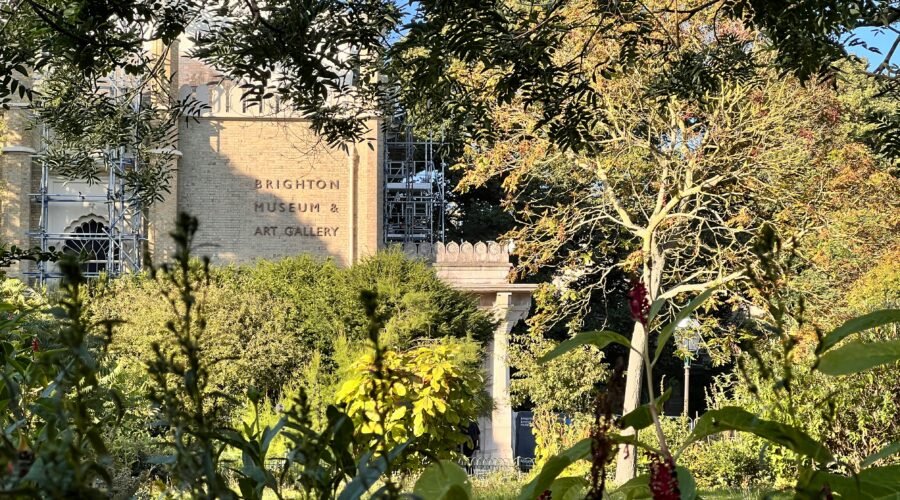
Tourism tapers off steadily after the first week of September. You will encounter noticeably shorter queues at the Royal Pavilion and Brighton Museum & Art Gallery, and getting a table at top restaurants in North Laine or Hove becomes significantly easier.
Autumn Costs
Accommodation prices fall noticeably after mid-September. Midweek stays in October and November provide some of the best quality-to-price ratios of the year, making autumn ideal for budget-conscious travellers seeking an unhurried coastal getaway.

Winter (December to February): Cosy Pubs, Festive Lights, and Low Season Bargains
Winter on the Sussex coast offers a peaceful, authentic side to the city. While outdoor swimming is reserved for hardy locals and sauna clubs, the city’s rich independent dining scene, historic pubs, and indoor arts venues shine throughout the colder months.
Winter Weather and Coastal Conditions
- December: Crisp winter air with averages of 5–9°C (41–48°F). Festive light displays illuminate The Lanes, and the Royal Pavilion Ice Rink draws visitors.
- January & February: The coldest period of the year, with daytime temperatures hovering between 4–8°C (39–46°F). Strong coastal winds and rain are common, though snow along the coast is relatively rare.
Winter Crowds and Local Vibe
Aside from bustling shopping weekends in December and the annual winter solstice parade, Burning the Clocks, visitor numbers are at their lowest annual levels. The city feels distinctly local, offering a calm atmosphere for museum visits, boutique shopping, and bracing seafront walks.
Winter Costs
Winter represents the most budget-friendly season in Brighton and Hove. Aside from New Year’s Eve and Valentine’s Day, hotels and guesthouses offer their lowest room rates of the year.
Month-by-Month Comparison: Brighton at a Glance
| Month | Avg High Temp | Crowd Level | Cost / Rates | Top Feature / Event |
|---|---|---|---|---|
| January | 7°C (45°F) | Low | Budget | Peaceful walks & pub fires |
| February | 8°C (46°F) | Low | Budget | Quiet shopping in The Lanes |
| March | 11°C (52°F) | Low–Moderate | Moderate | Early spring blooms & crisp air |
| April | 13°C (55°F) | Moderate | Moderate | Brighton Marathon & Easter |
| May | 16°C (61°F) | High | Moderate–High | Brighton Festival & Fringe |
| June | 19°C (66°F) | High | High | Long summer solstice daylight |
| July | 22°C (72°F) | Peak | Peak | Beach days & outdoor terraces |
| August | 22°C (72°F) | Peak | Peak | Brighton Pride & warmest sea |
| September | 19°C (66°F) | Moderate | Moderate | Best balance: warm water, fewer crowds |
| October | 15°C (59°F) | Moderate–Low | Moderate | Autumn foliage & cultural sights |
| November | 11°C (52°F) | Low | Budget | Quiet breaks & restaurant dining |
| December | 8°C (46°F) | Moderate | Moderate | Burning the Clocks & festive markets |
The Verdict: Choosing Your Ideal Brighton Escape
Your ideal time to visit Brighton and Hove depends on the kind of experience you want to have:
Best for Sunshine, Swimming, and Big Energy
- Target Months: July and August.
- Why: The city’s coastal energy peaks with full event calendars, outdoor concerts, and the best beach weather.
- Trade-offs: High accommodation costs and heavy crowds; early booking is mandatory.
Best for Balanced Weather, Arts, and Sightseeing
- Target Months: May, June, and September.
- Why: May delivers world-class arts festivals, June offers long daylight hours, and September boasts the warmest sea temperatures with thinner crowds.
- Trade-offs: Occasional spring showers; May weekends can see elevated hotel demand.
Best for Budget Travellers and Peace Seekers
- Target Months: November through February (excluding Christmas/New Year).
- Why: Off-peak hotel deals, quiet streets in The Lanes, and an authentic local coastal vibe.
- Trade-offs: Shorter daylight hours, colder temperatures, and higher likelihood of rain.
Frequently Asked Questions
What is the best month to visit Brighton for good weather?
July and August consistently offer the warmest weather and most sunshine hours in Brighton, with average daily highs of 21–24°C (70–75°F). Late June and early September also provide excellent, mild conditions for exploring.
When is peak tourist season in Brighton and Hove?
Peak tourist season spans July and August, peaking during the UK school summer holidays and major summer events such as Brighton Pride in early August. May is also exceptionally busy during the Brighton Festival and Fringe.
What is the off-peak season in Brighton and Hove?
The off-peak season runs from November through February (excluding Christmas and New Year’s Eve). During this period, tourist numbers are at their lowest, making it easy to visit attractions without crowds.
When is the best time to visit Brighton to avoid crowds?
The shoulder months of late April, May (midweek), September, and October offer the best combination of comfortable walking weather and manageable crowd levels.
What is the cheapest time to visit Brighton?
January, February, and November are the most affordable months to visit Brighton. Hotels, guesthouses, and off-peak rail fares offer significant discounts compared to peak summer prices.
Sources
- VisitBrighton — Official tourism board for Brighton & Hove events, accommodation, and seasonal visitor guides.
- Met Office UK — Climate averages, coastal weather records, and regional temperature statistics for South East England.
- Brighton Fringe — Event schedules and dates for England’s largest annual arts and comedy festival.
- Brighton & Hove Pride — Official event scheduling, festival dates, and visitor travel guidance.