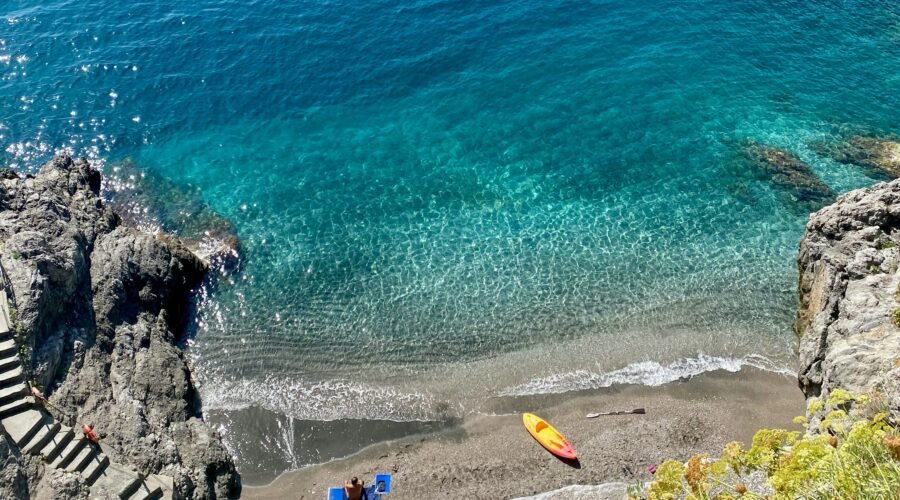
Deciding on the best time to visit Campania, Italy, depends on what matters most to you: comfortable sightseeing weather, warm beach days, lighter crowds, or lower travel costs. For many travelers, late spring and early autumn offer the easiest balance, while summer is best for a lively coastal holiday and winter favors quieter city and cultural trips.
Quick Answer
For most travelers, the best time to visit Campania is May, June, September, or early October. These months usually bring warm sightseeing weather without the most intense summer heat. July and August suit beach-focused trips but are busier and often more expensive, while November through March is quieter and can offer better accommodation value.
Key Takeaways
- Best overall balance: May, June, September, and early October.
- Best for beaches and nightlife: July and August, with the tradeoff of heavier crowds and higher demand.
- Best for Pompeii and long sightseeing days: April, May, late September, and October.
- Best for a quieter, lower-demand trip: November through March, particularly if Naples and archaeological sites matter more than beaches.
- Important: Easter, Ferragosto, festivals, weekends, and school holidays can make an otherwise moderate month much busier.
Campania Weather by Season
Campania has a Mediterranean-influenced climate along much of its coast, with hot, relatively dry summers and cooler, wetter winters. Conditions vary across the region, however. Naples, the islands, the Amalfi Coast, inland hills, and higher parts of the Apennines do not experience exactly the same temperatures or rainfall.
For a useful coastal reference, World Meteorological Organization climate information for Naples, supplied by the Italian Air Force Department of Meteorology, shows average maximum temperatures near 30°C (86°F) in July and August and around 13–14°C (55–57°F) in midwinter. The same dataset shows that autumn and early winter are considerably wetter than midsummer.
Note: Naples climate averages are a useful guide for coastal Campania, not a forecast for the entire region. Inland and higher-elevation locations can be cooler, especially at night and in winter.
Summer: June to August
Summer in Campania delivers the classic southern Italian holiday atmosphere: long days, strong sunshine, busy waterfronts, and warm conditions for coastal activities.
- Temperatures: Coastal daytime highs commonly reach the upper 20s to around 30°C (low to mid-80s°F), with hotter periods possible during heatwaves. Inland locations can feel hotter.
- Sunshine: Summer generally provides the longest and most reliably sunny days of the year.
- Rainfall: June through August is normally much drier than autumn and winter, although rain and thunderstorms can still occur.
- Humidity: Coastal humidity can make high temperatures feel more tiring than the thermometer suggests.
Warning: Pompeii, Herculaneum, exposed archaeological sites, and long coastal hikes can become exhausting during hot summer afternoons. Carry water, use sun protection, wear a hat, and schedule demanding outdoor sightseeing for earlier or later in the day when possible.
Autumn: September to November
Autumn begins with summer-like conditions and gradually becomes cooler and wetter. September is one of the strongest all-around months for travelers who want beaches and sightseeing on the same trip.
- September: Days are usually warm, with Naples climate averages still showing daytime maxima in the mid-20s°C. Coastal swimming can remain appealing, while the most intense July-August crowds begin to ease.
- October: Temperatures become milder and rainfall increases. It can be excellent for walking and cultural sightseeing, but you should pack for more variable weather.
- November: Cooler, wetter conditions become more common. Smaller seasonal businesses in coastal areas may operate on reduced schedules or close until spring.
Winter: December to February
Winter in Campania is generally mild compared with much of continental Europe, particularly near the coast, but it is not a dependable beach season.
- Temperatures: Naples climate averages put daytime maximums at roughly 13–14°C (55–57°F) in December through February, with cooler nights.
- Rainfall: Winter is part of Campania’s wetter half of the year, so a waterproof layer is useful.
- Snow: Snow is unusual around Naples and the immediate coast but can occur at higher elevations in Campania’s mountains.
- Daylight: Shorter days reduce outdoor sightseeing time, but museums, churches, food experiences, and city attractions remain strong options.
Spring: March to May
Spring steadily shifts from cool, changeable weather toward warm, bright days. By May, conditions are often excellent for walking, archaeological sites, coastal towns, gardens, and outdoor dining.
- March: Mild but changeable. Rain and cool evenings are still possible.
- April: Days become noticeably warmer, vegetation is green, and sightseeing is generally comfortable. Easter dates can create temporary crowd and price spikes.
- May: One of the strongest months for a mixed sightseeing-and-coast trip. Days are warmer and longer, while peak midsummer congestion has not fully arrived.
If you’re comparing Campania with a very different city break, you can also read Best Time to Visit Milwaukee, Wisconsin: Weather, Crowds, and Costs.
Best Time to Visit Campania by Travel Style
| Your Priority | Strongest Period | Main Tradeoff |
| Best overall balance | May, June, September, early October | Popular places are still busy, especially on weekends. |
| Beach holiday | June to September | July and August have the highest heat and demand. |
| Pompeii and cultural sightseeing | April-May and late September-October | Spring holidays and rainy autumn days can affect plans. |
| Lower crowds and accommodation demand | November to March | Cooler, wetter weather and fewer seasonal coastal services. |
| Festivals and lively atmosphere | May through September | Event dates can increase local hotel demand. |
Navigating the Crowds
Visitor numbers in Campania change considerably through the year, but the pattern is not identical everywhere. Naples remains an active year-round city, while Capri, the Amalfi Coast, and other coastal resorts show stronger seasonal swings.
Peak Season: July and August
July and August bring Campania’s most intense coastal tourism period, particularly around Capri and the Amalfi Coast.
- What to expect: Busy attractions, crowded waterfronts, fuller ferries and buses, greater pressure on parking, and high demand for popular restaurants and accommodation.
- Who it suits: Travelers who prioritize hot weather, beach time, nightlife, and a lively atmosphere.
- Accommodation: Reserve early when your dates are fixed, particularly for Capri, Positano, Amalfi, Ravello, and other high-demand coastal locations.
- Transport: Public transport helps avoid parking problems, but buses, trains, and ferries can themselves become crowded.
August 15 is Ferragosto, a national holiday and an especially important summer vacation period in Italy. Coastal destinations can be particularly busy around this date.
Shoulder Seasons: April-May and September-October
These periods are often the easiest compromise between weather and crowd levels, especially for travelers who want to combine Naples, archaeology, the Amalfi Coast, and other outdoor sightseeing.
- What to expect: Popular sites still attract substantial numbers of visitors, but the overall pressure is generally lower than at the height of summer.
- Who it suits: First-time visitors, walkers, cultural travelers, photographers, and anyone planning several outdoor attractions.
- Accommodation: Prices can be more forgiving than peak summer, although Easter, public holidays, festivals, and weekends may produce short periods of high demand.
- Transport: Coastal service is generally useful during the main tourism season, but individual ferry routes and operating dates vary.
Pro Tip: If you want the shoulder-season balance but still care about swimming and ferry flexibility, September is often easier than late October. If archaeology and walking matter more than the sea, April, May, and October can be excellent choices.
Off-Season: November to March
This is Campania’s quietest tourism period overall, but the experience varies sharply between Naples and smaller coastal destinations.
- What to expect: Fewer leisure tourists, cooler weather, and less competition for many city accommodations.
- Who it suits: Travelers focused on Naples, museums, food, churches, archaeology, photography, or a slower trip.
- Accommodation: Lower-demand dates can offer strong value, although Christmas, New Year, and special events create exceptions.
- Transport: Some coastal routes operate less frequently or seasonally. Others continue year-round. Check your exact dates with operators such as Travelmar instead of assuming the summer timetable will apply.
Cost Considerations

Your Campania budget depends on more than the season. Exact prices change with your origin, booking date, destination, hotel category, events, holidays, and how flexible you are. Seasonal demand is still useful for understanding the broad pattern.
Peak Season Costs: July and August
These are generally the highest-demand months for Campania’s islands and famous coastal destinations.
- Flights: Summer demand can raise fares, but the cheapest option depends on your departure city and when you book.
- Accommodation: Expect strong demand and premium pricing in places such as Capri, Positano, Amalfi, and other coastal resorts.
- Car rentals: Availability can tighten in high-demand periods, so compare rates before arrival if you genuinely need a car.
- Activities and tours: Popular departures may sell out earlier, making advance booking more useful than in winter.
- Restaurants: Menu prices do not automatically rise because it is summer, but reservations can become harder to secure in high-traffic destinations.
Shoulder Season Costs: April-May and September-October
Shoulder-season travel often gives you more flexibility without sacrificing pleasant sightseeing conditions.
- Flights: Fares may be lower than midsummer on some routes, but always compare your actual dates.
- Accommodation: Rates can be more moderate outside holidays and major events, although famous coastal towns remain expensive relative to less-touristed parts of Campania.
- Car rentals: Demand may be easier than in peak summer, but rates vary significantly by pickup location and booking date.
- Activities and tours: Availability is often better than in July and August.
Off-Season Costs: November to March
If keeping accommodation costs under control is a major priority, lower-demand winter dates are worth checking.
- Flights: Some dates can be inexpensive, but Christmas, New Year, school holidays, and last-minute booking can change the pattern.
- Accommodation: Naples and other year-round destinations can offer attractive winter rates. Some seasonal coastal properties close instead of discounting.
- Car rentals: Compare live rates rather than assuming winter is automatically cheapest.
- Activities and tours: Core cultural attractions continue operating, while some seasonal excursions may run less frequently.
Month-by-Month Campania Guide
| Month | Typical Planning Conditions | Crowds | Cost Pressure |
| January | Cool and relatively wet; good for Naples and cultural sightseeing. | Low | Usually lower |
| February | Cool, changeable weather; quiet outside special events. | Low | Usually lower |
| March | Early spring; mild days mixed with cooler or rainy periods. | Low to moderate | Low to moderate |
| April | Mild spring weather; excellent for walking and ruins. | Moderate; higher around Easter | Moderate |
| May | Warm, green, and excellent for mixed sightseeing and coastal trips. | Moderate to busy | Moderate |
| June | Warm, relatively dry, long days; strong beach-and-sightseeing month. | Busy | Moderate to high |
| July | Hot, sunny, and beach-focused. | High | High |
| August | Hot; intense coastal holiday period, especially around Ferragosto. | Very high in resorts | High |
| September | Warm and excellent for combining coast, cities, and archaeological sites. | Moderate to busy | Moderate to high |
| October | Mild and increasingly wet; comfortable for sightseeing when weather cooperates. | Moderate | Moderate |
| November | Cooler and wetter; better for cities than a beach-first trip. | Low | Usually lower |
| December | Cool and festive; useful for Naples, food, churches, and Christmas traditions. | Low to moderate | Variable around holidays |
Key Events and Festivals

Festivals can make a Campania trip more memorable, but they can also change hotel availability, traffic, and crowd levels. Some dates are fixed; others change every year, so verify the current program before arranging a trip around a specific event.
Spring Festivals
- Easter Week: Easter is an important religious and travel period across Italy. Processions, church services, and traditional celebrations take place throughout Campania. Dates change annually, and accommodation demand can rise around the holiday.
- Sagra del Carciofo di Paestum: Spring celebrations around the Paestum artichoke showcase one of the area’s best-known agricultural products. Confirm the current year’s dates before booking.
- Maggio dei Monumenti: Naples’ long-running May cultural program fills the city with exhibitions, special openings, performances, guided visits, workshops, and other events. In 2026, the 32nd edition ran from May 2 to June 2.
Summer Festivals
- Ravello Festival: Ravello’s major arts festival presents concerts and performances in remarkable historic settings. The official Ravello Festival program listed the 2026 edition from July 4 through September 5.
- Ischia Film Festival: This international film festival is held at Castello Aragonese. The 2026 edition ran from June 27 through July 4; future dates should be checked with the organizer.
- Pizza Village: The event’s timing can change from year to year. The official Pizza Village site lists the 2026 Naples-area edition for July 7–12 on the Pozzuoli waterfront, rather than September.
- Ferragosto: August 15 is a national holiday. Beach areas can become especially lively as many Italians take summer holidays around this period.
Autumn Festivals
- Feast of San Gennaro: September 19 is one of Naples’ most important religious dates. The city’s patron-saint celebrations center on Naples Cathedral and the traditional ritual involving the relic of San Gennaro’s blood. Italia.it provides an overview of the tradition and celebrations.
- Grape-harvest celebrations: Inland wine areas may hold local events during the September-October harvest period. Dates and locations vary.
- Chestnut festivals: Autumn sagre celebrating chestnuts take place in a number of inland communities. These are local events rather than one single region-wide festival, so check municipal calendars for your travel dates.
Winter Festivals
- Christmas traditions: Naples is especially known for the artisan Nativity-scene workshops and shops around Via San Gregorio Armeno, which become particularly popular during the Christmas season.
- New Year’s Eve: Naples and other towns host celebrations, concerts, and fireworks around December 31 and January 1.
- Carnival: Carnevale takes place before Lent, usually in February or early March depending on the year. Local parades and celebrations vary by town.
If you want to compare Campania with a destination outside Italy, the existing guide to the best time to visit Bartın covers seasonal planning for Bartın, Türkiye, on the Black Sea.
Specific Destination Considerations
Amalfi Coast & Capri
- Best time: May, June, and September are especially strong choices if you want warm conditions and broad tourism services without committing to the heaviest August period.
- Busiest time: July and August bring the strongest combination of heat, holiday demand, traffic, and pressure on transport.
- Winter considerations: The coast does not completely close, but some hotels, restaurants, excursions, and ferry routes operate less frequently or seasonally.
- Practical tip: Reserve accommodation early when traveling from late spring through September. If you are relying on boats, check the exact ferry timetable before choosing a hotel that depends on a particular connection.
Pompeii & Herculaneum
- Best time: April-May and late September-October generally provide more comfortable walking conditions than the hottest part of summer.
- Summer challenge: Large parts of the archaeological areas are exposed to direct sun, making midday visits demanding during hot weather.
- Current Pompeii entry rules: The official Pompeii Archaeological Park states that Pompeii uses nominative tickets and a daily limit of 20,000 admissions. During the March 16-October 14 period, admissions are divided between morning and afternoon time bands.
- Practical tip: Check the official archaeological park site shortly before visiting because opening areas, ticket rules, and access arrangements can change.
Naples
- Best time: Naples works well year-round. Spring and autumn are especially comfortable for long days on foot, while winter favors museums, churches, restaurants, underground sites, and other cultural attractions.
- Summer: Hot weather can make long urban walks tiring, although the city remains active and provides easy access to coastal day trips.
- August: Some locally oriented businesses may close for holidays, while major visitor areas continue operating.
- Practical tip: Stay near the transport connections that match your itinerary. A traveler making several Pompeii, Sorrento, island, or coastal trips may value station or port access more than a purely scenic neighborhood.
Cilento Coast
- Best time: June and September are strong choices for beach weather with less peak-season pressure than August.
- Summer: Cilento can feel more relaxed than the most famous Amalfi Coast hotspots, though popular beach areas still become busy.
- Winter: Smaller resorts can become very quiet and visitor services may be limited.
- Practical tip: Cilento is particularly attractive if you want beaches and smaller communities without making the Amalfi Coast the center of the entire trip.
Planning Around Transport and Holidays
Campania is easier to enjoy when your travel dates match the transport network you actually intend to use. Naples has year-round rail, metro, bus, and ferry connections, but island and coastal routes can be more seasonal.
- For Capri or the Amalfi Coast: Check exact ferry dates and departure ports before booking non-refundable accommodation.
- For Pompeii: Reserve entry according to current official ticket rules, particularly during busy periods.
- For summer road trips: Do not assume a rental car will make the Amalfi Coast easier. Traffic, narrow roads, restricted access, and limited parking can make public transport or ferries more practical.
- For Easter and Ferragosto: Reserve important accommodation and long-distance transport earlier because domestic travel demand can rise sharply.
- For winter: Build more flexibility into coastal day trips in case weather or reduced schedules affect boat services.
For most first-time visitors, May, June, September, and early October provide the easiest balance between Campania’s coast, archaeological sites, cities, weather, and crowd levels.
Conclusion: Tailoring Your Trip
There is no single perfect month for every traveler, but your priorities make the decision much easier.
- For beaches, hot weather, and maximum summer energy: Choose July or August, accepting heavier crowds and stronger demand for accommodation and transport.
- For the best overall balance: May, June, September, and early October are excellent starting points. April can also be very good if swimming is not essential.
- For Pompeii, Herculaneum, walking, and cultural sightseeing: Favor spring or autumn rather than the hottest summer afternoons.
- For lower crowds and a city-focused trip: Consider November through March, especially if Naples, food, museums, and archaeology are more important than coastal resort life.
Whichever period you choose, check weather forecasts, attraction rules, ferry schedules, and major event dates shortly before departure. Campania’s combination of Naples, ancient sites, islands, mountains, coastal towns, and food culture means a good trip is possible in every season—you simply need to match the season to the experience you want.
Sources
- World Meteorological Organization — Naples Climate Information — coastal temperature and rainfall averages supplied by the Italian Air Force Department of Meteorology.
- Archaeological Park of Pompeii — Timetables and Tickets — current entry limits, nominative tickets, admission periods, and visitor information.
- Travelmar — current Amalfi Coast ferry services and timetables.
- Italia.it — Feast of San Gennaro in Naples — September 19 celebration and religious tradition.
- Fondazione Ravello — official Ravello Festival information and annual program.
- Pizza Village — official Naples-area event dates and visitor information.
Frequently Asked Questions
1. What is the best time to visit Campania for favorable weather?
May, June, September, and early October are among the strongest all-around choices. They generally provide warm conditions for sightseeing without forcing you into the hottest and busiest part of midsummer.
2. When is peak tourist season in Campania?
July and August are the main peak months for the Amalfi Coast, Capri, beach resorts, and other leisure destinations. Demand can become especially intense around Ferragosto on August 15.
3. What is the shoulder season in Campania?
April through June and September through October are commonly treated as shoulder-season periods, although June and September can still be very busy in famous coastal towns. May and early October often provide a particularly useful sightseeing balance.
4. When is the off-peak season in Campania?
November through March is generally the quietest period. Naples remains active year-round, while some smaller coastal hotels, restaurants, tours, and transport routes operate less frequently or seasonally.
5. How expensive is Campania during peak season?
July and August usually create the greatest accommodation pressure in Capri, the Amalfi Coast, and popular beach destinations. Exact flight, hotel, car-rental, and tour prices vary by date and booking conditions, so live comparisons are more reliable than fixed seasonal price estimates.
6. What is the best month for the Amalfi Coast and Capri?
May, June, and September are excellent choices for many travelers because coastal services are active and the weather is generally warm. July and August are hotter and busier, while winter brings quieter towns and more limited seasonal services.
7. What is the best time to visit Pompeii?
April, May, late September, and October are strong choices because walking conditions are generally more comfortable than in peak summer. Whatever month you choose, check Pompeii’s official ticket and opening information before your visit.
8. Is Campania worth visiting in winter?
Yes, particularly if your priorities are Naples, food, museums, churches, archaeological sites, and fewer tourists. Winter is cooler and wetter, and coastal services can be more limited, so it is less suitable for a beach-centered itinerary.