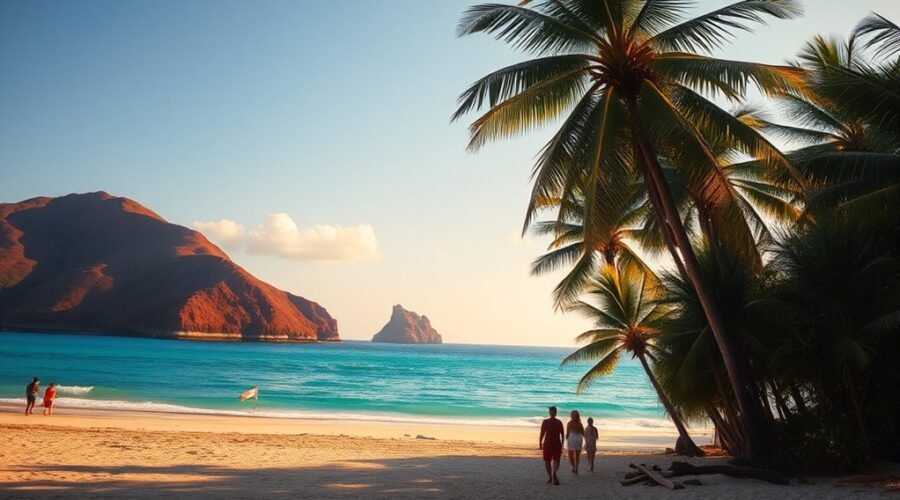
If you’re planning a trip to Cooktown, Queensland, aim for the dry season between May and September when skies clear, temperatures stay mild and seas calm for snorkeling and hiking. You’ll find fewer crowds and lower prices than in summer, with May and September offering quieter streets and cheaper flights while June–August give the most reliable weather and wildlife sightings. Keep going to see which months suit your priorities—sun, trails or savings.
Key Takeaways
- Visit June–August for the best balance of clear weather, calm seas, and peak tour availability.
- Choose May or September for fewer crowds and lower prices while still enjoying good weather.
- April–October offers the best snorkeling conditions with calm seas and excellent underwater visibility.
- Avoid January–March wet season for travel reliability; expect storms, closures, and higher humidity.
- Book early for peak windows and festivals, or use flexible dates and alerts to secure last‑minute deals.
Best Months to Visit Cooktown : Picks for Sun, Hiking or Savings
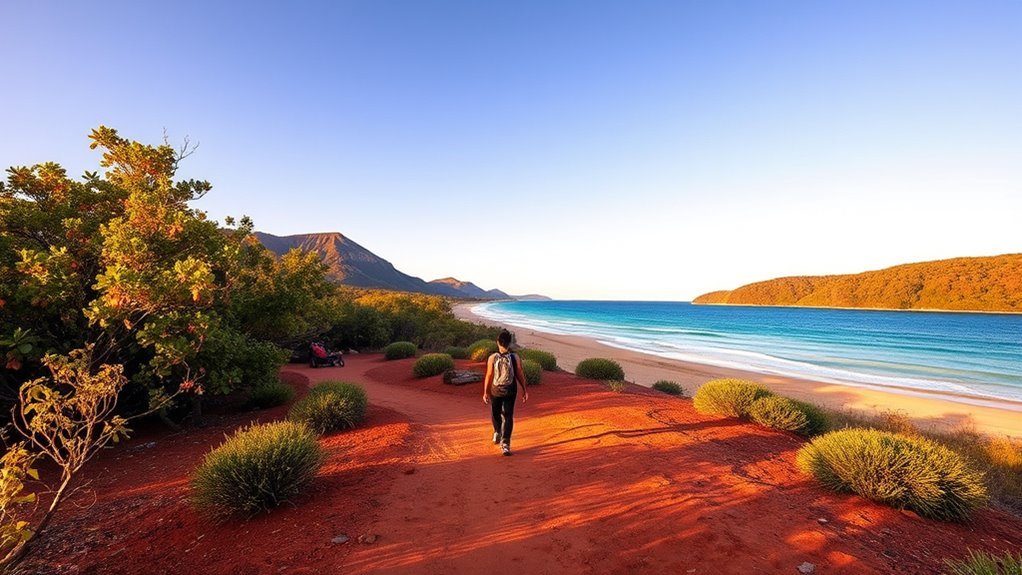
If you want sun-drenched days and clear water for snorkeling, visit Cooktown in the dry season from May to September. You’ll find crisp mornings that free you to hike the coastal trails, enjoy wildlife spotting without the rain, and join local festivals that celebrate culture and sea.
Visit Cooktown May–September for sunlit snorkelling, crisp hiking mornings, wildlife spotting, and lively coastal festivals.
For peak sunshine and stable conditions, aim for June–August; trails stay firm, visibility improves, and reef trips run reliably.
If you crave solitude and lower prices, shoulder months like May and September reward you with fewer crowds and good weather for mornings of birdwatching and afternoons sampling local cuisine.
For strict budget travel, consider the wet season’s discounted stays and lively, lush landscapes—just plan around heavier rains.
Wherever you choose, balance your goals: sun for snorkeling, cool dry months for trekking, or off-peak savings for a more liberated, flexible itinerary that still delivers Cooktown’s charms.
How to Choose: Weather, Crowds and Travel Goals
When planning your Cooktown trip, weigh weather patterns, crowd levels and what you want to get out of the visit so each choice supports your priorities.
Decide if you seek solitude, adventure, or cultural freedom: drier months bring clear hikes and sparser crowds, wet months offer lush landscapes and fewer tourists but more rain interruptions.
Match your goals to seasonal experiences—festivals or quiet reef time—and pick accommodation types that fit: eco‑lodges for immersion, B&Bs for local connection, or self‑contained units for independence.
Factor costs and practicalities: compare flight and tour prices, confirm cancellation policies, and buy travel insurance that covers tropical weather events.
Plan meals around local cuisine to support community‑led ventures and deepen your experience.
If liberation means flexible days, choose refundable bookings and slower travel rhythms.
Balance optimal conditions with what makes you feel free: choose months and services that let you explore Cooktown on your terms.
Month-by-Month Outlook for Cooktown (Weather, Wildlife, Tours)
Although Cooktown’s tropical seasons shape daily life, a month-by-month outlook helps you match weather, wildlife highlights and tour availability to your interests.
January–March bring wet heat and dramatic storms; you’ll see lush rainforest rebirth, fewer tourists, and some tours paused, but locallife photography pops with saturated greens and dramatic skies.
April–May cool slightly; birdlife intensifies and fishing charters resume, so plan early for popular guides.
June–July offer crisp mornings and clear days; you’ll find peak tour availability, cultural events, and bustling culinary tours showcasing fresh seafood.
August–September stay dry and warm, ideal for exploring historic streets at leisure and capturing golden-hour photos.
October warms again; reptiles become active, and some boat operators reduce schedules in anticipation of rains.
November–December shift to the wet season: expect humidity, intermittent closures, and the wild energy of the landscape returning.
Use this calendar to claim the experiences you want—photography, wildlife, or food—and travel when Cooktown amplifies your sense of freedom.
Best Times for Snorkeling vs. Hiking in Cooktown
Curious which months suit snorkelling and which favour hiking in Cooktown? You’ll find clear seasonal rhythms: April to October brings calm seas and visibility for reef time, while May to September offers cooler, drier trails for long walks. Pack reliable snorkeling gear for reef excursions; rinse it after each outing. When trails call, lace up sturdy hiking boots—wet-season tracks can be slick and overgrown.
| Activity | Best Months | Why |
|---|---|---|
| Snorkeling | Apr–Oct | Clear water, safer currents, better reef visibility |
| Hiking | May–Sep | Dry trails, fewer leeches, comfortable daytime temps |
| Dual trips | Jun–Aug | Optimal balance: calm seas and dry land |
Observe tides and weather daily; freedom comes from choosing conditions that match your risk tolerance. You’ll move more freely when you plan around seasonal windows, respect local advice, and carry minimal, dependable kit—snorkeling gear for coral and hiking boots for mountain tracks.
Cooktown Crowds, Events, and Budget & Booking Tips
After you’ve picked the best months for snorkeling and hiking, plan for how timing affects crowds, special events, and costs in Cooktown.
You’ll find that peak windows—school holidays and midwinter festival dates—bring lively streets, more stalls at local festivals, and higher accommodation deals margins.
If you want freedom from crowds, aim for shoulder seasons when markets hum but tour groups thin out.
Watch local festival calendars; events can transform availability and local market pricing overnight, but they also offer chances to connect with community and score unique experiences.
For budget travel itineraries, book early for savings on guided tours and split costs with fellow travelers for transfers.
Use flexible dates to snag last-minute accommodation deals, but set price alerts and compare hostels, guesthouses, and low-season rates.
Travel light, bargain respectfully at markets, and prioritize experiences that expand your sense of liberation rather than costly comforts.
Frequently Asked Questions
Is Cooktown Suitable for Family Travel With Young Children?
Yes — you’ll find Cooktown family friendly beaches, calm walking paths and budget friendly activities like nature walks, cultural displays and relaxed fishing; you’ll feel free exploring safe, uncrowded spaces that suit young children’s pace.
Are There Any Health Risks or Required Vaccinations Before Visiting?
Jumping in feet first, you’ll need routine vaccinations up to date; no special shots are mandatory. You’ll take health precautions against mosquito-borne illness, sunburn, and dehydration, and consult travel clinic for tailored advice.
What Are the Best Transportation Options to Reach Cooktown?
You’ll most often drive in: car rental gives freedom to explore Cooktown and nearby wilds, though limited train service reaches regional hubs only; combine a rental with coach links or flights for maximum independence and discovery.
Are There Accessible Facilities and Services for Travelers With Disabilities?
Yes — you’ll find accessible rest facilities and inclusive services in Cooktown; many public spots, accommodations, and tour operators offer ramps, accessible bathrooms, and assistance, letting you travel freely, confidently, and with dignified independence.
Can I Bring Pets or Are There Quarantine Restrictions for Animals?
You can bring pets, but Pet policies and Quarantine rules apply: you’ll need approved vaccinations, documentation, and possible quarantine on entry to Australia; check state regulations, arrange permits, and assert your right to travel freely with informed, prepared planning.
Conclusion
Plan your trip between May and September for the clearest skies, calm seas and fewer crowds — “make hay while the sun shines.” You’ll find May and September quieter with cheaper airfares, while June–August delivers the most reliable dry weather, abundant wildlife and great hiking. Choose snorkeling on calm days and hike early for cooler temperatures. Book ahead for tours and snag midweek deals to stretch your budget without sacrificing the experience.