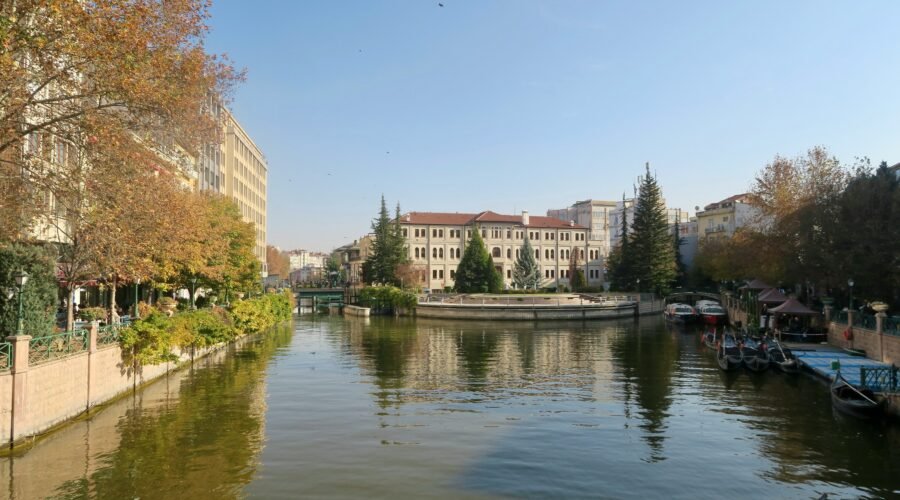
Planning a trip to Eskişehir? The best time to visit Eskişehir depends on the weather you enjoy, the activities you want to try, and your travel budget. This lively Turkish city is known for its Porsuk River, colorful Odunpazarı streets, spacious parks, museums, and student culture. Choosing the right month can make exploring these attractions much more comfortable.
Quick Answer
For most travelers, late April to early June and September to mid-October offer the best balance of comfortable sightseeing weather and outdoor activities. May’s average daytime high is 22.3°C (72°F), while September’s is 26.1°C (79°F). July and August are hotter, and December through February are colder, with possible snow.
Last checked: October 23, 2026. Dates and figures were verified against official sources.
Key Takeaways
- April and May are relatively rainy. August is much drier, but its average daytime high exceeds 30°C.
- Walking through Odunpazarı, exploring public parks, and enjoying the Porsuk riverside are budget-friendly activities. Museums and boat rides usually cost extra.
- Festivals, public holidays, and university activity can make particular weekends busy, even outside summer.
- Winter suits museum visits and cozy cafes, although freezing nights and occasional snow call for warmer clothing.
Best Time to Visit Eskişehir: Month-by-Month Weather
Eskişehir has a continental climate, with warm, generally dry summers and cold winters. Spring and autumn offer more comfortable conditions for walking, although temperatures can change considerably between day and night.
The following figures come from the Turkish State Meteorological Service’s official Eskişehir climate statistics, covering the 1991–2025 observation period. These are historical monthly averages, not forecasts for a particular trip.
| Month | Average High | Average Low | Average Rainy Days | Travel Conditions |
|---|---|---|---|---|
| January | 4.4°C | -3.7°C | 7.9 | Cold; indoor sightseeing |
| February | 7.2°C | -3.4°C | 7.6 | Cold; museums and cafes |
| March | 12.1°C | -0.8°C | 7.8 | Cool; changeable spring weather |
| April | 17.3°C | 3.2°C | 7.4 | Good for walking; bring a jacket |
| May | 22.3°C | 7.3°C | 6.4 | Excellent for parks and sightseeing |
| June | 26.8°C | 11.3°C | 4.3 | Warm; good for outdoor visits |
| July | 30.0°C | 13.8°C | 2.2 | Hot afternoons; dry weather |
| August | 30.3°C | 13.8°C | 1.9 | Hottest, driest period |
| September | 26.1°C | 9.3°C | 2.9 | Warm days; pleasant evenings |
| October | 20.3°C | 5.0°C | 5.6 | Comfortable early autumn sightseeing |
| November | 12.9°C | 0.3°C | 6.0 | Chilly; museum-friendly |
| December | 6.6°C | -1.6°C | 8.3 | Cold; winter atmosphere |
The main difference is clear: May and September provide pleasant daytime conditions without the typical July and August heat. April and October are also attractive, but mornings and evenings can feel quite cool.
Rain is another consideration. April averages 44.1 mm of precipitation, compared with just 11.2 mm in August. A lightweight rain jacket is useful for spring visits, while sun protection becomes more important in summer.
Spring in Eskişehir: March to May
Spring is one of the most enjoyable seasons in Eskişehir, especially from late April onward. Parks become greener, outdoor cafes get busier, and comfortable daytime temperatures make it easier to explore several attractions in one day.
Spring Weather: What Should You Expect?
March can still feel like winter, with cold nights and an average daytime high of 12.1°C (54°F). April brings milder weather, but May is generally more comfortable for a full day outdoors.
In May, the average high reaches 22.3°C (72°F), while the average low is 7.3°C (45°F). That difference means you may want a sweater after sunset even when the afternoon feels warm.
Spring showers are normal. However, rain need not spoil your trip if you combine outdoor sightseeing with nearby museums and cafes.
Best Things to Do in Eskişehir During Spring
- Walk beside the Porsuk River: Enjoy the riverside paths, bridges, outdoor seating, and views around Köprübaşı and Adalar.
- Explore Sazova Park: Visit the landscaped grounds, Fairy Tale Castle, Science Experiment Center, and other family-friendly attractions.
- Discover historic Odunpazarı: Walk through streets lined with colorful Ottoman-era houses, traditional shops, and historic buildings.
- Visit the Odunpazarı Modern Museum: Combine contemporary art with the neighborhood’s traditional architecture.
- Enjoy outdoor cafes: Take advantage of pleasant afternoons for Turkish coffee, tea, or a relaxed meal.
- Go cycling: Use the city’s riverside paths and suitable cycling routes while temperatures are comfortable.
One of the best family stops is Sazova Science, Culture and Art Park. According to the city’s tourism portal, this approximately 400,000-square-meter park is open daily from 08:00 to 23:00, and general park admission is free.
Some attractions inside the park charge separate fees. The Fairy Tale Castle, zoo, aquarium, Science Experiment Center, and Sabancı Planetarium are closed on Mondays. The park itself remains accessible.
Spring Crowds and Travel Costs
Eskişehir’s student population helps keep cafes, restaurants, and public areas lively during the academic year. Spring can therefore feel active even outside major holidays.
Weekend visitors and festivals may increase demand around popular attractions. A midweek visit can be a better choice if you prefer quieter streets and fewer people in your photographs.
Accommodation prices depend on specific dates, hotel location, events, and booking demand. Spring does not automatically mean cheaper rooms than summer, so compare the same hotel across your available travel dates.
Who Should Visit in Spring?
Spring is particularly suitable for first-time visitors, families, photographers, and travelers who enjoy walking. May offers an especially appealing balance between comfortable daytime weather and greenery.
If you dislike rain, remember that spring is wetter than summer. Still, the comfortable temperatures make it a strong season for exploring the city’s main attractions.
Summer in Eskişehir: June to August
Summer brings long, sunny days and relatively little rain, making outdoor activities easy to plan. However, July and August can feel hot during the afternoon, especially in large parks or open spaces with limited shade.
How Hot Does Eskişehir Get in Summer?
June has an average daytime high of 26.8°C (80°F), making it a more comfortable summer option for many travelers. In July and August, average highs rise to 30.0°C and 30.3°C (86°F and 87°F).
Heatwaves can push temperatures considerably higher. Eskişehir’s official historical records include summer temperatures above 40°C (104°F), although these are extremes rather than typical daily conditions.
The driest weather occurs in July and August. This can be useful for outdoor planning, but afternoon sunshine can make extended sightseeing tiring.
Best Summer Activities
- Morning visits to Sazova Park: Explore the outdoor grounds before the hottest part of the day.
- Porsuk River boat rides: See the city from the water and enjoy the atmosphere around Adalar.
- Kentpark: Spend time in its green spaces, walking areas, and seasonal recreation facilities.
- Indoor museums: Visit OMM, the Wax Museum, and other cultural attractions during hot afternoons.
- Evening dining: Enjoy the lively riverside cafes and restaurants after temperatures begin to fall.
Kentpark’s official visitor information lists the park as free to enter daily from 05:00 to midnight. Its artificial beach operates seasonally from June through September, with listed hours of 10:00–18:00 and paid admission.
This makes Kentpark a useful summer option for families and visitors who want outdoor recreation without leaving the city.
How to Stay Comfortable During Summer
- Explore early or late: Schedule longer outdoor walks for mornings and late afternoons rather than the strongest midday sun.
- Use indoor breaks: Visit museums, galleries, or air-conditioned restaurants during the hottest hours.
- Carry drinking water: Keep hydrated while walking between attractions.
- Dress for the heat: Choose breathable clothing, comfortable walking shoes, and a sun hat.
- Protect your skin: Wear sunglasses and apply suitable sunscreen when spending time outdoors.
Are Summers Crowded and Expensive?
Summer holidays can make family attractions, major parks, and popular weekend destinations busy. However, Eskişehir is different from Turkey’s coastal resort cities because university activity also influences local crowds.
Some student-focused areas may become quieter during university breaks, while family attractions can remain busy. It is therefore misleading to assume that July and August are always the city’s most crowded months.
Hotel rates also vary. Summer travel may coincide with higher international flight demand, but local accommodation prices depend on availability and particular travel dates.
Who Should Visit in Summer?
Summer suits travelers who enjoy sunny weather, evening activities, and seasonal outdoor attractions. June is often more comfortable than July or August for long walks.
Families planning to use Kentpark’s summer facilities may particularly appreciate this season, provided they are prepared for warmer afternoons.
Autumn in Eskişehir: September to November
Autumn is another excellent season for visiting Eskişehir. September remains warm, October offers comfortable walking weather, and November brings colder conditions that make indoor activities increasingly appealing.
Autumn Weather: September vs. October
September has an average high of 26.1°C (79°F) and an average low of 9.3°C (49°F). The relatively warm afternoons and cooler evenings are well suited to exploring the riverside and historic neighborhoods.
By October, the average daytime high falls to 20.3°C (69°F), with an average low of 5.0°C (41°F). This makes early October particularly attractive for visitors who prefer cooler walking temperatures.
November is much colder, averaging a daytime high of 12.9°C (55°F). You will likely need warmer clothing, particularly in the evening.
Best Things to Do During Autumn
- Photograph Porsuk River: Look for reflections, riverside scenery, and autumn foliage in parks and green spaces.
- Explore Odunpazarı: Enjoy walking among historic houses without the stronger summer sunshine.
- Visit museums: Combine the Wax Museum, OMM, and local galleries into a cultural sightseeing day.
- Relax at riverside cafes: Enjoy Turkish coffee while watching the activity around Adalar.
- Explore local food: Try Eskişehir specialties such as çibörek and met helvası.
- Visit Sazova Park: Enjoy the open spaces and changing seasonal colors.
How Much Do Porsuk River Boat Rides Cost?
A Porsuk River boat ride is one of Eskişehir’s best-known experiences, particularly when the weather is comfortable.
According to the city’s official Porsuk River tour information, the listed prices are:
- Gondola tour: 1,000 Turkish lira per gondola, accommodating up to four people.
- Esbot tour: 165 Turkish lira per person.
- Operating hours: Daily, 10:00–19:00, subject to operational conditions.
- Payment: Credit or debit card; cash is not accepted.
The gondolas offer a smaller-group experience, while Esbot boats accommodate more passengers. Walking beside the river is free, so you can still enjoy the atmosphere without purchasing a ticket.
These were the published rates at the time of checking. They may change before your visit.
Autumn Crowds and Accommodation
September and October bring students back to the city, helping maintain Eskişehir’s busy cafe and cultural scene. Tourist activity may be more comfortable than on major summer holiday weekends, although festivals can make particular dates busy.
October is especially appealing if you want a quieter daytime walk around Odunpazarı followed by an evening in a lively restaurant or cafe.
Accommodation costs are not guaranteed to decrease after August. A large event, national holiday, or busy weekend may affect prices even during autumn.
Who Should Visit in Autumn?
Autumn works particularly well for couples, photographers, museum lovers, and travelers who enjoy cooler weather. September suits visitors who prefer warmth, while early October is a strong choice for comfortable walking.
If you plan to stay outdoors after sunset, bring an extra layer. The temperature difference between day and night can be substantial.
Winter in Eskişehir: December to February
Winter brings cold temperatures, occasional snowfall, and a different atmosphere to Eskişehir. It is a good season for travelers who prefer museums, cafes, and short outdoor walks rather than full days of sightseeing on foot.
How Cold Does Eskişehir Get?
January is particularly cold, with an average daytime high of 4.4°C (40°F) and an average nighttime low of -3.7°C (25°F). December and February are also cold, with overnight temperatures commonly falling below freezing.
Snow is possible during winter. However, you should not expect permanent snow cover or assume that every winter visit will include snowfall.
Cold winds and icy conditions can make outdoor sightseeing less comfortable. Warm layers, suitable shoes, gloves, and a winter jacket are sensible packing choices.
Best Things to Do in Winter
- Explore indoor museums: Spend time in the Wax Museum, contemporary art galleries, and other cultural venues.
- Enjoy cozy cafes: Warm up with Turkish coffee, tea, or another hot drink.
- Try a traditional hamam: A Turkish bath can be an enjoyable way to relax during cold weather.
- Photograph historic streets: If snow falls, the old buildings of Odunpazarı can look particularly beautiful.
- Visit Espark: Browse indoor shops and restaurants during especially cold or wet weather.
- Sample winter food: Try mantı, lentil soup, çibörek, or boza.
The city’s aviation attractions can also be interesting during suitable weather. The official Vecihi Hürkuş Aviation Park visitor listing states that it is free to enter Tuesday through Sunday from 09:00 to 19:00, with Monday closures.
Because parts of the aviation display are outdoors, this attraction is more enjoyable when the weather is dry and conditions are comfortable.
Are Winter Crowds Smaller?
Winter can be quieter for outdoor sightseeing, especially on ordinary weekdays. However, Eskişehir remains an active university city, so restaurants and central streets do not become empty.
Indoor attractions may still be busy on weekends, during school holidays, or when special events take place.
Is Winter the Cheapest Time to Visit?
Winter can offer good accommodation value, particularly outside holidays and major events. Hotels may have more availability on quieter dates, allowing you to find competitive rates.
However, there is no verified citywide hotel-price figure showing that every winter month is cheaper than every summer month.
For a budget trip, compare weekday accommodation options and prioritize free outdoor attractions whenever the weather permits.
Who Should Visit in Winter?
Winter is a suitable choice for budget-conscious travelers, museum enthusiasts, and visitors who enjoy a quieter atmosphere.
It is less suitable if your main goal is spending long hours outdoors, cycling, or enjoying warm riverside weather.
Eskişehir Crowds, Public Holidays, and Travel Costs
Weather is only one part of choosing your travel dates. Public holidays, major cultural events, and weekend demand can affect crowd levels and accommodation availability throughout the year.
Seasonal Crowd and Budget Comparison
| Season | Typical Crowd Pattern | Budget Considerations | Best For |
|---|---|---|---|
| Spring (March–May) | Active student areas; busier event weekends | Compare event and non-event dates | First-time visitors and outdoor sightseeing |
| Summer (June–August) | Family attractions may be busy; student activity varies | Holiday travel demand can affect total costs | Sunny days and summer recreation |
| Autumn (September–November) | Lively university areas; festival-related peaks | Good value possible outside special events | Walking, photography, and cultural visits |
| Winter (December–February) | Often quieter outdoors; active indoor venues | Potential hotel deals on ordinary weekdays | Museums, cafes, and budget trips |
These crowd and cost descriptions are planning guidance, not measured visitor counts or guaranteed seasonal hotel rates.
Which Holidays Can Make Eskişehir Busier?
National holidays can bring additional domestic travel and special activities. The official 2026 Turkish holiday calendar includes:
- April 23, 2026: National Sovereignty and Children’s Day.
- May 1, 2026: Labour and Solidarity Day.
- May 19, 2026: Commemoration of Atatürk, Youth and Sports Day.
- May 27–30, 2026: Eid al-Adha holiday period, with a half-day holiday on May 26.
- July 15, 2026: Democracy and National Unity Day.
- August 30, 2026: Victory Day.
- October 29, 2026: Republic Day, preceded by a half-day holiday on October 28.
These dates matter particularly if your trip overlaps a long weekend or major public celebration. Holiday dates may affect attraction schedules, local activity, and accommodation demand.
Free and Paid Activities
Eskişehir can be affordable to explore because several of its best-known sights are public spaces.
- Free activities: Walking around Odunpazarı, visiting the Porsuk riverside, and exploring the public grounds of Sazova Park and Kentpark.
- Paid activities: Gondola rides, Esbot tours, certain Sazova attractions, museums, and Kentpark’s seasonal beach.
- Food and drinks: Local cafes, bakeries, and restaurants offer different price levels, so spending depends on your choices.
- Transportation: Walking works well in central areas, while trams, buses, and occasional taxis can help with attractions farther apart.
How Much Does the Odunpazarı Modern Museum Cost?
The Odunpazarı Modern Museum’s official visitor page lists general admission at 250 Turkish lira, discounted admission at 180 lira, and group admission at 220 lira.
Children under 12, museum members, and several other eligible groups receive free admission. Ticket sales end 30 minutes before closing.
The museum lists Monday as its regular closing day. Its published schedule includes weekday opening hours of 10:00–18:00, Saturday hours of 10:00–16:00, and Sunday hours of 11:00–18:00.
These are published visitor details rather than permanent guarantees. Special exhibitions and events can affect opening times.
Eskişehir Festivals and Special Events
Eskişehir’s cultural scene adds another reason to visit at different times of the year. Theater, cinema, music, and art events can make an otherwise ordinary weekend more exciting.
Festival dates are not necessarily the same every year. The dates below identify confirmed past events or announced events for 2026, rather than assuming that each festival follows a fixed annual schedule.
Spring Festivals: Theater and Cinema
The 17th International Eskişehir Children, Youth and Puppet Theatre Festival took place from May 16–20, 2026.
Organized by Eskişehir Metropolitan Municipality City Theatres, the free festival brought international performances, puppet theater, workshops, and cultural activities to different parts of the city.
Eskişehir also hosts an international film festival associated with its university and cinema culture. The 22nd Eskişehir International Film Festival program ran from May 23–31, 2025, with screenings and related activities.
A date for a 2026 edition was not confirmed in the official program reviewed. Visitors should not assume the film festival always takes place in October, as the original article suggested.
Summer Events and Outdoor Activities
Summer is especially suited to outdoor concerts, evening cultural activities, and recreation in public parks.
Kentpark’s seasonal artificial beach and the Porsuk riverside provide alternatives to indoor sightseeing. The city also has concerts and other performances, although schedules differ between years.
National celebrations, including Democracy and National Unity Day in July and Victory Day in August, may bring commemorative activities and additional visitors to public areas.
Autumn Festivals: Porsuk River, Music, and Cartoons
Autumn has several cultural highlights, making it an appealing season for visitors who want more than sightseeing.
The first International Eskişehir Porsuk River Festival was scheduled for September 2–6, 2026. Its program brought music, theater, dance, exhibitions, and family activities to riverside and other city locations.
Another announced event is the Eskişehir International Polyphonic Choir Festival, scheduled for October 30–November 1, 2026.
The program focuses on choir performances, workshops, and shared musical activities, making it particularly interesting for music lovers.
Eskişehir also has an international cartoon festival. According to the International Cartoon Festival organizer, the event is held every two years rather than annually.
The 2026 cartoon festival announced a November exhibition centered on the theme of solidarity. The exact public exhibition dates were not confirmed in the reviewed official festival information.
Winter Celebrations and Performances
Winter brings a different type of cultural experience. Indoor concerts, theater productions, museum exhibitions, and university events can help fill the colder days.
New Year’s Eve on December 31 may bring a festive atmosphere to central areas, particularly around restaurants, cafes, and entertainment venues.
Because Eskişehir has an active arts scene, winter visitors can still enjoy cultural activities without relying on outdoor attractions.
Practical Tips for Planning Your Eskişehir Trip
The best travel dates also depend on how long you plan to stay and which attractions interest you most. Eskişehir works well as a short city break, especially if you organize your sightseeing by area.
Is Two Days Enough for Eskişehir?
Two days is a practical starting point for seeing the main attractions without rushing constantly.
A simple itinerary could look like this:
- Day 1: Explore Porsuk River, Adalar, central cafes, and Sazova Park. Include a boat ride if conditions and your budget allow.
- Day 2: Visit Odunpazarı’s historic houses, the Odunpazarı Modern Museum, nearby galleries, and local food spots.
Families planning several activities inside Sazova Park may want additional time. Museum lovers can also benefit from a longer stay.
How Do You Get to Eskişehir?
Eskişehir is connected to Istanbul and Ankara by high-speed rail, making it accessible without a car.
Travelers arriving in Turkey through Istanbul or Ankara can continue by train, depending on their chosen airport, station, and connections.
Within Eskişehir, central attractions can often be explored on foot. The tram network and local transportation help connect different neighborhoods, while a taxi can be useful for attractions farther from the center.
What Should You Pack?
- Spring: Comfortable walking shoes, light layers, a waterproof jacket, and a small umbrella.
- Summer: Breathable clothing, sunscreen, sunglasses, a hat, and a reusable water bottle.
- Autumn: A sweater or light jacket, comfortable shoes, and an extra layer for evenings.
- Winter: A warm coat, gloves, a scarf, and shoes suitable for wet or icy streets.
For the most balanced first visit, plan around May, September, or early October. Then decide whether your priority is outdoor sightseeing, cultural events, or a quieter, lower-cost city break.
Frequently Asked Questions
What is the best time to visit Eskişehir for good weather?
The best time to visit Eskişehir for comfortable sightseeing weather is late April to early June or September to mid-October. May has an average daytime high of 22.3°C, while September averages 26.1°C. These periods are generally more comfortable for walking than the hottest summer months or coldest winter months.
When is the peak tourist season in Eskişehir?
There is no verified single peak tourist season that applies to every attraction in Eskişehir. Summer holidays can make family attractions busier, while spring and autumn bring university activity and cultural events. Weekends, public holidays, and festival dates may be more crowded than ordinary weekdays.
When is the off-peak season in Eskişehir?
Winter, especially December through February, is often quieter for outdoor tourism in Eskişehir. Cold weather makes extended park visits less appealing, although museums, cafes, and student areas remain active. Visitors seeking a quieter atmosphere may prefer ordinary winter weekdays outside major holidays.
How much does a trip to Eskişehir cost?
The cost of visiting Eskişehir depends mainly on accommodation, transportation, dining, and paid attractions. Walking through public parks and historic neighborhoods can be free. Published attraction prices include 250 Turkish lira for standard OMM admission, 165 lira per person for an Esbot ride, and 1,000 lira for a gondola carrying up to four people.
What festivals should I consider when visiting Eskişehir?
Eskişehir hosts theater, cinema, music, and art events throughout the year. Confirmed 2026 highlights include the Children, Youth and Puppet Theatre Festival on May 16–20, the Porsuk River Festival on September 2–6, and the Polyphonic Choir Festival scheduled for October 30–November 1. Event dates can change in future years.
Does it snow in Eskişehir during winter?
Yes, Eskişehir can receive snowfall during winter, particularly between December and February. January has an average low of -3.7°C, and freezing nights are common. Snowfall and accumulation vary from year to year, so a winter visit does not guarantee snowy streets or parks.
Are two days enough to visit Eskişehir?
Yes, two days can be enough to explore Eskişehir’s main highlights. You can spend one day around Porsuk River and Sazova Park, then use another day for Odunpazarı and its museums. A longer stay is useful if you want to visit several museums or attend cultural events.
Sources
- Turkish State Meteorological Service: Official Eskişehir monthly temperature, rainfall, and historical climate statistics for the 1991–2025 observation period.
- Eskişehir Tourism Portal — Sazova Park: Park area, opening hours, free general admission, attractions, and Monday closures.
- Odunpazarı Modern Museum: Published admission fees, eligibility for free admission, and museum visitor information.
- Eskişehir Tourism Portal — Kentpark: Park opening hours, free admission, and seasonal artificial beach information.
- Eskişehir Tourism Portal — Porsuk River Tours: Gondola and Esbot prices, operating hours, capacity, and payment methods.
- Eskişehir Tourism Portal — Vecihi Hürkuş Aviation Park: Attraction description, opening hours, and admission information.
- Borsa İstanbul — Official Holidays: Verified 2026 Turkish public and religious holiday dates.
- Eskişehir Metropolitan Municipality — Puppet Theatre Festival: Dates, performances, and free admission for the May 2026 festival.
- Eskişehir International Film Festival: Official program for the May 23–31, 2025 festival.
- Eskişehir Metropolitan Municipality — Porsuk River Festival: September 2–6, 2026 festival dates and planned activities.
- Eskişehir International Polyphonic Choir Festival: October 30–November 1, 2026 event dates and festival program overview.
- International Cartoon Festival: Festival history, organizers, and biennial format.