

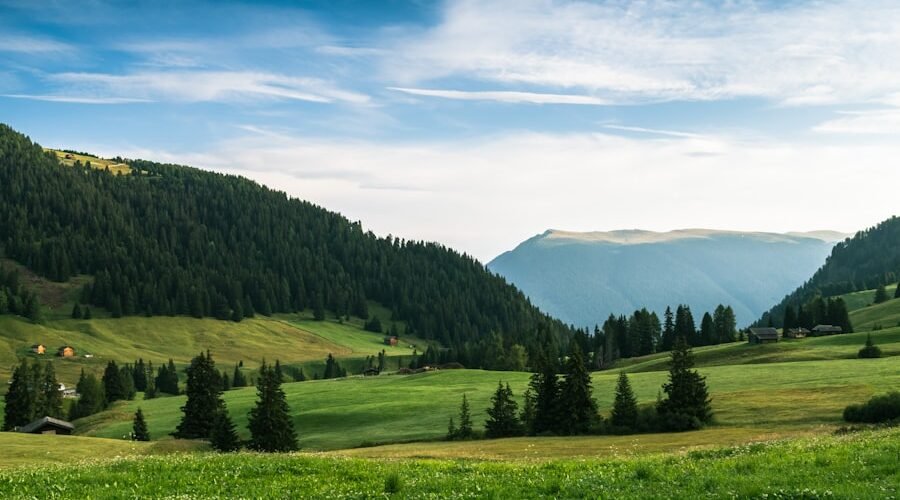
Planning a visit to Gümüşhacıköy in Turkey’s Amasya Province? This historic town has Ottoman architecture, a traditional market area, and countryside worth exploring. But the weather changes considerably throughout the year, so choosing the right month can make your trip much more comfortable.
Quick Answer
The best time to visit Gümüşhacıköy is April to May or September to October. These months offer a good balance of comfortable sightseeing weather, quieter surroundings, and potential accommodation savings. May is greener but wetter, while September is usually drier. Summer suits festival visits, and winter offers a quieter escape with possible snow.
Last checked: October 23, 2026. Climate figures and holiday dates were checked against the sources cited below.
Key Takeaways
- Spring: April and May bring milder weather and green countryside, although rain is more frequent.
- Summer: June through August offers long, mostly dry days, with local festivals adding activity.
- Autumn: September is especially appealing for photography, walking, and generally drier conditions.
- Winter: December through February brings cold nights, possible snow, and a slower pace.
- Travel costs: Prices depend on actual availability and holiday dates, not simply the season.
How to Choose the Best Time to Visit Gümüşhacıköy
For a first visit, choose May or September. Both are suitable for exploring the town’s historic buildings, taking photographs, and spending time outdoors without the coldest winter conditions.
Gümüşhacıköy sits at about 810 meters (2,657 feet) above sea level. Its elevation helps explain why conditions can be cooler than in Amasya city. The Amasya provincial tourism office describes summers as hot and dry, with wetter winters and colder conditions in higher areas.
The table below uses approximate monthly high and low temperatures from WeatherSpark’s Gümüşhacıköy climate model. These are long-term estimates, not daily forecasts.
| Season | Typical Weather | Crowds | Costs |
|---|---|---|---|
| Spring (March-May) | Typical highs rise from 10°C to 20°C (50-68°F). Cool nights and spring showers. | Generally quiet, with possible holiday travel peaks. | Potentially good value outside holidays. |
| Summer (June-August) | Typical highs around 24-27°C (75-81°F). Long, sunny days and limited rain. | Busier around local festivals and holiday visits. | Demand may increase during events. |
| Autumn (September-November) | Typical highs fall from 23°C to 10°C (73-50°F). September is relatively dry. | Usually peaceful outside public holidays. | Possible shoulder-season savings. |
| Winter (December-February) | Typical highs around 3-5°C (37-41°F). Freezing nights and possible snow. | Generally the quietest period. | Lower demand may help, but discounts are not guaranteed. |
For comparison, the Turkish State Meteorological Service’s Amasya statistics, covering 1961-2025, show average July and August highs of 31.2°C and 31.6°C respectively. Those readings represent Amasya, not the Gümüşhacıköy town model, so they should not be treated as identical local temperatures.
1. Spring (March-May): Green Scenery and Comfortable Exploring
Spring is one of the most rewarding times to explore Gümüşhacıköy, especially from mid-April through May. The countryside becomes greener, days grow longer, and walking around town is more comfortable than during the cold winter months.
Spring Weather and Rainfall
- March: Typical daytime highs reach around 10°C (50°F), while nights can fall below freezing. Bring a warm jacket.
- April: Highs rise to about 16°C (61°F), with cool nights near 2°C (36°F). This is a good month for walking if you’re prepared for showers.
- May: Average highs reach roughly 20°C (68°F), with lows around 6°C (43°F). It is generally more comfortable for extended sightseeing.
Rain is a significant consideration. May is among the wetter months in the local climate data, so sunny mornings can give way to showers.
Pack a light waterproof jacket, comfortable walking shoes, and an extra layer for evenings. These items will also help if you plan to visit nearby countryside locations.
Spring Crowds and Accommodation Costs
Spring usually brings a relaxed atmosphere. Gümüşhacıköy is not a major international tourism destination, so the town is generally easier to explore without large sightseeing crowds.
April and May can offer good accommodation value, although availability and prices depend on local demand. Religious holidays and long weekends may attract domestic visitors or people returning to see family.
Best Things to Do in Spring
- Explore Gümüşhacıköy Bedesten: This historic Ottoman covered-market complex dates to 1660. Its passage and traditional shops make it one of the town’s most distinctive places.
- See the Clock Tower: The tower stands above the Bedesten’s eastern entrance, overlooking the Ekin Pazarı side of the market.
- Take countryside walks: Green fields and surrounding hills create pleasant scenery, especially after spring rain.
- Browse local markets: Look for seasonal produce and everyday goods while experiencing the town’s local trading traditions.
The Turkish Ministry of Culture and Tourism’s Bedesten and Clock Tower guide describes the historic market passage as approximately 80 meters (262 feet) long.
Who should visit in spring? Travelers interested in architecture, rural scenery, walking, and quieter sightseeing will particularly enjoy April and May.
2. Summer (June-August): Sunshine, Long Days, and Local Festivals
Summer is the best season for travelers who prefer dry weather and long daylight hours. It also brings more community activity, making it appealing if you want to experience local celebrations rather than only explore historic sites.
Summer Weather: Warm Days and Strong Sunshine
- June: Typical highs are about 24°C (75°F), with lows near 10°C (50°F). Early summer can be particularly pleasant for outdoor trips.
- July: Highs average around 27°C (81°F), although individual hot days may be considerably warmer.
- August: Similar average highs of 27°C (81°F), with generally clear skies and very little rainfall.
August is typically one of the driest and clearest months. However, strong afternoon sunshine can make exposed streets and hiking routes uncomfortable.
Plan longer walks in the morning or late afternoon. Use the middle of the day for shaded stops, meals, or visits to historic buildings where access is available.
Summer Crowds and Travel Costs
Summer can be livelier because of school vacations, family visits, and community festivals. However, Gümüşhacıköy should not be compared directly with crowded Turkish coastal resorts.
Accommodation prices may increase during particular events, especially when visitors from nearby towns or returning residents need rooms. There is no verified town-wide pricing series showing that every July or August stay costs more than other months.
For flights, the total cost also depends on your departure airport, route, and booking date. Seasonal patterns alone cannot establish the cheapest airfare.
Best Things to Do in Summer
- Visit Köprülü Mehmet Paşa Mosque: Built in 1660, this historic mosque is one of Gümüşhacıköy’s most important Ottoman buildings. Its large central dome and smaller corner domes are notable architectural features.
- Explore the Bedesten: The market’s stone architecture and shop-lined passage provide an interesting stop during a town walk.
- Attend a local celebration: Summer is an important period for traditional village gatherings and highland festivals.
- Enjoy an evening meal: Cooler evenings make outdoor dining and relaxed walks more pleasant.
- Take a regional day trip: Nearby Merzifon and Amasya offer additional historic and cultural attractions.
The Amasya tourism directorate’s description of Köprülü Mehmet Paşa Mosque confirms its construction date and architectural features.
Who should visit in summer? Travelers who like sunshine, outdoor activities, festivals, and a livelier local atmosphere will find June through August appealing.
3. Autumn (September-November): Mild Days and Beautiful Seasonal Colors
Autumn is another excellent season for Gümüşhacıköy, with September standing out for its comfortable weather. The intense sunshine gradually fades, the countryside begins to change color, and the town becomes quieter after summer.
Autumn Weather: From Warm September to Chilly November
- September: Typical highs are around 23°C (73°F), with lows near 9°C (48°F). Rainfall is relatively low, making it a strong choice for outdoor plans.
- October: Average highs fall to roughly 17°C (63°F), while nights reach about 4°C (39°F). A warm jacket becomes useful.
- November: Highs are around 10°C (50°F), and overnight temperatures can fall below freezing.
September often offers the best balance of dry weather and comfortable daytime temperatures. October brings cooler conditions and more autumn colors, while November can feel close to winter.
Autumn Crowds and Costs
Autumn tends to be quieter than periods with major summer gatherings. The lower level of activity can make historic streets and nearby countryside particularly peaceful.
September and October may also offer accommodation savings if demand falls after summer. However, public holidays and individual property pricing can change what you actually pay.
Best Things to Do in Autumn
- Photograph the historic center: The Bedesten, Clock Tower, and surrounding streets make interesting subjects in softer autumn light.
- Explore nearby countryside: September and October offer comfortable conditions for scenic drives and walking.
- Enjoy seasonal food: Autumn brings opportunities to try locally available produce and traditional dishes.
- Discover Gümüş’s heritage: The Maden Mosque is an unusual historic site worth considering as part of a regional visit.
The Ministry of Culture and Tourism’s Maden Mosque entry explains that the building was originally a 19th-century church and was converted into a mosque in 1928. Some original decorative features remain.
October is particularly attractive for travelers who enjoy quiet streets and photography, though the weather can become cold by the end of the month.
Who should visit in autumn? Photographers, couples, history enthusiasts, and travelers who dislike strong summer sunshine should consider September or early October.
4. Winter (December-February): Cold Weather and a Peaceful Atmosphere
Winter transforms Gümüşhacıköy into a quieter destination. The cold weather limits long outdoor activities, but the slower pace can appeal to visitors who prefer peaceful streets and traditional local life.
Winter Weather: Freezing Nights and Possible Snow
- December: Average highs are around 5°C (41°F), with overnight lows near -4°C (25°F).
- January: The coldest month, with typical highs around 3°C (37°F) and lows near -5°C (23°F).
- February: Highs rise slightly to approximately 5°C (41°F), although nighttime freezing remains common.
Snowfall is possible in town, while surrounding higher areas may experience colder and snowier conditions. Short daylight hours also reduce the time available for outdoor sightseeing.
Winter travel is manageable with proper clothing, but the weather should guide your plans.
Warning: Winter snow, frost, and ice can make roads and countryside paths slippery. Check local weather and road conditions before driving into higher areas, and avoid unfamiliar trails during poor visibility.
Winter Crowds and Accommodation Costs
Winter is generally the quietest season for leisure travel. You may encounter few visitors at local historic sites and have more opportunities to observe everyday town life.
Accommodation demand may be lower, but that does not guarantee the cheapest stay. Some properties may have limited availability, and heating requirements can affect overall travel expenses.
For budget planning, compare the final cost of your room, transport, and meals rather than relying only on advertised seasonal discounts.
Best Things to Do in Winter
- Explore accessible historic buildings: Visit the Bedesten and other architectural landmarks when weather and opening conditions allow.
- Enjoy local cafes: Warm drinks and traditional food provide a welcome break from the cold.
- Experience everyday life: Winter offers a quieter setting for observing local shops and markets.
- Photograph winter scenery: Snow or frost can create interesting scenes around historic buildings and surrounding hills.
- Plan shorter cultural outings: Keep sightseeing flexible rather than relying on long outdoor excursions.
Who should visit in winter? Travelers who enjoy solitude, cold-weather photography, and slower cultural experiences may appreciate December through February.
5. Festivals and Public Holidays That Affect Your Travel Dates
Gümüşhacıköy is not known for the large international tourist festivals found in major Turkish cities. However, local community celebrations and regional events can make some dates more interesting and busier.
Amasya International Atatürk Culture and Art Festival
The Amasya International Atatürk Culture and Art Festival is an important regional cultural event. It features public celebrations and cultural activities in Amasya city, rather than being centered in Gümüşhacıköy.
The festival took place from June 12-22, 2026, as confirmed by the Amasya Municipality’s festival announcement.
June is therefore an attractive time if you want to combine Gümüşhacıköy sightseeing with cultural events in the wider region. The exact program for a future edition should not be assumed to match the previous year’s schedule.
Kabaoğuz Highland Festival
The Kabaoğuz Yayla Şenlikleri is a traditional highland celebration associated with villages in the Gümüşhacıköy area. The event brings people together for community activities and cultural traditions.
The Amasya Governor’s Office documents the Kabaoğuz Highland Festival and its role as a local gathering.
Summer, particularly late July and early August, is the period to consider for this type of event. Dates are set by organizers, so previous schedules should not be treated as confirmed future dates.
Religious Holidays: Important Dates for 2027
Two major religious holidays can affect travel availability, business hours, and domestic transport demand. Both follow the Islamic calendar, so their Gregorian dates change each year.
According to Turkey’s official 2027 public holiday calendar, the dates are:
- Ramadan Bayramı (Eid al-Fitr): March 9-11, 2027, with a half-day holiday on March 8.
- Kurban Bayramı (Eid al-Adha): May 16-19, 2027, with a half-day holiday on May 15.
During these holidays, people may travel to visit relatives. Some small businesses may close or shorten their hours, while transport demand may rise.
This matters particularly for May trips, since Kurban Bayramı falls within the recommended spring travel period in 2027.
National Holidays
Turkey also celebrates national holidays that can affect schedules and local activity.
- National Sovereignty and Children’s Day: April 23.
- Commemoration of Atatürk, Youth and Sports Day: May 19.
- Democracy and National Unity Day: July 15.
- Victory Day: August 30.
- Republic Day: October 29, with the public holiday beginning on the afternoon of October 28.
Public celebrations, school activities, and changes to normal schedules may occur around these dates.
Local Harvest Events
Autumn is associated with harvest activity, and smaller community gatherings may feature local food, music, and produce. However, a particular September or October harvest festival should not be assumed without a confirmed event announcement.
If your main reason for traveling is an event, secure your transport and accommodation after its dates and location have been confirmed.
6. How to Plan Your Gümüşhacıköy Visit
The best travel dates also depend on your budget, preferred activities, and how you plan to reach the town. A few practical choices can make the trip easier.
Choose Your Month Based on Your Activities
- Historic sightseeing: May and September are strong choices for comfortable walking.
- Nature and greenery: April and May offer spring scenery, although rain is more likely.
- Festivals and community events: June through August is the main period to consider.
- Photography: September and October provide softer light and seasonal color.
- Quiet travel: November through February generally offers fewer visitors.
- Budget-focused trips: Look for ordinary weekdays outside public holidays and major local events.
Getting to Gümüşhacıköy
Gümüşhacıköy is approximately 70 km (43 miles) from Amasya city and 18 km (11 miles) from Merzifon, based on the provincial tourism office’s district information.
Amasya Merzifon Airport is a regional arrival option. Depending on your route, you may need a car, taxi, or connecting road transport to reach Gümüşhacıköy.
Because the town has fewer tourism services than a major city, arranging transport and accommodation before arrival can make the visit simpler.
What to Pack for Each Season
- Spring: Waterproof jacket, light layers, and walking shoes.
- Summer: Sunscreen, sunglasses, a hat, and water for outdoor activities.
- Autumn: Comfortable shoes, a jacket, and warmer clothing for evenings.
- Winter: Warm coat, gloves, suitable footwear, and extra layers.
How Long Should You Stay?
A day trip may be enough for the main historic landmarks and a relaxed walk around the center. If you want to explore surrounding villages, countryside, and nearby regional attractions, an overnight stay gives you more flexibility.
For most first-time visitors, late spring or early autumn offers the easiest balance of weather and sightseeing comfort. Choose a date outside major public holidays if a peaceful, flexible trip is your priority.
Frequently Asked Questions
What is the best month to visit Gümüşhacıköy?
May and September are among the best months to visit Gümüşhacıköy. May brings greener countryside but more rain, while September usually offers drier weather. Both months are suitable for exploring historic buildings and enjoying outdoor activities.
When is the busiest tourist season in Gümüşhacıköy?
Summer can be the busiest period for local gatherings and holiday visits, particularly around community festivals. However, Gümüşhacıköy is not a major mass-tourism destination, and reliable monthly visitor counts are unavailable. Individual holidays and event weekends matter more than a general peak-season label.
What is the off-peak season in Gümüşhacıköy?
Winter, from December through February, is generally the quietest period for leisure travel. Cold weather and possible snow can limit outdoor sightseeing, but the slower pace suits travelers seeking peace and quiet. Accommodation availability may also be more limited at some properties.
When is the cheapest time to visit Gümüşhacıköy?
Winter and the quieter parts of spring or autumn may offer better accommodation value. However, no verified town-wide pricing data establishes a guaranteed cheapest month. Compare actual room and transport costs for your dates, especially around national holidays and local festivals.
Does Gümüşhacıköy have a Cherry Festival in June?
A separate Gümüşhacıköy Cherry Festival in June could not be confirmed. However, a cherry competition took place in Amasya on June 22, 2026, as part of the Amasya International Atatürk Culture and Art Festival. Visitors interested in cherry-related activities should distinguish this regional event from an independently organized Gümüşhacıköy festival.
Does it snow in Gümüşhacıköy during winter?
Yes, Gümüşhacıköy can experience snow during winter, especially in January and February. Freezing nights are common, and higher surrounding areas can be colder than the town center. Snowfall is not guaranteed on a particular day, so winter visitors should prepare for changing conditions.
The June 2026 cherry competition was documented by the Amasya Provincial Directorate of Agriculture and Forestry.
Sources
- WeatherSpark: Gümüşhacıköy Climate: Town-specific modeled monthly temperature estimates and seasonal weather patterns.
- Turkish State Meteorological Service: Official Amasya climate statistics covering 1961-2025.
- Amasya Provincial Culture and Tourism Directorate: Gümüşhacıköy: District geography, elevation, climate description, and distances.
- Turkish Culture Portal: Gümüşhacıköy Bedesten and Clock Tower: Historic architecture, construction history, and location.
- Amasya Tourism Directorate: Köprülü Mehmet Paşa Mosque: Mosque history and architectural features.
- Turkish Culture Portal: Maden Mosque: Building history and conversion from church to mosque.
- Amasya Municipality: 2026 Cultural Festival: Confirmed June 12-22, 2026 festival period.
- Amasya Governor’s Office: Kabaoğuz Highland Festival: Local festival traditions and community celebrations.
- Presidency of Religious Affairs: 2027 Public Holidays: Official religious and national holiday dates for 2027.
- Amasya Provincial Directorate of Agriculture and Forestry: June 22, 2026 cherry competition held as part of the regional cultural festival.


