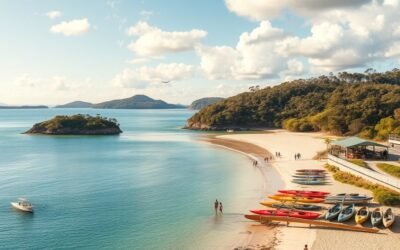
If you’re planning a trip to Karratha, Western Australia, timing matters. The Pilbara climate ranges from pleasantly warm winter days to intense summer heat, and tropical cyclones can affect the region during the warmer months. For most visitors, May to September offers the best balance of comfortable weather, outdoor access, and manageable heat, while April and October can also work if you are comfortable with hotter days.
Quick Answer
For most travellers, the best time to visit Karratha is May through September, with June to August offering the coolest weather. April and October can also work well but are hotter transitional months. From November to April, heat, marine stingers, tropical cyclones and flooding can complicate outdoor plans.
Key Takeaways
- Best overall: May to September for outdoor sightseeing, road trips, Murujuga and coastal activities.
- Coolest months: June and July, when average daytime highs at Karratha Aero are about 26.5°C.
- Hotter shoulder months: April and October are usually dry enough for travel but average daytime highs are still around 34°C.
- Higher-risk period: November to April is northern WA’s main tropical cyclone and severe-weather season.
- Prices are not purely seasonal: Karratha receives significant year-round corporate and resources-sector travel, so accommodation can become expensive or limited at any time.
Karratha Weather by Season
Karratha sits on the Pilbara coast, where seasons are better understood as a hotter tropical-weather period and a cooler, generally drier period rather than the four seasons experienced farther south. Historical climate averages from the Bureau of Meteorology’s Karratha Aero station show just how large the difference can be.
Karratha’s average daytime maximum is about 26.5°C in July but rises to around 36°C in January, February and March.
The Cooler, Drier Period: Karratha’s Sweet Spot
This is the period most travellers picture when planning a Pilbara road trip: warm days, cooler evenings, lower humidity and fewer tropical-weather disruptions.
When Is the Best Weather?
May through September is the strongest overall window. April and October can also be suitable, but they are noticeably hotter. April averages a maximum of about 34.4°C, while October averages about 34.2°C. June and July are the coolest months, averaging about 26.6°C and 26.5°C respectively.
What Is the Weather Like?
- Temperature: May averages around 30.1°C during the day, June and July around 26.5°C, August around 28.4°C, and September around 31.1°C. Nights are coolest in June, July and August, with average minima around 13.8–15.2°C.
- Rainfall: Rainfall is generally limited, especially from August to November. However, Karratha’s rainfall can be highly variable, so “dry season” does not guarantee rain-free weather.
- Humidity: Humidity is generally lower than in midsummer, which makes outdoor sightseeing considerably more comfortable.
Note: Karratha can still feel hot in April, September and October. If hiking or exploring exposed rock country, start early, carry more water than you expect to need, and avoid relying on seasonal averages as a substitute for the day’s forecast.
Why This Is Usually the Best Time
The biggest advantages are comfort, easier outdoor planning and a lower chance of tropical-weather disruption.
- Outdoor activities: Walking at Murujuga, coastal sightseeing and road trips are more comfortable when temperatures are lower.
- Driving: Long Pilbara drives are less punishing in cooler conditions, although remote-area preparation is still essential.
- Boating: The cooler months are popular for Dampier Archipelago trips, but daily marine forecasts, tides and wind remain more important than the calendar.
- Longer sightseeing days: You can generally spend more time outdoors without the extreme heat experienced during summer.
The Hotter and Tropical-Weather Period
Karratha’s hotter months can still be visited, but they require more flexibility and much greater respect for heat and severe weather.
When Does the Higher-Risk Period Run?
November through April is the key period to treat cautiously. The Department of Fire and Emergency Services identifies November to April as the peak period for severe weather in northern Western Australia, including tropical cyclones, flooding and severe storms.
What Is the Weather Like?
- Temperature: Average daytime highs are around 35–36°C from November through March, and extreme days can be much hotter.
- Rainfall: Rain does not necessarily occur every day. Instead, rainfall can arrive in heavy, irregular events associated with thunderstorms or tropical systems.
- Humidity: Humidity is generally higher than during the cooler months, increasing heat stress.
- Severe weather: Tropical cyclones can bring destructive winds, heavy rain, flooding, storm surge and travel disruption.
Who Might Visit During the Hotter Months?
- Flexible travellers: If you can change plans when forecasts deteriorate, the quieter atmosphere may appeal.
- Budget-conscious travellers: Some leisure-oriented accommodation or flights may be discounted, but savings are not guaranteed in Karratha because corporate travel continues throughout the year.
- Nature enthusiasts: Rain can temporarily transform parts of the Pilbara landscape, although road and park access may also deteriorate after heavy weather.
- Travellers seeking solitude: Leisure visitation is generally lower during the hottest part of the year.
Warning: If you visit between November and April, check Bureau of Meteorology forecasts, DFES/Emergency WA warnings, park alerts and road conditions every day. Never drive through floodwater, and do not enter remote gorges when rain or storms threaten upstream.
If you’re comparing how weather, crowds and costs affect destinations in very different climates, the existing guide to the best time to visit Gebze, Kocaeli provides another seasonal travel example.
Navigating the Crowds: When to Expect Company
Karratha is not a traditional resort town, so its visitor patterns differ from destinations that depend almost entirely on leisure tourism. Holiday travellers are more common in the cooler months, but business and resources-sector travel can create accommodation demand throughout the year.
The Peak Leisure Season: Sharing the Sunshine
When Is It Busiest?
May to September is generally the most appealing period for leisure road trips and outdoor touring in the Pilbara.
- School holidays: Western Australian school-holiday dates vary each year, but winter and spring breaks can increase family travel.
- Winter months: June through August provide the coolest daytime conditions and are particularly attractive for touring the Pilbara.
- Major projects and events: Corporate bookings can also affect room supply independently of tourist seasons.
What to Expect in the Cooler Months
- Accommodation: Book ahead if your dates are fixed, especially during holidays or major local events.
- Tours and activities: Popular cultural, boat and nature experiences may have limited capacity, so advance reservations are sensible.
- Popular sites: Expect more visitors at well-known lookouts, Murujuga and coastal recreation areas.
The Shoulder Months: April, May, September and October
These months bridge Karratha’s coolest weather and its hottest part of the year. They can offer an excellent compromise, but they are not equally cool.
April and May
- May: One of the better all-round months, with an average maximum around 30°C.
- April: Usually more comfortable than midsummer but still averages around 34°C and remains within the tropical cyclone season.
September and October
- September: Usually warm, very dry and still comfortable for early-morning outdoor activities.
- October: Often very dry but much hotter, averaging a daytime maximum around 34°C.
Benefits of Shoulder-Month Travel
- Good outdoor access: Conditions are generally more reliable than midsummer.
- Potentially fewer leisure travellers: Outside school holidays, some attractions can feel quieter.
- More flexibility: You may find a wider choice of tours or rooms than during particular holiday weeks, although corporate demand can change this quickly.
The Quieter Leisure Period: November to March
The hottest months are generally less attractive for conventional sightseeing and road trips.
Why Consider This Period?
- Quieter attractions: Fewer leisure travellers may mean more space at accessible local sites.
- Possible deals: Some tourism businesses may offer competitive rates, although Karratha’s corporate accommodation market means low prices should never be assumed.
- Different atmosphere: Storms and seasonal rain can change the appearance of the Pilbara landscape dramatically.
Pro Tip: For Karratha, compare live hotel prices before choosing your travel month. The City reports strong year-round corporate travel, so a random weekday affected by project demand can cost more than a nominal tourism “peak” weekend.
The Cost Factor: Budgeting for Your Karratha Trip
Karratha’s prices do not always follow the classic resort pattern of expensive winter and cheap summer. Tourism affects demand, but so do mining, energy, construction and corporate travel. The City of Karratha has specifically identified strong year-round corporate travel and growing demand for short-stay accommodation.
Cooler-Month Prices: Book Early Rather Than Assume
What Can Drive Up Costs?
- Accommodation demand: Leisure visitors, business travellers, major projects and events can all tighten room availability.
- Flights: Airfares vary according to booking date, weekday, demand and remaining capacity rather than following one simple seasonal rule.
- Tours: Popular tours may sell out during attractive travel periods even when their published prices do not change.
Tips for Managing Costs
- Book early when dates are fixed: This gives you a wider choice of rooms and flight times.
- Compare several weekdays: Corporate travel can make midweek patterns different from normal holiday destinations.
- Choose flexible rates: Cancellable accommodation can be valuable if cyclone or road conditions become a concern.
- Self-cater: Accommodation with kitchen facilities can reduce meal costs on longer stays.
Shoulder-Month Savings: Possible but Not Guaranteed
April, May, September and October can provide good value, but there is no reliable rule that these months will always cost less.
Why Shoulder Months Can Work Well
- More date options: Outside school holidays and major events, leisure demand may be less concentrated.
- Flexible itineraries: If you can shift your stay by a day or two, you may find substantial differences in room and flight prices.
- Good weather-to-price balance: May and September are especially appealing if current rates are reasonable.
Making the Most of Shoulder-Month Travel
- Check prices before committing: Compare multiple properties rather than assuming one month is cheap.
- Avoid major local-event dates when budget is the priority: Events can temporarily tighten accommodation.
- Compare refundable options: They give you more flexibility if weather or transport changes.
Hot-Season Bargains: Possible, Not Guaranteed
If cost is your main priority, November through March is worth checking, but do not assume it will automatically deliver the year’s lowest rates.
Why You Might Find Lower Leisure Rates
- Lower holiday demand: Extreme heat discourages many recreational visitors.
- Tourism promotions: Some properties or operators may discount dates that would otherwise remain empty.
- More space at attractions: Popular leisure sites can feel quieter.
Considerations for Hot-Season Budget Travel
- Corporate demand can override seasonality: Project-related bookings may keep accommodation expensive.
- Flexibility is essential: Tropical weather may affect roads, flights, tours or park access.
- Travel insurance: Read the policy carefully to understand cyclone, cancellation and weather exclusions.
- Heat preparation: Saving money is not worth compromising hydration, shade, suitable transport or safe accommodation.
Things to Do: Aligning Activities with the Season
What you plan to see and do can change the ideal month for your Karratha trip. For most land-based adventures, cooler weather wins. Coastal activities also depend on wind, tides, marine forecasts and stinger risk.
Outdoor Adventures: Making the Most of the Elements
Exploring Murujuga National Park and the Cultural Landscape
Murujuga is one of the region’s defining experiences. The Parks and Wildlife Service describes Murujuga as home to one of the world’s largest and most diverse rock-art collections.
The wider Murujuga Cultural Landscape was inscribed on the UNESCO World Heritage List in 2025. UNESCO recognises its extraordinary concentration of archaeological and spiritual sites and more than 50,000 years of continuous care and cultural connection by Ngarda-Ngarli Traditional Owners and Custodians.
- Best time: May to September provides the most comfortable temperatures for outdoor interpretation and walking. April and October are possible but hotter.
- What to see: Nganjarli features a purpose-built boardwalk where visitors can learn about petroglyphs, grinding stones, shell middens and Ngarda-Ngarli culture.
- Respect: Follow signage, remain on designated access routes and follow guidance from Traditional Owners and park authorities.
- Heat: Even in cooler months, exposed rock can become very hot during the middle of the day.
Visiting the Dampier Archipelago
Rosemary Island, Legendre Island and the wider Dampier Archipelago offer boating, fishing, beaches, snorkelling and significant natural and cultural values.
- Best time: The cooler months are popular for boat trips and coastal recreation, but daily marine forecasts and tides should determine whether conditions are suitable.
- Whale watching: The City of Karratha notes that humpback whales may be seen around the archipelago during their migration from roughly July to September.
- Marine safety: Check current local advice before entering the water.
Note: Explore Parks WA advises that potentially lethal box jellyfish and Irukandji can occur along the Pilbara coast throughout the year and are most prevalent from November to April. During higher-risk periods, follow local advice and consider a full-length stinger suit for swimming, snorkelling or diving.
Visiting Karijini National Park
Karijini is one of the Pilbara’s greatest attractions, but it should be treated as a separate remote-road-trip destination rather than a quick Karratha excursion.
- Best time: April to September is generally the most suitable period for exploring Karijini.
- Heat: The Parks and Wildlife Service warns that summer temperatures frequently exceed 40°C.
- Flash floods: Never enter gorges if rain is falling or threatening in the area. Leave immediately if rain begins while you are inside a gorge.
- Cold water: Gorge pools can be extremely cold between April and September, creating a hypothermia risk.
- Road-trip planning: Carry adequate water, food, fuel, medication and emergency supplies. Check your chosen route because some Pilbara roads or route options may be unsealed or affected by weather.
Water Activities: Sun, Sand and Sea
Swimming and Snorkelling
- Best general period: May to September offers lower air temperatures and avoids the period when marine stingers are most prevalent.
- Stingers: They remain possible at any time of year, so always check current local guidance.
- Conditions: Do not assume the sea will be calm simply because it is dry season. Check wind, swell, tides and marine forecasts before heading out.
Fishing
- Best time: Fishing opportunities exist year-round, and the ideal period depends on target species, tides, weather and whether you are fishing from shore or by boat.
- Comfort: May to September generally provides more comfortable temperatures for long days outside.
- Charters: Severe weather, strong winds or rough seas can lead operators to change or cancel trips regardless of season.
Cultural Experiences and Town Exploration
Indigenous Culture and Art
- Best time: Cultural experiences are valuable throughout the year, but cooler months make outdoor sites much easier to explore.
- Respect: Murujuga is a living cultural landscape. Follow Traditional Owner guidance, posted restrictions and instructions from accredited tour operators.
Exploring Karratha Town
- Best time: May to September is best for comfortable daytime walks and outdoor dining.
- Hot months: Plan outdoor activities for early morning or evening and use air-conditioned indoor attractions during the hottest part of the day.
Staircase to the Moon
If your dates align with the lunar cycle, Karratha is one of the places where you may see the Staircase to the Moon phenomenon. Tourism Western Australia highlights Hearson’s Cove as a viewing location during suitable full moons between approximately April and October.
If you’re comparing Karratha with another destination where climate strongly shapes the experience, the existing guide to the best time to visit Deyrulzafaran Monastery in Mardin provides another weather-and-crowd comparison.
Month-by-Month Karratha Travel Guide
The climate figures below use long-term Bureau of Meteorology averages from Karratha Aero. Actual weather can vary substantially from year to year, especially when tropical systems affect the Pilbara.
| Month | Weather | Crowds | Costs |
|---|---|---|---|
| January | 36.0°C / 27.0°C; avg. rain 50.6 mm; very hot | Lower leisure demand | Variable; corporate demand can remain strong |
| February | 35.9°C / 26.9°C; avg. rain 73.6 mm; hot and humid | Lower leisure demand | Variable; check live rates |
| March | 36.3°C / 26.2°C; avg. rain 46.1 mm; very hot | Lower leisure demand | Variable |
| April | 34.4°C / 23.0°C; avg. rain 18.1 mm; hot shoulder month | Increasing | Variable; holidays may tighten supply |
| May | 30.1°C / 18.3°C; avg. rain 30.4 mm; comfortable | Moderate to high | Book ahead for fixed dates |
| June | 26.6°C / 15.2°C; avg. rain 35.5 mm; cool by Pilbara standards | Higher leisure demand | Can tighten; compare early |
| July | 26.5°C / 13.8°C; avg. rain 13.4 mm; coolest month | Higher, especially around holidays | Can be firm; book ahead |
| August | 28.4°C / 14.6°C; avg. rain 5.0 mm; excellent outdoor weather | Moderate to high | Variable |
| September | 31.1°C / 17.3°C; avg. rain 1.4 mm; warm and very dry | Moderate | Variable; spring holidays can affect supply |
| October | 34.2°C / 20.9°C; avg. rain 0.4 mm; hot and very dry | Moderate to lower | Variable |
| November | 35.0°C / 23.2°C; avg. rain 1.2 mm; very hot | Lower leisure demand | Variable; do not assume off-season bargains |
| December | 36.1°C / 25.8°C; avg. rain 13.6 mm; very hot | Mixed around holiday period | Variable; holiday travel may raise demand |
Packing for Karratha: What to Bring, No Matter When
Karratha’s climate makes hydration and sun protection important throughout the year. What changes most is how much protection you need from extreme heat, tropical rain and cooler winter evenings.
Essentials for May to September
- Lightweight clothing: Breathable shirts, shorts or trousers that work in warm daytime conditions.
- Long sleeves: Useful for sun protection on exposed walks.
- Sun protection: Pack a broad-brimmed hat, sunglasses and high-SPF sunscreen.
- Swimwear: Useful for beaches, pools and suitable swimming areas.
- Comfortable walking shoes: Choose footwear appropriate for rocky and uneven surfaces if you plan to hike.
- Light jacket or warm layer: June–August nights can fall into the mid-teens Celsius on average.
- Insect repellent: Useful around water and after rainfall.
- Reusable water bottle: Carry more water when heading away from town or walking in exposed areas.
Essentials for October to April
- Lightweight rain protection: A compact waterproof jacket or poncho is useful when storms are possible.
- Quick-drying clothing: Better suited to humidity and sudden rain.
- Extra water capacity: Heat and humidity significantly increase hydration needs.
- Sun protection: Shade, sunscreen and suitable clothing remain essential.
- Stinger protection: If entering Pilbara coastal waters during the higher-risk period, follow local advice about full-length stinger suits.
- Emergency information: Keep weather warnings and road-condition information accessible during road trips.
- Backup plans: Have indoor or town-based alternatives if extreme heat, storms or closures make outdoor plans unsafe.
If you’re interested in comparing how seasonality changes another destination, the existing guide to the best time to visit Baskale, Van also looks at climate, tourism demand and travel timing.
Final Thoughts: Choosing Your Best Time for Karratha
The best travel dates depend on what you want to do, but Karratha has a much clearer weather advantage in the cooler part of the year.
- For the best overall balance: Choose May to September. These months give you the strongest combination of manageable temperatures and outdoor access.
- For the coolest weather: Aim for June to August, especially if walking, sightseeing or taking a longer Pilbara road trip.
- For a warmer shoulder-season trip: Consider April, May, September or October, remembering that April and October can still average around 34°C during the day.
- For quieter leisure travel: November to March can feel less busy, but extreme heat, marine-stinger risk and tropical-weather disruption are significant trade-offs.
- For the lowest price: Do not choose dates based on season alone. Compare live Karratha accommodation and airfare rates because corporate demand can affect availability throughout the year.
No matter when you visit, Karratha rewards good preparation. Check current forecasts and road conditions, respect the cultural significance of Murujuga, prepare properly for remote travel, and adjust outdoor plans when heat or severe weather makes conditions unsafe.
Frequently Asked Questions
What is the best time to visit Karratha for good weather?
May to September is the best overall period for most visitors. June and July are the coolest months, with average daytime highs around 26.5°C at Karratha Aero. April and October are generally suitable for travel too, but average daytime temperatures are closer to 34°C.
When is Karratha’s peak tourist season?
Leisure travel is most attractive from roughly May to September because temperatures are more comfortable for Pilbara road trips and outdoor activities. School holidays can increase demand further. However, Karratha also receives substantial year-round corporate travel.
What is the off-peak season in Karratha?
The hottest months, particularly November through March, generally attract fewer leisure travellers. This period also overlaps with northern Western Australia’s tropical cyclone season, which runs from November through April.
Is Karratha cheaper during the wet season?
Sometimes, but not reliably. Leisure demand may be lower during very hot months, yet Karratha has strong corporate and resources-sector travel throughout the year. Major projects, events and business bookings can keep hotel prices high even during periods that appear off-peak for tourists.
When is cyclone season in Karratha?
November through April is the main tropical cyclone and severe-weather period for northern Western Australia. Tropical systems can bring damaging winds, heavy rain, flooding, rough seas, road closures and flight disruption.
When is the best time to visit Murujuga?
May to September is generally the most comfortable period for exploring Murujuga’s outdoor cultural landscape. The Murujuga Cultural Landscape was added to the UNESCO World Heritage List in 2025 and is a living cultural landscape of profound significance to Ngarda-Ngarli Traditional Owners and Custodians.
Are marine stingers a problem around Karratha?
Potentially lethal box jellyfish and Irukandji can occur along the Pilbara coast throughout the year and are most prevalent from November through April. Check local advice before swimming, snorkelling or diving and follow official recommendations about protective clothing.
Can I visit Karijini from Karratha?
Yes, but Karijini should be treated as a substantial remote Pilbara road-trip extension rather than a quick local outing. Allow enough time for the drive, check your route and road conditions, carry adequate fuel and water, and ideally spend several days exploring the park.
Sources
- Australian Bureau of Meteorology — Karratha Aero climate statistics — monthly maximum and minimum temperatures, rainfall and climate averages.
- Department of Fire and Emergency Services — Northern wet-season preparedness — November-to-April cyclone, flood and severe-weather risk.
- Explore Parks WA — Pilbara visitor information — marine-stinger and regional safety guidance.
- Explore Parks WA — Karijini National Park — extreme heat, flash-flood and gorge safety information.
- UNESCO World Heritage Centre — Murujuga Cultural Landscape — 2025 World Heritage status and cultural significance.
- City of Karratha — short-stay accommodation demand — year-round corporate travel and current accommodation-market context.