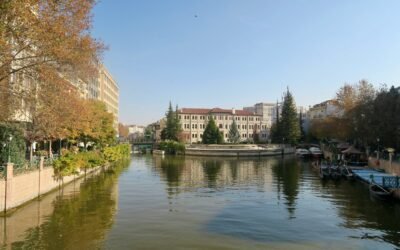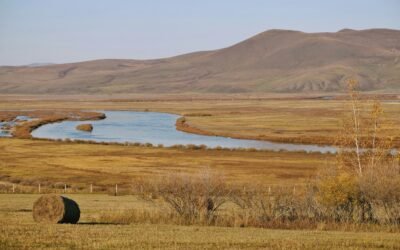
When’s the best time to visit Kürtün, Gümüşhane? If you’re looking for the ideal blend of good weather, manageable crowds, and reasonable costs, aim for late spring (May to early June) or early autumn (September to early October). These shoulder seasons offer a fantastic experience without the extreme heat or cold, and you’ll generally find better deals and fewer tourists than in the peak summer months.
Kürtün, nestled in the picturesque Gümüşhane province, is characterized by its mountainous, continental climate. This means you can expect significant variations throughout the year. It’s not a place known for tropical warmth, but rather for distinct seasons, each with its own charm and challenges.
1.1. Summers: Warm Days, Cooler Nights
- Average Temperatures: During July and August, daytime temperatures typically hover around 20-25°C (68-77°F). It can occasionally nudge higher, but intense heatwaves are less common than in coastal areas.
- Nighttime Coolness: Don’t be fooled by the warm days; nights, especially at higher altitudes, can get quite cool, often dropping to 10-15°C (50-59°F). A light jacket or sweater is always a good idea, even in summer.
- Rainfall: Summer is generally one of the drier periods, though sudden, heavy rain showers are not unheard of, particularly in the afternoons. These usually pass quickly.
- Sunshine: Expect plenty of sunshine, making it great for outdoor activities.
1.2. Winters: Cold, Snowy, and Beautiful
- Average Temperatures: December to February sees temperatures frequently dip below freezing, often ranging from -5°C to 5°C (23-41°F).
- Snowfall: Kürtün is known for significant snowfall. Roads, especially to more remote areas, can become difficult or even impassable.
- Winter Sports: For those who love snow, a winter visit can be magical, but it requires careful planning for travel and activities.
- Humidity: The cold combined with moderate humidity can make it feel even chillier.
1.3. Spring: Rebirth and Rains
- Average Temperatures: March to May brings a gradual warming. March is still quite chilly (5-10°C / 41-50°F), April sees highs of 10-15°C (50-59°F), and May often hits 15-20°C (59-68°F).
- Rainfall: Spring is typically the wettest season. April and May can see frequent rainfall, which contributes to the lush greenery but can also interrupt outdoor plans.
- Melted Snow: Early spring still sees snow melting at higher elevations, leading to swollen rivers and waterfalls.
- Flora and Fauna: This is when the region truly comes alive, with wildflowers blooming and forests regaining their vibrant green.
1.4. Autumn: Golden Hues and Crisp Air
- Average Temperatures: September offers comfortable temperatures (15-20°C / 59-68°F), gradually cooling to 10-15°C (50-59°F) in October, and dropping further in November.
- Rainfall: Rainfall is generally moderate, less than in spring but more than in summer.
- Foliage: Autumn is perhaps the most visually stunning season, with the deciduous trees turning brilliant shades of red, orange, and gold.
- Harvest Season: This is also a time for local harvests, offering fresh produce and a glimpse into rural life.
2. Navigating the Crowds: When Kürtün Is Buzzing (and When It’s Quiet)
Kürtün isn’t a massive tourist magnet like Istanbul or Cappadocia, but it does have its peak seasons, primarily driven by domestic tourism. Knowing when these are can significantly impact your experience.
2.1. Peak Season: Summer (July & August)
- Why it’s Popular: Good weather for outdoor activities, school holidays in Turkey, and locals escaping hotter coastal areas.
- What to Expect:
- Higher Accommodation Demand: Hotels, guesthouses, and bungalows will be busier, and booking ahead is strongly recommended.
- More People at Attractions: Popular spots like lakes, plateaus (yaylas), and historical sites will see more visitors.
- Potentially Higher Prices: Some accommodation and tour providers might introduce peak season pricing.
- Livelier Atmosphere: More local events and festivals might be scheduled.
2.2. Shoulder Seasons: Late Spring & Early Autumn (May-June & Sep-Oct)
This is often the sweet spot for many travelers.
- Why it’s Great: Pleasant weather, fewer crowds than summer, and vibrant natural beauty.
- What to Expect:
- Manageable Crowds: You’ll share attractions with fewer people, allowing for a more serene experience.
- Better Deals: Accommodation and possibly tour prices might be more competitive.
- Beautiful Scenery: Spring for lush greenery and blossoms, autumn for stunning fall foliage.
- Local Interactions: More opportunities for genuine interactions with locals, who might be less rushed.
2.3. Off-Peak Season: Winter & Early Spring (Nov-April)
- Why it’s Less Visited: Cold weather, heavy snow, and limited accessibility to some areas.
- What to Expect:
- Very Few Tourists: If you’re seeking solitude and don’t mind the cold, this is your time.
- Lower Prices: Accommodation will be at its cheapest.
- Limited Access: Many high-altitude roads to yaylas will be closed due to snow. Some local businesses might also have reduced hours or be closed.
- Unique Beauty: A snow-covered Kürtün is undeniably beautiful, offering a different kind of charm for photographers and winter enthusiasts.
3. Cost Considerations: Stretching Your Lira Further
Kürtün, compared to major Turkish cities, is generally quite affordable. However, the timing of your visit can still influence your expenses.
3.1. Accommodation Costs
- Peak Season (July-August): Expect prices for hotels, guesthouses, and chalets to be 15-30% higher than in the shoulder seasons. Demand outstrips supply, especially for popular spots.
- Shoulder Seasons (May-June, Sep-Oct): This is where you’ll find the best value. Prices are reasonable, and you often have more choice in terms of availability. Booking a few weeks in advance usually secures good options.
- Off-Peak (Nov-April): The absolute lowest prices. If you’re traveling on a shoestring and don’t mind the cold, you can find excellent deals. Some places might even offer long-stay discounts.
3.2. Transportation Expenses
- Intercity Buses: Prices for buses to Gümüşhane (the closest major city) and then onward to Kürtün remain relatively stable year-round. They are an economical way to travel.
- Rental Cars: Car rental prices can fluctuate. Peak season might see slightly higher rates due to demand, but the biggest factor will be early booking and the type of vehicle. An SUV might be needed for some mountain roads in certain conditions.
- Local Dolmuş/Taxi: Shared minibuses (dolmuş) to nearby villages are very affordable. Taxis will always be the most expensive option but offer flexibility. Their availability might be limited in off-peak seasons, especially to remote areas.
3.3. Food and Activity Costs
- Food: Food prices in local eateries, cafes, and markets are generally consistent throughout the year and are very budget-friendly. You’ll find fresh, delicious, and inexpensive Turkish cuisine.
- Activities: Most natural attractions (waterfalls, lakes, hiking trails) have no entrance fee. Any guided tours (e.g., for specific hikes, cultural experiences) might see a minimal price increase in peak season if demand is high, but this is less common.
4. Activities and Experiences: What to Do Each Season
Kürtün’s diverse landscape means different activities shine in different seasons. Matching your interests to the time of year is key.
4.1. Spring (Late April – Early June)
- Hiking and Trekking: Excellent conditions with blooming wildflowers, lush greenery, and comfortable temperatures. Trails won’t be too dusty or too muddy (though some early spring mud might linger).
- Waterfalls: The waterfalls are at their most powerful due to snowmelt.
- Photography: The landscape is incredibly vibrant and fresh.
- Bird Watching: Many migratory birds return.
- Exploring Yaylas (Highland Pastures): As snow recedes, yaylas become accessible. You might catch the very beginning of the yayla life.
4.2. Summer (July – August)
- Yayla Experience: The prime time to visit the high-altitude yaylas. Many families will have moved to their summer homes, and you can experience traditional yayla culture, including local festivals and fresh dairy products.
- Picnics and Outdoor Dining: Perfect weather for leisurely meals amidst nature.
- Trekking and Overnight Camping: Days are long and warm, ideal for multi-day treks and camping under the stars.
- River Rafting/Kayaking: If available on local rivers, summer offers good water levels.
- Exploration: All areas are generally accessible.
4.3. Autumn (September – Early November)
- Foliage Viewing: Absolutely breathtaking. Kürtün’s forests turn into a riot of color, making it a photographer’s dream.
- Harvest Festivals: You might encounter local harvest celebrations.
- Mushroom Foraging: If you know what you’re doing, many edible mushrooms can be found.
- Hiking: Still fantastic, with crisp air and fewer insects than in summer.
- Traditional Cooking: A great time to sample local products and warm, hearty dishes.
4.4. Winter (December – March)
- Snow Activities: Snowshoeing, cross-country skiing (if you bring your own gear), and simply enjoying the pristine snow-covered landscapes.
- Cozy Retreats: A perfect time to relax by a fireplace in a traditional guesthouse, read, and enjoy the quiet.
- Photography: The stark beauty of winter, with frosted trees and snow-capped peaks, is stunning.
- Cultural Immersion: With fewer tourists, you’ll have more opportunities to engage with locals and experience daily life in a different rhythm.
5. Practical Considerations for Each Season
| Month | Weather | Crowds | Costs |
|---|---|---|---|
| April – June | Mild temperatures, blooming nature | Low to moderate | Moderate |
| July – August | Warm temperatures, sunny days | High | High |
| September – October | Cooler temperatures, fall foliage | Low to moderate | Moderate |
Beyond weather and crowds, some logistical points are worth keeping in mind.
5.1. Road Conditions and Accessibility
- Summer & Autumn: Generally excellent. All roads, including those to higher yaylas, are typically open and well-maintained.
- Spring: Early spring (March-April) can still see some high-altitude roads closed due to lingering snowmelt or mud. May usually sees most major routes open.
- Winter: This is the most challenging. Many mountain roads (especially to yaylas) will be completely closed for months. Main roads between towns are usually cleared reasonably quickly after snowfall but can still be hazardous. A 4×4 vehicle and winter tires are highly recommended if driving. Public transport to smaller villages may be less frequent.
5.2. Packing Essentials
- Summer: Light clothing for day, a jacket/sweater for evenings, sturdy hiking shoes, sun protection (hat, sunscreen), insect repellent.
- Shoulder Seasons: Layers are your friend! Mix of long and short sleeves, waterproof and windproof jacket, comfortable walking shoes, umbrella.
- Winter: Thermal layers, heavy winter coat, waterproof outer shell, waterproof boots with good grip, hat, gloves, scarf.
5.3. Booking Ahead
- Peak Season: Absolutely essential for accommodation, especially for popular guesthouses.
- Shoulder Seasons: Recommended, especially if you have specific preferences or are traveling on weekends.
- Off-Peak: Less critical, but always a good idea to confirm that your chosen accommodation is open.
5.4. Local Events and Holidays
- Religious Holidays (Eid al-Fitr, Eid al-Adha): These movable feasts can significantly impact domestic travel patterns. Roads and popular sites will be busier, and accommodation might be fully booked. Check the Turkish holiday calendar when planning.
- Local Festivals: Summer often brings local ”yayla şenlikleri” (plateau festivals) or other cultural events. These can be a fantastic experience but also attract crowds.
In summary, Kürtün offers something unique in every season. However, for a balance of comfortable weather, reasonable costs, and a good chance to explore without feeling overwhelmed, May-early June and September-early October are generally your best bets. These periods allow you to fully appreciate the region’s natural beauty and genuine hospitality.
FAQs
1. What is the best time to visit Kürtün, Gümüşhane for ideal weather?
The best time to visit Kürtün, Gümüşhane for ideal weather is during the summer months of June to August when the temperatures are warm and the days are sunny.
2. When is the peak tourist season in Kürtün, Gümüşhane?
The peak tourist season in Kürtün, Gümüşhane is during the summer months of June to August when the weather is ideal for outdoor activities and sightseeing.
3. When is the off-peak season in Kürtün, Gümüşhane?
The off-peak season in Kürtün, Gümüşhane is during the winter months of December to February when the temperatures are cold and there is a higher chance of snowfall.
4. What are the costs like in Kürtün, Gümüşhane during the peak tourist season?
During the peak tourist season, costs for accommodations and activities in Kürtün, Gümüşhane are likely to be higher due to increased demand.
5. When is the best time to visit Kürtün, Gümüşhane to avoid crowds and high costs?
The best time to visit Kürtün, Gümüşhane to avoid crowds and high costs is during the shoulder seasons of spring (April to May) and fall (September to October) when the weather is still pleasant but the tourist crowds have thinned out.