


If you’re planning a trip to South Australia‘s Limestone Coast, the best all-round periods are usually March to April and October to November. These months balance comfortable temperatures, outdoor activities, winery visits, and generally lighter visitor pressure than the Christmas and January holiday peak. Your ideal timing still depends on whether beaches, wine, wildlife, quiet travel, or value matters most.
Quick Answer
For most travellers, the best time to visit the Limestone Coast is autumn or spring, especially March–April and October–November. Summer suits beach trips but brings greater holiday demand, while winter is cooler and wetter yet excellent for caves, dramatic coastal scenery, whale watching, and quieter travel.
Key Takeaways
- Best overall: March–April and October–November for mild weather and a good balance of activities and crowds.
- Best for beaches: December–February, especially if swimming and long coastal days are your priorities.
- Best for wine: Autumn for vintage activity and October for major Coonawarra wine events.
- Best for quieter travel: Winter, outside special events and holiday weekends.
- Best for whale watching: South Australia’s migration season generally runs from May to October, with frequent sightings from June to September.
Best Time to Visit the Limestone Coast by Season
The Limestone Coast has a strong seasonal climate pattern, but conditions are not identical across the region. Coastal destinations such as Robe and Beachport can feel cooler and windier than inland areas around Coonawarra, Naracoorte, and Mount Gambier.
As a useful regional benchmark, Bureau of Meteorology data for Mount Gambier Aero shows mean maximum temperatures ranging from about 13–14°C in midwinter to roughly 25°C in January and February. Rainfall is generally much higher in winter than in summer.
| Season | Typical Mount Gambier Mean Maximums | Visitor Pattern | Best For |
|---|---|---|---|
| Summer Dec–Feb |
About 23.1–25.5°C | Busiest around Christmas, New Year and January holidays | Beaches, swimming, long days |
| Autumn Mar–May |
About 16.2–23.3°C | Usually calmer after summer, but Easter can be busy | Wine, hiking, touring |
| Winter Jun–Aug |
About 13.3–14.2°C | Generally quieter | Caves, whales, quiet escapes |
| Spring Sep–Nov |
About 16.0–20.6°C | Low to moderate, rising toward summer | Walking, cycling, wine events |
Note: These figures use Mount Gambier as a long-term regional benchmark. The Limestone Coast covers a large area, so the exact temperature, wind, rainfall, and beach conditions can differ considerably from one town to another.
Summer (December to February)
Summer is the obvious choice if you picture your Limestone Coast trip around beaches, swimming, outdoor dining, and long daylight hours.
Weather in Summer
At Mount Gambier Aero, mean maximum temperatures are about 23.1°C in December, 25.5°C in January, and 25.3°C in February. Coastal locations can be cooler, while inland areas can experience much hotter individual days. Historical records also show that extreme heat is possible, so a mild average does not rule out occasional hot spells.
Summer is also the driest part of the year in the Mount Gambier climate record. That generally makes it the most reliable season for outdoor plans, although wind and rapidly changing coastal conditions can still affect beach days.
Summer Activities
This is prime time for swimming, beach walks, surfing, fishing, and exploring the coast. Robe’s Long Beach is especially popular during warm weather, while inland visitors can combine coastal time with cellar-door visits in Coonawarra.
Summer also brings a livelier atmosphere to coastal towns, with more visitors, outdoor dining, and seasonal events.
Crowds in Summer
The Christmas, New Year, and January school-holiday period is normally the busiest stretch. Robe, Beachport, and other coastal destinations can feel noticeably busier, and popular accommodation may have limited availability.
If you like warm weather but want to avoid the strongest holiday demand, late November or early March can offer a useful compromise.
Costs in Summer
Accommodation prices vary by property and date, but high-demand summer holidays, long weekends, and special events can command higher rates than ordinary midweek or off-season dates. Booking early gives you a better selection rather than guaranteeing a particular price.
Pro Tip: For a summer trip, compare several dates before booking. Moving a stay away from Christmas, New Year, a long weekend, or a major local event can make a bigger difference than simply choosing one coastal town over another.
Autumn (March to May)
Autumn is one of the strongest all-round seasons on the Limestone Coast. Early autumn retains some summer warmth, while April generally provides comfortable conditions for sightseeing, hiking, and winery visits.
Weather in Autumn
Mount Gambier’s mean maximum drops from about 23.3°C in March to 19.6°C in April and 16.2°C in May. March and April can therefore feel quite different from late May.
Rainfall also increases as the season progresses. If your priority is mild weather with plenty of outdoor time, March and April are usually stronger choices than late May.
Autumn Activities
The milder temperatures work well for coastal walks, national parks, sightseeing, Naracoorte Caves, and touring the Coonawarra wine region.
Autumn is also vintage season in Coonawarra, although exact harvest timing changes each year. The Coonawarra Vignerons vintage reports show this variation clearly. In 2026, for example, many red varieties were harvested from mid-April into early May after a relatively long ripening period.
Crowds in Autumn
Visitor numbers usually settle after the main summer-holiday period, giving March, April, and May a more relaxed feel in many places. Easter and other long weekends are important exceptions and can bring a sharp increase in demand.
Costs in Autumn
Non-holiday autumn dates can offer better accommodation availability than midsummer. However, there is no single regional off-peak price, so check live rates rather than assuming every property becomes cheaper immediately after February.
Winter (June to August)
Winter is cooler, wetter, and quieter, but it should not be dismissed. It works particularly well for travellers interested in caves, wildlife, dramatic coastal scenery, food, wine, and an unhurried trip.
Weather in Winter
Mount Gambier’s mean maximum temperature is about 13.9°C in June, 13.3°C in July, and 14.2°C in August. Mean minimums are around 5–6°C, so mornings and evenings can feel distinctly cold.
Winter is also the wettest season in the regional BOM record. Layers, a waterproof outer layer, and flexible daily plans are useful, especially if you intend to spend much of your trip outdoors.
Winter Activities
Winter is a good time to explore the Naracoorte Caves, where the underground environment is less affected by day-to-day surface weather. Naracoorte forms part of the UNESCO World Heritage-listed Australian Fossil Mammal Sites, alongside Riversleigh in Queensland.
It is also an important time for whale watching. According to South Australia’s Department for Environment and Water, southern right and humpback whales visit South Australian waters from roughly May to October, with frequent sightings during June to September. Sightings are never guaranteed, but coastal lookouts can be worth adding to a winter itinerary.
Cool days also suit winery visits, local dining, and scenic drives when beach swimming is not the main purpose of the trip.
Crowds in Winter
Winter is generally quieter than summer. Beaches, walks, and many attractions can feel much less crowded, although operating hours may be shorter at some seasonal businesses.
Always confirm opening hours before making a long drive to a small attraction, cellar door, café, or seasonal tour.
Costs in Winter
Lower visitor demand can produce attractive winter accommodation deals, but availability and rates vary. Compare current prices directly with the property or booking service instead of relying on a fixed idea of an “off-season” rate.
Spring (September to November)
Spring is the other major shoulder season and becomes increasingly attractive as temperatures rise toward November.
Weather in Spring
Mount Gambier’s mean maximum rises from about 16.0°C in September to 18.1°C in October and 20.6°C in November. September can still feel cool and wet, while late spring is often much more suitable for long outdoor days.
Winter rain can leave the countryside green, and spring growth adds colour to parks, roadsides, and vineyard landscapes.
Spring Activities
Spring is well suited to walking, cycling, sightseeing, birdwatching, and winery touring without midsummer heat.
Wine lovers also have a particularly strong reason to consider October. In 2026, the Coonawarra Cabernet Celebrations runs from October 1–18, with tastings, winery tours, food events, music, and other experiences across the region.
Crowds in Spring
Early spring is often fairly quiet. Visitor numbers tend to build as weather improves and the summer holiday period approaches. Major wine events and long weekends can create temporary local peaks around Coonawarra and Penola.
Costs in Spring
Ordinary spring dates can provide good value compared with the main summer holiday period, but event weekends may be an exception. If you are travelling for a specific October festival, reserve accommodation early.
The same weather-crowd-cost framework used when comparing destinations such as Indiana or Fatsa, Ordu can help organise your thinking, but their climates and tourist seasons are completely different. For a Limestone Coast trip, make decisions using South Australian weather data and local event calendars rather than treating another destination as a direct seasonal comparison.
Best Time for Specific Interests
Your personal “best time” depends on what you actually want to do. A beach-focused holiday, wine weekend, wildlife trip, and low-crowd road trip can each have a different ideal month.
For Beach Lovers and Swimmers
December to February (Summer)
If swimming and long beach days are your main priorities, summer is the strongest choice. The weather is warmer, daylight lasts longer, and beach towns are at their liveliest.
The trade-off is higher holiday demand. Late November and early March can also deliver pleasant coastal weather with fewer peak-season visitors, although ocean and weather conditions vary from day to day.
For Wine Enthusiasts
March to May (Autumn)
Autumn gives you the chance to visit Coonawarra during the broader vintage period. Harvest does not happen on identical dates every year, so treat March through May as a seasonal window rather than a guaranteed harvest timetable.
April is especially attractive if you want mild touring weather alongside the atmosphere of vintage.
September to November (Spring)
Spring brings fresh vineyard growth and comfortable cellar-door touring conditions. October stands out for organised wine experiences, including the annual Coonawarra Cabernet Celebrations.
For Nature and Wildlife Spotting
May to October
South Australia’s whale migration season generally runs from May to October, while June through September is a particularly useful window for frequent sightings. Keep binoculars in the car and check current sighting information before travelling to a lookout.
September to November (Spring)
Spring is also appealing for birdwatching, walking, and green landscapes after the wetter months. Mild temperatures make longer periods outdoors more comfortable than on hot summer days.
For Budget-Conscious Travellers
June to August (Winter)
Winter’s lower visitor demand can make it easier to find accommodation promotions or wider availability, particularly outside school holidays and events. The trade-off is cooler, wetter weather.
March to May (Autumn) & September to November (Spring)
The shoulder seasons can deliver an excellent balance between price, weather, and availability. Avoid assuming every shoulder-season date is inexpensive, though: Easter, long weekends, festivals, and major wine events can produce short periods of high demand.
Getting Around the Limestone Coast

A car is the most practical way to explore the Limestone Coast because its beaches, wine districts, caves, parks, and towns are spread across a large regional area. Driving also gives you flexibility when weather changes or you decide to add an extra stop.
Be especially alert around dawn and dusk, when wildlife can be active near regional roads. Before a long drive, check current weather, road conditions, park information, and the opening hours of any attraction you plan to visit.
Note: If you are not driving, organise transfers, tours, or local transport before arrival. Do not assume every attraction can be reached easily by scheduled public transport.
Final Thoughts on Planning Your Trip

There is no single perfect month for every Limestone Coast traveller, but the seasonal trade-offs are straightforward.
- Want beaches, swimming, and lively coastal towns? Choose summer, preferably outside the busiest Christmas and January dates if crowds matter to you.
- Want comfortable temperatures, wineries, walking, and a balanced trip? Aim for March–April or October–November.
- Want vintage atmosphere? Consider autumn, remembering that harvest timing varies each year.
- Want wine festivals? October is a standout period in Coonawarra.
- Want whale watching, dramatic coastlines, and quieter travel? Consider winter, especially June–September.
- Want lower demand? Check winter and ordinary shoulder-season dates while avoiding major holidays and event weekends.
No matter when you go, the Limestone Coast offers a mix of beaches, caves, wine country, wildlife, and small coastal towns. Choose your dates around the experience you value most, then confirm current weather, accommodation prices, attraction hours, and event schedules before booking.
Frequently Asked Questions
What is the best time to visit the Limestone Coast for good weather?
March–April and October–November usually offer the best balance. Temperatures are milder than midsummer, outdoor activities are comfortable, and you avoid some of the strongest Christmas and January holiday demand.
When is peak tourist season on the Limestone Coast?
The Christmas, New Year, and January summer-holiday period is one of the busiest times, particularly in coastal towns. Easter, long weekends, and major regional events can also create short high-demand periods.
When is the quietest time to visit the Limestone Coast?
Winter is generally the quietest season. You should expect cooler temperatures and more rain, but attractions and coastal areas can feel far less crowded than during the summer holidays.
Is the Limestone Coast cheaper in winter?
It can be. Lower winter demand sometimes brings better accommodation availability and seasonal offers, but prices vary by property and date. Compare live rates rather than assuming winter is automatically cheapest everywhere.
What events should I consider when choosing my dates?
Major events include the Coonawarra Vignerons Cup in January, the Penola Coonawarra Arts Festival in May, and the Coonawarra Cabernet Celebrations in October. Dates can change annually. In 2026, the Vignerons Cup was held January 16 and Cabernet Celebrations runs October 1–18.
When is the best time to visit Coonawarra wineries?
Autumn is excellent if you want the atmosphere of vintage, while spring offers comfortable touring weather and fresh vineyard growth. October is particularly attractive for organised wine events and tastings.
When can I see whales on the Limestone Coast?
Whales visit South Australian waters from roughly May to October, with frequent sightings generally occurring from June through September. Sightings are wild and unpredictable, so check current reports and bring binoculars.
Sources
- Australian Bureau of Meteorology — Mount Gambier Aero climate statistics — long-term monthly temperature and rainfall averages.
- South Australian Department for Environment and Water — Whale watching in South Australia — whale migration and sighting seasons.
- UNESCO World Heritage Centre — Australian Fossil Mammal Sites — Naracoorte’s World Heritage status and fossil significance.
- Coonawarra Vignerons — Vintage Reports — current and historical Coonawarra harvest conditions and timing.
- Coonawarra Vignerons — Annual Events — Coonawarra Vignerons Cup and major wine-event information.
- Penola Coonawarra Arts Festival — official information about the annual May festival.
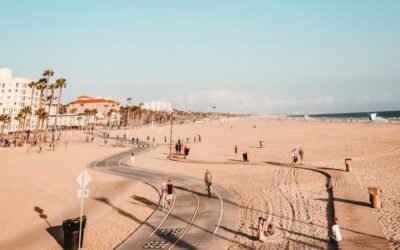
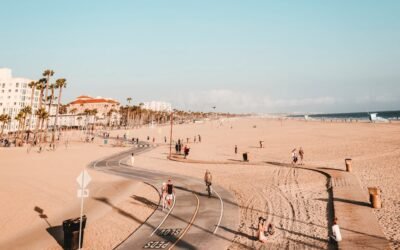

[…] Limestone Coast, South Australia […]