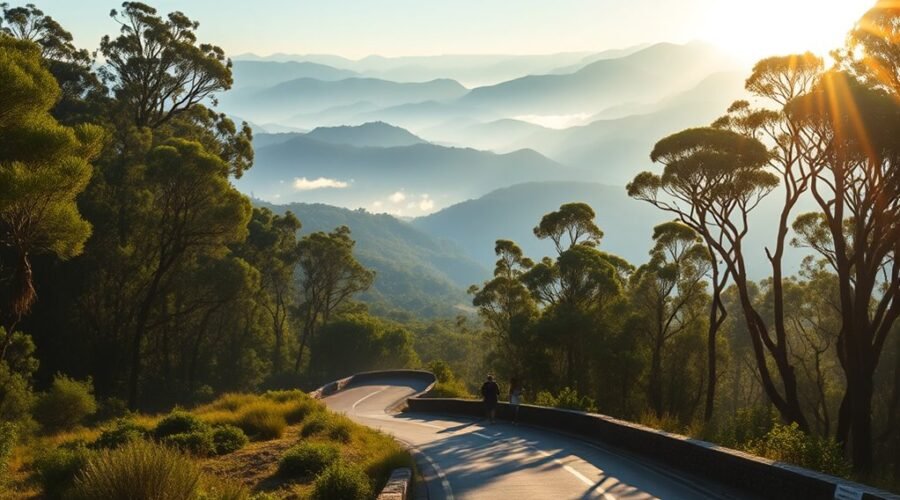
You might not know that Mount Tamborine’s clearest vistas and driest walking trails often fall outside peak summer and winter. If you prefer mild days, fewer crowds and better value, the shoulder seasons of late spring and early autumn usually deliver—short showers, crisp mornings and quieter cafés. Pick midweek stays to save on boutique cabins, pack layers and a light rain jacket, and you’ll be set for whatever the mountain offers next.
Compare our seasonal guides to Queensland, Australia and Southern Great Barrier Reef, Queensland when choosing other stops in Queensland.
Key Takeaways
- Autumn (Mar–May) offers cool, dry days, clear trails, minimal humidity, and ideal hiking and vistas.
- Late spring or early autumn provides mild evenings, blooms, alfresco dining, and lower crowd levels.
- Winter weekdays deliver solitude, crisp mornings, clear light, and quieter lookouts but colder temperatures.
- Summer (Dec–Feb) is warm, humid, with showers—great for waterfalls and night walks, pack a rain jacket.
- Visit midweek or shoulder seasons for lower accommodation rates, fewer crowds, and better last‑minute deals.
Best Time to Visit Mount Tamborine (Quick Picks by Goal)
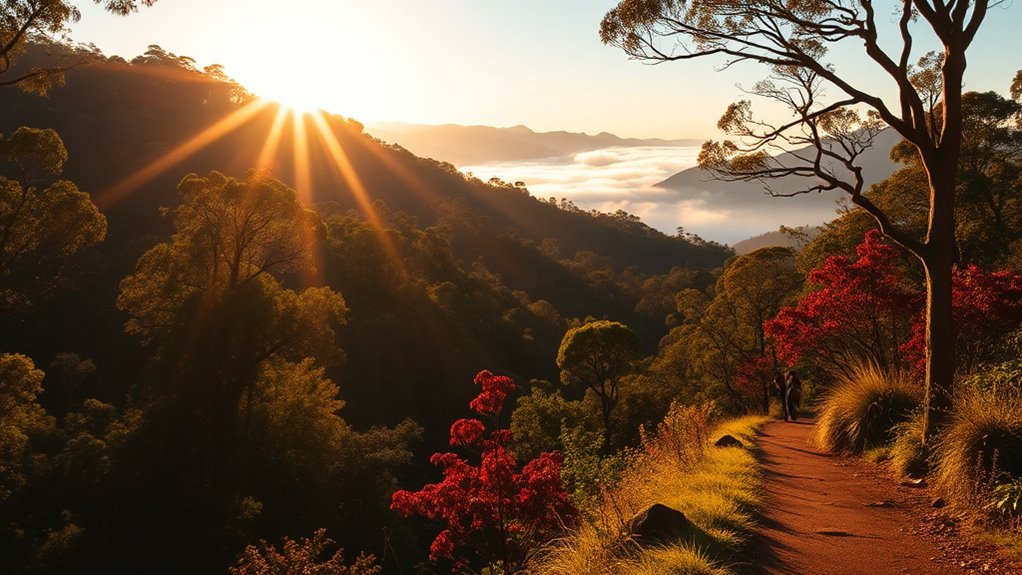
If you’re planning around specific goals—wildlife spotting, hiking, dining alfresco, or avoiding crowds—Mount Tamborine has a best season for each, and picking the right window makes your trip much more rewarding.
For wildlife spotting, visit in spring (September–November) when birds, gliders and reptiles are active; morning light and quiet tracks let you slip into their world.
If you want hiking and clear vistas, autumn’s cool, dry days (March–May) give crisp trails and freedom to roam without sweat.
For alfresco dining and relaxed cafes, aim for late spring or early autumn when blooms and mild evenings invite lingering over local produce and wine.
To catch cultural festivals and community markets, check summer and early autumn calendars—these draw crowds but deliver vibrant music, art and food.
Plan for summer and early autumn events—expect lively crowds, vibrant music, art stalls and mouthwatering local food.
If you crave solitude, winter weekdays offer foggy mornings and near‑empty lookouts.
Choose the rhythm that frees you, then plan around that season for maximum reward.
How to Choose Your Month : 4 Simple Criteria
Start by thinking about the weather and temperature you enjoy — crisp, cool mornings or warm, sunny afternoons — because that shapes everything from hiking comfort to wildlife spotting.
Then weigh crowds and costs: quieter months often mean better deals and more peaceful trails, while peak times bring atmosphere but higher prices.
Use those two factors together to pick a month that matches your pace and budget.
Weather And Temperature
When you pick your month by weather and temperature, think about how you want to feel on the mountain—crisp mornings for waterfall walks, warm afternoons for vineyard terraces, or cool, misty evenings for cozy cafés.
You’ll choose between sunny, liberating days and the soft hush of overcast air. Check microrise microclimates: lower gullies warm faster, ridges catch wind and fog.
Aim for late spring or early autumn if you want balanced warmth without summer humidity. If you seek solitude wrapped in chill, winter mornings can bring frost probability on exposed lawns and sharp, clear light for hiking.
Pack layers, waterproofs and breathable fabrics; trust quick-changing conditions and let temperature guide your itinerary so you move freely, not stuck to forecasts.
Crowds And Costs
Because crowd levels and prices shape everything from where you’ll find a quiet table to how much you’ll pay for a vineyard tour, plan your month around both demand and budget.
Choose months when you can move freely: quieter weekdays in shoulder seasons free you to wander without queues and lower accommodation rates.
Match your liberation goals to practical costs—balance budget transport costs against the joy of spontaneous detours.
Consider local cuisine pricing when scheduling dinners; off-peak nights often mean better value and friendlier service.
- Pick shoulder months for fewer tourists and lower tour fees.
- Use public shuttles or shared rides to cut budget transport costs.
- Dine earlier or later to capture local cuisine pricing deals.
- Book midweek vineyard tours for quieter, authentic experiences.
Month‑By‑Month Weather on Mount Tamborine
Although each month brings its own mood, Mount Tamborine’s weather is easy to plan for if you know what to expect: cool, misty mornings in winter, warm sunny days in summer, and spring and autumn that swing between blooms and brief showers.
January–February: humid, warm and often showery; you’ll chase waterfalls and lush wildfall foliage, but pack a light rain jacket.
March–April: storms ease, humidity drops, and the rainforest breathes; it’s a freedom month for waterfalls and clearer trails.
May–June: cooler nights arrive; mornings are crisp and foggy — ideal for reflective walks and watching wildlife migrations through the canopy.
July–August: coldest, driest weeks; you’ll enjoy sunny days and starrier nights, so layer up for brisk mornings.
September–October: spring brings flowers, variable showers and rebirth; expect damp trails and bright blooms.
November–December: warming, more stable weather with occasional storms; it’s perfect for open-air meals and spontaneous adventures.
Plan clothing in layers and keep flexible expectations.
Peak Crowds & Events on Mount Tamborine
You’ll feel the difference on Mount Tamborine during school holidays, when families swell the walks, cafes, and gallery strips.
Check the festival calendar—music, food and art events pack the village and reshape parking and dining options.
If you’re planning a short trip, steer clear of weekends or book early, because day‑trip surges fill attractions fast.
School Holiday Peaks
When school holidays roll around, Mount Tamborine fills fast with families chasing short breaks, weekend markets, and kid‑friendly events, so you should expect busier roads, booked‑out cafés, and lively crowds along the main walking tracks.
You’ll feel the pulse of escape as groups picnic beneath rainforest canopies and kids splash at waterfalls; during school vacation and public holidays plan for longer waits and fuller car parks.
Aim for early starts or late afternoons to reclaim calm, or pick quieter weekdays when you can.
Pack patience and a flexible itinerary so you can slip into pockets of solitude.
- Morning walks to avoid the masses
- Picnic spots off the beaten path
- Booking cafés and tours ahead
- Kid‑friendly activities with timed entry
Festival And Event Calendar
If you time your visit to coincide with one of Mount Tamborine’s festivals, expect the atmosphere to swell with live music, artisan stalls, and a steady flow of visitors that can transform quiet lanes into bustling promenades. You’ll find local food stalls tempting you with bold flavors, wine tasting events that loosen your plans, and craft markets that urge spontaneous purchases. Festivals lift the town’s pulse; charity events add warmth and purpose. Plan accommodation early, arrive mid-morning to beat queues, and carry cash for small vendors. Embrace the freedom to wander galleries between sets and sip slowly at cellar doors. Below is a quick guide to typical event types and what to expect.
| Event Type | Typical Month | What to Expect |
|---|---|---|
| Music festivals | Mar–May | Live bands, crowds |
| Food fairs | Jun–Aug | local food stalls |
| Wine weekends | Sep–Oct | wine tasting |
| Charity events | Nov | community vibe, donations |
Weekend Day-Trip Surges
Because weekends draw locals and city visitors alike, Mount Tamborine can shift overnight from serene to bustling, especially along Gallery Walk and the main lookouts.
You’ll feel the energy: cars queueing for viewpoints, cafes filling, and artisans setting up stalls.
Know that Weekend traffic swells mid-morning to mid-afternoon, and Day‑trip pricing for tours and eateries often nudges higher.
Plan to arrive early or linger late to reclaim quiet.
- Pack patience for limited parking and slow-moving queues.
- Scout alternative trails and lesser-known lookouts for solitude.
- Reserve lunch or tasting experiences to avoid sold-out spots.
- Watch event calendars—markets and festivals spike visitor numbers.
Embrace the crowd as part of the mountain’s pulse, but keep strategies to preserve your freedom.
Mount Tamborine Accommodation and Travel Costs
Although Mount Tamborine feels like a tucked-away retreat, getting there and finding the right place to stay is straightforward and can suit almost any budget.
You’ll find eco‑lodges perched among eucalypts, boutique cabins with forest views, and guesthouses that let you wake to birdsong.
Prices range from wallet-friendly rooms around off-peak weekends to pricier stays for private decks and spas; midweek travel often trims costs.
If you’re driving from Brisbane or the Gold Coast, fuel and a short toll or two are your main extra expenses; public buses run but add travel time.
Look for packages that include breakfast or offer budget‑friendly meals nearby — they free you to explore without fretting over every expense.
Book ahead for long weekends, but embrace flexibility: last-minute deals pop up in quieter months.
With a little planning, you’ll craft a stay that feels freeing, affordable, and true to your pace.
Top Activities by Season on Mount Tamborine
Now that you’ve sorted where to stay and how to get there, it’s time to match your plans to the seasons so you make the most of Mount Tamborine’s moods. You’ll find each season invites a different kind of freedom: crisp walks and waterfalls, fragrant gardens, or quiet starlit escapes. Plan so your days feed curiosity and your nights restore.
- Autumn: hike through canopy trails as local flora blushes, cooler air lifting your pace.
- Winter: relish clear vistas and solo café mornings; bring layers and chase long light.
- Spring: explore gardens and rainforest gullies when blooms explode; perfect for macro study.
- Summer: cool off under falls, join dusk wildlife walks, and try night photography after sunset.
Pick seasons that match your hunger for solitude or sociable adventure. You’ll leave feeling lighter, with sensory maps of scent, sound and light, and memories that nudge you toward more unruly, joyful travel.
Packing, Timing Tips, and Deals for Mount Tamborine
When should you pack your light rain jacket or your camera tripod? Pack the jacket for sudden mountain mists and the tripod for dawn vistas; freedom comes when you’re prepared.
Time your trip for shoulder seasons—late autumn or early spring—when crowds thin, prices dip, and trails feel like yours.
Book midweek to nab deals on cozy B&Bs and touring packages that include tastings of local cuisine; seek market stalls at dusk for fresh, affordable bites.
Bring layered clothing, sturdy hiking gear, waterproof boots, and a compact first-aid kit; travel light but intentional so you can pivot and roam.
Reserve guided walks in advance if you want expert routes without the group grind.
Watch weather forecasts; an early rain can clear to luminous skies ideal for photography.
Finally, carry cash for small vendors, compare online voucher sites for discounts, and trust your instincts—choose moments that liberate you from routines and let Tamborine’s wild charm reshape your pace.
Frequently Asked Questions
Are There Guided Wildlife Night Walks on Mount Tamborine?
Yes — you can join guideded tours that spotlight nocturnal fauna; you’ll wander rainforest trails, feel liberated as possums and gliders glide near torchlight, learn tracking tips, and leave with vivid memories and practical night-safety know-how.
Is There Reliable Mobile Phone Reception Across the Mountain?
Yes — coverage’s patchy like quilted sky; mobile coverage varies with elevation and provider, so signal strength drops in gullies and dense rainforest. You’ll plan for pockets offline, pack maps, and embrace unplugged freedom.
Can I Bring My Dog to National Parks and Walking Trails?
Mostly yes — you can bring your dog, but dog friendly trails vary and leash regulations apply; you’ll enjoy liberated walks through rainforest and ridge, so keep your dog leashed, clean up, and respect wildlife and other visitors.
Where Are the Best Spots for Sunrise Photography?
80% of photographers catch golden light—head to MacDonald, Witches Falls or Skyline for sunrise viewpoints; frame ridgelines and waterfalls using foreground interest and leading lines; you’ll compose daring, liberating shots that feel vividly alive.
Are There Any Seasonal Road Closures on Mount Tamborine?
Yes — you might face seasonal access limits and occasional roadworks alerts, so check local council updates. You’ll navigate closures more freely if you plan alternate routes, embrace delays, and time visits for quieter, liberated drives.
Conclusion
Choose late spring (Sept–Oct) or early autumn (Mar–May) for mild days, brief showers and clearer views — you’ll beat summer crowds and snag cheaper midweek stays. Imagine 60–70% fewer weekend visitors than peak festival months, so trails feel quiet and cafés less crowded. Pack layers, a light rain jacket and a tripod cover, book midweek, and you’ll enjoy crisp walks, sweeping vistas and better deals without sacrificing the region’s lush charm.