
About 70% of visitors choose Yeppoon between April and September, when warm, dry days and mild evenings make outdoor plans easy. You’ll find thinner crowds, lower accommodation rates and clearer water for snorkeling, but there are useful trade‑offs depending on whether you want the quietest beaches, cheapest ferries, or best birdwatching. Keep going and I’ll map the seasons, safety tips, and short itineraries so you can pick the month that fits you.
Compare our seasonal guides to Queensland, Australia and Southern Great Barrier Reef, Queensland when choosing other stops in Queensland.
Key Takeaways
- Best months: April–September for warm, dry days, lower humidity, fewer tourists, and easier parking.
- Peak crowds and higher prices occur late June–July and December–January; book accommodations early.
- Shoulder months (Feb–Mar, Sep–Nov) offer quieter attractions, better deals, and pleasant weather.
- June–November provides top snorkeling/diving visibility and calmer currents for water activities.
- Summer brings heat, humidity, and marine stingers—use stinger suits, vinegar, and follow lifeguard advice.
Quick Answer : Best Months to Visit Yeppoon
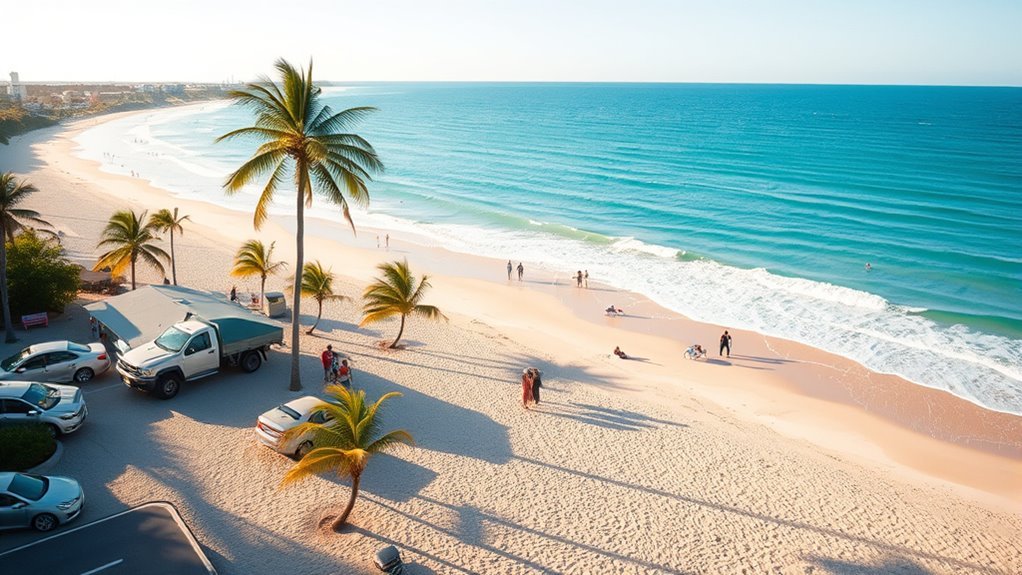
The best months to visit Yeppoon are April through September, when you’ll get warm, dry days, mild evenings, and plenty of sunshine for beach time and outdoor activities.
You’ll find fewer tourists, easier parking, and better deals on accommodation, so you can move freely and plan without stress.
Mornings suit coastal walks and snorkeling; afternoons invite café stops and browsing local cultural festivals that celebrate community and craft.
Weekends bring lively local markets where you can buy fresh produce, handmade goods, and direct stories from makers — perfect for supporting local independence.
If you want to avoid humidity, stinger season, and sudden downpours, this period is your most reliable window.
Pack light layers for cooler nights and a sunhat for midday.
With clear skies and steady conditions, you’ll maximize outdoor adventures, connect with locals, and reclaim time — all while keeping travel costs and crowds manageable.
Yeppoon Climate by Season (Summer, Autumn, Winter, Spring)
In summer you’ll feel the tropical heat and high humidity, so plan light clothing and plenty of water for beach days and outdoor activities.
Autumn eases the humidity while still offering warm, pleasant conditions for exploring the coast.
Winters are mild and dry, making them ideal for hiking and sightseeing without the summer stickiness.
Summer Heat & Humidity
Although summer in Yeppoon brings abundant sunshine and long beach days, you’ll also face high heat and sticky humidity that can affect comfort and activity choices. You’ll crave shade, early swims, and chilled local cuisine after a humid afternoon; cultural festivals glow at night when temperatures dip, so plan events then. Stay hydrated, wear breathable fabrics, and pick seaside cafés with fans or outdoor misters. Avoid midday hikes; choose dawn or dusk for freedom to explore without exhaustion. Embrace slower rhythms—siestas let you enjoy vibrant nights. Below is a simple table to stir feeling and planning:
| Feeling | Action |
|---|---|
| Oppressive heat | Seek shade & water |
| Sticky air | Dress light |
| Freedom-seeking | Dawn excursions |
| Festive nights | Attend festivals |
| Tired midday | Rest & recharge |
Winter Mild Conditions
While winter in Yeppoon brings cooler mornings and a welcome drop in humidity, you’ll still enjoy mild daytime temperatures perfect for outdoor activities.
You’ll find crisp, clear skies ideal for coastal walks, fishing, and exploring nearby parks without summer crowds.
Accommodation rates often dip, making budget travel easier if you time stays around local festivals or quieter weeks.
Local festivals and cultural events pop up—art shows, markets, and music nights—that let you connect with the community and stretch your independence.
Pack light layers for breezy evenings and a sunhat for daytime warmth.
You’ll move freely between beaches and cafes, spend less on transport, and savor relaxed rhythms that invite spontaneous adventures and a simpler, liberated travel pace.
Rain, Cyclones and Stingers : Is It Safe to Swim?
When summer storms roll in and sea temperatures climb, you’ll want to check local warnings before heading into the water because rain, cyclones and marine stingers all affect swimming safety around Yeppoon.
You’ll find lifeguarded beaches, seasonal stinger nets and clear signage—use them.
Practice stinger safety: wear a stinger suit in warmer months, carry vinegar or locate first‑aid stations, and avoid swimming at dusk when jellyfish are more active.
Practice stinger safety: wear a stinger suit in warm months, carry vinegar, and avoid dusk swims when jellyfish are active.
During heavy rains, skip swimming near river mouths; runoff reduces visibility and can carry debris and bacteria.
If a cyclone watch or warning is issued, follow cyclone preparedness advice: evacuate low‑lying areas, obey closures, and don’t enter the surf until authorities declare it safe.
Keep an eye on the Bureau of Meteorology and local surf lifesaving services for up‑to‑date alerts.
You’ll enjoy freedom on Yeppoon’s beaches when you pair boldness with caution—respect conditions, use available protections, and you’ll minimize risk while reclaiming the coast.
When Yeppoon Is Busiest : Peak Months and Quiet Windows
After checking safety alerts and planning your swim, consider timing your trip to match how busy Yeppoon gets—its rhythm shifts with school holidays, major events and the winter fair-weather draw.
You’ll find peak months from late June through July and again over December–January when families flock for school breaks and Local festivals pack the calendar. Expect crowded beaches, booked tours, and fuller Transport options like buses and the ferry running extra services.
If you crave space, aim for shoulder windows: late February–March or September–early November. Nights are quieter, shops stay open but queues shrink, and you’ll move more freely between cafes and coastal walks.
Midweek stays outside major events deliver the most liberation: easier parking, friendlier service, and calmer reefs for day trips.
Check the events calendar, book any must-do experiences in advance, and choose off-peak days to stretch your freedom without sacrificing access to the town’s best offerings.
Seasonal Prices: Hotels, Tours & Ferry Fares
Because demand spikes during school holidays and festival weekends, you’ll pay noticeably more for hotels, tours and the Yeppoon–Great Keppel Island ferry in peak months, especially late June–July and December–January.
Rates can double at beachfront accommodations and popular tour operators raise prices to match demand during Local festivals.
You can reclaim freedom by booking early, staying midweek, or choosing a guesthouse over a resort.
Watch for shoulder-season bargains in February–May and August–November when operators drop fares to attract independent travelers.
Sign up for mailing lists to catch limited Transportation discounts and flash sales; small savings on ferry tickets add up when island hopping is on your agenda.
Bundle tours and lodging when possible to lock better rates, and negotiate directly with smaller businesses—they often prefer a guaranteed booking to third-party commissions.
Plan with flexibility: travel dates that avoid school breaks save you money and let you experience Yeppoon with fewer crowds, leaving you freer to explore on your own terms.
Best Time to Island-Hop From Yeppoon (Great Keppel & Nearby Cays)
Those pricing tips matter especially if you plan to island-hop from Yeppoon to Great Keppel and the nearby cays, since weather, sea state and operator schedules all affect both cost and experience. You’ll want flexible plans: choose calm-season mornings for smoother crossings, check operator updates, and book return legs to avoid last-minute surcharges. Think about local hopping logistics—boat type, pick-up points, and baggage rules influence freedom and price.
| When to go | Sea/state | Practical tip |
|---|---|---|
| Calm mornings | Low chop | Book early ferries |
| Shoulder season | Moderate | Negotiate combos |
| Windy days | High chop | Stay onshore |
Pack light, bring cash for island stalls, and sample cays cuisine where available; eating locally supports small operators and frees you from rigid meal plans. If you value liberation, prioritize options that let you stay longer on quieter cays, swap tours, or self-cater. Confirm cancellations and refunds policy so your independence isn’t grounded by weather.
Best Months for Snorkeling & Diving in Yeppoon Waters
While water temps stay pleasant most of the year, the best months for snorkeling and diving around Yeppoon are June through November when visibility is highest and currents are generally milder. You’ll find calmer seas and clearer water that let you explore reefs with ease; bring reliable snorkeling gear, a reef-safe sunscreen, and a sense of freedom to roam. Conditions favor both shallow snorkel sites and deeper dive spots, so pack whatever makes you feel unbound underwater.
Best months to dive Yeppoon: June–November — calm, clear waters; bring reef-safe sunscreen and gear, and roam freely underwater.
- June–July: cooler water, peak clarity, ideal for long snorkel sessions and photographing corals.
- August–September: warm days, gentle currents, good for discovering small reef fish and schooling species.
- October–November: increasing warmth, excellent visibility for deeper dives and spotting larger marine life.
Plan trips with local operators who monitor conditions and respect reef rules so you can dive responsibly and savor liberated, unforgettable underwater moments.
Best Months for Wildlife Watching and Birding
If you time your visit between September and December, you’ll catch the peak of bird migrations and the best window for spotting shorebirds, waterfowl, and nesting seabirds around Yeppoon. You’ll notice clear migratory patterns along the coastline and in nearby wetlands; guided walks at dawn reveal species arriving to feed and breed. Nesting seasons for terns and other seabirds ramp up, so you can observe courtship and chick rearing from respectful distances. Mangroves and saltflats host resident waders year-round, but late spring brings the richest activity.
| Habitat | Best Time | What to Watch |
|---|---|---|
| Coastal mudflats | Sep–Nov | Migratory shorebirds feeding |
| Mangroves | Year-round | Resident waders, kingfishers |
| Seabird colonies | Sep–Dec | Nesting, chicks |
| Wetlands | Sep–Dec | Waterfowl influx |
Bring binoculars, stay on marked paths, and choose low-impact tours so you liberate wildlife from disturbance while freeing yourself to fully witness nature.
3–7 Day Itineraries Tailored to Weather and Budget
When planning a 3–7 day stay in Yeppoon, match your daily plans to the forecast and your budget so you get the best from sun, surf, and wildlife without overspending or getting rained out. You’ll want flexible blocks: sunny mornings for island trips and snorkeling, warm afternoons for coastal walks or markets, and cooler evenings for cheap eats or live music. Pack swimwear, a light rain jacket, and stagger paid activities to keep costs low while still chasing freedom.
- Day-trip focus: Capricorn Coast boat tour, beach picnic, dusk birding on the foreshore.
- Low-cost stay: self-cater, explore free beaches, join community cultural events and markets.
- Family plan: shorter ferry rides, play at parks, time visits to family friendly festivals for cultural lift.
Adjust each day to forecasts and your wallet, so you leave feeling unburdened, sun-kissed, and inspired.
Which Month Is Right for You? Pick by Budget, Weather, or Crowds
Curious which month suits your Yeppoon trip best? Aim for July–August if you want clear skies, cooler days, and smaller crowds; you’ll save on accommodation and enjoy relaxed beaches.
If budget matters most, try May or September—shoulder months bring lower fares, quieter attractions, and occasional budget friendly festivals that let you stretch your dollars.
Prefer warmth and lively atmosphere? Visit December–February for tropical heat and frequent local food events, but expect higher prices, humidity, and more tourists.
For a balance of comfort and culture, April offers mild weather, fewer stingers, and community markets without peak-season costs.
Want solitude and cheap stays? Winter weekdays deliver solitude, cheaper rooms, and calm seas for snorkeling.
Think about what liberates you: low cost, warm weather, or empty beaches. Pick the month that matches that priority, book flexible rates, and plan key activities around festival dates and tide charts to get the most from Yeppoon.
Frequently Asked Questions
Are There Special Events or Festivals in Yeppoon Worth Planning Around?
Yes — you’ll find lively seasonal events and a clear festival calendar: Seafood Festival, Sandskippers, and local arts nights. You’ll plan around dates, join liberated community vibes, and enjoy practical tips for timing and tickets.
What Are Public Transport Options to and Around Yeppoon?
On a recent trip you grabbed the Parklands bus route to Yeppoon, then walked; regional Bus routes connect from Rockhampton, and local Taxi services or rideshares fill gaps, so you can move freely and on your own terms.
Is Yeppoon Family-Friendly for Young Children and Infants?
Yes — you’ll find Yeppoon very family-friendly for young children and infants; it offers family friendly amenities like shaded playgrounds, calm, baby friendly beaches, pram-access paths, kid-friendly cafes, and plenty of safe, liberating outdoor spaces to explore.
Where Are the Best Places to Eat Local Seafood in Yeppoon?
You’ll find top local seafood at waterfront restaurants, bustling local markets, and straight off fishing charters; choose places that celebrate fresh catches, support local fishers, and let you savor liberated, sustainable coastal flavors with family-friendly vibes.
Are There Accessible Facilities and Services for Travelers With Mobility Issues?
Yes—Yeppoon offers wheel friendly access, ramped beaches, wheelchair friendly pathways, accessible parking and toilets, and adaptable accommodation; you’ll find clear signage, helpful staff, and practical transport options to move freely and confidently around town.
Conclusion
Plan your trip to Yeppoon between April and September for warm, dry days, fewer crowds, and lower prices — you’ll also enjoy clearer waters for snorkeling and more reliable birdwatching. If you want extra quiet and bargains, try late Feb–March or September–early November. Fun fact: visitor numbers can drop by roughly 30% outside peak summer, so you’ll likely score cheaper ferries and tours. Pick dates based on whether weather, wildlife or budget matters most.