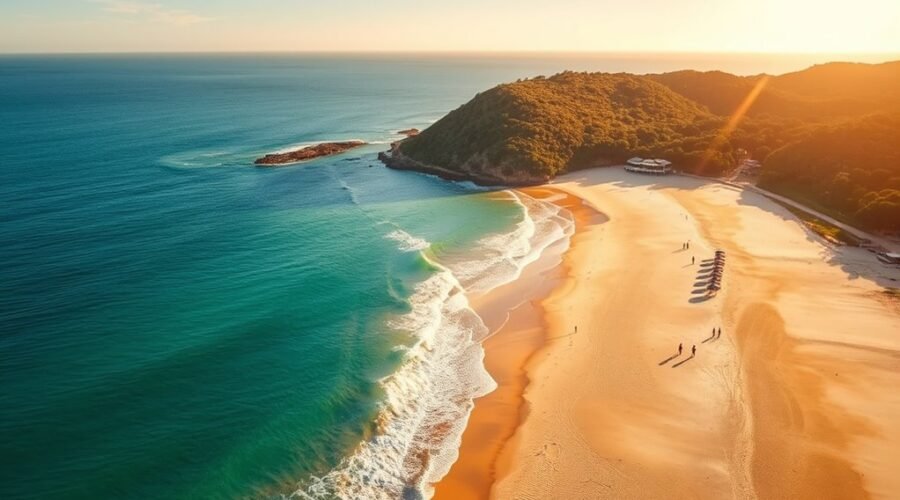
The best time to visit Palm Beach Sydney depends on whether you want warm-water swimming, peaceful coastal walks, or a chance to spot migrating whales. This beautiful corner of Sydney’s Northern Beaches has two distinct waterfronts: the surf-facing Pacific Ocean and the more sheltered waters of Pittwater. Understanding the seasons will help you choose a visit that suits your budget and favorite activities.
Quick Answer
March–April and October–November offer the best overall balance of comfortable weather and manageable crowds in Palm Beach, Sydney. Choose December–February for the warmest swimming conditions, June–July or September–November for whale watching, and August–September for spring wildflowers. Winter is usually quieter, while Christmas and school holidays bring the heaviest crowds.
Last checked: October 23, 2026. Dates and figures were verified against official sources.
Key Takeaways
- Summer brings warm sea temperatures and busy beaches, but ocean conditions are not necessarily calm.
- March and April are excellent for combining swimming, coastal walks, and somewhat smaller crowds outside holidays.
- Winter offers cooler temperatures, opportunities to spot whales, and potentially lower accommodation costs.
- August and September are especially appealing for wildflowers and walking through nearby coastal bushland.
- Christmas, Easter, long weekends, and school holidays can make even normally quieter months busy.
- Buses, ferries, and careful parking choices can help you manage the cost of a Palm Beach visit.
Quick Decision: When to Visit Palm Beach
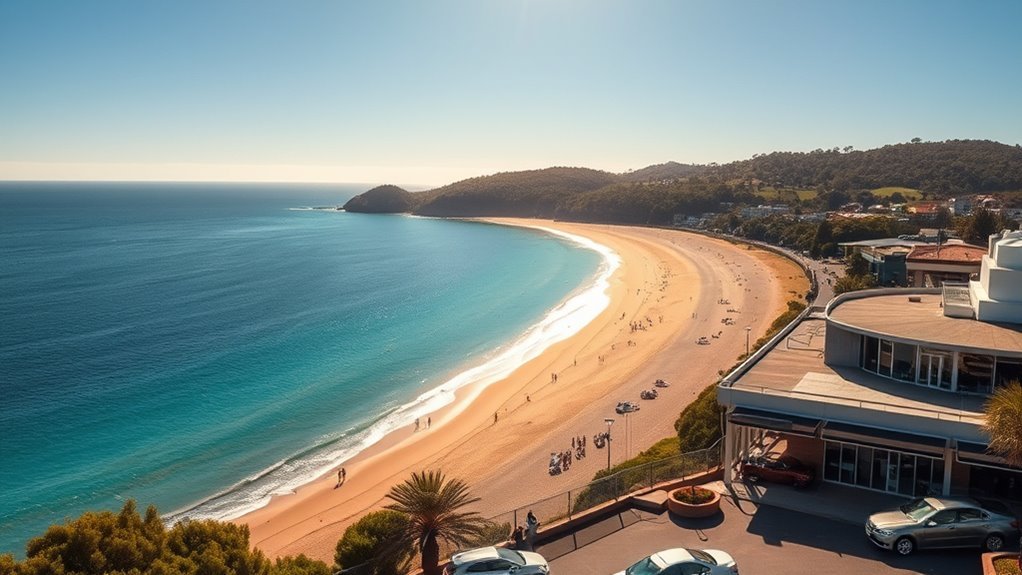
For a classic Australian beach holiday, December through February is the most popular time to visit Palm Beach. However, March and April can be even more enjoyable if you prefer comfortable sightseeing weather without the busiest summer holiday crowds.
Palm Beach sits at the northern end of Sydney’s Northern Beaches, about 45 kilometres north of central Sydney. Its ocean-facing beach, Pittwater shoreline, and Barrenjoey Headland make it a rewarding destination throughout the year.
According to Northern Beaches Council’s Palm Beach information, the ocean beach stretches for about 2.3 kilometres. The northern end is particularly popular with surfers, while parts of the southern end can offer more manageable swimming conditions.
You can choose your travel period based on these priorities:
- Best overall weather: March–April and October–November.
- Warmest beach holiday: December–February.
- Comfortable coastal walking: March–May and September–November.
- Whale watching: June–July and September–November.
- Wildflowers: August–September, sometimes extending into October.
- Quieter accommodation periods: Generally June–August, outside school holidays and special events.
- Surfing: Possible throughout the year, with suitable conditions depending on swell, wind, and experience.
If you have only one day, start with a morning beach walk, visit Barrenjoey Headland, and enjoy lunch overlooking Pittwater. A ferry ride or relaxed afternoon beside the water can complete the trip.
Palm Beach also offers cafés and restaurants serving seafood and contemporary Australian food. You can enjoy them throughout the year, although weekends and holidays often bring longer waits.
Best Time for Sun, Swimming and Calm Seas (Palm Beach)
December through March generally provides the warmest swimming weather at Palm Beach. Summer has long daylight hours, warm air, and comfortable water temperatures, making it ideal for swimming and relaxing on the sand.
Tourism Australia’s Sydney climate information gives typical summer sea temperatures of approximately 21.9–23.7°C (71.4–74.7°F). These are regional figures, so actual water conditions at Palm Beach will vary.
However, warm water does not mean calm or safe water. Palm Beach faces the open ocean and can experience strong shore breaks, large waves, and dangerous rip currents.
Where Is the Best Place to Swim?
The best swimming location depends on the day’s surf conditions and your swimming ability.
- Palm Beach ocean beach: Enjoy swimming between the red and yellow flags when lifeguards or lifesavers are on duty. The northern end is known for surfing, and stronger waves can occur anywhere along the beach.
- Southern Palm Beach: Often has gentler conditions than the northern surf breaks, although this is not guaranteed.
- Palm Beach Rockpool: The 50-metre ocean pool at the southern end provides a more contained swimming area. Northern Beaches Council lists its location as 1 Rock Bath Road, with access from Ocean Road and nearby changing facilities.
- Station Beach on Pittwater: Offers a generally more sheltered waterfront than the ocean beach. However, it is not patrolled by lifeguards, so calm-looking water should not be treated as automatically safe.
You can find the rockpool’s location and facility details in the Northern Beaches Council rockpool directory.
When Are the Beaches Patrolled?
The NSW volunteer surf lifesaving season for 2026–27 runs from September 26, 2026, through April 26, 2027, according to Surf Life Saving NSW.
Volunteer lifesavers generally patrol participating beaches on weekends and public holidays during that period. Professional lifeguard arrangements can differ by beach and day.
Warning: Never assume the ocean is safe because the weather is sunny or the waves look small. Swim between the red and yellow flags, follow lifeguard instructions, and avoid unpatrolled surf when conditions are uncertain. Tide height alone does not determine swimming safety.
For a quieter swim, try an early weekday visit while lifeguards are on duty. You may enjoy fewer people and gentler morning winds, although conditions can change at any time.
Palm Beach Month-by-Month: Weather, Crowds, Prices
Palm Beach has warm summers, mild autumns, cool winters, and increasingly pleasant spring weather. The busiest period is generally December through February, while winter usually attracts fewer leisure visitors.
The table uses average daily maximum temperatures published in Tourism Australia’s Sydney weather guide. These are Sydney-wide averages, not measurements from a Palm Beach weather station.
Crowd levels are practical seasonal estimates rather than official visitor counts. Weekends, public holidays, and special events can change the experience considerably.
| Month | Average High | Typical Crowds | What to Expect |
|---|---|---|---|
| January | 26.4°C | Very high | Warm swimming, school holidays, busy cafés and parking. |
| February | 26.3°C | Moderate–high | Warm sea, humid days, quieter weekdays after school resumes. |
| March | 25.2°C | Moderate | Excellent balance of beach weather and coastal walking. |
| April | 22.9°C | Moderate; high at Easter | Comfortable hikes, cooler evenings, holiday crowd spikes. |
| May | 20.0°C | Low | Cooler walks and the beginning of whale migration. |
| June | 17.6°C | Low | Whale watching, cooler winds, possible rain and stronger swell. |
| July | 17.0°C | Low–moderate | Winter walks and northbound whales; school holiday weekends can be busy. |
| August | 18.3°C | Low | Early wildflowers, clear walking days between weather changes. |
| September | 20.5°C | Low–moderate | Wildflowers, southbound whales, spring school holidays. |
| October | 22.5°C | Moderate | Warmer walks, whale watching, school holiday crowds early in the month. |
| November | 24.0°C | Moderate | Pleasant beach days before the major summer rush. |
| December | 25.7°C | High; very high at Christmas | Long sunny days, summer swimming, holiday traffic and higher demand. |
March is the strongest all-round choice for many visitors who want both swimming and sightseeing. October and November are excellent alternatives if you prefer spring scenery, warmer afternoons, and slightly cooler water.
June and July are usually the coolest months. Winter visits can still be rewarding, but you should expect colder mornings, wind, and occasional rainy days.
Accommodation prices are not fixed by month. Summer holidays usually increase demand, while winter and midweek stays often provide better value.
Peak Season (Dec–Jan): Crowds, Events & Costs
December and January are Palm Beach’s busiest holiday months. Warm weather, long daylight hours, and NSW school holidays bring families, surfers, and day-trippers to the coast.
The beach itself remains free to visit, but accommodation, dining, and parking can become expensive during popular holiday periods.
Holiday Crowds Spike
Christmas and New Year’s are particularly busy, along with January weekends and public holidays. Roads leading toward Palm Beach can become congested, and parking near Governor Phillip Park may fill quickly.
The NSW Department of Education calendar lists the 2026–27 summer school holidays for the Eastern Division from December 18, 2026, through January 27, 2027.
Other periods worth planning around include:
- Christmas 2026: December 25, with Boxing Day on December 26 and an additional public holiday on December 28.
- New Year’s Day 2027: January 1.
- Australia Day 2027: January 26.
- Easter 2027: Good Friday on March 26 through Easter Monday on March 29.
- Spring school holidays: A busy period from late September into early October.
If you enjoy lively beaches and busy outdoor cafés, summer is a wonderful time. If you prefer privacy, visit on a weekday outside the main school holiday period.
Peak Prices & Events
Accommodation demand generally rises during summer, particularly for beachfront holiday rentals. Popular restaurants may require reservations, and parking costs add to the expense of a day trip.
Palm Beach also has a regular local event that runs beyond the summer season. The Palm Beach Market is normally held at Governor Phillip Park on the fourth Sunday of each month, from 9am to 3pm.
You can browse food, fashion, jewellery, homewares, and artwork while enjoying the relaxed coastal setting. Entry to the market area is generally free, although purchases and parking cost extra.
For a summer visit, consider these practical choices:
- Reserve accommodation early: Compare holiday rentals and hotels before peak summer demand increases.
- Choose a weekday: Beaches, walking tracks, and cafés tend to be quieter outside weekends.
- Plan meals: Choose a café or restaurant that suits your budget, or bring a picnic to Governor Phillip Park.
- Allow extra travel time: Holiday traffic can make the journey slower than expected.
Best Months for Quiet Walks, Whale Watching & Bushland
Autumn, winter, and spring are excellent times to enjoy Palm Beach beyond the sand. Cooler weather makes the headland more comfortable for walking, and seasonal wildlife adds another reason to visit.
May–July and September–November are particularly interesting for whale watching, while August and September bring spring wildflowers to nearby bushland.
Quiet Morning Walks
Early mornings are among the most peaceful times to explore Palm Beach. The sand is often quiet, the morning light is beautiful, and coastal walking becomes especially pleasant outside summer.
The most famous local walk leads to Barrenjoey Lighthouse, which stands above the northern end of Palm Beach.
You can reach the lighthouse using two main approaches:
- Barrenjoey Access Trail: The broader, more gradual route, although it still climbs uphill and requires reasonable fitness.
- Smugglers Track: A shorter, steeper option with steps and more demanding sections.
The lighthouse stands approximately 91 metres above sea level. Allow around 30 minutes each way from the Governor Phillip Park parking area, plus time to enjoy the views.
From the top, you can see the Pacific Ocean, Pittwater, Broken Bay, and the Central Coast.
Walking around the lighthouse exterior is free, but entering the building requires a guided tour.
The NSW National Parks lighthouse tour generally runs on Sundays at 11am, noon, 1pm, 2pm, and 3pm. Tours last approximately 30 minutes and require bookings.
Published tour prices are $15 for adults, $13 for concessions, and $11 for children, with a discount available for qualifying family or group bookings.
Bring water, a hat, sunscreen, and sturdy shoes. Toilets and drinking water are available near the parking area rather than at the lighthouse itself.
For photography, early morning light is particularly attractive. The headland also offers opportunities to observe seabirds and coastal vegetation without disturbing wildlife.
If you explore rock platforms or tidal pools, remain well clear of breaking waves. Wet rocks can be slippery, and sudden waves can wash across exposed platforms.
Best Whale Watching Months
The best periods for whale watching at Palm Beach are generally June–July and September–November. These months correspond with the northward and southward migration of humpback whales along the NSW coast.
According to the NSW Government’s humpback whale information, whales migrate north between May and July and return south from September through November.
Barrenjoey Headland is one of the best local viewing points because its elevated position offers wide ocean views.
The two main migration periods offer different experiences:
- May–July: Humpback whales move north toward warmer breeding waters. June and early July are especially promising.
- August: Whale sightings remain possible, but the main migration patterns are less concentrated.
- September–November: Whales travel south again, sometimes accompanied by calves.
Southern right whales can also occur along the coast, although humpbacks are the main attraction for many visitors.
Morning and afternoon light can make watching more comfortable, but whale sightings depend on where the animals are traveling, sea conditions, and visibility.
Bring binoculars, a warm jacket, drinking water, and patience. Watching from the headland is free, unlike organized whale-watching boat tours.
Keep your distance from marine wildlife and follow official whale-watching guidelines if you take a boat or kayak.
Bushland Wildflower Season
August and September are excellent months to enjoy flowering coastal bushland around Palm Beach and Ku-ring-gai Chase National Park. Some flowers continue into October, depending on species and seasonal weather.
The NSW National Parks visitor guide specifically recommends August and September for wildflowers in the park’s heathlands.
You may see native banksias, wattles, flowering peas, and other coastal plants during spring walks.
Native bees, butterflies, and other pollinators may also be active around flowering vegetation.
For the best experience:
- Walk in the morning: Cooler temperatures and softer light make flowers easier to photograph.
- Stay on marked tracks: Coastal vegetation can be fragile and slow to recover from trampling.
- Carry water and sun protection: Spring sunshine can still be strong.
- Leave flowers in place: Take photographs rather than collecting plants or disturbing insects.
Spring is ideal if you enjoy a mix of colorful bushland, comfortable walking weather, and wide coastal views.
Best Months for Surfing and Other Water Sports
You can surf at Palm Beach throughout the year, but the best day depends more on swell direction, wind, tides, and your experience than on the month alone.
The northern end of Palm Beach is well known for surfing. However, conditions can change quickly, and stronger swells may create challenging waves.
Summer Surfing: November–March
Late spring through early autumn offers warmer water and comfortable conditions for spending time in the ocean.
Summer can bring small, manageable surf days as well as powerful swells. Morning sessions are sometimes cleaner before afternoon sea breezes increase.
Beginners should choose a suitable supervised lesson or a surf location recommended by a qualified instructor rather than assuming small waves are always safe.
Winter Surfing: June–August
Winter can produce powerful storm-generated swells along Sydney’s coastline. Experienced surfers may enjoy these conditions, particularly when favorable winds create cleaner waves.
However, winter does not guarantee bigger or better surf every day. Some days will be flat, while others may be too dangerous for casual surfers.
Water temperatures are cooler, and a suitable wetsuit can make longer sessions more comfortable.
Strong shore breaks, currents, and changing weather deserve extra care at this exposed ocean beach.
Snorkeling, Paddleboarding and Other Water Sports
For snorkeling and stand-up paddleboarding, choose days with low swell, light wind, and good visibility.
Calmer areas of Pittwater may be more suitable for paddling than the open ocean, although boats, currents, and changing wind conditions still present risks.
Rocky underwater areas can support fish and marine life, but visibility varies. Avoid entering the water during large swells or poor conditions.
Kayaking, sailing, and ferry trips provide other ways to enjoy the protected waterways around Palm Beach.
A scenic ferry journey can also be a good alternative if you prefer to stay dry while exploring the coastline.
Cheapest Months & How to Find Accommodation Deals
June through August usually offers the best opportunity to find lower accommodation rates in Palm Beach. Autumn and spring can also provide good value, particularly for midweek stays outside holidays.
There is no single guaranteed cheapest month. Prices depend on the property, length of stay, booking date, demand, and special events.
How Much Does Parking Cost?
Parking is an important expense if you drive to Palm Beach.
According to Northern Beaches Council’s published beach parking fees, the general rates for designated paid beach and reserve carparks are:
| Parking Period | Hourly Rate | Daily Rate |
|---|---|---|
| Off-peak: May 1–September 30 | A$8 | A$35 |
| Peak: October 1–April 30 | A$10 | A$40 |
These are published general rates for eligible Council paid parking areas, not a promise that every space has the same conditions. Individual carparks may have different time limits, and valid local parking permits may provide exemptions.
You can also save money by considering the following options:
- Stay midweek: Compare weekday and weekend rates before choosing your dates.
- Consider a longer stay: Some accommodation providers offer a lower average nightly rate for longer bookings.
- Compare inclusions: Check whether linen, parking, internet access, or bicycles are included.
- Share accommodation: A suitable holiday rental may reduce the cost per person for families or groups.
- Use public transport: Avoid parking expenses by taking buses to Palm Beach.
To keep spending low, combine free activities such as beach walks, Barrenjoey Headland viewpoints, and picnics with one paid experience, such as a lighthouse tour or ferry trip.
How to Get to Palm Beach From Sydney
Palm Beach is accessible by car and public bus from Sydney. Public transport can be particularly useful during busy weekends, when parking becomes difficult.
Public Transport From Sydney CBD
A practical route from central Sydney is to take the B1 B-Line bus from Wynyard to Mona Vale, then change to bus route 199 toward Palm Beach.
The Transport for NSW route 199 connects Palm Beach with Mona Vale, Dee Why, and Manly.
If you are already staying in Manly, you can take route 199 toward Palm Beach without first traveling into central Sydney.
Opal cards and contactless payment are accepted on Sydney’s regular bus network. Allow extra travel time for transfers and peak traffic.
Driving and Parking
Driving offers flexibility, particularly if you plan to visit nearby Avalon, Whale Beach, or other Northern Beaches locations.
Travel time from central Sydney can be just over an hour in favorable traffic, but weekend and holiday congestion may make the journey considerably longer.
Governor Phillip Park provides convenient access to the beach and Barrenjoey walking tracks. Other parking areas serve the Pittwater waterfront and ferry wharf.
If your chosen parking area is full, do not stop in restricted zones. Some longer-stay options around Careel Bay allow visitors to continue their journey using local buses.
Exploring Pittwater by Ferry
Passenger ferries depart from Palm Beach Wharf on the Pittwater side of the peninsula.
The ferry to Ettalong Beach via Wagstaffe generally takes about 30 minutes. Other services connect Palm Beach with destinations including The Basin and Mackerel Beach.
The Palm Beach Ferries timetable provides current departure information and notes that services may change because of adverse weather.
Traveling by ferry can be an enjoyable activity in itself, with views of Broken Bay, coastal bushland, and surrounding waterways.
Frequently Asked Questions
Are Dogs Allowed on Palm Beach’s Main Beaches?
No, dogs are generally prohibited on Palm Beach’s main ocean beach and Station Beach. You can walk dogs on-leash in permitted nearby public areas and use designated off-leash parks elsewhere in the Northern Beaches. Follow posted signs and local regulations.
The Northern Beaches Council dog-friendly areas directory identifies authorized off-leash locations, including Rowland Reserve in Bayview and designated parks around Avalon.
How Accessible Is Palm Beach for Visitors With Limited Mobility?
Palm Beach has some accessible public areas, but its natural attractions have limitations. You may find more manageable access around roads, parking areas, and sections of the Pittwater waterfront. The steep Barrenjoey Lighthouse walking tracks and lighthouse tour are not wheelchair accessible.
What Public Transport Options Reach Palm Beach From Sydney?
You can travel from Sydney CBD by taking the B1 bus from Wynyard to Mona Vale and transferring to route 199 for Palm Beach. Route 199 also connects Palm Beach with Manly. Allow additional time during weekends and holidays, when traffic can slow buses.
Where Are the Best Kid-Friendly Activities Near Palm Beach?
Families can enjoy beach picnics, building sandcastles, the Palm Beach Rockpool, ferry rides, and coastal walks suited to their children’s abilities. Governor Phillip Park offers space for a relaxed outing. Supervise children closely near surf, rock platforms, and unpatrolled water.
Are There Any Local Festivals Outside Peak Season?
Yes, you can enjoy local community activities outside the summer peak, including the Palm Beach Market, normally held on the fourth Sunday of each month at Governor Phillip Park. Nearby Northern Beaches communities also host markets and cultural events throughout the year. Event programs vary by date.
Conclusion
For the best balance of pleasant weather, manageable crowds, and outdoor activities, choose March–April or October–November for your Palm Beach visit.
Summer is best if warm swimming weather matters most, while winter offers quieter surroundings and opportunities for whale watching. Spring brings wildflowers, beautiful coastal scenery, and comfortable walking conditions.
Choose your month based on the activities you enjoy, avoid major holiday dates if you prefer quieter beaches, and plan around safe ocean conditions rather than weather alone.
Sources
- Tourism Australia, Weather in Sydney: Monthly average maximum temperatures, seasonal climate information, and typical summer sea temperatures.
- Northern Beaches Council, Palm Beach: Beach length, surfing characteristics, and local conditions.
- Surf Life Saving NSW, Frequently Asked Questions: Official 2026–27 NSW beach patrol season.
- Northern Beaches Council, Rockpools: Palm Beach Rockpool length, location, and facilities.
- NSW Department of Education, 2026 Term Dates: Official school holiday dates.
- NSW National Parks and Wildlife Service, Barrenjoey Lighthouse Tour: Walking access, tour times, accessibility, and published prices.
- NSW Department of Climate Change, Energy, the Environment and Water, Humpback Whale: Migration periods and whale-watching information.
- NSW National Parks and Wildlife Service, Ku-ring-gai Chase National Park Visitor Information: Spring wildflowers and seasonal activities.
- The Beaches Market, Official Market Information: Palm Beach Market location and recurring schedule.
- Northern Beaches Council, Beach and Reserve Paid Parking: Published seasonal parking charges.
- Transport for NSW, Route 199: Palm Beach bus connections through Mona Vale, Dee Why, and Manly.
- Palm Beach Ferries, Ferry Timetables: Ferry destinations, approximate journey times, and service information.
- Northern Beaches Council, Dogs and Dog Off-leash Areas: Dog access restrictions and permitted exercise areas.