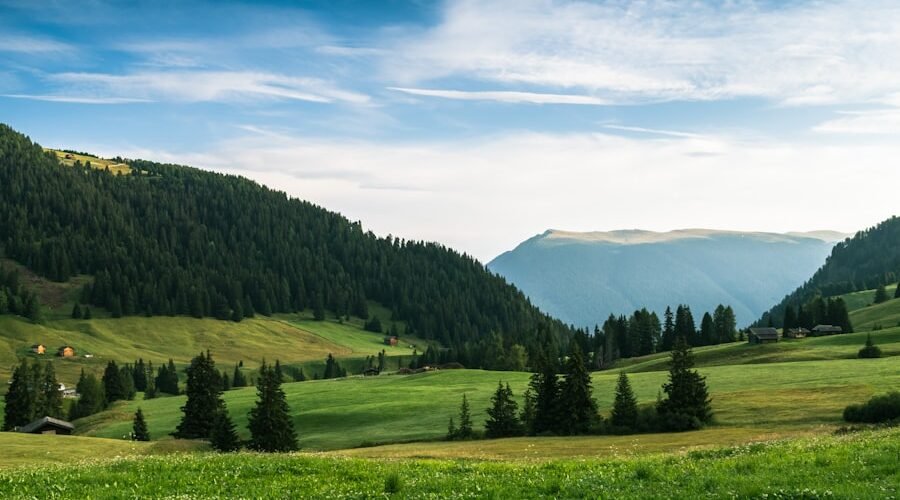
So, you’re thinking of heading to Pictou, Nova Scotia? This historic waterfront town offers something different in every season. The best time to visit depends on whether you want warm beach days, colourful autumn scenery, quiet streets, or a lively summer festival.
For most visitors, late spring and early autumn offer a comfortable balance of weather, crowds, and accommodation choices. However, summer is worth considering if swimming, boat tours, and seasonal attractions are your priorities.
Quick Answer
The best time to visit Pictou, Nova Scotia, is generally late May to early June or mid-September to early October for comfortable sightseeing and fewer summer crowds. Choose July and August for beaches, festivals, and the widest selection of seasonal activities. Visit in late September or October for autumn scenery.
Key Takeaways
- Best overall balance: Late May to early June and mid-September to early October.
- Warmest weather: July and August, especially for beach visits and outdoor activities.
- Best for festivals: Summer, particularly early July when the Pictou Lobster Carnival normally takes place.
- Best for autumn scenery: Late September through October, depending on the year’s foliage conditions.
- Best for quiet travel: Late spring, autumn, and winter, although some attractions operate seasonally.
- Best for budget flexibility: Compare spring, autumn, and winter accommodation rates rather than assuming any season guarantees the lowest price.
Best Time to Visit Pictou at a Glance
Here’s a quick comparison to help you choose your travel dates.
At a Glance
| Best Overall | Late May–early June or mid-September–early October. |
| Spring | Cooler weather, waterfront walks, and fewer visitors before the summer rush. |
| Summer | Warm weather, swimming, festivals, boat tours, and seasonal museums. |
| Autumn | Coastal drives, fall foliage, photography, and quieter sightseeing. |
| Winter | Quiet streets, local cultural experiences, and winter outdoor activities when conditions permit. |
1. Spring: A Fresh Start (Late April–Early June)
If you’re eager to see Pictou awaken after a long winter, spring is a lovely time to visit. It’s a transition season, with longer days, fresh greenery, and fewer visitors than in July or August.
Mild Weather Begins
Spring temperatures gradually rise, although conditions can change quickly near the coast.
- Late April–early May: Expect cool mornings, chilly evenings, and a mixture of sunshine, cloud, and rain. A waterproof jacket, sweater, and comfortable walking shoes are useful.
- Late May–early June: Days become longer and generally warmer, making waterfront walks, scenic drives, and outdoor sightseeing more comfortable.
For a regional climate reference, Environment and Climate Change Canada’s 1991–2020 normals for nearby Tatamagouche show average daily highs of approximately 15.9°C (61°F) in May and 21.3°C (70°F) in June. These figures describe regional historical averages, not a forecast for Pictou.
Actual temperatures can be higher or lower, and wind off the Northumberland Strait may make a sunny day feel cooler than expected.
Fewer Crowds, More Peace
- Before the summer rush: Spring offers opportunities to explore Pictou’s waterfront, historic streets, and nearby viewpoints without the busiest summer atmosphere.
- Local interactions: With a quieter pace, you may have more time to browse local shops, speak with residents, and discover places that are easy to overlook during a busy trip.
- Flexible sightseeing: You may find it easier to arrange dining and accommodation outside holiday weekends, although availability varies.
One attraction worth considering is Hector Heritage Quay, which explores the history of the Ship Hector and the Mi’kmaq people of Piktuk. Its published 2026 visitor season began on May 24.
Check the Hector Heritage Quay visitor information before planning your visit, as opening days and hours change during the season.
Budget-Friendly Options
Spring can provide more flexibility when booking accommodation, particularly before the main summer holiday period.
- Accommodation: Compare hotels, B&Bs, cottages, and rental properties across several dates. Some seasonal properties may not open until late spring.
- Dining: Look for restaurants that are already operating and check whether their hours change between weekdays and weekends.
- Ferry and tours: Some sightseeing operators begin their seasons later in spring. Do not assume that boat tours or the nearby ferry will operate on your chosen May dates.
If you plan to combine Pictou with Prince Edward Island, check the official Northumberland Ferries timetable before arranging accommodation on either side of the crossing.
What to Consider
- Limited activities: Some beach facilities, museums, and boat tours may be closed or operating reduced schedules in April and early May.
- Marine weather: The water remains cold in spring, so shoreline walks are usually a more practical choice than swimming.
- Changing conditions: Pack layers and keep an indoor activity available in case of rain or strong wind.
Pro Tip: If visiting Hector Heritage Quay is a major reason for your trip, choose dates after its seasonal opening rather than booking an earlier spring visit solely for lower accommodation prices.
2. Summer: The Bustling Peak (Mid-June–Early September)
Summer in Pictou is vibrant and full of energy. If you’re looking for warm weather, waterfront activities, and a lively atmosphere, this is your season.
It’s also when the town and surrounding Northumberland Shore offer a wider range of seasonal experiences. Planning ahead helps you make the most of your visit.
Warm and Sunny Days
July and August generally bring Pictou’s warmest weather.
Regional 1991–2020 climate normals for Tatamagouche show average daily highs of approximately 25.4°C (78°F) in July and 25.0°C (77°F) in August.
Individual days can be hotter or cooler, and coastal wind, humidity, and rain can affect outdoor plans.
- Water activities: Summer is the main season for swimming, kayaking, paddleboarding, and sightseeing cruises.
- Longer days: Extended daylight gives you more time for exploring the waterfront, enjoying outdoor meals, and visiting nearby beaches.
- Seasonal attractions: Museums, heritage sites, and tourism operators generally offer their widest selection of activities during summer.
Beaches and Swimming
While downtown Pictou does not have a major sandy swimming beach, the surrounding Northumberland Shore offers several beach destinations.
Melmerby Beach Provincial Park is a popular option near Pictou. Tourism Nova Scotia describes its summer waters as averaging more than 19°C (66°F), although actual water temperatures vary.
The park features a sandy shoreline, boardwalks, and visitor facilities.
Nova Scotia Parks lists Melmerby among its supervised swimming beaches. For 2026, the published lifeguard season ran from July 1 through August 30, with supervision generally available from 10 a.m. to 6 p.m.
Warning: Beach conditions and lifeguard availability can change. Swim in designated supervised areas when available, follow posted flags and instructions, and check current conditions before entering the water. Do not assume supervision continues into September.
Festivals and Events
Summer is when Pictou’s community events and waterfront celebrations bring extra energy to town.
The Pictou Lobster Carnival is one of its signature events. The 2026 edition took place from July 3 to 5 and featured entertainment, parades, amusement rides, lobster dinners, and other celebrations.
The event normally takes place in early July, but dates and programming can change from year to year.
Check the official Pictou Lobster Carnival website for the relevant year’s schedule.
Other local performances and community activities can also make summer an enjoyable time for families and visitors interested in Maritime culture.
Crowds and Activity
- Peak tourist season: July and August generally bring more visitors to waterfront attractions, restaurants, accommodation properties, and nearby beaches.
- Lively atmosphere: This is a good time for families and travellers who enjoy festivals, outdoor dining, and meeting other visitors.
- Booking essentials: Reserve accommodation and popular activities ahead of your visit, especially for holiday weekends and major events.
Attractions such as Hector Heritage Quay and the Northumberland Fisheries Museum are especially relevant to visitors interested in Pictou’s maritime heritage.
Higher Costs
Summer demand can place pressure on accommodation availability and prices, particularly on weekends and during festivals.
- Accommodation: Compare room rates and cancellation terms before booking. Waterfront properties and family-sized rentals may have limited availability on popular dates.
- Transportation: If flying into Halifax and renting a vehicle, compare the full cost of your flights, rental, fuel, and parking.
- Activities: Check admission prices and booking requirements for museums, cruises, and special events.
Summer is not automatically more expensive for every travel component, so compare complete trip costs rather than relying on seasonal assumptions.
What to Consider
- Busy beaches: Melmerby Beach and other popular shore destinations can attract more visitors on warm weekends.
- Waiting times: Restaurants and attractions may be busier around lunch, dinner, and major events.
- Weather: Heat, thunderstorms, rain, and strong coastal wind can affect outdoor activities.
- Sun protection: Bring sunscreen, drinking water, a hat, and appropriate clothing for longer outdoor days.
Note: For a summer trip focused on both Pictou’s museums and nearby beaches, July or August is generally more practical than early June because more seasonal facilities are likely to be operating.
3. Autumn: Golden Hues and Crisp Air (Mid-September–Late October)
Autumn is one of the most rewarding times to explore Pictou. The summer crowds begin to thin, temperatures cool, and the surrounding landscape gradually changes colour.
It’s an appealing season for scenic drives, waterfront photography, and travellers who prefer a more relaxed pace.
Pleasant Temperatures and Stunning Foliage
- Mid-September: Weather can remain comfortable for walking, outdoor dining, and coastal sightseeing. Some summer-oriented businesses may still be operating.
- Late September–mid-October: This is a useful planning window for autumn colours, although the exact timing varies with weather, location, and elevation.
- Late October: Expect cooler conditions, shorter days, and an increasing chance that seasonal attractions will have closed or reduced their hours.
Regional climate normals for Tatamagouche show average daily highs of approximately 20.7°C (69°F) in September and 14.2°C (58°F) in October.
Evenings can feel considerably cooler, especially near the waterfront.
Tourism Nova Scotia identifies late September through October as the broader fall-colour season. Individual locations may reach their peak earlier or later.
For the latest regional guidance, consult Tourism Nova Scotia’s fall travel information.
Autumn can still bring rain, wind, and unsettled weather. It should not be treated as a guaranteed dry season.
Thinning Crowds, Relaxed Pace
- Post-summer calm: After Labour Day, many summer holiday visitors return home. The town often has a quieter atmosphere, particularly on weekdays.
- Photography: Fall colours, waterfront views, and historic streets create opportunities for seasonal photographs.
- Scenic drives: The surrounding Northumberland Shore offers coastal scenery and countryside routes worth exploring at a slower pace.
For an easy outdoor activity, consider the Jitney Trail. This waterfront route extends approximately 3 kilometres toward Brown’s Point and is listed as a year-round recreational trail.
Its combination of shoreline views and local history makes it appealing in both summer and autumn.
Better Value Still Available
Autumn can be a useful time to compare accommodation prices after the busiest summer period.
- Accommodation: Look at midweek stays, flexible booking options, and properties that remain open into October.
- Dining: Check seasonal restaurant schedules before selecting your travel dates.
- Tours: Some operators may continue into autumn, while others finish earlier. Availability matters more than advertised seasonal discounts.
Remember that popular fall weekends can still attract visitors. A colourful October weekend is not guaranteed to be cheaper or quieter than a summer weekday.
What to Consider
- Winding down: Museums, boat tours, beach facilities, and some seasonal businesses may reduce their schedules or close.
- Daylight: Days shorten throughout autumn, so plan outdoor sightseeing earlier.
- Uncertain foliage: Leaf colours cannot be guaranteed for a specific booking date.
- Cool evenings: Bring a warm layer and waterproof outerwear.
Pro Tip: If you’re interested in both autumn scenery and seasonal museums, late September or early October can offer a useful compromise. Confirm each attraction’s closing date before booking.
4. Winter: A Quiet Charm (November–Mid-April)
Winter in Pictou is a dramatic contrast to the busy summer months. It’s a quieter time, with cold weather, occasional snow-covered scenery, and a different view of everyday life in the town.
If you enjoy peaceful coastal surroundings and don’t need a full schedule of tourist activities, winter can still be worthwhile.
Cold and Snow
- November–March: Temperatures gradually drop into winter conditions. Snow, ice, freezing rain, and strong winds are possible.
- Midwinter: January and February are generally among the coldest months. Wind chill can make outdoor conditions feel significantly colder than the measured air temperature.
- Late March–early April: Thawing and refreezing can create wet, muddy, or icy walking conditions.
At nearby Tatamagouche, the 1991–2020 climate normals show average daily highs below freezing in January and February. November and March are generally milder, although individual cold spells can occur.
Bring a winter coat, gloves, hat, thermal layers, and waterproof footwear with good traction.
Virtually No Crowds
Winter is usually the quietest period for leisure travel in Pictou.
- Peaceful waterfront: You may find fewer visitors along the harbour and walking routes.
- Local life: Winter gives you opportunities to explore shops, cafés, and community spaces outside the main tourism season.
- Flexible plans: Indoor activities can make a useful backup when conditions are too cold or windy for extended sightseeing.
However, fewer visitors do not mean every attraction will be accessible. Seasonal operating hours still matter.
Lowest Costs
Winter may offer accommodation savings at properties that remain open year-round. However, there is no guarantee that every hotel, rental car, or flight will be cheaper.
- Accommodation: Compare available properties and check for minimum-stay requirements.
- Transportation: Include winter vehicle requirements, insurance, and possible weather-related changes in your budget.
- Activities: Look for year-round options instead of assuming summer attractions will be available.
A low room rate is only good value if the accommodation and activities you want are accessible during your stay.
Year-Round Activities
Although many seasonal tourism businesses close for winter, Pictou is not completely shut down.
The deCoste Performing Arts Centre is listed as a year-round venue, offering performances and cultural events according to its programming schedule.
The Jitney Trail is also listed as open year-round, with winter walking, snowshoeing, and cross-country skiing possible when conditions allow.
You can also enjoy quiet harbour views, visit operating local businesses, or explore nearby communities.
What to Consider
- Limited services: Many seasonal museums, restaurants, boat tours, and other visitor businesses may be closed or operating reduced hours.
- Outdoor activities: Snowshoeing and cross-country skiing depend on snow and trail conditions.
- Road conditions: Snow, ice, and freezing rain can make driving more difficult.
- Short daylight hours: Allow extra travel time and avoid scheduling unfamiliar rural drives too late in the day during poor weather.
Warning: Check Nova Scotia 511 road conditions before winter driving. Use a vehicle suitable for the conditions, consider winter tires, and avoid unnecessary travel during severe-weather warnings.
5. Key Factors for Your Decision
To choose your ideal Pictou travel dates, consider the weather, crowds, budget, and activities that matter most to you.
Weather Tolerance
- Warmest weather: July and August.
- Comfortable sightseeing: Late May to early June and September to early October.
- Cooler conditions: April, late October, and November.
- Coldest period: Generally December through March, with January and February among the coldest months.
Remember that coastal weather can feel cooler than the air temperature suggests, particularly when the wind is strong.
Crowd Avoidance
- Quietest general period: Winter.
- Fewer summer visitors: Late spring and autumn.
- Busiest general period: July and August, especially long weekends and festival dates.
If avoiding crowds is important, consider travelling on weekdays and checking local event calendars before booking.
Budget Sensitivity
- Potential savings: Compare accommodation outside the main summer holiday period.
- Balanced value: Late spring and autumn may provide a useful mix of availability and activities.
- Peak-demand dates: Popular summer weekends and special events may require earlier booking.
Compare the complete trip cost, including accommodation, transportation, meals, and admission fees. Exact prices depend on availability and booking conditions.
Activity Preferences
- Water sports and festivals: July and August.
- Hiking and scenic drives: Late spring through autumn, subject to conditions.
- Fall foliage: Late September through October.
- Early nature walks: Late May and early June.
- Winter scenery and snowshoeing: Winter, when weather and trail conditions permit.
- History and culture: Plan around museum operating seasons, or choose year-round cultural events.
6. Planning Your Pictou Trip
Once you’ve chosen your season, a few practical checks can help prevent unexpected changes to your itinerary.
Check Attraction Opening Dates
Not every attraction operates throughout the year.
Hector Heritage Quay has a defined visitor season. Other museums, boat tours, and beach facilities may follow different schedules.
Build your itinerary around the attractions you most want to see rather than assuming everything will be open simply because you’re visiting during spring or autumn.
Plan Your Ferry Connection
The Caribou–Wood Islands ferry connects Nova Scotia and Prince Edward Island. The Caribou terminal is located just outside Pictou.
The crossing takes approximately 75 minutes, making it a practical connection for travellers exploring both provinces.
The published 2026 timetable listed daily departures from June 15 through October 17, followed by a reduced schedule from October 18 through December 20.
Schedules can change because of weather, vessel availability, or other operating conditions.
Check the official Northumberland Ferries schedule before travel, and arrive within the operator’s required check-in window.
Note: The ferry is a transportation service between Nova Scotia and Prince Edward Island, not a substitute for a local Pictou sightseeing cruise. Check the availability of each separately.
Pack for the Season
- Spring: Waterproof jacket, layers, comfortable walking shoes, and a warm sweater.
- Summer: Sunscreen, hat, water bottle, light clothing, and a warmer layer for cool evenings.
- Autumn: Warm layers, waterproof outerwear, sturdy shoes, and a camera for scenic stops.
- Winter: Insulated coat, thermal clothing, gloves, hat, and waterproof footwear with good traction.
Check the local weather forecast shortly before departure and adjust your packing for the conditions expected during your actual travel dates.
Ultimately, there’s something enjoyable about Pictou in every season. Match your travel dates to the experiences you care about most, confirm seasonal opening hours, and leave some flexibility for Maritime weather.
Whether you choose a lively July waterfront visit or a peaceful autumn getaway, planning around the season will help you get more out of your trip.
Frequently Asked Questions
1. What is the best time to visit Pictou, Nova Scotia, in terms of weather?
July and August generally offer the warmest weather, making them suitable for beaches and outdoor activities. Late May to early June and September to early October can be comfortable for walking and sightseeing if you prefer cooler conditions.
2. When is the peak tourist season in Pictou, Nova Scotia?
July and August are generally the busiest tourism months. Long weekends and major events, including the Pictou Lobster Carnival in early July, can attract additional visitors. Book accommodation ahead of popular dates.
3. When is the off-peak season in Pictou, Nova Scotia?
Winter is generally the quietest period for leisure travel. Some seasonal attractions and businesses close or reduce their hours, but year-round cultural venues, local services, and outdoor walking areas remain available according to their operating conditions.
4. What is the cost of visiting Pictou, Nova Scotia, during peak tourist season?
Costs depend on your accommodation, transport, activities, and booking dates. Summer demand can reduce accommodation availability and increase some rates. Compare actual prices and cancellation policies before making reservations.
5. When is the best time to visit Pictou to avoid crowds and save on costs?
Late May to early June and mid-September to early October are useful periods to consider. These dates may offer fewer summer visitors and greater booking flexibility. However, prices vary, and some seasonal attractions may not be operating.
6. When is the best time for swimming near Pictou?
July and August are generally the most suitable months for swimming. Melmerby Beach is a popular nearby destination. Check current water conditions and lifeguard schedules, and swim in designated supervised areas when available.
7. When can I see fall colours around Pictou?
Late September through October is the general fall-colour period in Nova Scotia. The exact timing varies by location, elevation, and weather. Early to mid-October can be a useful window for planning autumn drives, but peak colours are not guaranteed on specific dates.
8. Is Pictou worth visiting outside the summer season?
Yes. Spring offers quieter sightseeing, autumn brings colourful scenery, and winter provides a peaceful coastal atmosphere. Choose dates according to your interests and confirm the operating schedules of any attractions you want to visit.
Sources
- ECCC official 1991–2020 data and station inventory (CSV ZIP); location: TATAMAGOUCHE — regional temperature reference used to explain seasonal weather.
- Tourism Nova Scotia — Hector Heritage Quay — verified attraction information and seasonal visitor details.
- Tourism Nova Scotia — Melmerby Beach Provincial Park — beach location, facilities, and summer water information.
- Nova Scotia Parks — Supervised Swimming — official lifeguard locations, supervision dates, and beach safety information.
- Northumberland Ferries — Sailing Schedule — official Caribou–Wood Islands ferry timetables and passenger check-in requirements.
- Pictou Lobster Carnival — Official Website — verified festival information and 2026 event dates.