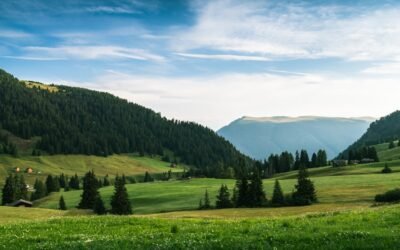
Wondering when to visit Rocky Harbour, Newfoundland and Labrador? For most travellers, late June to early September offers the best balance of comfortable weather, outdoor activities, and available visitor services. July and August are especially popular for exploring Gros Morne National Park, while early September can be a good choice if you prefer cooler hiking weather and a quieter atmosphere.
Rocky Harbour is one of the main communities serving Gros Morne National Park. It makes a convenient base for hiking, coastal sightseeing, boat tours, and exploring western Newfoundland. However, the experience changes considerably throughout the year, so choosing the right month can make a real difference.
Quick Answer
The best time to visit Rocky Harbour is generally late June through early September. July and August offer the warmest weather and the widest range of summer activities. Early September is a good alternative for cooler hiking conditions and potentially fewer visitors. May and October can also be rewarding, but expect reduced services and more variable weather.
Key Takeaways
- Best overall: Late June to early September for comfortable weather and access to major attractions.
- Warmest months: July and August, although rain, fog, and cool evenings remain possible.
- Quieter travel: May, June, and September may offer fewer visitors than peak summer.
- Hiking: The Gros Morne Mountain summit trail normally reopens June 28 after its annual wildlife-protection closure.
- Boat tours: Western Brook Pond has an advertised operating season from mid-May to mid-October, weather permitting.
- Winter travel: January through March is an established period for skiing, but visitor services are limited.
Rocky Harbour Weather, Crowds, and Costs by Season
Before choosing your dates, it helps to compare the main travel periods.
| Travel Period | Weather | Crowds and Costs | Main Appeal |
|---|---|---|---|
| May | Cool spring weather; possible lingering snow | Generally quieter; seasonal services begin reopening | Photography and peaceful sightseeing |
| June | Milder days, cool evenings, variable rain | Visitor activity increases | Early summer exploration and hiking |
| July–August | Warmest part of the year | Popular travel period; book ahead | Hiking, boat tours, and summer activities |
| September | Cooler days and nights; changing weather | Often quieter, especially after the summer holiday period | Hiking, photography, and early autumn scenery |
| October | Cooler, wetter, and increasingly unsettled | Lower visitor demand; more seasonal closures | Autumn landscapes and coastal photography |
| November–April | Cold, snowy, and frequently windy | Few leisure visitors; limited accommodation and dining | Winter scenery and snow sports |
For detailed seasonal guidance, consult the official Gros Morne weather information before making your plans.
1. Summer: June to August
Summer is the main travel season in Rocky Harbour and Gros Morne National Park. The landscape is green, daylight hours are long, and more restaurants, accommodations, tours, and visitor facilities are operating.
It is the easiest season for travellers who want to enjoy several activities without planning around extensive winter closures.
1.1. Summer Weather: Mild and Changeable
July and August generally offer the warmest conditions, but Newfoundland weather can change quickly.
Parks Canada reports average daytime temperatures of approximately 16°C to 25°C (61°F to 77°F) during July and August across Gros Morne. Coastal conditions and higher elevations can be noticeably cooler.
- June: Expect a mix of pleasant days, cool evenings, and occasional rain. Fog can reduce coastal visibility, and higher trails may still have snow.
- July: Often provides warmer temperatures and long daylight hours. It is a popular month for hiking, sightseeing, and boat tours.
- August: Offers similarly mild summer conditions, with green landscapes, wildflowers, and opportunities for outdoor exploration.
Rain remains possible throughout summer. Do not assume that a July or August visit guarantees sunshine.
The North Atlantic and nearby freshwater lakes also remain cool. Bring an extra layer for boat tours, even when the temperature feels comfortable in town.
Weather Note: Parks Canada advises visitors to prepare for rapid weather changes. Conditions in the Long Range Mountains may be colder and windier than those along the coast.
1.2. Summer Crowds: Popular but Manageable With Planning
July and August are the main summer holiday period. Expect more visitors at popular trails, parking areas, boat tours, restaurants, and accommodations.
The park covers a large area, so the experience varies by location. Busy attractions can feel quite different from quieter trails and viewpoints.
- Early June: Visitor activity is increasing, but the summer holiday rush has not fully arrived.
- Late June: More facilities and activities are available, making it an attractive time for outdoor exploration.
- July and August: Book accommodation and popular activities in advance, especially if your dates are fixed.
- Weekdays: Consider weekday visits to popular attractions when your itinerary allows.
Western Brook Pond is one attraction worth planning around. Reserving a tour ahead of time helps protect your preferred departure date.
1.3. Summer Costs: Plan for Strong Seasonal Demand
Summer is a popular travel period, so accommodation and rental-car availability can become limited.
However, individual prices depend on the property, booking date, tour operator, and availability. Higher summer demand does not mean every service automatically charges its highest price.
- Accommodation: Compare hotels, inns, cabins, bed and breakfasts, and campgrounds before choosing dates.
- Activities: Budget separately for commercial boat tours and other guided experiences.
- Food: Check restaurant opening hours and menus rather than assuming food prices follow a predictable seasonal pattern.
- Flights: Compare travel dates into Deer Lake Regional Airport instead of relying on a particular month being cheapest.
- Car rentals: Reserve early if you require a particular vehicle size or have limited travel flexibility.
One important distinction: Gros Morne National Park charges admission, while commercial tours may have separate fees. Paying park admission does not automatically include every activity.
2. Shoulder Seasons: May and September
If you prefer a quieter atmosphere and do not need the warmest possible weather, May and September are worth considering.
They can offer a different side of Rocky Harbour, with fewer summer visitors and attractive seasonal scenery. However, they are not identical.
2.1. May: Quiet Spring Landscapes
May marks the beginning of the main visitor season for several park facilities.
Expect cool temperatures, possible morning frost, and lingering snow at higher elevations. Some trails may be wet or partially snow-covered.
The landscape begins changing from winter to spring, making this an appealing period for travellers interested in photography and quieter sightseeing.
However, not every service opens at the same time.
For example, the published 2026 Parks Canada schedule lists May 15 as the beginning of the main operating period for the Rocky Harbour Visitor Centre, Discovery Centre, and Lobster Cove Head Lighthouse.
Campgrounds and commercial attractions follow their own schedules.
Warning: The Gros Morne Mountain summit trail is normally closed from May 1 through June 27 to protect wildlife during the breeding and early growth period. Do not plan a May summit hike. Check current Parks Canada bulletins before visiting.
2.2. September: Cooler Hiking Weather and Early Autumn Scenery
September is one of the most appealing alternatives to peak summer.
Daytime temperatures become cooler, evenings are noticeably colder, and the first autumn colours begin appearing in parts of the park.
This can be an enjoyable time for hiking and photography, particularly if you prefer cooler conditions.
There are trade-offs:
- Some seasonal businesses reduce their hours.
- Weather can become wetter and windier.
- Higher elevations may receive early snowfall toward the end of the month.
- Boat tours remain subject to weather and scheduled departures.
September can offer more flexibility than the busiest summer weeks, but last-minute availability is never guaranteed.
If you have your heart set on a specific boat tour, reserve it rather than relying on a walk-up ticket.
2.3. Shoulder-Season Costs
May and September may provide opportunities to find accommodation outside the busiest summer holiday period.
Compare the total trip cost rather than the nightly room rate alone.
- Accommodation: Some properties offer different seasonal rates, while others close outside their main operating period.
- Tours: Reduced departures can limit your choices even when demand is lower.
- Restaurants: Confirm opening days and hours before arriving.
- Flights and rental cars: Compare actual prices for your travel dates.
- Camping: Check campground operating dates and available services.
For 2026, Parks Canada lists Berry Hill, Lomond, Trout River, and Shallow Bay campgrounds as operating from May 22 through September 28.
Green Point Campground also has a self-registration option outside its main staffed season, with facilities varying by season.
These dates are useful planning references, but future schedules may change.
3. Winter: October to April
Winter gives Rocky Harbour and Gros Morne a very different character.
The landscape becomes quieter, snow transforms the mountains and forests, and the focus shifts from summer sightseeing to winter recreation.
This period is more suitable for travellers comfortable with cold weather, limited services, and changing road conditions.
3.1. Winter Weather: Cold, Snowy, and Windy
October is a transition month. Temperatures fall, daylight hours shorten, and rain, wind, and occasional snow become increasingly important considerations.
Conditions generally become more wintry during November and December.
According to Parks Canada, winter temperatures in Gros Morne commonly range from approximately −10°C to 0°C (14°F to 32°F), with colder conditions at higher elevations.
The park receives substantial snowfall. Maritime weather can also produce thaw-and-freeze cycles that leave surfaces icy.
January, February, and March are established months for cross-country skiing, with snow conditions varying from year to year.
3.2. Winter Crowds and Access
Winter visitor numbers are generally much lower than in summer.
However, fewer visitors do not mean that every area is easy to access.
- Some seasonal facilities close or operate reduced hours.
- Snow and ice can affect trail access.
- Winter storms may disrupt road travel.
- Commercial sightseeing tours may be unavailable outside their operating seasons.
- Remote backcountry travel requires additional equipment and experience.
Not everything closes. The Rocky Harbour Visitor Centre remains open year-round, although its off-season hours are reduced.
For winter recreation, Gros Morne offers cross-country skiing, snowshoeing, and backcountry opportunities when conditions allow.
Snowmobiling is regulated. Visitors must obtain the appropriate park entry pass and snowmobile operator’s permit and follow designated routes and restrictions.
Check Newfoundland and Labrador 511 for current highway conditions before driving.
3.3. Winter Costs: Lower Demand Does Not Guarantee a Cheaper Trip
Some accommodations that remain open may offer attractive off-season rates.
However, your overall travel costs can increase because of limited availability, transportation requirements, or winter weather disruptions.
- Accommodation: Confirm that the property operates during your selected dates.
- Dining: Expect fewer choices than during summer.
- Activities: Budget for suitable equipment or guided winter experiences where available.
- Transportation: Allow flexibility for weather-related delays.
- Flights: Compare actual fares instead of assuming winter prices are always lowest.
Winter is a rewarding time to experience the park’s quieter landscapes, but it requires more preparation than a typical summer visit.
4. Best Time to Visit Rocky Harbour for Specific Activities
Your ideal travel dates also depend on what you want to do.
A summer sightseeing holiday, a mountain hike, and a winter ski trip require very different conditions.
4.1. Hiking and Backcountry Exploration
Recommended period: Late June through September for many summer hiking plans.
July and August generally provide warmer conditions, while early September can offer cooler hiking weather and fewer insects.
June can still bring wet trails, mud, and lingering snow at higher elevations.
One of the most important details is the Gros Morne Mountain summit closure.
The summit trail normally reopens on June 28 after its annual wildlife-protection closure.
The full mountain hike is a challenging outing of approximately 17 kilometres, requiring suitable fitness, equipment, and weather conditions.
During the annual summit closure, the approach trail to the base of the mountain remains available.
For current restrictions and seasonal guidance, consult the official Gros Morne National Park website.
Pro Tip: Plan your most demanding hike for a day with a favourable forecast. Keep another day available in case rain, fog, wind, or trail conditions make your original plan unsuitable.
4.2. Boat Tours: Western Brook Pond and Bonne Bay
Recommended period: Summer for the widest selection of experiences, although individual tour seasons vary.
Western Brook Pond and Bonne Bay offer different experiences and should not be treated as interchangeable tours.
Western Brook Pond:
This famous freshwater fjord is surrounded by towering cliffs and waterfalls.
Parks Canada lists the advertised boat-tour season as mid-May to mid-October, subject to weather and operator schedules.
Important planning details include:
- The walk from the parking area to the boat dock is approximately 3 kilometres one way.
- Allow about 45 minutes for the walk, depending on your pace.
- The boat tour lasts approximately two hours.
- Departures depend on wind and weather conditions.
- Reservations are recommended.
Check the official Western Brook Pond visitor information for access and booking details.
Bonne Bay:
Bonne Bay offers saltwater scenery, coastal communities, and opportunities to observe marine life.
Tour operators offer different experiences, including sightseeing cruises and smaller guided excursions.
These tours have their own operating dates, departure locations, and booking requirements. Check the specific operator’s schedule rather than assuming it matches Western Brook Pond.
Fog, wind, and other weather conditions can affect either experience.
4.3. Wildlife Viewing: Whales, Birds, Moose, and Caribou
Recommended period: Late spring through early autumn for combining wildlife observation with comfortable outdoor travel.
Different species use different habitats, so the best location matters as much as the month.
- Whales: Marine excursions in Bonne Bay and surrounding coastal waters may provide opportunities to see whales during the warmer travel season. Sightings are never guaranteed.
- Birds: Spring and summer offer opportunities to observe migratory and nesting birds.
- Moose: Moose live throughout parts of Gros Morne and may be encountered near roads and forested areas.
- Caribou: Woodland caribou inhabit parts of the park, including lowland bogs and higher terrain.
Late June through early September is a practical general window for wildlife-focused visitors because it overlaps with the main outdoor travel season.
However, wildlife activity changes with habitat, weather, food availability, and other natural factors.
Never approach, feed, or follow wild animals to obtain a photograph.
4.4. Photography and Scenery
Rocky Harbour and Gros Morne offer photographic opportunities throughout the year.
- May: Spring landscapes, changing light, and lingering snow in higher areas.
- June: Fresh green vegetation, longer daylight hours, and dramatic coastal weather.
- July and August: Lush scenery, mountain views, coastal landscapes, and summer wildflowers.
- September: Cooler light and the beginning of autumn colours.
- October: Autumn landscapes, dramatic clouds, and increasingly changeable coastal conditions.
- November through April: Snow-covered mountains, winter forests, and quieter scenery.
Fog can create striking photographs, but it can also hide the mountain views you travelled to see.
Allow some flexibility if photography is one of your main reasons for visiting.
5. How to Avoid the Busiest Travel Periods
If avoiding crowds is a priority, consider visiting outside the busiest July and August holiday period.
Three practical options are worth considering.
- Early June: A quieter start to summer, although some seasonal businesses may still have limited schedules.
- Mid-September: Cooler weather and potentially less demand for accommodation than during peak summer.
- Weekdays: Consider visiting popular trails and attractions on weekdays when possible.
May and October can be quieter still, but reduced services and less predictable weather become more important.
For travellers who want a balance between fewer people and a good selection of activities, early September is especially worth considering.
6. Practical Travel Planning: Accommodation, Transport, and Park Access
Choosing the right month is only part of planning a successful Rocky Harbour trip.
Transport, accommodation, and attraction schedules matter because Gros Morne is a large national park with visitor sites spread across several communities.
Getting to Rocky Harbour
Deer Lake Regional Airport is the closest major airport serving the Gros Morne area.
Rocky Harbour is approximately an hour’s drive from Deer Lake under normal conditions, using Route 430.
A vehicle is highly useful for visiting attractions throughout the park.
Public transportation between park sites is limited, so relying entirely on public transport can restrict your itinerary.
If you are arriving by ferry, allow enough time for the drive across Newfoundland and confirm your ferry schedule before planning onward travel.
Accommodation and Camping
Rocky Harbour offers a range of accommodation choices, including inns, cabins, bed and breakfasts, and other seasonal lodging.
Camping is also available within Gros Morne National Park.
For 2026, Parks Canada lists the following seasonal operating dates:
- Berry Hill Campground: May 22–September 28.
- Lomond Campground: May 22–September 28.
- Trout River Campground: May 22–September 28.
- Shallow Bay Campground: May 22–September 28.
- Green Point Campground: Main seasonal services, with an additional year-round self-registration option.
Future operating dates and available facilities may differ. Check the official Parks Canada operating schedule before booking.
Park Admission and Activity Costs
Gros Morne National Park charges admission, and some activities require additional payments or permits.
As of September 8, 2026, the published regular daily admission rates include:
- Adult: CAD $12.25.
- Senior: CAD $10.75.
- Youth aged 17 and under: Free admission.
- Family or group: CAD $24.50 under the applicable admission category.
Different rates and services may apply during the winter season.
Commercial boat tours, campsite reservations, guided activities, and certain permits are separate costs.
Always check the current Gros Morne fees page when preparing your budget.
7. What to Pack for Rocky Harbour
Newfoundland’s weather is unpredictable, so pack for changing conditions even when travelling in summer.
A practical summer and early-autumn packing list includes:
- A waterproof and windproof jacket.
- Warm layers for evenings and boat tours.
- Comfortable walking shoes or suitable hiking boots.
- Extra socks and clothing for wet conditions.
- Sun protection and insect repellent.
- A reusable water bottle and snacks for longer outings.
- A charged phone and an offline map for areas with limited reception.
For more demanding hikes, carry additional food, water, navigation equipment, and appropriate emergency supplies.
Winter visitors need insulated clothing, suitable footwear, and equipment appropriate for snow and ice.
Safety Warning: Never rely only on the weather in Rocky Harbour when planning a mountain hike. Check the forecast, current trail conditions, and any park closures. Turn back if conditions become unsafe. Winter backcountry trips require appropriate experience, navigation skills, and equipment.
8. Things Not to Expect When Visiting Rocky Harbour
A little preparation helps avoid common disappointments.
- Guaranteed sunshine: Rain, fog, wind, and cool temperatures are possible even during July and August.
- Warm ocean water: North Atlantic waters remain cold. Do not assume summer air temperatures make swimming comfortable or safe.
- Every attraction operating year-round: Tour schedules, campgrounds, and visitor facilities vary by season.
- Guaranteed wildlife sightings: Whales, moose, birds, and caribou are wild animals, and sightings depend on many factors.
- Easy access to every hiking trail: Seasonal closures, snow, mud, and weather can affect access.
- Unlimited restaurant choices in winter: Some local businesses operate seasonally or reduce their hours.
Rocky Harbour is a destination that rewards flexible planning. Rather than building your trip around perfect weather, allow enough time to adjust your activities if conditions change.
In summary, late June through early September remains the most practical overall window for visiting Rocky Harbour. July and August offer the warmest conditions and an extensive range of summer activities. May and September suit travellers seeking quieter experiences, while winter offers a different kind of adventure for those prepared for cold weather and limited services.
Whatever month you choose, confirm your accommodation, tour reservations, park operating schedules, and weather conditions before travelling.
Frequently Asked Questions
What is the best time to visit Rocky Harbour, Newfoundland and Labrador?
Late June through early September is generally the best overall period. July and August offer the warmest conditions and a wide range of summer activities, while early September can be a good option for cooler weather and a quieter atmosphere.
What is the weather like in Rocky Harbour?
Rocky Harbour has a maritime climate with cool to mild summers and cold, snowy winters. Parks Canada reports average daytime temperatures of approximately 16°C to 25°C in July and August, while winter temperatures commonly range from about −10°C to 0°C across Gros Morne. Conditions can change quickly, particularly in the mountains.
When are the crowds at their peak in Rocky Harbour?
July and August are the main summer holiday period. Popular attractions, accommodation, and boat tours can experience stronger demand during these months. Booking important activities ahead of time is recommended.
When is the off-peak season in Rocky Harbour?
The main off-peak period is generally November through April. Visitor numbers are lower, but many seasonal businesses and attractions close or reduce their operating hours. Some park facilities, including the Rocky Harbour Visitor Centre, remain available with reduced schedules.
What are the costs like in Rocky Harbour?
Accommodation and transportation costs vary by season, availability, and booking date. Summer demand can limit accommodation choices, while shoulder-season travel may offer more flexibility. Gros Morne National Park charges admission, and commercial boat tours and certain activities have separate fees.
Can you visit Western Brook Pond in September?
Yes. Parks Canada lists the Western Brook Pond boat-tour season as mid-May to mid-October, weather permitting. Individual departures depend on the operator’s schedule and conditions, so reservations are recommended.
Can you hike Gros Morne Mountain in June?
The summit trail normally reopens June 28 after its annual closure to protect wildlife. The approach trail remains available during the closure. Always check current park notices and weather conditions before planning a summit hike.
Is September a good month to visit Gros Morne National Park?
Yes. Early September can offer cooler hiking weather, attractive scenery, and potentially fewer visitors than peak summer. However, weather becomes more changeable, some seasonal services reduce their hours, and higher elevations may receive early snow later in the month.
Sources
- Parks Canada — Gros Morne Weather — Seasonal temperatures, precipitation, snow, and hiking-weather guidance.
- Parks Canada — Hours of Operations — Official 2026 visitor-centre, facility, and campground schedules.
- Parks Canada — Western Brook Pond — Boat-tour operating season, access trail, duration, and reservations.
- Parks Canada — Gros Morne National Park — Mountain hiking, seasonal restrictions, visitor information, and park activities.
- Parks Canada — Fees — Published park admission, camping, and other visitor charges.
- Parks Canada — Accessibility and Easier Access Experiences — Seasonal access, transportation considerations, and Western Brook Pond visitor facilities.