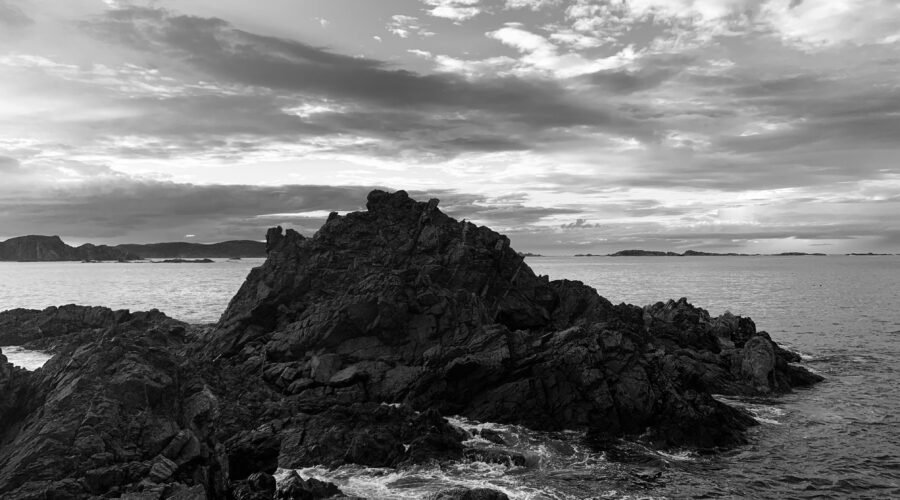
Twillingate, Newfoundland and Labrador, is one of the most memorable places to experience Iceberg Alley. But choosing when to visit matters. Icebergs, whales, warmer weather, and quieter coastal walks don’t all reach their peak at the same time. For most summer travelers, July and August offer comfortable conditions and plenty to do. If seeing an iceberg is your main goal, however, late May and early June deserve special attention.
Quick Answer
The best time to visit Twillingate depends on your priorities. Choose late May to early June for iceberg viewing, July and August for warmer weather and whale watching, or September for quieter coastal walks. Late June offers a possible overlap between icebergs and whales, but wildlife sightings and boat tours are never guaranteed.
Key Takeaways
- Icebergs: Late May and early June are generally the most useful months to target.
- Whales: Summer offers good opportunities, especially when feeding conditions attract whales into local waters.
- Warmest weather: July and August have the highest average temperatures.
- Fewer visitors: May, September, and October are worth considering.
- Best overall planning strategy: Choose your dates around the activity that matters most, then check current conditions before traveling.
Best Time to Visit Twillingate by Month
The following comparison provides a starting point for choosing your travel dates. Temperatures are approximate average daily highs from Environment and Climate Change Canada’s 1991–2020 climate normals for Twillingate. Actual weather can be considerably warmer or colder.
| Month | Average High | Main Appeal | Travel Considerations |
|---|---|---|---|
| April | 4°C / 39°F | Early iceberg possibilities | Cold weather and limited services |
| May | 9°C / 48°F | Icebergs and spring bird migration | Variable tour schedules |
| June | 14°C / 57°F | Icebergs, coastal scenery, and emerging whale activity | Cool ocean conditions |
| July | 20°C / 68°F | Whales, hiking, and summer events | Greater demand for accommodation |
| August | 20°C / 68°F | Warm weather and summer activities | Icebergs generally less dependable |
| September | 16°C / 61°F | Quieter trails and coastal scenery | Some seasonal services begin closing |
| October | 9°C / 49°F | Autumn colours and photography | Cooler weather and reduced services |
| November–March | Approximately -3°C to 5°C / 27°F to 41°F | Winter landscapes and solitude | Snow, ice, storms, and limited tourism operations |
Source: Environment and Climate Change Canada — Twillingate Climate Normals, 1991–2020.
1. Spring (April–May): Icebergs and Quiet Coastal Scenery
Spring is when Twillingate begins to wake up after winter. The weather is still cool, but the chance of seeing icebergs makes this season particularly appealing.
Weather: Cool and Unpredictable
Average daytime highs rise from about 4°C (39°F) in April to 9°C (48°F) in May. Rain, fog, strong winds, and lingering cold weather are possible.
Bring warm layers, waterproof outerwear, and sturdy footwear. The ocean remains cold, and exposed viewpoints can feel considerably colder than sheltered streets.
Crowds: Minimal and Peaceful
Spring is generally quieter than summer. You may have coastal viewpoints and walking routes largely to yourself, especially on weekdays.
However, popular iceberg sightings can attract visitors. A quiet time of year does not necessarily mean an empty viewing area when a large iceberg appears nearby.
Costs: Potentially More Budget-Friendly
Some accommodation providers may offer lower rates before the busiest travel period. Availability is another consideration, though: seasonal properties and tour operators may not yet be open.
Compare the total cost of accommodation, transportation, and activities rather than assuming that every spring booking will be cheaper.
What to Expect and Why Consider Spring
- Iceberg Alley begins: Icebergs can appear along Newfoundland’s northeastern coast in spring. Late May and early June are generally the most useful dates for planning an iceberg-focused trip.
- Bird migration: Spring brings changing bird activity along the coastline and in wooded areas.
- Photography: Mist, coastal light, and occasional icebergs can create memorable conditions for landscape photography.
- Limited services: Some restaurants, shops, museums, and boat operators may still be closed or operating reduced schedules.
- Hiking: Coastal trails can be enjoyable, but mud, lingering ice, wet rocks, and strong winds require care.
When Are Icebergs Most Visible?
Twillingate is a well-known stop along Iceberg Alley, where icebergs drift south from Arctic and Greenland waters.
According to Newfoundland and Labrador Tourism’s iceberg guide, late May and early June are generally the strongest viewing period along Newfoundland’s coast.
Icebergs can arrive earlier or remain later. Their numbers and locations change from year to year because of sea ice, ocean currents, weather, and other conditions.
A late June or July sighting is possible, but it should not be treated as a promise.
Pro Tip: Before your trip, check Iceberg Finder for recent reports. Contact a local tour operator as well. A recent sighting is more useful than assuming an iceberg will be present simply because you booked during the usual season.
2. Summer (June–August): Whale Watching, Hiking, and Local Festivals
Summer is Twillingate’s main visitor season. The town becomes livelier, the days are warmer, and travelers have a wider selection of outdoor activities.
It is also an appealing time for traditional Newfoundland music, local food, museums, and coastal exploration.
Weather: The Warmest Part of the Year
Average daytime highs are approximately 14°C (57°F) in June and 20°C (68°F) in July and August.
Warm afternoons are possible, but so are fog, showers, and cool sea breezes. A sunny forecast does not eliminate the need for a jacket on a boat tour.
Summer brings green landscapes and wildflowers, making this a pleasant season for coastal walks and photography.
Crowds: The Main Visitor Season
July and August generally bring more visitors than spring or autumn. Accommodation, restaurants, boat tours, and popular viewpoints can become busy.
Reserve accommodation and important activities in advance, particularly if your dates are fixed or coincide with a local festival.
Costs: Plan for Greater Demand
Accommodation and rental-car prices may increase during busy summer periods. Rates depend on the property, booking date, availability, and local events.
Check cancellation policies when booking a wildlife tour. Weather-related cancellations are possible even during the warmest months.
What to Expect and Why Consider Summer
- Icebergs: Early June is generally more dependable than late summer. Some icebergs may remain into July, depending on the year.
- Whales: Summer brings opportunities to observe humpback and minke whales feeding in local waters. Sightings depend on food availability and other natural conditions.
- Seabirds: Watch for seabirds from coastal viewpoints and suitable boat tours.
- Visitor attractions: Summer generally offers the widest range of available restaurants, museums, tours, and cultural activities.
- Festivals: Twillingate’s Fish, Fun and Folk Festival is traditionally associated with the last weekend of July. Confirm the dates and program for your travel year.
- Hiking: Longer daylight hours make it easier to explore the coastline, although trail conditions still need checking.
- Water activities: Guided kayaking and other marine activities may be available, depending on weather and operator schedules.
When Is the Best Time for Whale Watching?
June through September offers opportunities for whale watching around Newfoundland and Labrador, with summer being particularly appealing.
Humpbacks and other whales may follow food sources such as capelin into coastal waters. Their movements are unpredictable, however, and a particular departure cannot guarantee an encounter.
For travelers who want both icebergs and whales, late June can offer an opportunity for seasonal overlap. The actual presence of icebergs and whales should be checked separately.
Newfoundland and Labrador Tourism explains that the combination of icebergs, whales, and seabirds varies from year to year and cannot be forecast with certainty.
Can You See Puffins Around Twillingate?
Twillingate offers seabird-watching opportunities, but do not assume that every local wildlife cruise visits an Atlantic puffin nesting colony.
Ask the operator which birds are usually seen along its particular route.
If seeing puffins is a major goal, consider adding a dedicated puffin-viewing destination to your Newfoundland itinerary. The province’s official puffin-viewing guide identifies established viewing locations, including Witless Bay.
Are Summer Boat Tours Guaranteed to Operate?
No. Boat departures depend on the operator, sea conditions, visibility, and other safety considerations.
Even on a pleasant day, offshore conditions may be unsuitable for a particular vessel or route.
Keep your itinerary flexible and avoid making a single boat departure the only opportunity to experience Twillingate’s coastline.
Warning: Icebergs can roll or break apart without warning. Falling ice, waves, and hidden underwater ice can be dangerous. Follow your tour operator’s instructions and never approach an iceberg independently just to get a closer photograph.
3. Autumn (September–October): Fall Colours and Quieter Coastal Walks

Autumn brings a slower pace to Twillingate. The busiest summer travel period begins to wind down, and the changing vegetation adds colour to the coastline.
September is particularly appealing if you want a quieter visit without moving too far into the colder months.
Weather: Crisp and Changeable
Average daytime highs fall from approximately 16°C (61°F) in September to 9°C (49°F) in October.
Clear days are possible, but rain and strong winds can interrupt outdoor plans. Bring waterproof and windproof clothing, especially when walking near exposed coastal headlands.
Crowds: Significantly Reduced
Visitor numbers generally decline as the summer season ends. Trails and viewpoints can feel quieter, particularly later in September and October.
Some seasonal operators begin reducing their schedules, so fewer visitors do not always mean greater activity availability.
Costs: More Flexible Accommodation Options
Some accommodation providers may reduce rates after the busiest summer weeks. Others maintain their regular prices or close for the season.
Compare actual rates and operating dates before choosing accommodation based on an assumed autumn discount.
What to Expect and Why Consider Autumn
- Fall foliage: Late September and October can bring changing colours to the area’s trees and coastal vegetation. Exact timing varies.
- Whale watching: Sightings may continue into September, although availability and activity become less predictable later in the season.
- Hiking: Cooler conditions can make coastal walks comfortable when the weather is suitable.
- Bird migration: Autumn brings another period of seasonal bird movement.
- Local atmosphere: With fewer visitors, there may be more opportunities to enjoy a relaxed visit and explore the community at your own pace.
- Reduced operations: Many seasonal businesses close or shorten their hours as autumn progresses.
Is September Better Than October?
September is generally the more flexible choice if you want quieter surroundings while retaining a reasonable selection of visitor services.
October is more suitable for travelers who prioritize autumn scenery and solitude over boat tours and seasonal attractions.
Neither month guarantees clear skies or a particular stage of fall colour.
4. Winter (November–March): Snowy Landscapes and Solitude

Winter reveals another side of Twillingate. Snow-covered landscapes, quiet streets, and dramatic coastal weather appeal to travelers who enjoy solitude and winter photography.
However, winter requires considerably more preparation than a summer visit.
Weather: Cold, Snowy, and Unpredictable
Average daytime highs are close to or below freezing during much of the winter.
Snow, freezing precipitation, strong winds, and reduced visibility can affect travel. Storms may cause delays or temporarily make roads unsuitable for driving.
Check the forecast and road conditions regularly, and allow extra time for transportation.
Crowds: Very Few Visitors
Twillingate is generally much quieter in winter. This can make it appealing for photography, peaceful drives, and enjoying the coastal landscape without summer crowds.
However, fewer visitors also mean fewer tourism services.
Costs: Compare Availability Before Assuming Savings
Some accommodation providers may offer attractive winter rates, but many seasonal properties close altogether.
Rental-car costs also depend on availability and vehicle type. Confirm that your accommodation is operating and that your vehicle is properly equipped for winter conditions.
What to Expect and Why Consider Winter
- Winter scenery: Snow-covered hills and dramatic coastal skies offer different photographic opportunities from summer.
- Northern lights: Aurora sightings are possible during suitable geomagnetic activity, darkness, and clear skies, but Twillingate is not a dependable aurora destination.
- Solitude: The quieter season appeals to visitors who enjoy a slower pace.
- Limited services: Many seasonal restaurants, attractions, and tour businesses may be closed.
- Road conditions: Snow, ice, and poor visibility can interrupt travel plans.
- Cold-weather clothing: Insulated boots, thermal layers, gloves, and windproof outerwear are important.
- Hiking: Snow and ice can make exposed trails unsafe or difficult to follow.
Winter Driving and Trail Safety
Before traveling, consult 511 Newfoundland and Labrador for road conditions, closures, and travel advisories.
Use a vehicle with appropriate winter tires and carry essential supplies. Four-wheel drive does not eliminate the risk of losing traction on ice.
Avoid exposed cliff trails during severe weather or when snow and ice make the route difficult to identify. Check local conditions before setting out.
Warning: Do not continue driving when official advisories indicate that travel is not recommended. Winter storms can change road conditions quickly, even over a relatively short journey.
5. Ideal Trip Planning: Balancing Your Priorities
Ultimately, the best time to visit Twillingate depends on what you value most in a travel experience. Here is how to match your dates to your interests.
For Classic Island Experiences: Icebergs, Whales, and Summer Weather
Late June to early July: This period can offer an opportunity to combine iceberg viewing with emerging summer whale activity and increasingly comfortable weather.
However, the overlap is variable. If icebergs are the main reason for your visit, late May or early June is generally the safer planning choice.
If whales, festivals, hiking, and warmer conditions matter more, July and August may fit your priorities better.
For Budget Travelers and Solitude Seekers
May or late September to early October: These periods can offer a quieter experience than midsummer.
May provides opportunities for iceberg viewing and spring scenery. September and October bring a different atmosphere, with changing foliage and fewer visitors.
Check seasonal opening dates before booking, since lower demand may coincide with fewer available services.
For Photographers and Nature Enthusiasts
- May: Iceberg possibilities, changing spring conditions, and bird migration.
- June: Coastal landscapes, longer daylight hours, and a chance to photograph icebergs.
- Late September and October: Autumn colours and quieter viewpoints.
- Winter: Snowy landscapes and dramatic weather, provided travel conditions are safe.
Best Places to See Icebergs and Whales From Shore
A boat tour is not the only way to experience Twillingate’s coastal scenery.
Useful shore-based locations include:
- Long Point Lighthouse: An elevated viewpoint overlooking Notre Dame Bay, with opportunities to spot icebergs, whales, and seabirds when conditions are suitable.
- Lower Head: A coastal hiking area with sweeping views.
- French Beach: A starting point for scenic walks along the rugged coastline.
- Spillers Cove and Codjacks Cove: Coastal areas known for dramatic views, rock formations, and walking routes.
These locations are described in Newfoundland and Labrador Tourism’s Twillingate hiking guide.
Bring binoculars and use a camera with a zoom lens. You can enjoy a distant iceberg without approaching it on the water.
How to Reach Twillingate
Twillingate is reached by road via Route 340.
According to Newfoundland and Labrador Tourism, the town is approximately 116 kilometres from Gander International Airport, with a typical driving time of about 1½ hours.
A rental car is useful for reaching viewpoints, trailheads, restaurants, and attractions around the island.
Allow additional travel time during poor weather or when making scenic stops.
How Many Days Should You Spend in Twillingate?
Two to three days is a practical starting point for a first visit.
A short trip could look like this:
- Day 1: Explore the town, visit Long Point Lighthouse, and enjoy the coastal viewpoints.
- Day 2: Take a boat tour if conditions permit, then explore a local hiking trail.
- Day 3: Visit local museums, enjoy traditional Newfoundland food, photograph the coastline, or use the day as a weather backup.
If icebergs or whales are your main priority, an extra day improves your flexibility when wildlife is absent or a tour is canceled.
What If It Rains or Your Boat Tour Is Canceled?
Don’t let one canceled departure spoil the trip.
Depending on seasonal operating hours, consider visiting a local museum, enjoying a meal, attending a cultural performance, or exploring the town between showers.
You can also check conditions at shore-based viewpoints when it is safe to do so.
Never assume a coastal trail or lookout is safe simply because it is accessible by road. Strong winds, waves, and wet rocks can create dangerous conditions.
Coastal and Marine Safety
Twillingate’s rugged coastline is a major part of its appeal, but it deserves respect.
- Stay back from unstable cliff edges.
- Avoid slippery rocks and exposed coastal areas during rough weather.
- Keep children close to you near cliffs and water.
- Follow all instructions from licensed boat-tour operators.
- Wear an appropriate lifejacket or personal flotation device when participating in recreational boating activities.
- Do not swim or kayak toward icebergs.
- Check the weather and marine conditions before entering the water.
Transport Canada explains that unexpected cold-water immersion can quickly affect breathing and physical ability. Follow its lifejacket and personal flotation device guidance.
What to Pack, No Matter the Season
- Layers: Newfoundland weather can change quickly. Pack clothing you can add or remove.
- Waterproof and windproof outerwear: Useful for mist, rain, and exposed coastal viewpoints.
- Sturdy waterproof footwear: Important for trails, rocky shores, and wet conditions.
- Binoculars: Helpful for iceberg, whale, and bird watching.
- Camera: A zoom lens is especially useful for observing wildlife from a safe distance.
- Sunscreen and a hat: Useful during sunny weather and extended outdoor activities.
- Insect repellent: Particularly helpful during warmer months and wooded hikes.
- Reusable water bottle: Carry drinking water when exploring trails.
- Medications and basic first aid: Bring personal essentials rather than assuming everything will be available immediately.
- Warm accessories: Gloves, a hat, and an extra sweater can be useful even during summer boat tours.
Note: Check current weather, iceberg reports, road conditions, and tour schedules shortly before departure. Seasonal averages are useful for planning, but they cannot tell you exactly what will be visible or operating during your visit.
Twillingate has something to offer throughout the year. By matching your dates to your priorities for icebergs, whales, weather, crowds, and activities, you can plan a visit that suits your interests while leaving room for the surprises that make Newfoundland’s coastline so memorable.
Frequently Asked Questions
1. What is the best time to visit Twillingate, Newfoundland and Labrador?
Late May to early June is generally the strongest period to target icebergs. July and August are suitable for warmer weather and summer activities. September offers a quieter experience with cooler conditions.
2. What is the weather like in Twillingate throughout the year?
Twillingate has cool summers and cold winters. Average daytime highs reach approximately 20°C (68°F) in July and August, while January and February highs are generally below freezing. Wind, rain, and fog can occur throughout the year.
3. When is the peak tourist season in Twillingate?
Summer is the main visitor season, particularly July and August. These months bring warmer weather, local events, and a wider selection of tourism services.
4. When is the off-peak season in Twillingate?
Winter is generally the quietest tourism period. Spring and autumn can also offer fewer visitors than midsummer. Availability of accommodation, restaurants, and activities may be limited outside the main season.
5. How does the cost of visiting Twillingate vary throughout the year?
Accommodation and transportation prices may be higher during busy summer periods. Shoulder-season rates can be lower, but prices and availability vary by property, booking date, and local events.
6. Can you see icebergs in Twillingate in August?
It is possible, but August is generally less dependable for iceberg viewing around Twillingate than late spring and early summer. Check current reports before planning an iceberg-focused visit.
7. Can you see icebergs and whales on the same trip?
Yes, the seasons can overlap, particularly around early summer. However, iceberg movements and whale activity vary independently, so seeing both on the same trip cannot be guaranteed.
8. Do you need a boat tour to see icebergs in Twillingate?
No. Icebergs may be visible from shore, particularly from elevated viewpoints such as Long Point Lighthouse. Visibility depends on iceberg location, distance, weather, and viewing conditions.
9. How many days do you need in Twillingate?
Two to three days provides time for coastal viewpoints, hiking, local attractions, and a boat tour when available. Additional time is useful if wildlife viewing is a priority because weather and sightings are unpredictable.
10. Is Twillingate suitable for families with children?
Yes. Families can enjoy scenic drives, coastal viewpoints, museums, and suitable guided activities. Check age restrictions before booking boat tours, and supervise children closely near cliffs and water.
11. Is Twillingate worth visiting in winter?
Winter can appeal to travelers interested in snowy landscapes and solitude. However, many tourism services are limited, and storms or icy roads may affect travel. Check accommodation availability, forecasts, and road advisories before visiting.
Sources
- Newfoundland and Labrador Tourism — A Complete Guide to Icebergs — iceberg season, viewing locations, and seasonal variation.
- Environment and Climate Change Canada — Twillingate Climate Normals — average monthly temperatures.
- Newfoundland and Labrador Tourism — Twillingate — destination information, attractions, festivals, and transportation.
- Newfoundland and Labrador Tourism — Where to See Puffins — established puffin-viewing locations.
- 511 Newfoundland and Labrador — official road conditions, closures, and travel information.
- Transport Canada — Choosing Lifejackets and Personal Flotation Devices — boating and cold-water safety.