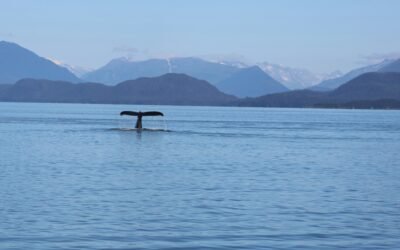
Victor Harbor, a coastal gem on South Australia’s Fleurieu Peninsula, offers rugged granite headlands, sandy swimming beaches, and world-class marine wildlife encounters. Determining the best time to visit Victor Harbor comes down to your personal travel priorities: whether you want warm ocean swims, peak whale-watching opportunities, or quiet coastal hiking trails. For most travelers, the sweet spot falls during late spring (October to November) or early autumn (March to April), offering warm, dry days, comfortable walking temperatures, and moderate accommodation rates without peak holiday crowds.
Quick Answer
The best time to visit Victor Harbor is during late spring (October–November) and early autumn (March–April) for ideal 20°C to 25°C weather, lower crowds, and affordable lodging. For whale watching, visit during winter (June to September). For beach swimming and water sports, visit during summer (December to February).
Key Takeaways
- Shoulder Seasons (March–April & October–November): Deliver the best all-around conditions for outdoor activities, offering mild daytime highs (20°C–24°C) and moderate tourism density.
- Whale Watching Peak (June–September): Southern Right Whales migrate to Encounter Bay to mate and calve; top viewing points include The Bluff (Rosetta Head) and Basham Beach.
- Summer Peak (December–February): Brings warm beach weather (25°C–32°C+) and bustling markets, but requires booking accommodation 3 to 6 months in advance.
- Budget & Solitude (May–August): Coldest weather and highest rainfall, but features the cheapest nightly rates and empty scenic trails.
Overview of Seasons in Victor Harbor
Located just 85 kilometers south of Adelaide, Victor Harbor experiences a temperate Mediterranean climate moderated by the Great Australian Bight. Understanding how each season shapes daily conditions will help you choose the right travel window.
Summer (December to February)
Summer brings long daylight hours, vibrant beach culture, and holiday energy. Coastal sea breezes (known locally as the “gully breeze”) frequently temper hot afternoons, though heatwaves pushing inland South Australia over 35°C can reach the coast. Ocean temperatures average between 18°C and 20°C (64°F to 68°F), making this the primary season for swimming, surfing, and open-water boating.
Autumn (March to May)
Autumn is one of the most reliable seasons on the Fleurieu Peninsula. March and April consistently produce calm, sunny days with minimal wind and pleasant daytime temperatures between 20°C and 24°C. By May, nighttime temperatures drop, signaling the start of the winter greening across the surrounding hills.
Winter (June to August)
Winter brings crisp ocean air, dramatic coastal swells, and the annual arrival of migrating Southern Right Whales. While winter is the wettest time of the year, rain typically arrives in passing coastal cold fronts rather than continuous torrential downpours. Highs hover around 14°C to 16°C, creating ideal conditions for coastal hikes, open fires, and cozy seaside dining.
Spring (September to November)
Spring is marked by blooming native wildflowers across Newland Head Conservation Park and warming daytime temperatures. September remains brisk and moderately wet, but by November, daytime temperatures regularly reach 22°C to 25°C with significantly lower rainfall, providing exceptional conditions for walking the Granite Island causeway.
Weathering Your Victor Harbor Visit
According to historical climate observations from the Australian Bureau of Meteorology (BOM), Victor Harbor experiences distinct seasonal shifts in rainfall and temperature patterns throughout the year.
Summer Weather: Sun, Sea, and Coastal Breezes
- Average Daytime Temperatures: 24°C to 28°C (75°F to 82°F), with occasional spikes above 35°C (95°F) during January and February heatwaves.
- Average Nighttime Temperatures: 13°C to 16°C (55°F to 61°F).
- Rainfall: Low (average 20 mm to 25 mm per month).
- Ocean Temperature: 18°C to 20°C (64°F to 68°F).
- What to Pack: Breathable cotton or linen clothing, swimwear, UV-blocking sunglasses, broad-brim sunhat, high-SPF sunscreen, and a windbreaker for evening sea breezes.
Pro Tip: Afternoon southerly sea breezes can cool the shoreline rapidly even after a 30°C day. Keep a light fleece or windproof jacket in your daypack when heading out to Granite Island or Encounter Bay.
Autumn Weather: Mild Temperatures and Calm Conditions
- Average Daytime Temperatures: 20°C to 24°C in March/April, dropping to 17°C (63°F) by late May.
- Average Nighttime Temperatures: 10°C to 13°C (50°F to 55°F).
- Rainfall: Moderate (25 mm in March, rising to 60 mm by May).
- Ocean Temperature: 17°C to 19°C (63°F to 66°F).
- What to Pack: Versatile layering pieces, long pants, mid-weight sweaters, sturdy walking shoes for the Heysen Trail, and a rain shell for late autumn travel.
Winter Weather: Crisp Days and Whale Migration
- Average Daytime Temperatures: 14°C to 16°C (57°F to 61°F).
- Average Nighttime Temperatures: 7°C to 9°C (45°F to 48°F), occasionally dipping lower during clear inland nights.
- Rainfall: Peak annual precipitation (65 mm to 75 mm per month across June, July, and August).
- Ocean Temperature: 14°C to 15°C (57°F to 59°F).
- What to Pack: Thermal underlayers, insulated wool or fleece jackets, waterproof outer shell, beanie, scarf, gloves, and compact binoculars for spotting whales from cliff lookouts.
Spring Weather: Wildflowers and Rapid Warming
- Average Daytime Temperatures: 17°C in September, rising to 22°C–25°C by November.
- Average Nighttime Temperatures: 8°C to 12°C (46°F to 54°F).
- Rainfall: Decreasing throughout the season (55 mm in September down to 30 mm in November).
- Ocean Temperature: 15°C to 17°C (59°F to 63°F).
- What to Pack: Adaptable layers, hiking footwear, light waterproof jacket for spring showers, and sun protection for late spring outings.
Navigating the Crowds: When Victor Harbor Gets Busy
Because Victor Harbor is the primary coastal getaway for Adelaide residents, crowd patterns correlate directly with South Australian public school holidays and long weekends.
Peak Season: Summer School Holidays (Mid-December to Late January)
Summer is Victor Harbor’s busiest period. Thousands of families and holidaymakers pack local caravan parks, boutique motels, and holiday rentals along Franklin Parade.
- Key Characteristics: Buzzing foreshore atmosphere, daily horse-drawn tram operations, open carnival rides, and full restaurant patios.
- Travel Considerations: Expect premium accommodation rates, busy parking lots at Warland Reserve and Granite Island, and mandatory reservations for dinner dining.
Shoulder Seasons: Autumn (March–April) and Spring (October–November)
The shoulder periods offer the best overall experience for travelers seeking open space without winter chills.
- Key Characteristics: Steady visitor flow on weekends, quiet weekdays, and easy access to walking paths and cafe tables.
- Travel Considerations: The Easter long weekend and October Labour Day long weekend experience brief peak-level surges. Outside of those weekends, booking lead times are flexible.
Off-Peak Season: Winter (May to August)
Aside from whale enthusiasts visiting during peak sightings, winter represents the quietest season in town.
- Key Characteristics: Wide open beaches, uncrowded coastal lookouts, and peaceful walking tracks.
- Travel Considerations: Some regional tour operators and specialty cafes operate on reduced winter hours (typically Wednesday through Sunday). Check weekday schedules in advance.
Counting the Costs: Budgeting for Your Trip
Travel expenses in Victor Harbor shift dramatically between seasonal peaks and quiet winter midweeks. Planning your timing helps maximize your travel budget.
Accommodation Pricing
- Peak Summer & Long Weekends: Premium rates across holiday parks, beachfront apartments, and heritage B&Bs. Minimum night stay requirements (often 3 to 7 nights) are standard over Christmas, New Year, and Easter.
- Shoulder Season: Moderate rates with frequent midweek specials and 2-night weekend package options.
- Winter Off-Peak: Lowest rates of the year, with significant discounts on multi-night stays and luxury oceanfront rentals.
Transportation and Getting There
- Driving: Driving is the most convenient option. Victor Harbor is an easy 80-to-90-minute drive from Adelaide Airport via the Southern Expressway (M2) and Victor Harbor Road (A13).
- Public Transport: Regional coach services connect Adelaide Central Bus Station with Victor Harbor daily via LinkSA, offering an affordable alternative for non-drivers.
Monthly Climate, Crowd, and Cost Comparison
| Month | Avg Temp (High / Low) | Rainfall Pattern | Crowd Level | Cost Level |
|---|---|---|---|---|
| January | 25°C / 14°C | Low (~20 mm) | High (Peak) | High |
| February | 25°C / 14°C | Low (~19 mm) | High | High |
| March | 23°C / 13°C | Low–Mod (~24 mm) | Medium | Medium |
| April | 20°C / 11°C | Moderate (~42 mm) | Medium | Medium |
| May | 17°C / 9°C | Moderate (~60 mm) | Low | Low |
| June | 15°C / 8°C | High (~70 mm) | Low | Low |
| July | 15°C / 7°C | High (~75 mm) | Low–Med (Whales) | Low |
| August | 15°C / 7°C | High (~67 mm) | Low–Med (Whales) | Low |
| September | 17°C / 8°C | Moderate (~55 mm) | Low–Medium | Low–Medium |
| October | 19°C / 10°C | Moderate (~46 mm) | Medium | Medium |
| November | 21°C / 12°C | Low–Mod (~30 mm) | Medium | Medium |
| December | 23°C / 13°C | Low (~25 mm) | High (Late Dec) | High |
Budget-Saving Tips
- Travel Midweek: Room rates often drop by 20% to 40% between Monday and Thursday compared to Friday and Saturday nights.
- Take Advantage of Free Scenic Attractions: Walking the 630-meter Granite Island Causeway, exploring the Bluff summit lookout, and hiking sections of the Heysen Trail cost nothing.
- Cook Local Produce: Visit the Victor Harbor Farmers Market on Saturday mornings at Grosvenor Gardens to purchase Fleurieu cheeses, bread, and fruits for self-catering picnics.
Warning: If visiting during the peak Christmas through Australia Day holiday period (late December to late January), book your campsite or accommodation at least 3 to 6 months in advance. Vacancies fill rapidly across the entire Fleurieu Peninsula.
Special Events and Activities Throughout the Year
Planning your trip around seasonal highlights allows you to experience Victor Harbor’s unique culture, wildlife, and history.
Summer Highlights
- Victor Harbor Rotary Art Show (January): Australia’s largest outdoor art exhibition, showcasing thousands of paintings and sculptures on the foreshore over nine days.
- New Year’s Eve Celebrations: Family-friendly foreshore festivities with dual fireworks displays over Encounter Bay at 9:30 PM and midnight.
- Water Sports & Surfing: Prime season for surf lessons at Middleton Beach, paddleboarding at Horseshoe Bay (Port Elliot), and swimming at Encounter Bay.
Autumn Activities
- Fleurieu Food Festival: Regional culinary showcases held across the Fleurieu Peninsula featuring local vineyards, olive groves, and artisan producers.
- Coastal Bushwalking: Optimal weather for completing the 12-kilometer coastal trail from Victor Harbor to Port Elliot or tackling trails inside Newland Head Conservation Park.
- SteamRanger Cockle Train: Experience the historic steam locomotive operating along Australia’s oldest steel railway between Victor Harbor and Goolwa.
Winter Wonders: Southern Right Whale Migration
- Whale Watching Season (June to September): Southern Right Whales journey from Antarctic waters to the sheltered bays of Victor Harbor to mate and nurse newborn calves. Managed under the Encounter Marine Park sanctuary, mothers and calves frequently rest within 100 meters of the coastline.
- Top Whale Vantage Points:
- The Bluff (Rosetta Head): High-elevation cliff lookout providing panoramic views across Encounter Bay.
- Freeman Lookout: Overlooks the rocky coves near Port Elliot.
- Basham Beach Viewing Platform: Located between Port Elliot and Victor Harbor, featuring a dedicated boardwalk and viewing shelter.
Note: Check daily whale sighting logs via local visitor information centers before setting out, as pods move continuously between Middleton Beach and Encounter Bay.
Spring Sensations
- Wildflower Displays: Native coastal heathland, orchids, and wattle blossom along Waitpinga Cliffs and Granite Island Recreation Park.
- Birdwatching: Migratory shorebirds arrive in the Inman and Hindmarsh River estuaries.
- Victor Harbor Farmers Market: Fresh spring produce, honey, and baked goods available every Saturday morning.
Making Your Decision: A Quick Recap
Your ideal travel window depends on the specific activities you have planned:
- For the Best Overall Balance: Choose March, April, October, or November for pleasant 20°C–25°C weather, manageable crowds, and fair accommodation rates.
- For Beach Vacations & Swimming: Choose December, January, or February to enjoy long, warm days and active coastal holiday vibes.
- For Whale Watching & Budget Deals: Choose June, July, or August for prime Southern Right Whale encounters, rugged cliff walks, and discounted winter accommodation.
- For Hiking & Nature Photography: Choose April–May or September–October for vibrant wildflower blooms, green hillsides, and comfortable walking temperatures.
Frequently Asked Questions
What is the best month to visit Victor Harbor, South Australia?
March and November are widely considered the two best single months to visit Victor Harbor. Both offer pleasant average daytime temperatures of 21°C to 23°C, minimal rainfall, and low crowd levels outside of the school holidays.
When is whale watching season in Victor Harbor?
Whale watching season runs from June to September (extending occasionally into October). During these winter months, Southern Right Whales congregate in Encounter Bay to calve and nurse in the protected coastal waters.
How many days do you need in Victor Harbor?
A 2- to 3-day stay allows enough time to explore Granite Island, ride the Horse-Drawn Tram and SteamRanger Cockle Train, visit whale lookouts at The Bluff, and hike along the coastal trails toward Port Elliot and Middleton.
Can you swim at Victor Harbor beaches?
Yes, swimming is popular at Victor Harbor during summer (December to February) when ocean temperatures reach 18°C to 20°C. The waters inside Encounter Bay and near the town causeway are relatively sheltered, while nearby Middleton Beach offers rolling surf breaks.
Is Victor Harbor worth visiting during the winter?
Yes. Winter is the only season when you can spot Southern Right Whales from shore lookouts. Winter also features the lowest accommodation rates of the year and quiet, scenic coastal hiking conditions.
Sources
- Australian Bureau of Meteorology (BOM) — Climate statistics and historical monthly weather averages for Victor Harbor (Station 023842).
- National Parks and Wildlife Service South Australia — Granite Island Recreation Park visitor guidelines and wildlife management.
- Encounter Marine Park (Department for Environment and Water SA) — Southern Right Whale migration monitoring and marine sanctuary zones.
- South Australian Tourism Commission — Regional travel guides, seasonal events, and Fleurieu Peninsula trip planning.