Traverse City, Michigan, gives you four very different trips depending on when you arrive. Summer brings warm beach weather and the biggest crowds, fall brings cooler days and changing leaves, winter turns the region into a snow-sports destination, and spring is quieter but more unpredictable. Choosing the right month can make a major difference to your weather, costs, and overall experience.
Quick Answer
For most travelers, September is one of the best times to visit Traverse City because daytime temperatures are still comfortable while summer crowds begin to ease. Choose July or August for the warmest beach weather, mid-October for typical peak fall color, and winter for skiing, snowshoeing, lower crowds, and a quieter atmosphere.
Key Takeaways
- Best overall balance: September offers mild days and fewer visitors than July or August.
- Best for beaches: July and August provide the warmest air temperatures but also the highest demand.
- Best for fall color: The Traverse City region usually approaches peak color around mid-October, although weather can shift the timing.
- Best for fewer crowds: Late spring, late fall, and much of winter are noticeably quieter than peak summer.
- Best for winter sports: January and February are the heart of the snowy season.
- Biggest budget variable: Lodging prices change sharply with dates, weekends, festivals, and property type, so check live rates rather than relying on fixed yearly estimates.
For more information about how travel information on this site is prepared, see the Travel Editorial Policy. You can also review the site’s Affiliate Disclosure for monetization transparency.
1. Traverse City Weather by Season and Month
Traverse City sits near Grand Traverse Bay in northern Lower Michigan, so Lake Michigan has a strong influence on its weather. Summers are comfortably warm, winters are cold and snowy, and spring and fall can change quickly from one day to the next.
NOAA’s 1991–2020 climate normals for Traverse City Cherry Capital Airport give a useful baseline for trip planning. Actual conditions during your visit can still be warmer, colder, wetter, or windier.
| Month | Avg. High | Avg. Low | What to Expect |
| January | 29°F | 17°F | Cold, snowy, quiet |
| February | 31°F | 16°F | Winter sports season |
| March | 41°F | 23°F | Cold transition; snow remains possible |
| April | 54°F | 33°F | Cool and changeable |
| May | 67°F | 43°F | Milder, greener, still cool at night |
| June | 77°F | 54°F | Warm days; summer demand building |
| July | 81°F | 59°F | Warmest peak-season conditions |
| August | 80°F | 59°F | Warm beach weather; high demand |
| September | 72°F | 52°F | Comfortable days and cooler nights |
| October | 59°F | 41°F | Cooler weather and fall color |
| November | 46°F | 32°F | Cold, quieter transition to winter |
| December | 35°F | 24°F | Winter conditions and snow |
Source: NOAA/NCEI 1991–2020 Traverse City climate normals.
July’s normal high is about 81°F in Traverse City, compared with about 29°F in January—a reminder that your ideal month depends heavily on what you want to do.
Summer: June Through August
Summer is Traverse City’s main warm-weather season. June has a normal high near 77°F, July about 81°F, and August about 80°F. Those temperatures work well for beaches, hiking, patios, boating, downtown walks, and day trips around the peninsulas.
July and August also bring the strongest visitor demand. Beaches, wineries, downtown restaurants, and popular roads can feel much busier, particularly on weekends and around major events.
Bring sunscreen, comfortable walking shoes, insect repellent, and a light layer for evenings or breezy boat rides.
Fall: September Through November
September is one of the easiest months to recommend if you want a balance of comfortable weather and lighter crowds. The normal high is about 72°F, while nights cool into the low 50s.
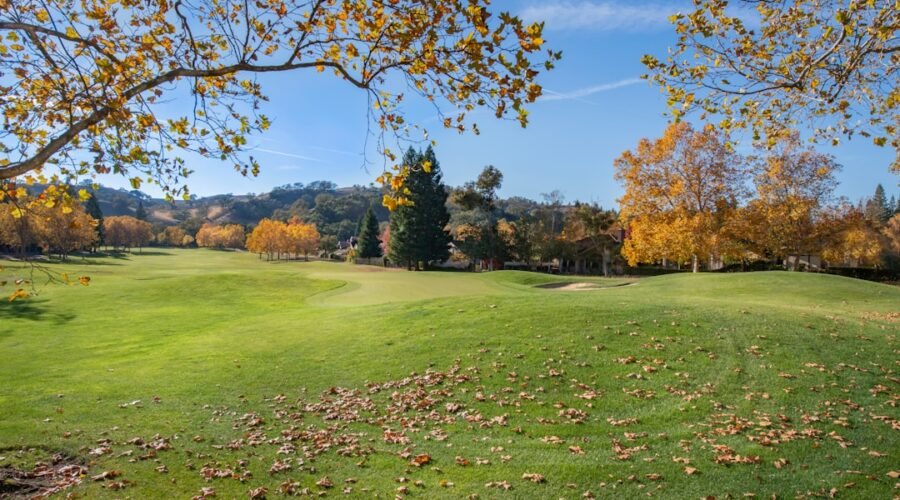
October is much cooler, with a normal high around 59°F, but it is the key month for leaf-peeping. Traverse City Tourism says colors usually peak around mid-October, although seasonal temperatures can move the peak earlier or later.
November is colder, with a normal high around 46°F, and the region starts shifting toward its winter rhythm.
Pro Tip: If fall color is your priority, do not rely on the calendar alone. Check a current Traverse City fall-color report shortly before your trip because warm or cold weather can shift the peak.
Winter: December Through February
Traverse City has a real northern Michigan winter. Normal daytime highs range from about 29°F to 35°F from December through February, and snow is an important part of the season.
This is a good time for skiing, snowboarding, cross-country skiing, snowshoeing, and quiet winter scenery. Nearby ski areas such as Crystal Mountain and Shanty Creek are popular regional options, while Sleeping Bear Dunes also has winter recreation opportunities.
Pack insulated waterproof boots, thermal base layers, a warm waterproof coat, gloves or mittens, a hat that covers your ears, and extra socks if you plan to spend significant time outside.
Spring: March Through May
Spring changes quickly. March can still feel like winter, with a normal high near 41°F. April reaches the low-to-mid 50s on average but can still bring chilly mornings. May is much milder, with a normal high around 67°F.
Spring is generally quieter than peak summer, and late May can be especially appealing for hiking, downtown exploring, and scenic drives. However, Lake Michigan and Grand Traverse Bay remain cold, and some seasonal attractions may not yet be operating on their full summer schedules.
2. When to Visit Traverse City for Crowds, Weather, and Your Travel Style
There is no single perfect month for everyone. Your best choice depends on whether you care most about warm water, fall color, low crowds, winter recreation, or minimizing peak-season demand.
| Your Priority | Best Time to Consider | Trade-Off |
| Warmest beach weather | July-August | Highest visitor demand |
| Weather + fewer crowds | September | Cooler nights and more variable weather |
| Typical peak fall color | Around mid-October | Exact timing changes every year |
| Quiet getaway | Late fall, winter, early spring | Cold weather and reduced seasonal hours |
| Winter sports | January-February | Snow and freezing temperatures |
| Cherry Festival atmosphere | Early July | Exceptionally busy dates |
Peak Season: Summer
June through August is Traverse City’s busiest general tourism period, with July and August especially popular. Beaches are active, wineries are busy, restaurants and patios are lively, and most warm-weather attractions operate on their full seasonal schedules.
Pros:
- Warm weather: Best period for beach days and water-based recreation.
- Broad attraction availability: Seasonal businesses and tours are most likely to be operating.
- Events and energy: Downtown and waterfront areas feel lively.
Cons:
- Higher demand: Lodging can become considerably more expensive on popular weekends.
- More crowds: Beaches, wineries, downtown streets, and restaurants are busier.
- Traffic: Driving can take longer around major attractions and special events.
Warning: Early July can be especially busy because of the National Cherry Festival. If your goal is a quiet summer getaway, check the official festival dates before choosing your travel week.
Shoulder Seasons: May, September, and October
These months often provide the best compromise for travelers who would rather trade peak-summer heat for somewhat lighter crowds.
- May: The landscape is greening up, temperatures improve quickly, and peak summer demand has not fully arrived. Nights can still be cold.
- September: One of the strongest all-around choices. Normal highs are around 72°F, summer crowds ease after the busiest period, and outdoor sightseeing remains comfortable.
- October: Best suited to fall-color trips, scenic drives, hiking, wineries, and cool-weather exploring. Around mid-October is the usual regional foliage peak, but conditions vary by year.
Quieter Season: Late Fall Through Early Spring
From late fall through early spring, Traverse City feels much calmer outside holiday and winter-event weekends. This period suits travelers who value quiet streets, indoor dining, winter scenery, and snow sports more than swimming or warm-weather activities.
Pros:
- Fewer visitors: Many places feel more relaxed than in summer.
- Winter recreation: Skiing, snowshoeing, and cross-country skiing become major draws once snow conditions cooperate.
- A different atmosphere: You see the bay, forests, and dunes in a completely different season.
Cons:
- Cold and snow: Winter driving and outdoor sightseeing require more preparation.
- Seasonal limitations: Some attractions reduce their hours or close for part of the winter.
- Less warm-weather recreation: Beaches, boating, and many outdoor tours are not the focus.
3. How Much Does a Traverse City Trip Cost?
Traverse City can fit different budgets, but there is no reliable year-round hotel or vacation-rental price that applies to every trip. Rates move with weekends, festivals, school holidays, property type, location, and how far in advance you book.
Instead of building your trip around a fixed online price estimate, use current rates for your exact dates and divide your budget into four categories: lodging, food, transportation, and activities.
Accommodation: Usually the Biggest Variable
- Hotels and resorts: Waterfront and downtown properties usually carry the strongest demand during peak summer periods.
- Vacation rentals: These can work well for families and groups, especially when a kitchen lets you reduce restaurant spending. Always compare the final price after cleaning and service fees.
- Motels and simpler stays: Properties outside the most sought-after waterfront areas can provide better value.
- Camping: Campgrounds can reduce lodging costs substantially, but popular summer dates may require advance reservations.
For a realistic comparison, search the same dates at several properties and compare the final stay total, not just the advertised nightly rate.
Food and Drink
Traverse City has everything from cafes and pizza to chef-driven restaurants, wineries, breweries, and special tasting experiences.
- Casual meals: Use current menus to estimate breakfast, sandwiches, burgers, pizza, and cafe meals.
- Sit-down dinners: Budget more when you add appetizers, alcohol, tax, and gratuity.
- Wineries and breweries: Tasting prices and reservation policies vary by producer, so check each property’s current information before visiting.
- Groceries and picnics: Buying breakfast, snacks, or picnic supplies can reduce restaurant spending, particularly for families.
Activities and Attractions
Many enjoyable activities are free, including exploring downtown, visiting public waterfront areas, taking scenic drives on public roads, and using many local trails. Others require entrance fees, rentals, tour tickets, or reservations.
At Sleeping Bear Dunes National Lakeshore, the National Park Service currently lists a $25 private-vehicle entrance pass valid for 1–7 days. Other entrance categories have different prices, and NPS fees can change, so confirm the current rate before your trip.
- Beaches and downtown: Many experiences are free or low-cost, although parking rules vary.
- Wineries and breweries: Tastings, food, and bottles can add up quickly when visiting several properties.
- Museums and historic attractions: Check current admission and seasonal hours before arrival.
- Water recreation: Kayak, paddleboard, and boat-rental rates depend on provider and duration.
- Charter fishing: Lake Michigan and Grand Traverse Bay fishing charters are considerably more expensive than simple equipment rentals and usually require advance reservations.
- Winter sports: Lift tickets and rental packages vary by resort, date, and session.
A Better Way to Build Your Daily Budget
Start with your confirmed lodging total. Then add expected food costs from current restaurant menus, transportation costs based on your itinerary, and the actual ticket prices of attractions you intend to use.
If you need to cut costs, the easiest changes are usually staying outside the most in-demand location, traveling outside major event weekends, choosing some picnic or grocery meals, and mixing paid attractions with beaches, trails, downtown walks, and scenic drives.
4. What to Pack for Traverse City
Weather near a Great Lake can change quickly, so layers are useful during every season. Even in summer, a warm afternoon can turn into a cool evening near the water.
Spring: April-May
Prepare for fluctuating temperatures, rain, and chilly mornings.
- Base layers: T-shirts and long-sleeve shirts.
- Mid-layers: Fleece, sweatshirt, or sweater.
- Outerwear: Water-resistant windproof jacket; a warmer coat may still be useful early in the season.
- Bottoms: Jeans or comfortable walking pants.
- Footwear: Waterproof walking shoes or hiking boots.
- Accessories: Light gloves, hat, and compact rain protection.
Summer: June-August
Pack for warm afternoons while keeping one extra layer available for cooler nights and time on the water.
- Light clothing: Shorts, T-shirts, tank tops, and lightweight dresses.
- Swimwear: Bring a second swimsuit if you expect multiple beach days.
- Sun protection: Sunscreen, SPF lip balm, sunglasses, and a hat.
- Outerwear: Light jacket, sweater, or long-sleeve shirt.
- Footwear: Sandals plus comfortable walking shoes.
- Bug protection: Insect repellent can be useful during summer evenings.
- Beach gear: Confirm whether your accommodation supplies towels before packing your own.
Fall: September-October
Fall calls for warmer layers, especially after sunset.
- Layers: Long-sleeve shirts, sweaters, and fleece.
- Outerwear: Medium-weight jacket plus rain protection.
- Bottoms: Jeans or other warmer pants.
- Footwear: Closed-toe walking shoes or hiking boots.
- Accessories: A warm hat, light gloves, and scarf become increasingly useful in October.
Winter: November-March
Winter requires proper cold-weather equipment, particularly if you plan to spend hours outdoors.
- Heavy outerwear: Insulated, weather-resistant winter coat.
- Thermal layers: Wool or synthetic long underwear.
- Mid-layers: Sweaters or fleece jackets.
- Bottoms: Warm pants; insulated snow pants for extended snow activities.
- Footwear: Insulated waterproof boots.
- Extremities: Warm socks, gloves or mittens, a hat covering your ears, and a scarf or neck gaiter.
- Optional: Hand and foot warmers for long periods outside.
General Travel Essentials
- Backpack or daypack: Useful for trails, beaches, and day trips.
- Reusable water bottle: Useful for longer sightseeing days.
- Phone or camera: For photos, navigation, and reservations.
- Chargers and power bank: Particularly useful on full-day drives.
- Basic first-aid supplies: Bandages and other everyday items.
- Entertainment: A book or downloaded entertainment for quiet evenings.
- Medications: Bring enough for your entire trip.
5. Things to Do in and Around Traverse City
Traverse City’s appeal goes well beyond downtown. Grand Traverse Bay, nearby peninsulas, wineries, Sleeping Bear Dunes, small towns, and scenic roads can easily fill several days.
Explore the Great Lakeshore
- Sleeping Bear Dunes National Lakeshore: Explore hiking trails, the Dune Climb, overlooks, beaches, and the seasonal Pierce Stocking Scenic Drive. NPS says vehicle access on the drive is generally available from late May until late October, depending on conditions.
- Local waterfront areas: Spend time at Traverse City beaches and explore waterfront communities such as Suttons Bay.
- Water activities: During appropriate weather, kayaking, paddleboarding, boating, and charter fishing provide another perspective on Grand Traverse Bay and Lake Michigan.
Warning: At Sleeping Bear Dunes, stay on appropriate routes and respect safety signage near steep bluffs. Sand slopes can be much harder to climb back up than they appear from the top.
Note: For the 2026 season, the National Park Service reported major access restrictions affecting North and South Manitou Island docks, utilities, and facilities because of construction. Check the park’s current-conditions page before planning an island trip.
Explore the Food, Wine, and Beer Scene
Downtown Front Street and the surrounding blocks contain restaurants, cafes, boutiques, and galleries. Instead of looking for a specific so-called “Miracle Mile,” simply give yourself time to explore the central downtown district on foot.
The Old Mission and Leelanau peninsulas are major wine destinations. Old Mission Peninsula alone has a concentrated collection of wineries, and many properties offer tastings, wine by the glass, or light food. Reservation rules vary, especially for groups.
Traverse City also has a strong craft-beer scene. If you are visiting several breweries or wineries, arrange a designated driver or transportation rather than driving after drinking.
The Sara Hardy Downtown Farmers Market is another useful stop for local produce and food products. Its current schedule lists Saturdays from May through October and Wednesdays from June through October, but verify dates and location before your visit because event arrangements can change.
Local Culture and Events
The National Cherry Festival remains one of Traverse City’s largest annual events and normally takes place in early July. It includes parades, entertainment, food, and cherry-focused activities. If you want to attend, book accommodations early. If you prefer quiet streets, avoid the festival dates.
The traditional weeklong Traverse City Film Festival is no longer a recurring late-July/early-August festival. Organizers ended that traditional annual format after the 2022 event, so do not plan a trip around old festival dates. Instead, check current local theater, arts, and event calendars before you travel.
Other year-round options include galleries, live music, community performances, cycling, hiking, and winter recreation.
Small-Town Stops and Scenic Drives
- M-22: A popular route for exploring the Lake Michigan side of the region, with access to communities, beaches, dunes, and scenic stops. Glen Arbor and Leland work well as part of a longer day trip.
- Leland’s Fishtown: A historic waterfront district where preserved fishing shanties now share the area with shops and local businesses.
- Point Betsie Lighthouse: A historic Lake Michigan lighthouse near Frankfort. Public operating days and hours are seasonal, so check the official schedule before making the drive.
6. Planning Tips for a Smoother Traverse City Trip
A few decisions made before you arrive can reduce both costs and wasted driving time.
Book Ahead for Peak Dates
Advance planning matters most during summer, major festival dates, holiday weekends, and popular fall-color weekends.
- Accommodation: Reserve early if you have a specific waterfront, downtown, or peninsula property in mind.
- Restaurants: Make reservations for popular weekend dinners where reservations are accepted.
- Rental cars: If you need a vehicle after flying into Cherry Capital Airport, booking early reduces the risk of limited availability during busy periods.
- Wine experiences: Check whether individual wineries require reservations, particularly for groups.
Be Flexible With Your Dates
Changing your trip by even a few days can sometimes move you away from a major festival weekend or peak Saturday demand.
May and September are particularly useful alternatives to July and August if you want outdoor activities without choosing the busiest part of summer. October works well if foliage matters more than warm temperatures.
Mix Downtown and Peninsula Stays
You do not have to spend the entire trip in one place.
- Downtown stay: Useful for walking to restaurants, shops, waterfront areas, and nightlife.
- Peninsula or rural stay: Better for a quieter atmosphere and shorter drives to some wineries or scenic areas.
Splitting a longer trip can give you two different experiences, although changing accommodation also means packing and unpacking twice.
Allow Enough Driving Time
Downtown Traverse City is relatively compact, but many of the region’s biggest attractions are spread out.
Sleeping Bear Dunes, wineries, Leland, Glen Arbor, Suttons Bay, and Point Betsie all require travel beyond downtown. Trying to combine too many distant destinations in one day can turn a scenic vacation into hours of driving.
Traffic can also slow during summer weekends and major events, so leave buffer time around restaurant reservations and tours.
Do You Need a Car in Traverse City?
You can enjoy downtown without constantly driving, and local public transportation can help with some trips. However, a car is useful if your itinerary includes Sleeping Bear Dunes, multiple wineries, Leland, Glen Arbor, Point Betsie, or other spread-out regional attractions.
If you fly into Cherry Capital Airport (TVC), rental cars are available, and local transit services also connect parts of the airport, hotel, and downtown area. Check current schedules before depending on transit for a specific flight.
Use Current Local Information
- Traverse City Tourism: Useful for current visitor information, seasonal events, lodging, and regional planning.
- National Park Service: Check current Sleeping Bear Dunes conditions, fees, road status, and closures before leaving for the park.
- Event organizers: Verify festival dates rather than relying on an older travel article.
- Recent reviews: Use recent guest feedback for current restaurant, hotel, tour, and attraction conditions.
The best Traverse City trip is the one matched to your priorities. Choose peak summer if you want the warmest beach experience, September for a strong weather-and-crowd balance, October for fall color, or winter if snow recreation and a quieter atmosphere matter more than warm weather.
Frequently Asked Questions
What is the best time to visit Traverse City for good weather?
June through September offers the warmest general sightseeing weather. July and August are best if warmth is your main priority, while September offers comfortable daytime temperatures with somewhat lighter visitor demand.
When is peak tourist season in Traverse City?
Summer is the main peak tourism season, particularly July and August. Early July can be exceptionally busy because the National Cherry Festival attracts large numbers of visitors.
When should I visit Traverse City to avoid crowds?
Consider May, September, late fall, winter, or early spring if lighter crowds are your priority. September is especially attractive because daytime temperatures remain relatively mild compared with late fall and winter.
What is the most cost-effective time to visit Traverse City?
Dates outside peak summer and major event weekends often provide better lodging availability and value. Rates change constantly, however, so compare live prices for your exact dates rather than assuming one month is always cheapest.
When do fall colors peak in Traverse City?
The Traverse City region typically approaches peak fall color around mid-October. Exact timing varies with seasonal temperatures, so check a current fall-color report shortly before traveling.
When is the National Cherry Festival?
The National Cherry Festival is normally held in early July in Traverse City. Exact dates change by year, so check the official festival calendar before booking flights or accommodation.
Do I need a car when visiting Traverse City?
You can explore much of downtown without a car, but having one is useful for Sleeping Bear Dunes, peninsula wineries, Leland, Glen Arbor, Suttons Bay, Point Betsie, and other regional attractions.
Is Traverse City worth visiting in winter?
Yes, if you enjoy snow, skiing, cross-country skiing, snowshoeing, winter scenery, and a quieter atmosphere. It is less suitable if your main goals are beaches, swimming, boating, or warm-weather sightseeing.
Sources
- NOAA National Centers for Environmental Information — Traverse City Climate Normals — monthly average high and low temperatures.
- National Park Service — Sleeping Bear Dunes Fees & Passes — current entrance-fee information.
- National Park Service — Sleeping Bear Dunes Current Conditions — current facility, road, and access information.
- National Cherry Festival — official festival dates and event information.
- Downtown Traverse City — Sara Hardy Downtown Farmers Market — current market schedule and visitor information.
- Traverse City Tourism — Climate & Weather — regional seasonal weather and trip-planning context.