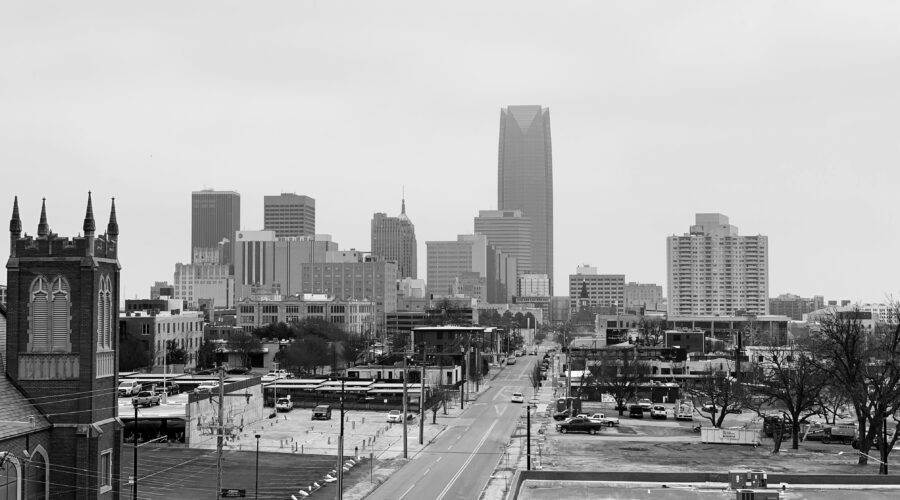
Oklahoma City blends Western history, major museums, lively entertainment districts, parks, sports, and a growing food scene. The timing of your trip matters, though. Spring can bring beautiful weather along with severe storms, summer is hot, fall is usually comfortable, and winter offers a quieter experience. Your best month depends on whether you care most about weather, crowds, outdoor time, events, or cost.
Quick Answer
For most visitors, late September through October is the best time to visit Oklahoma City. Temperatures are generally more comfortable than in summer, humidity usually eases, and outdoor sightseeing is pleasant. April and May can also be beautiful, but spring brings a greater risk of thunderstorms, hail, and tornadoes.
Key Takeaways
- Best overall: Late September through October for comfortable sightseeing weather.
- Best spring weather: April and May, although severe-weather awareness is important.
- Hottest period: June through August, when afternoon temperatures commonly reach the upper 80s and 90s and can exceed 100°F during heat waves.
- Quietest period: Winter outside major holiday and event dates.
- Best downtown transport: The OKC Streetcar connects major central districts and, as of August 7, 2026, is fare-free.
Oklahoma City Weather by Season
Oklahoma City has four distinct seasons and large weather swings are possible. NOAA’s current standard climate normals use the 1991–2020 period, so older travel guides may quote averages that no longer match the latest official benchmark. You can review Oklahoma City climate information through the National Weather Service in Norman.
Spring: Mild Weather with Severe-Storm Risk (March-May)
Spring can be one of the prettiest times to explore Oklahoma City. Trees and gardens come back to life, daytime temperatures become more comfortable, and outdoor attractions are enjoyable. The trade-off is highly changeable weather.
- Temperatures: March can swing between chilly and warm conditions. April and May generally become much milder, although cold fronts can still produce sudden temperature drops.
- Rain and thunderstorms: Spring should not be described as a low-rain season. Showers and thunderstorms are common enough that a flexible outdoor schedule is useful.
- Severe weather: April through June is an especially important period for tornado awareness. National Weather Service records for the immediate Oklahoma City area show that roughly two-thirds of recorded tornadoes have occurred during April, May, and June, with May the peak month.
Warning: If you visit during severe-weather season, enable emergency weather alerts and ask your hotel where its designated shelter area is. If a Tornado Warning is issued, the National Weather Service recommends moving immediately to a basement or a small interior room on the lowest floor, away from windows. Do not assume you will always have a long warning period.
Official tornado climatology and safety guidance are available from the National Weather Service Norman Forecast Office.
Summer: Hot, Sunny, and Better for Early or Late Outdoor Plans (June-August)
Summer in Oklahoma City is hot, and midday sightseeing can become tiring. If you travel in June, July, or August, plan outdoor attractions for the morning or evening and use museums, restaurants, and indoor attractions during the hottest part of the day.
- Temperatures: Afternoon highs commonly reach the upper 80s and 90s. Temperatures above 100°F can occur during heat waves, but triple-digit heat should not be treated as the normal temperature every day.
- Sun exposure: Bring sunscreen, sunglasses, a hat, and water if you will spend significant time outdoors.
- Storms: Summer thunderstorms can produce heavy rain, lightning, hail, and strong winds even after a hot or sunny start to the day.
- Best strategy: Visit the zoo or parks early, take an indoor break around midday, then return outside in the evening.
Autumn: The Best Overall Balance (September-November)
Fall is the easiest season to recommend to a first-time visitor. September can still feel hot, especially early in the month, but conditions usually become much more comfortable as autumn progresses.
- Temperatures: Early September may resemble summer. October is generally a better bet if comfortable daytime sightseeing is your priority, while November can become noticeably cooler.
- Outdoor sightseeing: Lower heat stress makes walking around downtown, Bricktown, parks, and arts districts more enjoyable.
- Events: September can still be busy because of events such as the Oklahoma State Fair.
- Fall color: Parks and tree-lined neighborhoods develop seasonal color, although Oklahoma City is not primarily a fall-foliage destination.
Pro Tip: If you want the simplest combination of comfortable weather and easy outdoor sightseeing, target October. Check event calendars before booking because festivals, sports, conventions, and the State Fair can still increase demand on particular weekends.
Winter: Quieter, Cool, and Good for Museums (December-February)
Winter can work well if you care more about museums, restaurants, and smaller crowds than perfect outdoor weather. Oklahoma City winters are milder than those in many northern cities, but freezing temperatures and disruptive winter weather are still possible.
- Temperatures: Daytime temperatures frequently move between cool and relatively mild conditions, while overnight lows can fall below freezing.
- Snow and ice: Snow can occur, but ice and freezing rain can cause more travel disruption than snowfall totals alone suggest.
- Indoor attractions: The Oklahoma City National Memorial Museum, National Cowboy & Western Heritage Museum, Science Museum Oklahoma, First Americans Museum, and Oklahoma City Museum of Art all give you substantial indoor options.
Oklahoma City Seasons at a Glance
| Season | Weather | Typical Visitor Pattern | Best For |
| March-May | Mild to warm, changeable, with thunderstorms and severe-weather risk | Moderate outside spring break and major events | Gardens, outdoor sightseeing, spring events |
| June-August | Hot; 90s common, with occasional triple-digit heat | Family travel and event-driven crowds | Indoor attractions, evening activities, family trips |
| September-November | Hot early, then increasingly mild and cool | Moderate, with spikes around major events | Best overall sightseeing weather |
| December-February | Cool to cold with occasional snow or ice | Usually quieter outside holidays and events | Museums, dining, quieter trips |
If you’re planning a trip to Oklahoma City and want broader travel-planning ideas, you can also review this existing travel article for additional trip-planning context.
Crowd Levels: When to Go for Peace or a Lively Atmosphere
Oklahoma City’s visitor levels are influenced as much by school breaks, conventions, sporting events, festivals, and weekend events as by the season itself. That means there is no single citywide “crowded season” that applies equally to every neighborhood.
Busier Periods: Summer, Holidays, and Major Events
- Summer: Families travel more when school is out, which can make the zoo, Science Museum Oklahoma, water-oriented attractions, and other family destinations busier.
- Holiday weekends: Memorial Day, Independence Day, and Labor Day can increase demand for hotels, restaurants, parks, and attractions.
- Thunder games: Oklahoma City Thunder home games can make the Paycom Center and surrounding downtown streets, restaurants, garages, and streetcar stops busier.
- Baseball: The city’s Triple-A baseball team is now the Oklahoma City Comets, the Los Angeles Dodgers’ Triple-A affiliate. Home games at Chickasaw Bricktown Ballpark run through the baseball season and create localized crowd spikes in Bricktown.
- State Fair: The 2026 Oklahoma State Fair is scheduled for September 17–27, which can increase local traffic and lodging demand.
Shoulder Periods: Good Weather with Manageable Crowds
- April and early May: Comfortable outdoor weather can make these months attractive before summer vacation travel, though spring break, festivals, and severe weather can affect individual dates.
- Late September and October: This is the strongest overall window for many travelers. Summer heat eases, most schools are back in session, and outdoor sightseeing becomes easier.
- Weekdays: Regardless of season, Tuesday through Thursday visits can feel calmer at many leisure attractions than weekend visits.
Quieter Periods
- Winter outside holidays: January and much of February tend to suit travelers who prefer museums, dining, and a slower pace.
- Early March: Early March can be a useful compromise before spring-break travel and the peak portion of severe-weather season, although Oklahoma weather is never completely predictable.
Best Time to Visit Oklahoma City by Trip Style
- For the best overall weather: October.
- For spring gardens and outdoor scenery: April or early May, with a severe-weather plan.
- For fewer leisure crowds: January, February, or other winter weekdays outside holiday periods.
- For families: Summer offers maximum scheduling flexibility, but plan indoor activities during hot afternoons. Spring and fall can be more comfortable with children.
- For outdoor walking: October and much of November are generally easier than midsummer.
- For event-focused trips: Choose your dates around the specific event first, then book lodging early.
Major Events That Can Affect Your Dates
Events can be a reason to visit Oklahoma City or a reason to choose another weekend if you want lower demand. Always confirm dates with the organizer before booking because annual schedules can change.
- Oklahoma State Fair: The official 2026 dates are September 17–27. See the Oklahoma State Fair for current schedules.
- Oklahoma City Memorial Marathon: This major downtown event generally takes place in spring. The official site currently lists April 23–25, 2027, as the next race weekend. Check the Oklahoma City Memorial Marathon before arranging a spring stay.
- Red Earth Festival: Festival timing can vary. The 40th annual event was held August 1–2, 2026, at the Oklahoma City Convention Center, so older advice that automatically places it in June is no longer dependable.
- Thunder home games: NBA game nights can make the Paycom Center area considerably busier.
- Oklahoma City Comets: Baseball games bring extra activity to Bricktown from spring into late summer.
Note: If a specific festival, race, sports game, or convention is important to your trip, plan around the official event calendar rather than relying only on seasonal averages.
Budgeting for Your Oklahoma City Trip

Trip costs vary far more by your exact dates, hotel, events, and transportation choices than by a fixed seasonal price chart. Use the figures below as planning context rather than guaranteed rates, and check current prices before booking.
Accommodation Costs
- Downtown and Bricktown: Hotels close to major attractions, the convention center, Paycom Center, and Bricktown often command a premium compared with properties farther from the central districts.
- Event weekends: Thunder games, festivals, conventions, races, holidays, and the State Fair can increase demand even during an otherwise moderate season.
- Budget options: Hotels outside the immediate downtown core can be less expensive, but factor in parking, rideshare, or rental-car costs before deciding that the lower room rate is a better value.
- Vacation rentals: Airbnb and Vrbo-style rentals can make sense for groups or longer stays, but cleaning fees, service fees, parking, and location can materially affect the final total.
Food and Dining Expenses
- Affordable meals: Barbecue, burgers, diners, taco spots, Vietnamese restaurants, and casual local restaurants give you plenty of ways to eat without choosing upscale dining.
- Mid-range dining: Bricktown, Midtown, Paseo, Plaza, and other popular neighborhoods have a broad range of sit-down restaurants.
- Fine dining: Oklahoma City also has higher-end restaurants where your meal can cost substantially more once drinks, tax, and gratuity are included.
- Self-catering: A hotel room or rental with kitchen facilities can reduce food spending on longer stays.
Activities and Entertainment
You can mix free outdoor attractions with paid museums to control your daily budget.
- Oklahoma City National Memorial: The Outdoor Symbolic Memorial is open 24 hours a day, 365 days a year. The museum is ticketed; current general adult admission is $18.
- Myriad Botanical Gardens: The outdoor grounds are open without Crystal Bridge admission, but the Inasmuch Foundation Crystal Bridge Conservatory is ticketed. Current adult conservatory admission is $10.50.
- Oklahoma City Museum of Art: Current adult general admission is $19.95 plus tax.
- National Cowboy & Western Heritage Museum: Current adult general admission is $25.
- Oklahoma City Zoo: Current regular adult admission is $20.
- Science Museum Oklahoma: Current adult single-day admission is $22.95 before sales tax.
- Parks and walking: Myriad Botanical Gardens’ exterior grounds, Scissortail Park, sections of the Oklahoma River trails, and neighborhood walks can help balance paid attractions with free time outdoors.
Admission prices and policies change, so verify current rates on the attraction’s official website before your visit.
Transportation Costs
- Rental cars: A rental car can be useful if you plan to visit widely separated attractions or suburban destinations. Daily prices vary significantly by travel date, vehicle class, airport demand, insurance, taxes, and fees.
- Rideshares: Uber and Lyft are widely used for point-to-point trips, but surge pricing can make event-night or airport rides more expensive.
- Public transit: EMBARK operates buses, RAPID service, and the OKC Streetcar. Public transit can be practical for selected routes but may take longer than driving when your attractions are widely spread.
- Streetcar: As of August 7, 2026, OKC Streetcar service is fare-free. Check EMBARK for the latest service and fare information before traveling.
Navigating Oklahoma City: Getting Around Town

Oklahoma City covers a large area, so the best transportation strategy depends on where you stay. A downtown-focused weekend can work with walking, the streetcar, rideshares, and selected bus routes. A citywide itinerary is easier with a car.
Renting a Car: Best for a Spread-Out Itinerary
- When to consider it: Rent a car if you want to combine downtown with the Oklahoma City Zoo, Science Museum Oklahoma, National Cowboy & Western Heritage Museum, Museum of Osteology, suburban areas, Edmond, or day trips.
- Parking: Downtown and Bricktown have garages, lots, meters, and hotel parking. Event rates can be higher than normal.
- Pros: Maximum flexibility and less dependence on transit schedules.
- Cons: Rental fees, fuel, parking, insurance, and event traffic can add to the trip cost.
Rideshares: Convenient for Individual Trips
- Availability: Uber and Lyft operate throughout the Oklahoma City area.
- Best for: Airport transfers, evenings out, restaurant trips, or travelers who need only a few rides per day.
- Watch the total: Multiple long rides can cost more than expected, particularly during events or periods of high demand.
Public Transportation and the OKC Streetcar
- EMBARK buses: Bus routes cover much of the Oklahoma City metro area. Many popular routes operate roughly every 30 minutes on weekdays and less frequently on weekends, although exact schedules vary by route.
- OKC Streetcar: The Downtown Loop connects central districts including Midtown and Automobile Alley, while the Bricktown Loop focuses on the downtown entertainment core.
- Current fare: EMBARK announced free OKC Streetcar service beginning August 7, 2026.
- Accessibility: EMBARK states that its streetcars and platforms are ADA accessible.
Check current maps and service notices on the official EMBARK Streetcar site before relying on transit for a timed reservation.
Walking and Biking: Best in Selected Districts
- Downtown and Bricktown: These are among the easiest visitor areas to explore on foot, and the streetcar can shorten longer downtown connections.
- Myriad Botanical Gardens and Scissortail Park: Both are designed for walking and pair well with other central attractions.
- Midtown, Paseo, and Plaza: Each district is pleasant to explore once you arrive, though moving between every district entirely on foot is not always practical.
- Biking: Oklahoma City has multi-use trails, including routes along the Oklahoma River. Cycling works best when you design your day around connected trails rather than trying to reach every major attraction by bike.
If you’re planning a trip to Oklahoma City, it can also help to understand the travel philosophy behind this site. You can read the existing About Us page for that background.
How Many Days Do You Need in Oklahoma City?
Two to three days is a practical amount of time for a first trip.
- One day: Focus on downtown, the National Memorial, Myriad Botanical Gardens, Scissortail Park, and Bricktown.
- Two days: Add one or two major museums such as the National Cowboy & Western Heritage Museum, First Americans Museum, or Science Museum Oklahoma.
- Three days: Add the zoo, Paseo and Plaza districts, Stockyards City, more museums, or a slower evening-focused itinerary.
- Four days or more: You can spread attractions out, explore additional neighborhoods, attend a sporting event, or add nearby destinations without rushing.
Pro Tip: If you have only a weekend and plan to stay mostly downtown, choose a central hotel and use the streetcar plus walking. If your must-see list includes several attractions outside the central core, a car can save substantial travel time.
What to Pack for Oklahoma City
Spring
- Light layers
- Rain jacket or compact umbrella
- Comfortable closed-toe walking shoes
- Phone with emergency alerts enabled
Summer
- Breathable clothing
- Sunscreen
- Hat and sunglasses
- Reusable water bottle
- Light rain layer for thunderstorms
Fall
- Short sleeves plus a light jacket or sweater
- Comfortable walking shoes
- Extra layer for cool evenings later in the season
Winter
- Warm layers
- Coat appropriate for the forecast
- Closed-toe shoes
- Gloves or hat during colder periods
Essential Things to Do and See in Oklahoma City
Weather and crowds help determine when you should visit, but your attraction list should determine how long you stay. These places offer a strong introduction to Oklahoma City’s history, culture, and neighborhoods.
Oklahoma City National Memorial & Museum
- Why it’s essential: The memorial honors those killed, those who survived, and those changed forever by the April 19, 1995 bombing of the Alfred P. Murrah Federal Building.
- Outdoor memorial: The Outdoor Symbolic Memorial is open 24 hours a day, every day of the year.
- Museum: The museum provides a detailed, self-guided account of the bombing and its aftermath. The museum reports an average visit of about 1.5 hours, although you may want longer if you read exhibits closely.
- Planning tip: Give yourself enough time and avoid packing another emotionally intense attraction immediately afterward.
Current hours and tickets are available from the Oklahoma City National Memorial & Museum.
Bricktown: The Entertainment Hub
- What it is: Bricktown is a central entertainment district built around the Bricktown Canal, restaurants, venues, hotels, and Chickasaw Bricktown Ballpark.
- What to do: Walk along the canal, take a Bricktown Water Taxi ride, eat at a local restaurant, or attend a game or show.
- Baseball update: Chickasaw Bricktown Ballpark is home to the Oklahoma City Comets, not the former Oklahoma City Dodgers name used in older guides.
- Vibe: Evenings and weekends are livelier than weekday mornings.
Myriad Botanical Gardens
- The outdoor gardens: The exterior grounds provide a green space in the center of downtown and are open daily.
- Crystal Bridge: The Inasmuch Foundation Crystal Bridge Conservatory is a separate ticketed attraction with tropical plant collections.
- Location: The gardens are easy to combine with Scissortail Park, downtown museums, the convention center area, and Bricktown.
National Cowboy & Western Heritage Museum
- Why visit: The museum explores Western art, ranching, rodeo, Native cultures, and the history and mythology of the American West.
- Highlights: Galleries include Western art, historical artifacts, rodeo material, and changing exhibitions.
- Planning: Check the official calendar because renovations, temporary exhibitions, and special programming can change what is available during your trip.
Adventure District and Oklahoma City Zoo
- Family-friendly area: Oklahoma City’s Adventure District contains several major attractions on the northeast side of the city.
- Oklahoma City Zoo: The zoo and botanical garden can fill much of a day, especially with children.
- Science Museum Oklahoma: This large hands-on science museum is another major Adventure District attraction and works especially well during hot or rainy weather.
- Factory Obscura: Factory Obscura is also worth considering for immersive art, but it is in the downtown/Automobile Alley area rather than the Adventure District.
Explore the Paseo Arts District and Plaza District
- Local character: Both neighborhoods offer independent restaurants, shops, galleries, murals, and nightlife away from the largest downtown attractions.
- Paseo: The Paseo Arts District is known for galleries and distinctive Spanish-influenced architecture.
- Plaza: The Plaza District has murals, independent businesses, restaurants, bars, and a more contemporary neighborhood feel.
- Best timing: Late afternoon into evening works well if you want to combine shopping, art, dinner, and nightlife.
Other Attractions Worth Considering
- First Americans Museum: Explores the histories, cultures, and contemporary experiences of Oklahoma’s 39 distinct First American Nations.
- Scissortail Park: A convenient downtown outdoor stop near the convention center and Myriad Botanical Gardens.
- Stockyards City: A good choice if Western heritage, historic businesses, and local food are priorities.
- RIVERSPORT: Offers active recreation and can be especially appealing during warmer months when operating schedules permit.
- Oklahoma City Museum of Art: A strong indoor choice for art lovers or for very hot, cold, or rainy days.
By matching your travel dates to Oklahoma City’s weather, event calendar, transportation needs, and the attractions you most want to see, you can build a much smoother trip. Fall—especially October—is the easiest all-around choice, while spring rewards flexible travelers who are prepared for severe weather. Summer works best with heat-conscious scheduling, and winter suits visitors who prefer indoor attractions and a quieter pace.
Frequently Asked Questions
What is the best time of year to visit Oklahoma City?
Late September through October is the best overall window for many visitors because summer heat usually eases and outdoor sightseeing becomes more comfortable. April and May can also be pleasant, but spring brings a higher risk of severe thunderstorms, hail, and tornadoes.
What is the weather like in Oklahoma City throughout the year?
Summers are hot, with 90-degree days common and 100°F or higher possible during heat waves. Winters are cool and can include freezing temperatures, snow, or ice. Spring and fall usually provide the most comfortable outdoor temperatures, although spring also has Oklahoma City’s greatest severe-weather risk.
When is tornado season in Oklahoma City?
Tornadoes can occur outside a single fixed season, but National Weather Service records show that April, May, and June are the most active period for the immediate Oklahoma City area, with May the peak month. Spring visitors should enable weather alerts and know where they would shelter if a warning is issued.
When are crowds highest in Oklahoma City?
There is no single citywide peak season because crowds are strongly event-driven. Summer family travel, Thunder home games, conventions, holiday weekends, the Oklahoma State Fair, the Memorial Marathon, and major festivals can all increase demand in particular districts.
What is the cheapest time to visit Oklahoma City?
Winter outside major holidays and events can be a good period to search for lower lodging demand, but hotel prices are dynamic. Compare your exact dates rather than assuming every winter stay will be cheaper, especially when a convention or sporting event is scheduled.
Do you need a car when visiting Oklahoma City?
Not necessarily. A downtown-focused trip can work with walking, the fare-free OKC Streetcar, rideshares, and selected EMBARK routes. A rental car becomes more useful if your itinerary includes the zoo, Adventure District, Museum of Osteology, suburban neighborhoods, Edmond, or multiple attractions spread across the metro area.
What Oklahoma City events should I consider when choosing dates?
Major dates include the Oklahoma State Fair in September, the Oklahoma City Memorial Marathon in spring, Thunder home games, Oklahoma City Comets baseball, Red Earth events, conventions, and seasonal festivals. Dates can change from year to year, so confirm them on official event websites before booking travel.
Sources
- National Weather Service Norman — Oklahoma City tornado climatology — supports tornado-season timing and severe-weather context.
- National Weather Service Norman — Oklahoma City climate information — supports seasonal weather guidance and current climate-reference information.
- EMBARK — OKC Streetcar — supports the current fare-free Streetcar status and downtown transportation guidance.
- Oklahoma City National Memorial & Museum — supports museum hours, admission, average visit time, and 24/7 Outdoor Symbolic Memorial access.
- Myriad Botanical Gardens — supports outdoor-ground access, Crystal Bridge hours, and conservatory admission information.
- Visit OKC — supports major attraction and visitor-planning recommendations.