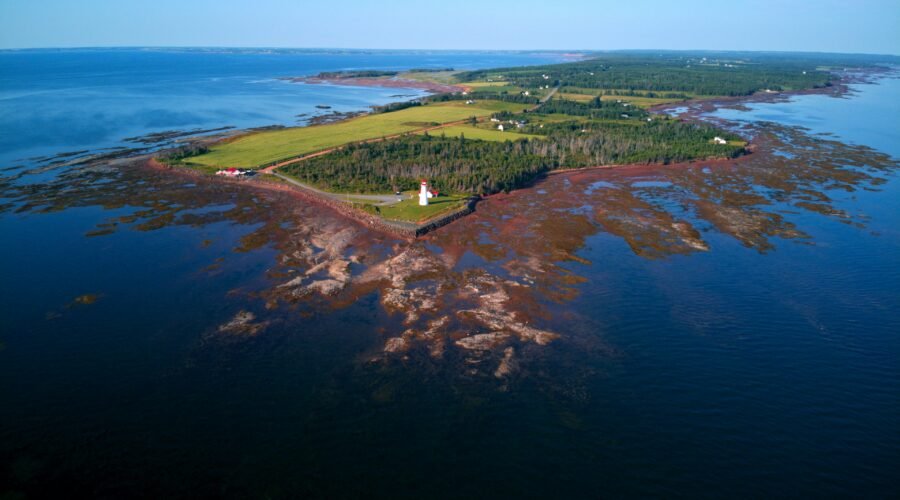
Planning a trip to Prince Edward Island? Choosing the right month can make a big difference to your experience and your budget. PEI has beautiful beaches, fishing villages, rolling farmland, and plenty of fresh seafood, but its weather, crowds, and seasonal attractions change throughout the year. Here’s what you need to know before booking your Island getaway.
Quick Answer
The best time to visit Prince Edward Island is July or August for warm beach weather and the widest choice of activities. Choose June for a quieter early-summer trip or September for comfortable sightseeing and food festivals. October offers fall colours, while winter suits travellers who prefer solitude and do not need seasonal attractions.
Key Takeaways
- Best for beach holidays: July and August offer the warmest typical weather and the greatest selection of seasonal attractions.
- Best for fewer crowds: June and September usually offer a more relaxed experience than peak summer.
- Best for potential savings: Late spring and autumn may offer better accommodation value, although festival weekends can still be busy.
- Best for fall scenery: September and October are excellent for coastal drives, photography, and local food.
- Most important booking tip: Reserve summer accommodations, rental cars, and popular activities early.
- Important transport detail: The Confederation Bridge connects PEI with New Brunswick, while the Northumberland ferry connects PEI with Nova Scotia. The bridge toll is collected when leaving PEI.
1. Prince Edward Island Weather: What to Expect Each Season
PEI has four distinct seasons. Summer brings beach weather and long sightseeing days, while spring and autumn are cooler and quieter. Winter offers a completely different experience, with snow, strong winds, and fewer tourist services.
The temperatures below use Environment and Climate Change Canada’s 1991–2020 climate normals for Charlottetown Airport. Coastal locations and individual days can feel different, especially when the wind picks up.
Month-by-Month Weather, Crowds, and Costs
| Month | Weather | Crowds | Costs |
|---|---|---|---|
| May | Average high 14.2°C (58°F). Cool evenings and variable weather. | Generally low | Potential shoulder-season savings |
| June | Average high 19.5°C (67°F). Mild days with cool nights. | Low to moderate, generally increasing later in the month | Often below peak-summer pricing |
| July | Average high 23.6°C (74°F). Warm beach weather with possible rain. | High | Peak-season pricing |
| August | Average high 23.3°C (74°F). Warm days and generally favourable swimming conditions. | High | Peak-season pricing |
| September | Average high 19.1°C (66°F). Comfortable days with cooler evenings. | Moderate overall; festival weekends may be busy | Variable; potential shoulder-season savings |
| October | Average high 12.6°C (55°F). Cool days, cold nights, and possible frost. | Generally lower, with event-related exceptions | Potential off-peak savings |
Temperature source: Environment and Climate Change Canada, 1991–2020 Charlottetown Airport climate normals. Crowd and cost descriptions are seasonal planning guidance, not measured visitor counts or guaranteed prices.
Early Spring (April–May): The Island Wakes Up
This is when PEI starts to shake off the winter chill. The landscape gradually turns green, but spring arrives slowly because of the Island’s coastal climate.
- Temperature: April’s average daytime high is about 7°C (45°F), rising to 14°C (58°F) in May. Nights can still be cold.
- Precipitation: Expect rain and occasional late-season snow, especially early in spring.
- What to expect: Many seasonal businesses begin opening in May or June. Some beach facilities, restaurants, and attractions may not yet be operating.
- Best activities: Walking, scenic drives, photography, and exploring Charlottetown or smaller communities.
- What to pack: Waterproof outerwear, warm sweaters, long pants, and comfortable walking shoes.
Spring can be a pleasant time to experience a quieter PEI, provided you check the operating dates of any attractions you specifically want to visit.
Summer (June–August): The Peak Season Payoff
Summer is when most visitors experience the classic PEI holiday: sandy beaches, fishing villages, seafood restaurants, and long afternoons exploring the coast.
- Temperature: June averages around 19.5°C (67°F) during the day. July and August are warmer, with average highs near 23–24°C (73–75°F).
- Precipitation: Rain and thunderstorms can occur. Do not assume every summer day will be sunny.
- What to expect: July and August bring the busiest beaches, the widest selection of seasonal attractions, and major summer events.
- Best activities: Swimming, coastal drives, lighthouse visits, boat excursions, cycling, and seafood dining.
- What to pack: Light clothing, swimwear, sunscreen, sunglasses, a hat, comfortable shoes, and a light jacket for cooler evenings.
For beach-focused holidays, July and August offer the most dependable seasonal experience. June is appealing if you would rather trade some warmth for fewer visitors.
Beach Safety: PEI’s north shore can experience dangerous surf and rip currents. Choose supervised swimming areas, obey beach flags, and check the Parks Canada water-safety information before entering the water. Never assume calm-looking water is risk-free.
Autumn (September–October): The Island’s Golden Hour
Fall is an excellent time to visit PEI if you enjoy quieter beaches, colourful countryside, and local food.
- Temperature: September’s average daytime high is about 19°C (66°F). October cools to approximately 13°C (55°F), with colder nights.
- Precipitation: Rain and windy weather remain possible. Check the forecast before planning outdoor activities or ferry travel.
- What to expect: Crowds generally ease after the main summer holiday period, although culinary festivals can attract visitors.
- Best activities: Scenic drives, hiking, photography, farmers’ markets, food festivals, and quiet beach walks.
- What to pack: Layers, a fleece or sweater, a waterproof jacket, and sturdy walking shoes.
Some seasonal restaurants, accommodations, and attractions begin reducing their hours during autumn. October visitors should confirm opening dates rather than assuming summer services are still available.
Winter (November–March): The Island Sleeps
Winter brings a different side of Prince Edward Island. Tourist areas are quieter, and local communities continue their normal routines.
- Temperature: Winter temperatures frequently fall below freezing. Charlottetown’s average daytime highs are around -3°C (27°F) in January and February.
- Precipitation: Snow, freezing rain, ice, and strong winds can affect travel.
- What to expect: Many seasonal attractions, campgrounds, and coastal businesses are closed.
- Best activities: Winter photography, local cultural events, and snowshoeing or skating where conditions and facilities permit.
- What to pack: An insulated waterproof coat, thermal layers, warm socks, gloves, a hat, and winter boots with good traction.
Winter is not the ideal choice for a traditional beach holiday, but it can suit travellers who enjoy quiet surroundings and are comfortable adjusting their plans around the weather.
Before driving during winter, consult the official PEI 511 road-conditions service.
2. Navigating PEI’s Crowds: When to Go for Your Vibe
Understanding when the Island is busy and when it slows down helps you choose the right travel dates and decide how far ahead to book.
The Summer Rush (Late June–August)
July and August are the main peak-tourism months. Popular beaches and attractions can be busy, particularly during school holidays and major events.
- The upside: Most major seasonal attractions are operating, and visitors have a broad choice of dining, tours, and entertainment.
- The downside: Popular accommodation and rental-car options may sell out early. Prices can also rise with demand.
- Who it’s for: Families with school-aged children, beach lovers, and visitors who want the full summer experience.
Book accommodation, rental cars, and major activities well ahead of your arrival. Restaurant reservations are also worth considering for busy weekends.
The Shoulder Season Sweet Spot (May–Early June and September–Early October)
These periods offer a balance between sightseeing opportunities and a more relaxed atmosphere.
- The upside: Popular locations are often quieter, and accommodation prices may be lower than during peak summer.
- The downside: Smaller attractions, restaurants, and seasonal accommodations may operate reduced hours.
- Who it’s for: Couples, solo travellers, photographers, road-trippers, and visitors who prefer a less crowded holiday.
June and September are particularly useful months to compare. June brings fresh green scenery and longer daylight hours. September offers comfortable sightseeing weather, food festivals, and the start of autumn scenery.
The Quiet Season (Late October–April)
PEI becomes quieter as seasonal tourism winds down.
- The upside: A slower pace, quieter communities, and possible off-season accommodation deals.
- The downside: Limited seasonal dining and activities, reduced outdoor services, and more challenging weather.
- Who it’s for: Travellers interested in winter scenery, local culture, or a peaceful getaway rather than a traditional summer vacation.
Choose year-round accommodation and check restaurant opening hours before travelling.
Which Month Should You Choose?
- For swimming and family beach holidays: July or August.
- For relaxed sightseeing: June or September.
- For photography and autumn scenery: September or October.
- For food festivals: September and early October.
- For potential accommodation savings: Compare May, early June, late September, and October.
- For a quiet winter escape: December through March, with flexible plans.
Plan Around PEI’s Festivals
Festivals are part of the Island’s appeal, but they can also affect accommodation availability and crowds.
For reference, the 2026 calendar includes these major events:
- Cavendish Beach Music Festival: July 9–11, 2026.
- PEI International Shellfish Festival: September 17–20, 2026, in Charlottetown.
- Fall Flavours Food & Drink Festival: September 24–October 10, 2026.
Festival dates and programmes change from year to year. Check the official Tourism PEI website and event organisers before making reservations.
3. Figuring Out the Costs: Budgeting for Your PEI Adventure

PEI can accommodate different travel budgets, but the total cost depends heavily on your accommodation, transportation, activities, and travel dates.
Summer is generally the busiest booking period. Shoulder-season visitors may find better value, although special events and holidays can create periods of high demand.
All amounts below are in Canadian dollars (CAD). Published operator fees are identified separately from illustrative travel-budget allowances.
Accommodation: From Coastal Cozy to City Comforts
Where you stay can make a major difference to your overall budget.
- Hotels and motels: Downtown Charlottetown and popular coastal areas offer convenient locations, but rates vary by season, property, and booking date. Compare the full price, including taxes and parking.
- Vacation rentals: Cottages and houses can be practical for families or groups, especially when a kitchen helps reduce restaurant spending. Check cleaning fees, minimum stays, and cancellation policies.
- Bed and breakfasts: These provide a more personal experience, and breakfast may be included. Confirm what is covered before booking.
- Campgrounds: Camping can reduce accommodation costs if you already own the necessary gear. Popular summer campgrounds may require advance reservations.
Pro Tip: Compare accommodation outside the busiest coastal resort areas. A property farther from Cavendish or downtown Charlottetown may offer better value, but include additional driving time and fuel costs in your comparison.
Transportation: Getting to and Around the Island
Transportation is one of the most important parts of a PEI budget, especially if you want to visit multiple coastal regions.
Getting to Prince Edward Island
- Confederation Bridge: Connects New Brunswick with Borden-Carleton, PEI. The bridge operates year-round and does not require reservations. The toll is collected when leaving PEI.
- Northumberland Ferries: Connects Caribou, Nova Scotia, with Wood Islands, PEI. The crossing takes approximately 75 minutes. Reservations are recommended during busy periods.
- Flying: Charlottetown Airport (YYG) offers direct and connecting commercial flights. Compare airfare and rental-car availability before choosing this option.
Confederation Bridge Toll
As listed by the bridge operator in 2026, the toll for a standard vehicle with its first two axles is C$20.
The toll is collected at Borden-Carleton when departing PEI for New Brunswick, not when arriving on the Island.
Check the official Confederation Bridge toll schedule for current charges, vehicle classifications, and travel advisories.
Northumberland Ferry Fare
Northumberland Ferries’ published 2026 fare for a reserved standard vehicle up to 20 feet long and 7 feet high is C$43, with passengers included. The operator also lists a C$2.50 fuel surcharge for vehicles under 20 feet.
Different charges apply to larger vehicles, trailers, motorcycles, and foot passengers. Fuel surcharges can change.
Check the official ferry fare schedule and sailing schedule before booking.
Note: The 2026 Northumberland ferry schedule lists service through December 20. Sailing frequency changes by season, and weather or operational conditions can affect departures. Confirm the schedule for your specific travel date.
Getting Around PEI
- Rental car: A practical choice for exploring beaches, lighthouses, and smaller communities on your own schedule. Compare prices early, especially for July and August.
- Public transportation: T3 Transit serves urban communities, while Transit PEI connects several communities along provincial routes. Check current schedules because services may not align with every tourist attraction.
- Guided tours: A useful alternative if you prefer not to drive. Compare the included stops, transport, admission fees, and cancellation terms.
- Bicycle: Suitable for selected scenic routes, towns, and sections of the Confederation Trail. It is less practical as the sole transport option for a short island-wide sightseeing trip.
For route information, consult the PEI Government’s public transit guide.
Food and Drink: From Lobster Rolls to Local Brews
PEI is known for seafood, potatoes, local produce, and its food culture. Your dining choices can make a noticeable difference to daily spending.
- Fine dining: Multi-course meals, drinks, taxes, and gratuities can add up quickly. Review current restaurant menus before reserving.
- Casual dining and pubs: Offer a broad selection of seafood and other meals at different price points.
- Fast food and takeout: Useful for quicker and potentially lower-cost meals between activities.
- Groceries and picnics: A practical way to control costs, especially if your accommodation includes a kitchen.
- Lobster: Restaurant prices vary by season, portion size, and market conditions. Compare a full lobster dinner with alternatives such as lobster rolls or seafood chowder.
- Farmers’ markets and seafood markets: Good places to explore local products and buy ingredients for meals.
If seafood is one of the main reasons for your visit, allow room in your budget for at least one special dining experience.
Activities and Attractions: Making Memories Without Breaking the Bank
Many memorable PEI experiences involve beaches, small towns, scenic drives, and public walking trails. Other attractions charge admission or require reservations.
- PEI National Park: Admission depends on the applicable season and visitor category. Check the official Parks Canada fee schedule.
- Museums and historic sites: Admission varies by location, programme, and season.
- Lighthouses: Some are free to view from public areas, while selected towers or museums charge admission.
- Boat and wildlife-watching tours: Compare duration, availability, and cancellation policies. Wildlife sightings are never guaranteed.
- Golf: Green fees vary by course, season, and tee time.
- Free activities: Public beach walks, exploring small towns, scenic drives, and suitable public trails can help keep costs down.
2026 park-fee update: The Canada Strong Pass provided free admission to participating Parks Canada locations, including PEI National Park, from June 19 through September 7, 2026. Regular admission resumed September 8. The programme also provided eligible camping and overnight-stay discounts during the promotional period.
For applicable admission charges, visit Parks Canada’s official PEI National Park fee schedule.
Example: Planning a Daily PEI Budget
Instead of relying on a single average daily price, build your budget around your actual bookings.
For example, a couple sharing one room and one rental car might use the following illustrative daily allowances:
| Expense | Illustrative allowance |
|---|---|
| Accommodation | C$180 |
| Food for two | C$80 |
| Rental car | C$70 |
| Activities | C$20 |
| Illustrative daily total | C$350 for two people |
This is a budgeting example, not a verified average price or accommodation quote. Actual rates can be substantially higher or lower.
Allow separately for flights, bridge or ferry charges, fuel, parking, taxes, gratuities, travel insurance, and special activities.
For a lower-cost trip, compare accommodation outside peak season, prepare some meals yourself, and combine free coastal activities with a smaller number of paid attractions.
4. Packing Essentials: What to Bring for Comfort and Preparedness

PEI’s coastal weather can change during the day. The easiest way to stay comfortable is to bring practical layers rather than packing only for the afternoon temperature.
Layering Is Your Mantra: Adaptable Clothing
- Base layers: Comfortable T-shirts and long-sleeved tops. Moisture-wicking materials are useful for active days.
- Mid layers: Fleeces, sweaters, or light hoodies for cool mornings and evenings.
- Outer layers: A waterproof and wind-resistant jacket. Bring a more insulated coat for colder seasons.
- Bottoms: Comfortable walking pants, jeans, and shorts. Quick-drying fabrics are useful for outdoor excursions.
Even in July or August, a light jacket can make boat trips and breezy evenings more comfortable.
Footwear: For Beach Sands and Rolling Hills
- Walking shoes: Choose comfortable shoes that you have already worn in.
- Waterproof boots: Particularly useful during spring, autumn, and wet-weather visits.
- Sandals or flip-flops: Convenient for beach days and relaxing at your accommodation.
- Water shoes: Helpful on rocky shorelines where appropriate.
For winter travel, replace lightweight footwear with insulated boots suitable for snow and ice.
Sun and Bug Protection
- Sunscreen: Use broad-spectrum sunscreen and reapply according to the product instructions.
- Hat: A wide-brimmed hat or cap provides additional sun protection.
- Sunglasses: Particularly useful around bright sand and reflective water.
- Insect repellent: Consider a suitable product containing DEET or picaridin, following the label directions, especially near wooded or marshy areas.
Practical Extras: Things You’ll Be Glad You Packed
These smaller items can make day trips easier:
- Reusable water bottle: Stay hydrated and reduce disposable plastic use.
- Backpack or day bag: Carry water, snacks, sunscreen, and other essentials.
- Camera or camera phone: Capture coastal scenery and small-town views.
- Binoculars: Useful for viewing seabirds and distant coastal scenery without approaching wildlife.
- Small first-aid kit: Keep basic supplies for minor cuts and blisters.
- Book or e-reader: Ideal for downtime and relaxing at your accommodation.
- Chargers and power bank: Keep devices charged during longer outings.
- Small umbrella: Useful for unexpected showers.
- Offline maps: Download directions before exploring remote coastal areas.
- Travel documents: Keep identification, reservation details, insurance information, and any required travel documents accessible.
5. Making the Most of Your PEI Visit: Practical Tips and Local Wisdom
Beyond the weather, crowds, and costs, a little local knowledge can help you enjoy the Island without unnecessary stress.
Booking in Advance: The Golden Rule for Peak Season
If you’re travelling during July or August, reserve accommodation, rental cars, and must-do tours well in advance.
This matters most if you’re travelling with a group, need a specific room type, or want to stay near a popular coastal destination.
For major festivals, compare availability before committing to travel dates. Busy event weekends may not offer the same savings as other shoulder-season dates.
Embrace the Slow Pace: It’s Part of the Charm
PEI isn’t a place you need to rush through.
Leave time for spontaneous stops, a coffee at a local café, or an afternoon watching the waves. An itinerary with too many distant stops can turn a relaxing holiday into a long day of driving.
A useful approach is to explore one coastal region at a time rather than trying to see the entire Island in a single day.
Explore Beyond the Main Tourist Hubs
Charlottetown and Cavendish are popular for good reason, but PEI has plenty to offer beyond them.
- North Shore: Explore places such as North Rustico and French River, along with nearby coastal scenery.
- Eastern PEI: Follow the Points East Coastal Drive to discover fishing communities, beaches, and lighthouses. Murray Harbour is another worthwhile southeastern destination.
- Western PEI: Explore Alberton, North Cape, and the quieter landscapes of the Island’s western region.
- Inland communities: Enjoy the rolling agricultural scenery and small towns that give PEI much of its character.
Tourism PEI identifies three main touring routes: the North Cape Coastal Drive, Central Coastal Drive, and Points East Coastal Drive.
Use the official PEI coastal drives guide to explore regional routes and plan stops.
Sample the Local Flavours Authentically
PEI is closely associated with seafood, especially lobster, oysters, and mussels. Local farms and markets add plenty of variety beyond seafood.
- Lobster suppers: Look for traditional community-style dining experiences and compare the included menu before booking.
- Oysters and mussels: Check for available farm experiences, tastings, and seafood tours.
- Farmers’ markets: Try local produce, baked goods, and artisanal products while meeting local vendors.
- PEI potatoes: Don’t overlook one of the Island’s best-known agricultural products.
September and early October are particularly appealing for travellers interested in the Island’s culinary events.
Respect the Environment: Leave No Trace
PEI’s beaches, dunes, trails, and waterways are important parts of its natural environment.
- Beaches: Take your rubbish with you and respect posted restrictions.
- Dunes: Stay out of protected dune areas. They are fragile habitats, and walking on them can damage vegetation.
- Trails: Remain on designated paths and observe temporary closures.
- Wildlife: Watch from a distance. Never approach or feed wild animals.
- Waterways: Avoid litter and follow local boating and wildlife guidance.
Travelling with a Dog? Pets are prohibited on PEI National Park beaches from April 1 through October 15 each year. Leashed dogs are permitted in designated park areas, including many trails and picnic areas. Check the official Parks Canada pet regulations before your visit.
Connect with the Locals: Tips from Those in the Know
Don’t hesitate to ask local residents or tourism staff for recommendations.
They may help you discover a quieter beach, a local market, or a seasonal restaurant that suits your plans.
Visitor information centres can also help with regional maps, attraction hours, and current tourism information.
Consider the Shoulder Seasons for Value and Tranquility
If your schedule allows, compare May, early June, September, and early October before booking peak-summer dates.
You may enjoy a quieter visit and find better accommodation value without giving up many of the Island’s sightseeing opportunities.
Just remember that attraction hours and seasonal services vary. Confirm the activities that matter most before choosing your dates.
Prepare for Weather and Travel Changes
Coastal weather can affect outdoor activities, ferry departures, and road conditions. Build some flexibility into your itinerary.
- Check the weather forecast before long coastal drives or boat excursions.
- Confirm ferry departures before leaving for the terminal.
- Keep an indoor activity available for rainy days.
- Allow extra travel time during major festivals and busy weekends.
- Use PEI 511 to check road conditions when weather may affect driving.
By planning around the Island’s seasons, choosing transportation carefully, and allowing room for unexpected discoveries, you can enjoy a memorable PEI trip that fits your schedule and budget.
For questions about this website or its travel content, visit our Contact Us page. Information about site policies is available in our Terms and Conditions.
Frequently Asked Questions
What is the best time to visit Prince Edward Island for ideal weather?
July and August offer the warmest typical weather for beach holidays. Charlottetown’s average daytime highs are approximately 23–24°C (73–75°F). June and September are also pleasant for sightseeing, although they are generally cooler.
When is the best time to visit Prince Edward Island to avoid crowds?
June and September generally offer fewer visitors than July and August. May and October are quieter still, but some seasonal attractions and restaurants may have limited hours.
What is the most cost-effective time to visit Prince Edward Island?
Late spring and autumn may offer better accommodation value than peak summer. Compare May, early June, late September, and October. Savings are not guaranteed, especially during festivals or other popular events.
What is the weather like in Prince Edward Island during the off-peak season?
Spring and autumn are generally cooler than summer, with variable rain and wind. Winter can bring snow, ice, and freezing temperatures. Pack layers and check the forecast before travelling.
Are there any specific festivals worth considering when planning a PEI visit?
Popular annual events include the Cavendish Beach Music Festival, PEI International Shellfish Festival, and Fall Flavours Food & Drink Festival. The music festival takes place in summer, while the major culinary events are associated with September and autumn. Confirm each year’s official dates before booking.
Is June or September better for visiting PEI?
June is attractive for green scenery, longer daylight hours, and early-summer sightseeing. September offers comfortable temperatures, food festivals, and quieter beaches after the main summer holiday period. Choose June for an early-summer trip and September if food and autumn scenery are priorities.
Can you visit Prince Edward Island without a car?
Yes. Public transit serves Charlottetown and several other communities, and guided tours can help you visit selected attractions. However, a rental car provides greater flexibility for exploring remote beaches, lighthouses, and smaller coastal destinations. Check current transit routes before planning a car-free itinerary.
Do you pay the Confederation Bridge toll when entering PEI?
No. The bridge toll is collected when leaving Prince Edward Island for New Brunswick. The bridge operator lists a C$20 toll for a standard two-axle vehicle in 2026. Check the official operator website for current rates.
How many days do you need to visit Prince Edward Island?
Three to five days gives you time to explore Charlottetown, enjoy selected beaches, and visit a few coastal communities. A week allows a more relaxed trip with additional time for western and eastern PEI. Your ideal length depends on whether you want a beach holiday, a scenic road trip, or a combination of both.
Sources
- Environment and Climate Change Canada — Canadian Climate Normals, Charlottetown Airport — Historical monthly temperature averages for 1991–2020.
- Tourism PEI — What Is the Best Time to Visit PEI? — Seasonal travel recommendations, visitor patterns, and activities.
- Confederation Bridge — Tolls and Fees — Official bridge toll direction, vehicle charges, and crossing information.
- Northumberland Ferries — 2026 Fares — Vehicle fares, passenger charges, and booking information.
- Parks Canada — PEI National Park Admission and Camping — Verified 2026 free-admission dates and camping discounts.
- Parks Canada — Water Safety — Official guidance on rip currents, beach flags, and safe swimming.