Thinking about a trip to Baddeck, Nova Scotia, but not sure when to go? This lakeside village on Cape Breton Island offers a different experience in every season. Summer brings warm days, sailing, and a lively waterfront. Autumn brings colourful scenery and Celtic music, while spring and winter offer a quieter atmosphere. The best time to visit Baddeck depends on the weather, activities, crowds, and travel costs you prefer.
Quick Answer
The best time to visit Baddeck, Nova Scotia, is July or August for warm weather, sailing, and the widest selection of seasonal activities. June and September offer a quieter alternative. Visit from late September through mid-October for autumn colours, or plan an October trip around the Celtic Colours International Festival.
Key Takeaways
- Best overall weather: July and August offer the warmest average temperatures.
- Best balance of weather and crowds: June and September are useful alternatives to peak summer.
- Best for fall colours: Late September through mid-October is a useful planning window, although peak colour varies each year.
- Best for cultural events: Celtic Colours runs October 9–17 in 2026.
- Best for quiet travel: Spring, late autumn, and winter are less busy, but some visitor services close.
Best Months to Visit Baddeck at a Glance
Baddeck sits beside Bras d’Or Lake and serves as a convenient starting point for exploring the Cabot Trail. The village is busiest when the weather is warm and seasonal businesses are operating. October also attracts visitors for fall colours and cultural events.
| Period | Weather | Crowds | Typical Cost Pattern |
|---|---|---|---|
| April–May | Cool and changeable | Low | Potential seasonal deals |
| June | Mild early summer | Moderate | Often below peak-summer rates |
| July–August | Warmest months | High | High seasonal demand |
| September | Mild days and cooler evenings | Variable; often below summer levels | Variable, with possible savings |
| October | Cool autumn weather | Can be high during fall colours and festivals | Higher during popular event dates |
| November–March | Cold, with winter snow and ice possible | Low | Possible discounts, but limited accommodation choices |
This comparison describes general seasonal patterns, not guaranteed prices or weather conditions. Accommodation rates depend on demand, property availability, and local events.
Summer: The Most Popular Time to Visit Baddeck (June–August)
Summer is Baddeck’s main tourism season. The landscape is green, daylight lasts longer, and the waterfront becomes more active. It is a popular period for sailing, kayaking, boat tours, local festivals, and exploring Cape Breton.
Most seasonal tourism services operate during summer, although individual tour schedules and attractions should still be checked before travelling.
The Unofficial Perfect Window: Mid-July to Mid-August
For visitors who want warm weather and a lively holiday atmosphere, mid-July through mid-August is a popular choice. Days are generally pleasant for outdoor activities, and evenings offer opportunities to enjoy Baddeck’s waterfront and local restaurants.
The main trade-off is demand. Hotels, cottages, car rentals, and popular tours may require advance reservations.
This period is a good choice if you want the widest range of activities and do not mind sharing popular attractions with other visitors.
July and August: Peak Summer
July and August are the warmest months in the Baddeck area. Historical climate normals for Baddeck show average daytime highs close to 23°C (73°F), while the newer 1991–2020 climate normals for nearby Sydney show average highs of about 23.4°C (74°F) in both months.
Actual temperatures vary, and warmer days or cool, rainy periods are possible.
The long daylight hours make these months useful for spending a full day exploring the Cabot Trail before returning to Baddeck for dinner.
- Pros: Warm weather, active waterfront, long daylight hours, and a wide selection of seasonal tours.
- Cons: Higher accommodation demand, busier attractions, and greater competition for popular reservations.
- What to expect: Families, road-trip travellers, boat tours, outdoor recreation, and an energetic village atmosphere.
Summer is also the most comfortable season for visitors who want to spend time near or on Bras d’Or Lake. However, water temperature and conditions should be checked before swimming or boating.
Pro Tip: If your summer itinerary includes the Skyline Trail, reserve parking before travelling. Parks Canada requires parking reservations from June 26 through October 25, 2026. A reservation is needed even when you are only planning a regular hike.
June: The Gentle Start to Summer
June offers a useful balance between pleasant weather and a quieter atmosphere. Average daytime highs in the region are around 19°C (66°F), although evenings can still feel cool.
Nature is coming into full bloom, making June suitable for scenic drives, hiking, photography, and exploring the waterfront.
- Pros: Comfortable daytime weather, fewer visitors than peak summer, and possible accommodation savings.
- Cons: Cool lake water, chilly evenings, and some tours operating on limited early-season schedules.
- What to expect: A relaxed village atmosphere with an increasing range of open businesses and visitor services.
June is particularly useful for travellers who prefer outdoor activities without the busiest summer crowds. Bring a sweater or light jacket for evenings near the lake.
September: The Golden Autumn Charm
September is another appealing time to visit Baddeck. The busiest summer period is ending, but the weather can remain comfortable for hiking, sightseeing, and exploring Cape Breton.
Nearby Sydney’s 1991–2020 climate normals show an average September daytime high of about 19°C (67°F) and an average overnight low of about 10°C (50°F).
The first autumn colours begin appearing as the season progresses. For stronger colour displays, late September into October is generally a better planning window.
- Pros: Mild daytime temperatures, a more relaxed atmosphere, and the beginning of autumn scenery.
- Cons: Cooler evenings, shorter days, and some seasonal businesses reducing their hours later in the month.
- What to expect: Comfortable sightseeing conditions, attractive lake views, and opportunities for photography and scenic driving.
September can also provide better accommodation value than peak summer, but savings are not guaranteed. Prices may rise around popular events or weekends.
Shoulder Seasons: Value and Serenity (April–May and October–November)
The shoulder seasons offer a different experience from summer. Baddeck becomes quieter, and the surrounding landscape changes dramatically.
These periods can suit travellers who enjoy photography, scenic drives, and a slower pace. However, weather becomes less predictable, and seasonal services may be limited.
October deserves special consideration because autumn colours and Celtic Colours can bring significant visitor demand.
April and May: The Awakening of Spring
Spring is a time of gradual warming. April can still feel wintry, while May brings greener landscapes and more comfortable conditions for walking and sightseeing.
Regional average daytime highs are around 7°C (45°F) in April and 13°C (56°F) in May. Overnight temperatures can fall below freezing in early spring.
- Pros: Quiet surroundings, emerging greenery, birdwatching, and potential accommodation deals.
- Cons: Variable weather, rain, occasional late-season snow, and limited availability of seasonal attractions.
- What to expect: A peaceful trip focused on landscapes, photography, short walks, and scenic drives.
Water activities are generally less appealing because of cold conditions, although some operators may begin their seasons in May.
The Alexander Graham Bell National Historic Site opens on May 15 in 2026, making the second half of May more convenient for visitors who want to include the museum.
Confirm the operating hours of your preferred restaurants, accommodations, and tours before booking.
October and November: The Crisp Finale to Fall
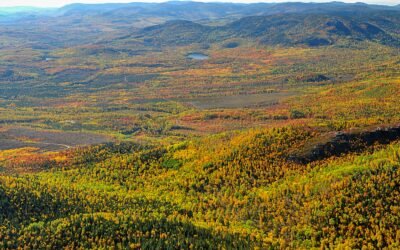
October is one of Cape Breton’s most attractive months for autumn scenery. Red, orange, and yellow leaves transform the hills around Baddeck and the Cabot Trail.
Tourism Nova Scotia identifies late September through mid-October as a useful general window for fall colours, although timing changes with the weather each year.
Early and mid-October can also be busy because of the Celtic Colours International Festival.
- Pros: Autumn scenery, crisp weather, cultural events, and excellent photography opportunities.
- Cons: Shorter daylight hours, cooler temperatures, possible rain, and strong demand during popular fall dates.
- What to expect: Scenic driving, autumn hiking, cultural performances, and a mix of busy event periods and quieter days.
November is generally much quieter. Temperatures continue to fall, and many tourism-focused businesses have closed or reduced their operating hours.
If you visit in November, plan around the services that remain available rather than assuming the summer tourism experience will continue.
Note: October is not automatically a budget month. Book early if your visit overlaps with Celtic Colours or peak autumn colours, especially if you need accommodation in a specific part of Cape Breton.
Winter: The Quiet Respite (December–March)
Winter offers a sharp contrast to Baddeck’s busy summer season. The village becomes quieter, snow can cover the surrounding landscape, and tourism services are more limited.
It is a suitable period for travellers who enjoy winter scenery, indoor relaxation, and a slower pace.
However, winter is not the ideal season for visitors who want sailing, swimming, or a full selection of sightseeing tours.
December to March: The Deep Freeze
Winter temperatures frequently fall below freezing, especially overnight. Regional climate normals show average daytime highs near or below freezing in January and February.
Snow, ice, wind, and rapidly changing weather can affect travel plans.
- Pros: Peaceful surroundings, winter landscapes, fewer tourists, and possible accommodation discounts.
- Cons: Cold weather, limited daylight, reduced dining and accommodation choices, and possible road disruptions.
- What to expect: A quiet trip focused on winter scenery, local life, and activities that depend on snow conditions.
Snowshoeing and cross-country skiing may be possible when conditions are suitable. Cape Breton Highlands National Park also provides opportunities for winter recreation, although visitor services and trailhead access are limited.
The Cabot Trail normally remains open year-round, but Parks Canada may temporarily close sections when road or weather conditions become unsafe.
Warning: Check Nova Scotia’s 511 road information before driving the Cabot Trail in winter. Mountain weather may be much different from conditions in Baddeck. Use winter tires, carry suitable emergency supplies, and never drive past a road-closure barrier.
Winter accommodation may be less expensive at some properties, but fewer businesses remain open. Compare actual rates and availability before assuming an off-season trip will cost less overall.
Weather Patterns: What to Pack For
Nova Scotia’s weather can change quickly. Conditions near Bras d’Or Lake may also feel different from those in the higher elevations along the Cabot Trail.
The temperatures below use Environment and Climate Change Canada’s 1991–2020 climate normals for nearby Sydney as a regional reference. They are average daily highs and lows, not weather forecasts or exact measurements for Baddeck.
Spring (April–May): The Unpredictable Mix
- April average: High 7°C (45°F); low -2°C (28°F).
- May average: High 13°C (55°F); low 3°C (37°F).
- Precipitation: Rain is common, and late-season snow remains possible.
- What to pack: Sweaters, long pants, a waterproof jacket, water-resistant walking shoes, and warm accessories for colder days.
Layering is particularly useful in spring. A morning that feels cold can turn into a much warmer afternoon.
Summer (June–August): The Warm Embrace
- June average: High 19°C (66°F); low 8°C (46°F).
- July average: High 23°C (73°F); low 13°C (55°F).
- August average: High 23°C (73°F); low 13°C (55°F).
- Precipitation: Rain and occasional thunderstorms are possible throughout summer.
- What to pack: T-shirts, shorts, comfortable walking shoes, sunscreen, sunglasses, a hat, and a light jacket or sweater.
Bring a swimsuit if you plan to swim, but check water conditions before entering the lake.
Fall (September–November): The Crisp Transition
- September average: High 19°C (66°F); low 10°C (50°F).
- October average: High 13°C (56°F); low 5°C (41°F).
- November average: High 8°C (46°F); low 0°C (32°F).
- Precipitation: Rain, wind, and changing conditions become important planning considerations.
- What to pack: Fleece layers, warm sweaters, long pants, waterproof outerwear, and sturdy shoes.
Add a hat and gloves for late autumn, particularly if you will be spending time outdoors in exposed or elevated areas.
Winter (December–March): The Icy Grip
- December average: High 3°C (37°F); low -4°C (25°F).
- January average: High -1°C (30°F); low -9°C (16°F).
- February average: High -1°C (30°F); low -10°C (14°F).
- March average: High 2°C (36°F); low -6°C (21°F).
- Precipitation: Snow, freezing precipitation, and icy conditions are possible.
- What to pack: An insulated waterproof coat, thermal base layers, warm gloves or mittens, a winter hat, wool socks, and insulated waterproof boots.
Pack for colder conditions if your itinerary includes the Cape Breton Highlands. Wind and elevation can make exposed areas feel significantly colder than the village.
Crowds: Navigating the Tourist Flow
Visitor numbers change throughout the year, affecting the atmosphere, accommodation availability, restaurants, and popular attractions.
Baddeck’s busiest periods are not limited to summer. Autumn colours and cultural events can also create strong demand.
Peak Season Buzz (July–August)
July and August bring a lively atmosphere, with families, international visitors, road-trip travellers, and people enjoying the lake.
Restaurants, accommodation, tours, and parking areas can be busy during popular travel periods.
- Impact on experience: Advance reservations are useful for accommodation, car rentals, and activities with limited capacity.
This period suits travellers who enjoy an active village atmosphere and want to choose from a broad range of seasonal attractions.
Shoulder Season Serenity (June and September)
June and September offer a useful balance between pleasant weather and a more relaxed pace.
There may still be plenty of visitors, especially on weekends, but the atmosphere is often less busy than peak summer.
- Impact on experience: These months work well for couples, photographers, and travellers who prefer a quieter sightseeing experience.
Check the dates of seasonal tours before booking, particularly near the beginning of June or the end of September.
Off-Season Peace (April–May and October–November)
Spring and late autumn can be quiet, with fewer visitors and more opportunities to enjoy the scenery at your own pace.
However, October is an exception during popular foliage periods and Celtic Colours.
- Impact on experience: These months are useful for scenic drives, photography, and relaxed travel, provided you plan around reduced operating hours.
November is generally a quieter choice than the main October event period.
Winter Solitude (December–March)
Winter is the quietest tourism period. Many seasonal businesses are closed, and the village has a more local atmosphere.
- Impact on experience: Winter suits visitors who value quiet surroundings and can plan around limited attractions, dining options, and changing travel conditions.
Costs: Budgeting for Your Trip
Accommodation, transportation, food, and activities all contribute to the total cost of visiting Baddeck.
Seasonal demand affects prices, but actual costs depend on your travel dates, booking lead time, and the availability of suitable accommodation.
Peak Season Pricing (July–August)
Summer demand can increase the cost of accommodation and car rentals, particularly during weekends and popular holiday periods.
- Budget considerations: Reserve accommodation early, compare cancellation policies, and consider properties with kitchen facilities if you want to reduce dining expenses.
Booking ahead is also useful for tours with limited capacity.
Shoulder Season Savings (June and September)
June and September may offer better accommodation value than the busiest summer weeks.
You can still enjoy many outdoor activities, although seasonal availability should be confirmed.
- Budget considerations: Compare weekday and weekend rates and avoid assuming that every September date will be inexpensive.
Off-Season Deals (April–May and October–November)
Early spring and late autumn can provide opportunities to find accommodation deals.
However, October’s fall-colour season and Celtic Colours can increase demand significantly.
- Budget considerations: Compare actual prices for your dates and account for the reduced availability of restaurants, tours, and other services.
Travellers visiting during the October festival should book accommodation and event tickets well in advance.
Winter Thrifting (December–March)
Winter can bring discounted rates at properties that remain open, but accommodation choices are more limited.
- Budget considerations: Check whether your accommodation is winterized, confirm dining options, and allow room in your travel schedule for weather-related changes.
A lower nightly rate does not necessarily mean a lower total trip cost if transportation and meal options are restricted.
Activities & Events: What’s Open When
Baddeck’s tourism calendar is closely linked to seasonal weather. Some experiences are available for much of the year, while others depend on summer conditions or specific operating dates.
Summer Delights (June–August)
Summer offers the widest selection of lake-based recreation and organized sightseeing opportunities.
- Key activities: Sailing, kayaking, boat tours on Bras d’Or Lake, visiting the Alexander Graham Bell National Historic Site, scenic driving, hiking, and exploring local shops.
- Event highlights: Local music, summer community activities, and Gaelic cultural programs in the surrounding region.
The Gaelic College in nearby St. Ann’s offers cultural learning opportunities, including summer programs. Check its current schedule if you want to include a class or event.
Baddeck is also a convenient base for exploring the Cabot Trail and Cape Breton Highlands National Park.
Spring Awakening (April–May)
Spring travel focuses more on landscapes and sightseeing as the weather improves.
- Key activities: Scenic drives, birdwatching, photography, short hikes, and exploring the village.
- Event highlights: Smaller community activities and the gradual reopening of seasonal attractions.
The Alexander Graham Bell National Historic Site opens May 15 in 2026.
For visitors interested in history, this site is one of Baddeck’s main attractions. Parks Canada recommends allowing at least two hours to explore the museum and grounds.
Autumn Hues (September–October)
Autumn is particularly attractive for photography, hiking, and scenic drives.
- Key activities: Exploring fall foliage, cycling, hiking, photography, Cabot Trail sightseeing, and taking late-season boat tours when available.
- Event highlights: Celtic Colours International Festival, October 9–17, 2026.
Celtic Colours features concerts and cultural activities across Cape Breton. Events take place in multiple communities, so visitors should consider travel distances when planning their schedule.
The Alexander Graham Bell National Historic Site remains open through October 30, 2026.
Autumn visitors who plan to hike the Skyline Trail should remember that parking reservations remain mandatory through October 25, 2026.
Pro Tip: If fall colours are your main reason for visiting, keep your driving itinerary flexible. Leaf colour changes with elevation, location, and weather, so different parts of the Cabot Trail may reach their strongest colours at different times.
Winter Wonders (November–March)
Winter activities are more limited and depend heavily on weather and snow conditions.
- Key activities: Enjoying winter scenery, photography, snowshoeing, cross-country skiing where conditions permit, and visiting local establishments that remain open.
- Event highlights: Local holiday and community activities rather than the large summer tourism calendar.
The Alexander Graham Bell National Historic Site closes after October 30 in 2026, so visitors should not expect regular museum access during winter.
Cape Breton Highlands National Park remains accessible throughout the year, but visitor services and access to some trailheads are limited outside the operating season.
Planning Your Baddeck Trip Around Seasonal Availability
Choosing the right month is only part of planning a successful visit. Transportation, attraction schedules, and weather can affect how much of Cape Breton you can comfortably explore.
How Much Time Should You Allow?
A short visit can provide time to explore Baddeck’s waterfront and the Alexander Graham Bell National Historic Site.
Allow additional days if you want to explore the Cabot Trail, hike in Cape Breton Highlands National Park, or attend events in different communities.
Tourism Nova Scotia provides a four- to five-day Cabot Trail itinerary for visitors who want to explore the route at a comfortable pace.
Getting to Baddeck
Baddeck is located on Cape Breton Island and is accessible by road.
According to Parks Canada, the village is approximately one hour by car from Sydney Airport and about four hours from Halifax.
Driving provides flexibility, particularly when visiting attractions spread across the Cabot Trail.
Check road conditions and allow extra travel time during poor weather or busy autumn periods.
What Should You Book Before Arrival?
Before travelling, confirm the following:
- Accommodation: Reserve early for July, August, and popular October dates.
- Transportation: Confirm car-rental availability if you are flying into Nova Scotia.
- Attractions: Check operating dates for the Alexander Graham Bell National Historic Site and other seasonal attractions.
- Skyline Trail: Obtain the required parking reservation for visits between June 26 and October 25, 2026.
- Boat tours: Confirm departure schedules and weather policies with the operator.
- Festival events: Book Celtic Colours tickets and accommodation ahead of time.
Weather and Outdoor Safety
Conditions around Bras d’Or Lake and the Cape Breton Highlands can change quickly.
Check the forecast before hiking, boating, or driving long distances. Carry water, weather-appropriate clothing, and suitable footwear.
Wear an appropriate life jacket when boating or kayaking, and follow the operator’s safety instructions.
During winter, check road conditions before departure and avoid travelling through areas affected by closures or severe weather.
By considering the weather, crowds, costs, and activity availability together, you can choose a season that suits your Baddeck adventure. Summer brings the most active waterfront experience, autumn offers colourful scenery and music, and the quieter months provide a different view of Cape Breton.
Frequently Asked Questions
1. What is the best time to visit Baddeck, Nova Scotia, for favourable weather?
July and August offer the warmest average temperatures and long daylight hours. June and September are also good options for visitors who prefer milder conditions and a quieter atmosphere.
2. When is the peak tourist season in Baddeck?
July and August are the main summer tourism months. October can also attract significant visitor demand during the fall-colour season and Celtic Colours International Festival.
3. What is the off-peak season in Baddeck?
The quietest tourism period generally runs from late autumn through winter and early spring. Some accommodations, restaurants, tours, and attractions close or reduce their hours during this time.
4. When can visitors find lower accommodation and activity costs?
June, September, early spring, and late autumn may offer savings compared with peak summer. Winter discounts are possible at properties that remain open. October festival dates can be expensive, so compare actual prices before booking.
5. What are the busiest months in Baddeck?
July and August are generally the busiest summer months. Popular October travel dates can also be busy because of autumn colours and cultural events.
6. When is the best time to see fall colours near Baddeck?
Late September through mid-October is a useful general planning window. The exact timing varies each year with weather, elevation, and location.
7. Is the Cabot Trail open during winter?
The Cabot Trail normally remains open year-round. However, Parks Canada may temporarily close sections during dangerous winter conditions. Check Nova Scotia 511 before travelling.
8. When is the Alexander Graham Bell National Historic Site open in 2026?
The site is open daily from May 15 through October 30, 2026, from 9 a.m. to 5 p.m., according to Parks Canada.
Sources
- Environment and Climate Change Canada — Sydney Climate Normals, 1991–2020 — regional monthly temperature averages and seasonal climate information.
- Parks Canada — Alexander Graham Bell National Historic Site Hours — verified 2026 museum operating dates.
- Parks Canada — Skyline Trail — 2026 parking-reservation requirements and visitor information.
- Parks Canada — Stay Safe on Winter Roads — winter driving, road conditions, and temporary closures.
- Tourism Nova Scotia — Cabot Trail Road Trip Itinerary — seasonal travel planning, autumn demand, and suggested trip duration.
- Celtic Colours International Festival — Official Festival Information — verified 2026 festival dates and cultural events.