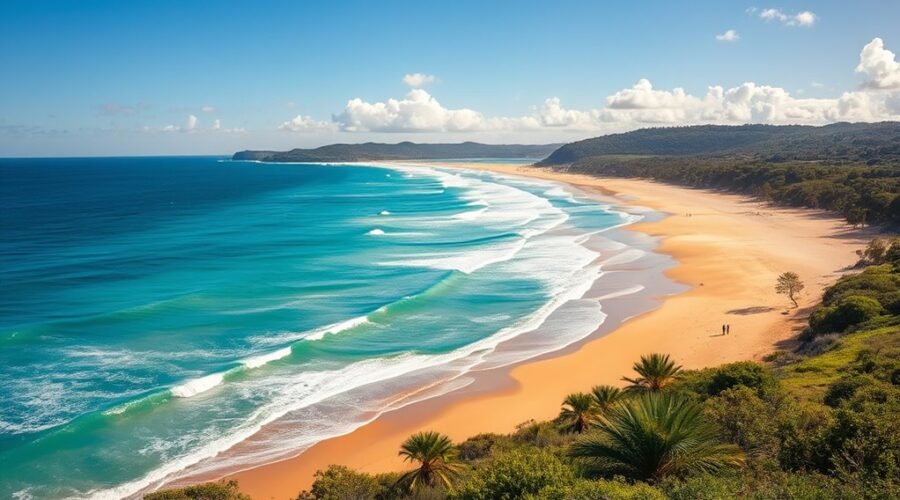
Planning a trip to Coffs Harbour? The month you choose can make a big difference to your beach days, whale-watching opportunities, accommodation costs, and time spent in the rain. This coastal city in New South Wales has warm summers, mild winters, beautiful beaches, and a lush hinterland. But the best time to visit depends on what you want to do.
Quick Answer
The best time to visit Coffs Harbour is September to November or April to May for comfortable weather and a good balance of crowds and costs. December to February suits beach holidays, while June to October is ideal for whale watching. Avoid major school holidays if you want quieter accommodation and more flexibility.
Key Takeaways
- Best overall: September–November and April–May offer pleasant weather and opportunities to avoid the busiest holiday periods.
- Best for swimming: December–February generally brings the warmest beach weather, but March and April can also be comfortable.
- Best for whale watching: May–November, with peak viewing generally between June and October.
- Best for lower costs: Try midweek stays outside school holidays and major events.
- Wet-weather consideration: March is particularly wet in the local climate record, while July and September have comparatively lower average rainfall.
- Beach safety: Swim between the red-and-yellow flags at a currently patrolled beach. Patrol seasons vary by location.
Best Time to Visit Coffs Harbour by Weather, Crowds and Cost
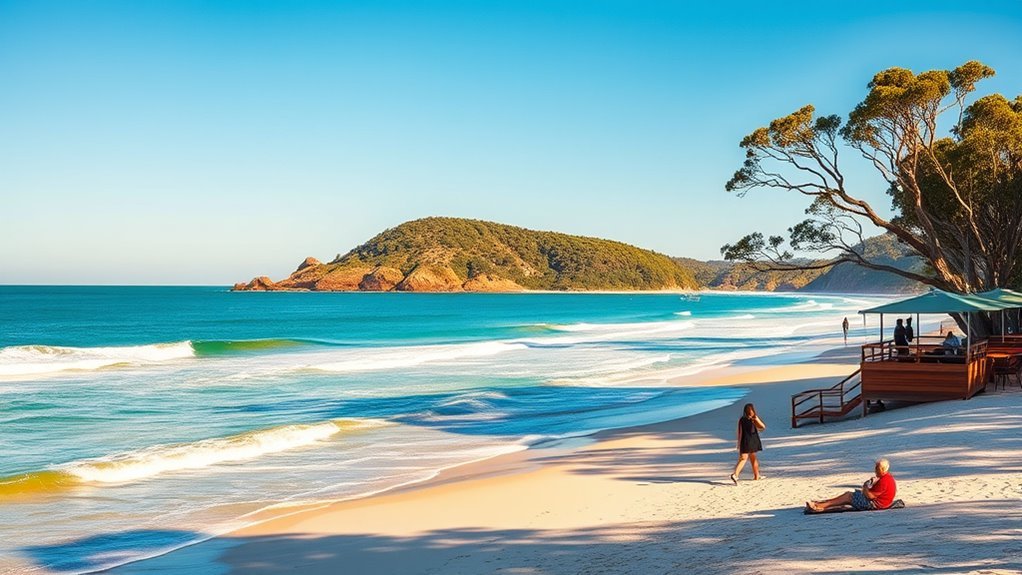
If you want warm days for coastal walks, outdoor attractions, and occasional beach swims without the full summer holiday rush, aim for late spring or autumn.
September and October are good choices for walking and exploring the hinterland. November brings warmer beach weather, although rainfall can increase. April and May are pleasant for sightseeing, with cooler evenings as autumn progresses.
For a flexible coastal holiday, choose a weekday stay in spring or autumn and plan your beach activities around the daily weather and surf conditions.
If swimming is your main priority, summer offers warmer air and water. If you are visiting for wildlife, the cooler months bring the opportunity to watch humpback whales migrate along the coast.
For value, compare accommodation in different parts of town, including the Jetty precinct, Park Beach, Sawtell, and nearby Woolgoolga. Rates depend on the property, travel dates, and local demand.
Pro Tip: If your dates are flexible, compare Tuesday-to-Thursday stays with Friday-to-Sunday stays. Check the total price, including cleaning, parking, booking, and cancellation charges, rather than relying on the advertised nightly rate.
Coffs Harbour Weather by Season
Coffs Harbour has a humid subtropical climate, with warm summers and mild winters. Its coastal setting helps moderate temperatures, but rainfall can be substantial, particularly in late summer and early autumn.
According to the Bureau of Meteorology’s Coffs Harbour Airport climate statistics, average daily maximum temperatures range from approximately 20°C in July to 28°C in January.
These are historical climate averages, not a forecast for your travel dates. Actual temperatures and rainfall can vary considerably.
Summer Temperatures and Rainfall: December–February
Summer brings warm, humid weather and long days for swimming, surfing, and exploring the coast.
Typical daytime maximum temperatures are around 27–28°C (81–82°F), with overnight minimums near 19–20°C (66–68°F).
You can enjoy beach mornings, outdoor dining, and coastal walks, but humidity and rain are part of the season.
February is particularly wet in the local climate record, and heavy showers or thunderstorms can interrupt outdoor plans. Keep a flexible schedule rather than assuming every summer day will be sunny.
Summer is also a popular family travel period. Accommodation and attractions can be especially busy around Christmas, New Year, and the January school holidays.
Best summer activities: Patrolled beach swimming, surfing lessons, coastal picnics, and early-morning walks.
Autumn Weather Patterns: March–May
Autumn brings a gradual change from warm, humid summer weather to cooler and more comfortable conditions.
March can still feel like summer, with average daytime highs around 27°C (81°F). By May, typical maximum temperatures fall to about 22°C (72°F).
However, autumn is not automatically dry.
The Bureau of Meteorology’s Coffs Harbour Airport figures show that March has particularly high average rainfall. Heavy rain can affect beaches, walking tracks, and hinterland roads.
April and May can be pleasant for sightseeing, but you should still check the forecast before booking weather-dependent activities.
- March: Warm conditions remain, but allow for substantial rainfall.
- April: Comfortable temperatures for coastal walks and outdoor attractions.
- May: Cooler mornings and evenings, with the beginning of the wider whale-watching season.
Best autumn activities: Exploring Sawtell, visiting local markets, walking coastal trails, and taking day trips into the hinterland.
Winter Sunshine and Coolness: June–August
Winter in Coffs Harbour is mild compared with many inland Australian destinations.
Average daytime maximum temperatures sit around 20–21°C (68–70°F), while overnight minimums can fall to approximately 8–9°C (46–48°F).
You’ll want a jacket for early mornings, evenings, and exposed headlands. During the day, comfortable temperatures make walking and sightseeing enjoyable.
July has relatively low average rainfall compared with the wetter months, making winter an appealing time for outdoor exploration.
Winter also brings the main whale-watching period. Look for migrating humpbacks from Muttonbird Island, Woolgoolga Headland, and other elevated coastal viewpoints.
Best winter activities: Whale watching, coastal hiking, scenic drives, photography, and visiting local cafés.
Spring Weather: September–November
Spring is an appealing season for visitors who want warmer weather without the full summer holiday atmosphere.
Average daytime maximum temperatures rise from approximately 23°C (73°F) in September to 26°C (79°F) in November.
September has comparatively low average rainfall in the available local climate record. Rainfall generally increases as summer approaches, although conditions vary from year to year.
Spring is particularly useful if your itinerary combines coastal walks, beaches, wildlife watching, and hinterland sightseeing.
September and October also fall within the whale migration period, giving you opportunities to see humpbacks before the main summer travel season begins.
Best spring activities: Coastal walking, whale watching, exploring the Jetty precinct, and visiting beaches as conditions warm.
Coffs Harbour Weather: Month-by-Month Comparison
The following figures are rounded from Bureau of Meteorology historical averages for Coffs Harbour Airport, station 059151. They provide a planning guide rather than a prediction for a particular year.
| Month | Average High | Average Rainfall | Travel Considerations |
|---|---|---|---|
| January | 28.1°C | 152 mm | Warm swimming weather; busy summer holidays. |
| February | 27.8°C | 249 mm | Warm and humid; allow for substantial rain. |
| March | 26.8°C | 318 mm | Warm conditions, but particularly wet on average. |
| April | 24.9°C | 154 mm | Pleasant sightseeing; check Easter holiday dates. |
| May | 22.3°C | 138 mm | Cooler walks and early whale sightings. |
| June | 20.2°C | 110 mm | Whale watching and winter sightseeing. |
| July | 19.9°C | 61 mm | Cool mornings; comparatively dry. |
| August | 21.1°C | 78 mm | Whale watching and coastal walking. |
| September | 23.2°C | 76 mm | Comfortable outdoor weather; spring holidays affect crowds. |
| October | 24.7°C | 134 mm | Warmer days and late whale-season opportunities. |
| November | 26.1°C | 105 mm | Warmer beach weather before the main summer rush. |
| December | 27.3°C | 160 mm | Summer beach weather; Christmas holiday demand. |
Source: Bureau of Meteorology — Coffs Harbour Airport climate statistics. Values are rounded and based on available historical observations.
Peak Crowd Times and When Coffs Harbour Feels Busiest
Coffs Harbour attracts families, road-trippers, surfers, and visitors exploring the NSW North Coast.
The busiest periods generally coincide with summer school holidays, Easter, long weekends, and major events.
If you prefer quieter streets, easier parking, and more accommodation choices, plan outside these periods where possible.
School Holiday Peaks
School holidays can make popular beaches, cafés, and family attractions noticeably busier.
Travellers from both New South Wales and Queensland contribute to holiday demand, so check both states’ calendars when arranging accommodation.
For 2026, the official NSW public school holiday periods include:
- Autumn: April 7–17.
- Winter: July 6–17.
- Spring: September 28–October 9.
- Summer 2026–27: Beginning December 18, 2026, with the holiday end date varying by school division.
These dates are based on the official NSW school holiday calendar. Check the latest calendar when planning future trips.
To make a school-holiday visit easier:
- Book accommodation early if you need a particular room type or family-friendly property.
- Visit popular attractions and beaches earlier in the day.
- Reserve tours before arrival when places are limited.
- Allow extra driving time during holiday changeover weekends.
Event and Festival Surges
Sporting events, music performances, food festivals, and community celebrations can also increase accommodation demand.
Coffs Harbour hosts events across the city centre, sporting facilities, Jetty precinct, and surrounding communities.
Nearby Bellingen also has an active cultural and arts scene, making it worth checking regional event dates before booking.
Use the City of Coffs Harbour events calendar to check scheduled activities.
If you want to attend an event, book accommodation near the venue when practical. If you prefer a quieter trip, choose dates outside major event weekends.
Accommodation and Travel Costs Through the Year
Accommodation prices in Coffs Harbour depend on the season, property type, booking lead time, and local demand.
December and January can be expensive because of summer holidays. Long weekends and major events may also affect availability.
Outside these periods, you may find more choices and better rates, especially when your dates are flexible.
How to Save on Accommodation
- Compare midweek stays: Check several weekday combinations against weekend prices.
- Look beyond the beachfront: Compare accommodation in the city centre, Park Beach, the Jetty area, Sawtell, and Woolgoolga.
- Check the total price: Include parking, cleaning fees, service charges, and cancellation terms.
- Consider self-catering: A kitchen can help reduce meal costs during longer stays.
- Compare longer stays: Some properties offer weekly rates or special offers.
- Book early for fixed dates: This is particularly useful during school holidays and popular events.
Holiday rentals, motels, caravan parks, and boutique guesthouses all have different pricing structures. Compare what is included rather than assuming one accommodation type is always cheaper.
Flights, Car Rentals and Local Transport
If you are flying, compare fares across several departure dates and include baggage and airport transfer costs.
A rental car can be useful for exploring Bellingen, Dorrigo National Park, and coastal destinations outside the city. However, it is not essential for every visitor staying close to the main urban areas.
Before booking a car, compare the rental rate, insurance excess, fuel costs, parking, and any additional driver charges.
Local buses can help with some journeys, although service frequency and route coverage vary. Use the Transport for NSW Trip Planner to check suitable services.
If you are staying near the Jetty or Park Beach, walking and short local trips may reduce the amount of driving you need.
Best Months for Beaches, Swimming and Water Safety in Coffs Harbour
December to February generally offers the warmest beach weather in Coffs Harbour. November, March, and April can also be suitable for swimming, depending on water temperature and daily conditions.
However, the best swimming conditions cannot be determined by the calendar alone.
Surf, tides, wind, currents, and beach patrol availability all matter.
Popular Swimming Beaches
- Park Beach: The city’s main surf beach, with year-round patrols. Take particular care near the Coffs Creek mouth, where tidal currents can be strong.
- Jetty Beach: Protected from larger swells by the marina breakwall. Council lists daily patrols during the peak summer holiday period, generally December 27 to January 26.
- Sawtell Main Beach: A popular beach with seasonal lifeguard and surf club patrols.
- Woolgoolga Beach: Popular for swimming and surfing, with a longer seasonal patrol period.
- Diggers Beach: Popular with visitors, but patrol coverage is seasonal and should be checked before swimming.
Check the City of Coffs Harbour’s current patrolled beaches information before heading out.
Warning: Always swim between the red-and-yellow flags at a currently patrolled beach. If there are no flags, do not assume the water is safe. Avoid swimming near creek mouths, and never enter the water during dangerous surf or severe weather. In an emergency, call Triple Zero (000).
For beginners, choose a patrolled beach and ask the lifeguards about the day’s conditions. If you are learning to surf, book a lesson with a qualified instructor rather than entering unfamiliar surf alone.
Bring water-resistant sunscreen, drinking water, a hat, and suitable footwear for rocky coastal areas.
Whale Season and Marine Life Sightings Near Coffs Harbour
Whale watching is one of the highlights of visiting the Coffs Coast during the cooler months.
Humpback whales migrate along Australia’s east coast between Antarctic feeding waters and warmer northern breeding grounds.
According to Destination NSW, the main Coffs Coast whale-watching season runs from June to October, although sightings can begin in May and continue into November.
Whales may be visible from coastal headlands, beaches, and boat tours. Sightings are never guaranteed, so allow time for more than one viewing opportunity if this is the main purpose of your trip.
Plan your whale-watching visit between May and November, with June to October offering the main viewing window. Bring binoculars and choose an elevated coastal lookout.
Where to Watch Whales in Coffs Harbour
- Muttonbird Island: Walk from the marina along the breakwall to the island. The Eastern Side lookout offers open views of the ocean and Solitary Islands.
- Woolgoolga Headland: An elevated coastal viewpoint popular with whale watchers.
- Coastal walking tracks: Sections of the Solitary Islands Coastal Walk provide opportunities to scan the ocean from headlands.
- Guided boat tours: A useful option if you want commentary about whale behaviour and the local marine environment.
For the Muttonbird Island lookout, NSW National Parks describes an approximately 2 km return journey from the car park near the breakwall.
The island is an important breeding site for seabirds. Stay on the marked path because burrows beside the walkway are fragile.
Read the official Eastern Side lookout information before visiting.
Note: Muttonbird Island is reached on foot, not by ferry. The paved route includes sloping sections, so visitors with mobility needs should check access suitability before travelling.
If you take a boat tour, choose an operator that follows NSW marine mammal approach rules. Do not attempt to chase, surround, or approach whales yourself.
Dolphins may also be seen along the coast throughout the year, but their appearance is unpredictable.
Best Times for Families, Couples and Budget Travellers
The best time to visit Coffs Harbour also depends on who is travelling with you.
Families: Summer and School Holidays
Summer is convenient for families wanting warm weather, swimming, playgrounds, and outdoor attractions.
Park Beach Reserve offers picnic areas and family facilities, while Jetty Beach is a popular option for a coastal day out.
If you have young children, plan beach visits around lifeguard patrols and choose calmer activities when the surf is rough.
Muttonbird Island is another interesting family outing, provided everyone can manage the walking route and stays on the designated path.
April and September can also work well for family trips, especially when you prefer milder weather.
Couples: Spring and Autumn
Couples looking for a quieter coastal break may prefer September–November or April–May outside school holidays.
Enjoy a morning walk at the Jetty, explore Sawtell’s cafés, visit local galleries, or spend an afternoon overlooking the coastline.
Muttonbird Island offers impressive views across the ocean and Solitary Islands, especially in clear conditions.
For a relaxed evening, explore restaurants around the Jetty precinct or Sawtell.
Budget Travellers: Non-Holiday Weekdays
If your main goal is keeping costs down, travel outside school holidays and major event weekends.
Compare midweek accommodation, consider self-catering, and group nearby attractions together to reduce driving costs.
Free or low-cost activities include beach walks, coastal viewpoints, public parks, and exploring local markets.
Whale watching from a headland is another appealing activity during migration season without needing to book a boat tour.
Shoulder-Season Perks and How to Score Coffs Harbour Deals
Spring and autumn give you opportunities to enjoy Coffs Harbour without the full summer holiday atmosphere.
During these periods, you can explore popular places such as the Jetty, Sawtell, and Muttonbird Island while enjoying mild weather.
Actual crowd levels and prices still depend on school holidays, events, and individual accommodation demand.
To improve your chances of finding a good deal:
- Book outside school holidays: Compare dates immediately before or after holiday periods.
- Check weekday prices: Some properties have lower rates outside weekends.
- Compare booking conditions: A slightly higher flexible rate may be useful when rain could affect your itinerary.
- Check package offers: Ask local operators about available combinations of accommodation, tours, or activities.
- Explore free attractions: Visit coastal viewpoints, walking tracks, beaches, and community markets.
Don’t assume that every shoulder-season booking is discounted. Compare current prices before deciding.
Practical Travel Tips to Avoid Bad Weather, Crowds and Extra Costs
A flexible itinerary makes it easier to enjoy Coffs Harbour when weather or travel plans change.
Check the forecast shortly before departure and again during your stay. For activities involving the ocean, look at surf and beach conditions as well as the general weather forecast.
| Travel Tip | When to Use It | Why It Helps |
|---|---|---|
| Visit popular beaches early | Busy weekends and holidays | Parking may be easier, but wait for patrols before swimming. |
| Check the forecast | Before outdoor activities | Helps you plan around rain, wind, and severe weather. |
| Choose flexible bookings | Rain-prone travel periods | Allows changes when conditions affect your plans. |
| Shop at local markets | During your stay | Offers opportunities to buy local produce and picnic supplies. |
| Check road conditions | Before highway and hinterland trips | Helps identify closures, roadworks, and weather disruptions. |
What to Pack for Coffs Harbour
Pack for warm coastal conditions, occasional rain, and cooler evenings.
- Light, breathable clothing for summer and warmer spring days.
- A jacket or extra layer for winter mornings and evenings.
- A lightweight rain jacket for changing weather.
- Broad-spectrum, water-resistant sunscreen and a sun hat.
- Comfortable walking shoes for coastal and hinterland trails.
- Swimwear and a towel if beach activities are planned.
- Binoculars for whale watching and birdlife.
- A reusable water bottle and phone charger.
What to Do When It Rains
Rain does not have to ruin your trip.
If the beach or walking tracks are unsuitable, explore local cafés, restaurants, galleries, and indoor attractions.
Yarrila Place in the city centre is a useful option for visitors interested in art, local culture, and library facilities.
You can also explore the Jetty precinct when conditions improve or enjoy local food without committing to a weather-dependent activity.
During heavy rain, avoid flooded roads and do not enter closed walking tracks.
Day Trips Worth Planning
Coffs Harbour makes a convenient base for exploring the wider region.
- Bellingen: Explore its cafés, shops, arts scene, and surrounding countryside.
- Dorrigo National Park: Discover rainforest scenery and walking opportunities along Waterfall Way.
- Emerald Beach: Enjoy a quieter coastal setting and nearby viewpoints.
- Woolgoolga: Visit the beach, cafés, and headland, especially during whale season.
- Sawtell: Spend time around the village, beach, and coastal viewpoints.
For longer coastal walks, sections of the Solitary Islands Coastal Walk offer beaches, headlands, and wildlife-viewing opportunities.
Before heading into Dorrigo National Park, check the official park alerts. Access and walking tracks can be affected by maintenance, heavy rain, and temporary closures.
Warning: As of September 2026, NSW National Parks reports a closure affecting the Lyrebird Link track at Dorrigo, with a temporary steep detour unsuitable for wheelchairs and prams. Check current access arrangements before visiting. Never enter closed areas or drive through floodwater.
Frequently Asked Questions
What local festivals or events affect travel plans in Coffs Harbour?
Sporting events, music performances, food festivals, and school-holiday activities can increase visitor numbers and accommodation demand. Check the City of Coffs Harbour events calendar and regional event listings before booking. If you are visiting for a particular event, reserve accommodation early.
Are there accessible transport options for visitors with mobility needs?
Accessible travel options are available, but suitability depends on the route, vehicle, stop, and destination. Transport for NSW provides an accessible trip-planning filter. Jetty Beach also has accessible beach facilities and free beach wheelchairs that can be booked through the council. Check access requirements before travelling, particularly for national park walking tracks.
Plan an accessible public transport journey or check Coffs Harbour beach wheelchair availability.
What are the best day-trip destinations from Coffs Harbour?
Popular day trips include Bellingen for cafés and local culture, Dorrigo National Park for rainforest scenery, Woolgoolga for coastal views, and Emerald Beach for a relaxed beach outing. Muttonbird Island is a convenient shorter excursion within Coffs Harbour itself.
Is it safe to drive the Pacific Highway during holiday weekends?
The Pacific Highway is a major travel route, but holiday traffic, roadworks, accidents, and severe weather can affect journeys. Allow extra time, take regular rest breaks, and check Live Traffic NSW before leaving. Never drive through floodwater or ignore road closures.
Where are the best spots for local food and farmers’ markets?
Coffs Coast Growers Markets operates at City Square on Harbour Drive every Thursday, generally from 8:00 am to 2:30 pm. You can shop for seasonal produce, bread, honey, nuts, seafood, and other regional products. The Jetty precinct, Sawtell, and Bellingen are also worth exploring for cafés and local dining.
Which month has the best weather in Coffs Harbour?
September and October are appealing for comfortable sightseeing weather, while November is warmer for beach activities. April and May are also good choices for exploring the coast. The ideal month depends on whether you prefer swimming, walking, or whale watching.
When is whale watching season in Coffs Harbour?
Whales may be seen from May through November, with the main viewing period generally running from June to October. Muttonbird Island and Woolgoolga Headland are popular land-based viewing locations. Sightings depend on migration patterns, visibility, and daily conditions.
What is the wettest month in Coffs Harbour?
March has the highest average rainfall in the available Bureau of Meteorology Coffs Harbour Airport climate record, at approximately 318 mm. February is also wet on average. Rainfall varies considerably between individual years, so check the forecast for your exact travel dates.
Conclusion
The best time to visit Coffs Harbour depends on the kind of holiday you want. Choose September–November or April–May for comfortable sightseeing weather and opportunities to avoid peak holiday crowds. Visit in summer for warmer swimming conditions, or plan a winter and spring trip if whale watching is your priority.
Keep an eye on school holidays, local events, surf conditions, and weather forecasts before booking. A flexible itinerary, suitable clothing, and a few backup activities will help you make the most of the coast and hinterland.
Whether you’re exploring the Jetty, walking Muttonbird Island, relaxing at Sawtell, or heading inland to Dorrigo, Coffs Harbour has worthwhile experiences throughout the year.
Sources
- Bureau of Meteorology — Coffs Harbour Airport Climate Statistics — historical monthly temperature and rainfall averages.
- NSW Government — School Holiday Dates — official 2026 and future school holiday calendars.
- City of Coffs Harbour — Patrolled Beaches — local patrol coverage and beach safety information.
- Destination NSW — Coffs Coast Whale Watching — seasonal whale migration and viewing information.
- NSW National Parks — Eastern Side Lookout — Muttonbird Island access, wildlife, and whale-watching information.
- City of Coffs Harbour — Coffs Coast Growers Markets — official market location, operating schedule, and produce information.