If you’re weighing when to visit Gympie, Queensland, think late winter to early spring for mild 20–25°C days, clear skies, and easy outdoor plans. Winter brings cooler, drier weather and fewer crowds if you want a budget-friendly stay, while spring adds festivals and warmer hiking conditions. Summers get hot, humid and wet, so timing your trip matters — here’s how to choose dates, save money and avoid the busiest times.
Key Takeaways
- Late winter to early spring (August–September) offers the best balance of mild weather, sunny days, and manageable crowds.
- Visit in spring (Sept–Nov) for warm days, festivals, and longer daylight without peak summer heat.
- Winter (May–Aug) delivers cooler, drier conditions, lower accommodation costs, and quieter attractions.
- Avoid peak summer (Dec–Feb) due to high heat, humidity, storms, and potential flash flooding.
- Book ahead for events, choose shoulder seasons for savings, and use weekday stays or local transport to cut costs.
Best Time to Visit Gympie : Quick Picks by Priority
If you want the sun, mild temperatures and festival buzz, plan your Gympie visit for late winter to early spring (August–September); you’ll enjoy clear days, comfy 20–25°C highs and the seasonal events that bring the town to life.
For a quick-priority list, pick options that free you:
1) Outdoor explorers — prioritize scenic hikes and river walks at Gympie’s reserves for the best activities that reconnect you with open sky.
2) Culture seekers — time your trip for local festivals and heritage tours; they spotlight local attractions and let you tap into community energy.
3) Food and market lovers — aim for market weekends to taste regional produce and artisan goods while mingling with locals.
4) Relaxation-first travelers — choose quieter shoulder days between events for easy accommodation rates and peaceful streets.
Each pick helps you choose freedom over routine, letting you craft an itinerary that suits your pace and curiosity.
Winter (May–August): Dry Days, River Swims, Low Crowds
Though days are drier and cooler from May to August, you’ll still find plenty of sun—perfect for river swims when the water’s crisp and clear. You can wake early, slip into the Gympie River and feel the shock of cold turn into exhilaration; river exploration here is intimate and freeing, with quiet banks, native bird calls, and pockets of warm rock to dry off on.
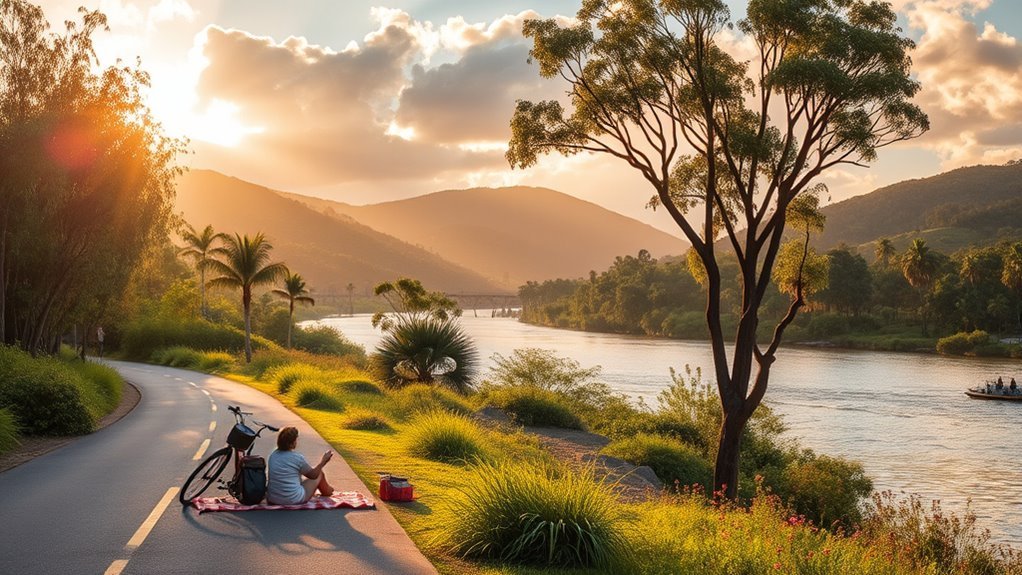
Days are ideal for low-key winter activities: hiking shaded trails, cycling uncrowded country roads, or picnicking without summer flies. Accommodation rates and crowds drop, so you can claim a riverside cabin or historic B&B and set your own pace.
Nights cool enough for a jacket and a campfire; the stars feel closer. If you want space to breathe, move at your own tempo, and connect with water and bush without the bustle, Gympie in winter hands you that liberty—clear days, calm rivers, and time to explore on your terms.
Spring (Sept–Nov): Festivals, Warm Weather, Moderate Crowds
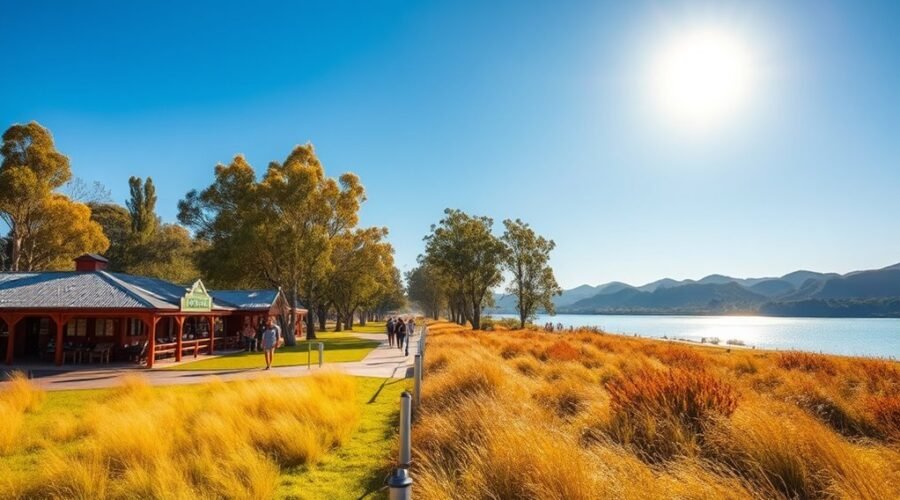
As flowers unfurl and temperatures climb, spring in Gympie brings bright, warm days that invite you outdoors to enjoy festivals, farmers’ markets, and riverside strolls. You’ll find spring festivals popping up across town, offering live music, local food, and artisan stalls that let you shed routine and connect with community.
With warm weather easing you into longer daylight, you can plan hikes in nearby ranges, lazy afternoons by the Mary River, or sunrise coffees on open verandas.
Crowds swell compared with winter but stay moderate—enough energy to feel vibrant without overwhelming freedom-seekers. Accommodation and transport are easier to book than in peak months, though weekend events can fill popular spots, so reserve ahead when you can.
Pack light layers for cool mornings, breathable fabrics for midday warmth, and sensible shoes for uneven trails and market lanes. Spring in Gympie rewards you with approachable adventure, cultural buzz, and a breeze of liberation that nudges you to explore.
Summer (Dec–Feb): Hot, Humid, Wet – When to Expect Storms
Spring’s mild buzz gives way to Gympie’s summer intensity, when heat and humidity rule and storm season shapes your plans.
You’ll feel the air thicken as daytime highs climb into the high 20s–30s°C and afternoon cells build fast over the ranges. Rain often arrives in heavy, brief bursts—pulse storms that can bring flash flooding, frequent lightning, and sudden drops in visibility.
Watch local forecasts and practice storm safety: avoid low-lying river crossings, unplug electronics, and seek shelter if lightning is active.
Nights stay muggy, so pack breathable fabrics and use humidity tips like loose layers, moisture-wicking shirts, and a portable fan to rest easier.
You can still roam freely; mornings, early evenings, and protected trails offer sweet reprieves. Embrace the dramatic skies and lush landscape, but respect the season’s volatility.
With awareness and the right gear, you’ll savor Gympie’s wild summer without surrendering your comfort or safety.
Gympie Planning & Budget Tips: Booking, Savings, Event Traps
1 smart booking move can save you a lot: plan accommodations and key activities well ahead of major events like the Gympie Music Muster and local race days, because prices spike and availability disappears fast.
You’ll lock in budget accommodations by booking early, choosing weekday stays, or opting for hostels and holiday parks just outside town. Keep an eye on council event calendars and sign up for venue newsletters so you catch presale offers and local discounts.
Be strategic with transport and food—carpool, use regional buses, and shop markets for picnic supplies to resist tourist-trap prices.
If you crave freedom, pick shoulder seasons: you’ll enjoy thinner crowds and cheaper eateries without sacrificing atmosphere.
Watch for “event trap” fees—parking surcharges, compulsory donations, or packaged tours that seem cheap but bundle expensive extras. Read terms, compare a la carte options, and negotiate group rates.
With planning, you’ll stretch your budget and savor Gympie on your own liberated terms.
Frequently Asked Questions
Are There Guided Tours of Gympie’s Gold Mining Sites?
Yes — you can join guided exploration tours of Gympie’s gold mining history; you’ll explore shafts, relics, and stories with expert guides who’ll liberate local myths, spark curiosity, and empower you to connect deeply with mining heritage.
What Native Wildlife Can I Expect to See Nearby?
You’ll spot kangaroos, wallabies, koalas, echidnas, diverse birds and reptiles across native animals in local ecosystems; you’ll feel liberated exploring woodlands, wetlands and riparian zones, learning how each species shapes resilient, interconnected landscapes you’ll help protect.
Is Public Transport Reliable Within Gympie Town?
Honestly, public transport in Gympie’s modest network is limited but usable: you’ll find buses and trains as public transport options, though transport schedules can be sparse, so plan ahead and embrace flexible, independent movement.
Are There Child-Friendly Activities or Playgrounds?
Yes — you’ll find child-friendly parks and playgrounds with good playground safety, plus outdoor adventures like riverside walks and picnic spots. You’ll feel free exploring safe play areas that spark kids’ curiosity and bold outdoor fun.
Can I Rent Kayaks or Paddleboards Locally?
Yes — you can rent kayaks and find paddleboard availability locally; you’ll launch into peaceful rivers, explore mangroves, and feel free. Providers offer hourly or daily hires, safety gear, and tips to empower your adventure.
Conclusion
You’ll think you’d choose Gympie for sun and festivals, yet the quiet, cool winters — 20–25°C, clear skies, empty streets — quietly steal the show. Spring’s blooms and events dazzle, then summer storms theatrically crash the party. So pack a hat, a light jumper and timing: savor low rates and river swims in winter, chase warm hikes in spring, and only brave summer if you like dramatic weather and humid applause. Smart planning gets the best scenes.