
You might think Tin Can Bay is only worth a summer trip, but its dry season from April to October often offers the best mix of weather, wildlife and lower costs. You’ll find warm, sunny days, calm waters for boating and fishing, and quieter stretches ideal for dolphin encounters and birdwatching. Keep going to see which months match your priorities—budget, solitude or specific activities—to pick the right dates.
Compare our seasonal guides to Queensland, Australia and Southern Great Barrier Reef, Queensland when choosing other stops in Queensland.
Key Takeaways
- Visit April–October (dry season) for sunny days, lower humidity, calm waters, and ideal outdoor conditions.
- Expect highest crowds and prices in school holidays and peak summer; book accommodations early.
- For warmer water activities, plan October–April when swimming, boating, and snorkeling are best.
- Dolphin-watching peaks August–November; opt for shoulder months for wildlife with fewer boats.
- Travel May–July for quieter beaches, lower costs, and calm seas, but pack a light jacket for mornings.
Best Time to Visit Tin Can Bay : Quick Recommendation
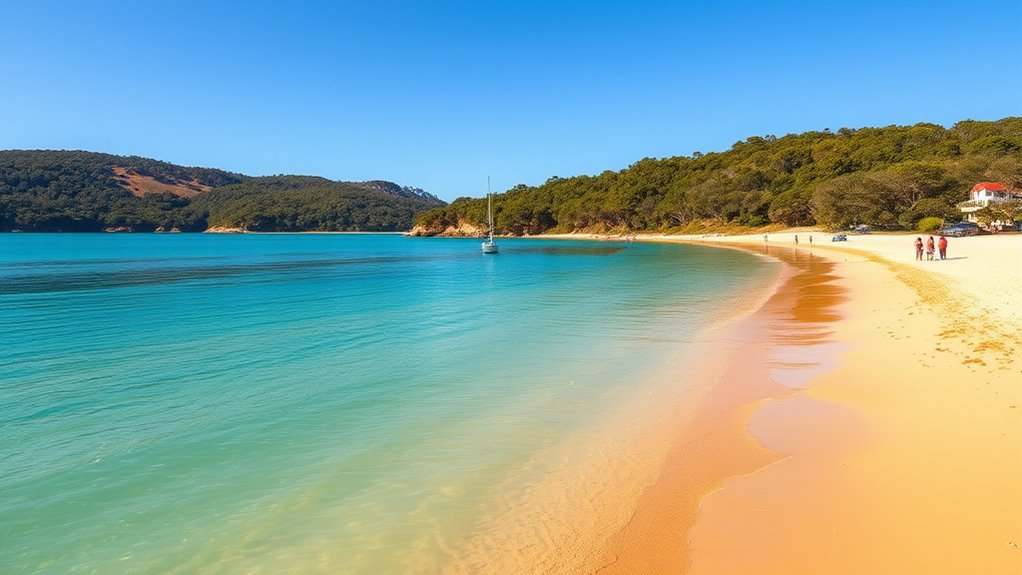
The best time to visit Tin Can Bay is during the dry season from April to October, when sunny days, calm waters, and lower humidity make outdoor activities more enjoyable. You’ll find calmer boat trips, clearer visibility for fishing and wildlife watching, and better conditions for the monthly dolphin-feeding at low tide.
Visit Tin Can Bay April–October for sunny, calm days—perfect for clearer fishing, wildlife watching, and dolphin-feeding.
You’ll arrive ready to move freely, shedding routine constraints as you stroll the foreshore and join community markets or local events that pulse with genuine, small-town energy.
Plan with practical travel tips: book boat tours early, bring reef-safe sunscreen, and time low-tide walks for better shore exploration. You’ll notice fewer crowds and steadier weather, so spontaneous choices feel less risky and more liberating.
Whether you’re fishing, birdwatching, or simply breathing salt air, you’ll appreciate concise logistics, like where to park, which cafes open early, and how to sync your schedule to guided activities—details that let you reclaim time and savor each unhurried moment.
Seasonal Weather Snapshot: Summer, Autumn, Winter, Spring
While each season brings its own rhythm to Tin Can Bay, you’ll find clear patterns that help plan activities:
Summer is hot and humid, with long sunlit days that invite beach activities and late evenings by the water; storms can roll in, so you’ll welcome flexible plans.
Autumn cools gradually, offering dry, pleasant weather that frees you to explore shorelines and join local festivals without the summer crowds.
Winter is mild and crisp — perfect if you crave calm, clear skies, quiet beaches, and birdwatching; you’ll enjoy lower prices and peaceful walks.
Spring warms up with balmy breezes, flowering landscapes, and an energetic vibe that encourages kayaking and shoreline picnics, while community events pick up pace.
Across the year, weather patterns shape what you’ll do more than rigid rules: choose warmth and conviviality, or seek solitude and clarity.
Each season hands you different freedoms; plan around conditions to make the most of Tin Can Bay.
Best Months for Boating, Fishing & Warm Water
Because water temperatures and weather patterns line up most predictably from late spring through early autumn, you’ll find the best months for boating, fishing and warm-water swimming in Tin Can Bay run roughly from October to April.
During this stretch the bay warms to inviting levels, winds are more settled, and you can steer toward hidden coves or glide across glassy flats. You’ll relish early mornings when light breaks over calm water and afternoons that hold steady warmth.
The bay softens into calm warmth—early morning light on glassy flats, afternoons holding steady, perfect for finding hidden coves
You should check local boating regulations before you launch — markers, speed limits, and protected zones matter here.
Bring gear suited to inshore techniques: light spin rods, soft plastics, and live bait work well around mangrove channels and tidal gutters.
Practice catch-and-release if you’re aiming for conservation-minded freedom.
Whether you want to explore by kayak or motorboat, these months give you dependable conditions for productive fishing techniques and relaxed, liberating days on the water.
Best Months for Dolphin Encounters & Wildlife Watching
If you want reliable dolphin sightings, visit during the peak season when pods are most active and feeding close to shore.
For quieter wildlife experiences—birdwatching and solitary shorelines—choose the shoulder months when fewer visitors mean calmer habitats.
Either way, timing your trip around these windows boosts your chances of memorable encounters.
Peak Dolphin Season
When you visit Tin Can Bay between late winter and early autumn, you’re stepping into the bay’s prime dolphin-watching months—typically August through November—when water temperatures, food availability, and tidal patterns bring pods closer to shore.
You’ll witness confident dolphin behavior: bow-riding, coordinated turns, and surface hunting that reveals their social intelligence. These months align with peak feeding patterns as baitfish move into the shallows, letting you watch natural rhythms up close without disturbing them.
Go early or late in the day for softer light and calmer water; operators follow strict guidelines so you can feel liberated while observing ethically.
Bring binoculars, a quiet mindset, and respect for space—your presence should enhance your freedom, not disrupt the wild order.
Quiet Wildlife Months
Wondering when Tin Can Bay feels most tranquil for wildlife watching? You’ll find that late autumn to early winter (May–July) delivers calm waters, fewer boats, and quieter shorelines, so you can move freely and witness dolphins with minimal disturbance.
Birdsong fills the mangroves at dawn; you’ll follow nature trails that reveal shy wallabies and migratory shorebirds. For wildlife photography, soft light and cooler air sharpen colors and slow animal activity, giving you deliberate moments to compose shots.
Nights are clearer, stars reclaim the sky, and daytime crowds thin, so your experience feels intentional and freeing. Visit on weekdays, arrive early, and respect habitats—this way you get intimate encounters while protecting the very wildness you came to reclaim.
Low Season Perks: Quieter Stays, Lower Costs & Birdwatching
Although Tin Can Bay’s low season brings a few cooler, wetter days, it also hands you quieter streets, easier bookings, and noticeably lower prices—perfect if you want a relaxed stay without the crowds.
You’ll find birdwatching hotspots along the estuary less crowded, so you can linger without hurry and notice subtle behaviors other visitors miss. Accommodation rates dip and local cafés feel more personal; you can choose where to wake up and how slow your mornings unfold.
This is prime time for tranquil escapes that feel intentionally yours: shoreline walks, reflective tides, and long lenses trained on kingfishers, ibises, and egrets.
Weather won’t stop you from exploring if you pack layers and a waterproof shell. Plan shorter, flexible days and you’ll enjoy liberated rhythms—time measured by bird calls and light rather than schedules.
Low season gives you space, savings, and a quieter connection to Tin Can Bay’s wild side.
High Season: Crowds, Prices & Booking Tips
If you visit Tin Can Bay during high season, expect bustling foreshore cafés, fuller bird hides, and a noticeable jump in accommodation rates — so book early to lock in the spots you want.
You’ll find vibrant high season activities: guided cruises, fishing charters, and lively markets that draw visitors to the town’s best tourist attractions. Crowds cluster at sunrise and late afternoon as people chase light and wildlife, so plan quieter windows for solitude.
Prices climb for rooms, tours, and weekend dining, but savvy booking saves you freedom: choose refundable rates, compare small guesthouses with larger hotels, and snap up midweek stays.
Use local operators’ newsletters and social feeds for last-minute openings. Respect busy sites—arrive early, move gently through bird hides, and leave no trace.
With deliberate choices you’ll enjoy the energy without surrendering calm, experiencing Tin Can Bay’s community and nature on your own empowered terms.
Seasonal Packing, Activities & Transport
Because Tin Can Bay’s weather and wildlife rhythms shift through the year, pack and plan to match the season so you’re comfortable and make the most of local activities and transport options.
You’ll want lightweight, quick-dry clothing for muggy summers, a light windbreaker for cool winter mornings, reef-safe sunscreen, insect repellent, and a reusable water bottle.
Think freedom: pack less, move more, and let the inlet shape your days.
- Summer: breathable layers, sunhat, snorkel gear for bay exploration, and seasonal packing that prioritises sun protection.
- Winter: warm mornings, calmer seas—bring a light jacket and powerful binoculars for birding and whale-spotting.
- Activities: schedule dawn manatee-spotting, kayaking, fishing charters, and relaxed coastal walks to connect with place.
- Transport tips: hire a car for flexibility, check ferry and charter schedules in advance, and use bike paths for short, liberating trips along the foreshore.
Choose Your Dates by Budget, Solitude or Activities
Now that you’ve matched gear and timing to Tin Can Bay’s seasons, pick the specific dates that meet your priorities: lower cost, quieter shores, or peak wildlife activity.
If budget matters, aim for shoulder months (late autumn or early spring) when accommodation dips and you’ll find budget friendly activities like guided mangrove walks and self-guided fishing from the shore.
For solitude, choose weekday stays outside school holidays; quiet retreat options cluster in local cottages and low-key caravan parks where mornings stretch unhurried and the bay belongs to you.
If wildlife drives you, book around annual feeding and migration windows—dawn tours in winter bring dugongs and birdlife into clear view.
Mix priorities: arrive midweek in shoulder season for lower rates, fewer people, and active wildlife.
Check event calendars and small-operator availability; flexibility lets you swap a noisy weekend for a calm, cost-effective escape that tastes like freedom.
Frequently Asked Questions
Are There Accommodation Options With Direct Beach Access in Tin Can Bay?
Yes — you’ll find beachfront hotels and rental cottages with direct beach access in Tin Can Bay; you’ll wake to waves, claim open shoreline, and choose liberated stays that blend simple comforts with immediate seaside freedom and observational coastal charm.
Can I Combine a Tin Can Bay Trip With Fraser Island Day Tours?
Yes — you can, and it sings like waves: combine Tin Can visits with Fraser Island tour packages easily; choose flexible tour packages, pack light, book early, and follow travel tips to maximize freedom and adventurous, liberating exploration.
Is Public Transport Available From Brisbane to Tin Can Bay?
Yes — you can take public buses and shuttles from Brisbane to Tin Can Bay; check bus schedules, expect transfers, and use travel tips to stay flexible and free, embracing spontaneous stops and local connections for liberation.
Are There Guided Cultural or Indigenous Tours Nearby?
Like a hidden song, yes—you’ll find guided cultural or indigenous tours nearby that explore indigenous history and offer immersive cultural experiences; you’ll learn, reflect, and feel empowered as guides share stories, sites, and hands-on practices.
What Medical Facilities and Pharmacies Are in Town?
You’ll find a small medical center with local doctors and a pharmacy in town; for medical emergency you’ll be transferred to Gympie or Hervey Bay hospitals, so plan accordingly and assert your care needs confidently.
Conclusion
You’ll want to aim for April to October — it’s basically nature’s VIP season, with perfect skies and waters that practically beg you to splash in them. Expect pleasant days, fewer people and smarter prices, so you can actually hear birdsong and spot dolphins without elbowing strangers. If you crave solitude, go shoulder-season; if you want peak activity, brace for company. Pack light, plan ahead, and let the bay surprise you.