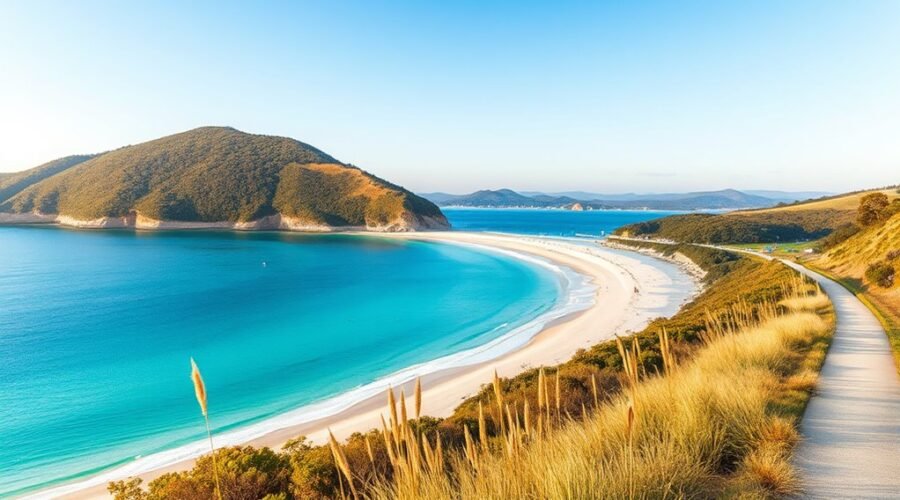
Imagine sunlight rippling off a calm bay as a pelican wheels low, and you can almost feel the relief of quieter trails and cooler evenings on Straddie. You’ll find the best balance in the shoulder months—fewer crowds, gentler seas for snorkeling, and lower prices—yet the island still hums with wildlife and local events that make timing matter. Keep going to pick the month that matches your priorities.
Key Takeaways
- Visit in winter (June–August) for calm seas, bright days, and peak whale-watching with smaller crowds and stable costs.
- Choose shoulder seasons (April–May, Sept–Nov) for drier weather, quieter beaches, and lower accommodation and ferry prices.
- Summer (Dec–Mar) offers warm water and surfing but brings heat, afternoon storms, high crowds, and peak-season fares.
- Midweek travel anytime reduces ferry congestion, lodging costs, and parking hassles compared with weekends and school holidays.
- Book ferries and tours early for peak dates; be flexible in shoulder months for last‑minute discounts and empty trails.
Quick Decision Guide: Which Month on Straddie Fits Your Priorities
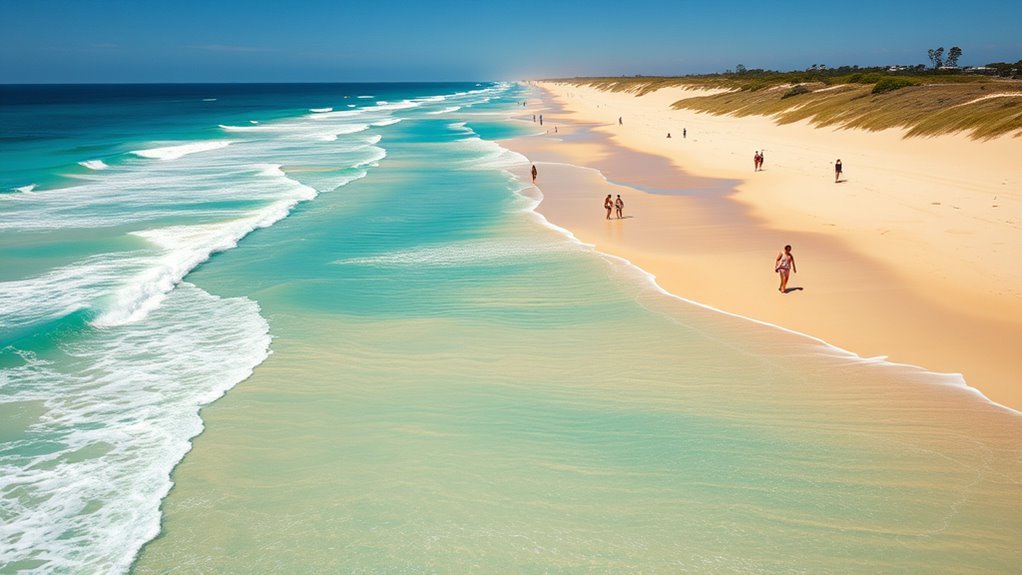
If you’re short on time and just want to pick the best month for your priorities, start by matching the island’s seasons to what matters most: hot, sun-soaked days and surf-friendly conditions from December to March; calm, clear-water swimming and whale sightings in June–August; and quieter, budget-friendly stays with mild weather in April–May and September–November.
You’ll want December–March if you crave adrenaline, long beach days, and social energy—book early for peak spots and surf lessons.
Choose June–August to breathe, watch humpbacks glide, and snorkel in glassy bays; those months free you to slow down and feel expansive.
Choose June–August to breathe, watch humpbacks glide, and snorkel pristine, glassy bays—months made for slow, expansive wandering
April–May and September–November reward you with lower prices, easier parking, and empty trails—ideal if liberation means escaping crowds.
Time cultural festivals to catch community performances and sample local cuisine at pop-up stalls; those events connect you to island life.
Pick the month that amplifies what you value, and you’ll leave feeling unburdened and renewed.
Straddie Weather by Season: Temps, Rain and Sea Conditions
While seasons shift, Straddie’s weather stays straightforward: summers (December–March) bring hot, humid days, frequent afternoon storms and lively southern swells that lure surfers; autumn (April–May) cools to milder, drier conditions with calmer seas ideal for beach walks and snorkeling; winter (June–August) is crisp and clear with cooler air, low rainfall and often glassy water perfect for whale-watching and safe swimming; and spring (September–November) ramps warmth and occasional nor’easters, offering sunny, breezy days that make hiking and fishing comfortable.
Expect summer highs around mid-20s–low 30s°C and humidity that pushes you outdoors early or late; autumn drops into pleasant high teens–mid-20s with fewer storms; winter lows hit about 10–15°C nights and bright days invite exploration; spring climbs steadily with unpredictable coastal gusts.
Rain concentrates in summer, easing through autumn into dry winters. Sea temperatures follow air trends, warming in summer and cooling in winter.
Time your visit to match your energy—surfing, strolling, or simply escaping—and enjoy local festivals and simple local cuisine that celebrate Straddie’s free, unhurried spirit.
Swimming & Snorkeling on Straddie: Best Months
Because the island’s water warms through spring and peaks in summer, the best months for swimming and snorkeling on Straddie run roughly from November to March, when clarity improves and sea temperatures feel most inviting.
You’ll find coral gutters and calm bays more accessible; currents are gentler in sheltered spots, so you can move freely and savor underwater freedom.
Think turquoise visibility, sun-splashed reefs, and easy exits onto sandy shallows.
- Choose early mornings for glassy water and fewer people.
- Scout mooring safety before anchoring a kayak or small boat.
- Bring a reef-safe sunscreen and a lightweight float for rest.
- Combine a snorkel session with golden-hour sunset photography on the headlands.
- Respect local markers and tidal charts to avoid strong channels.
These months let you swim without haste, discover hidden pockets of marine life, and capture liberating coastal images — all while staying mindful of safety and conservation.
Whale Watching, Wildlife & Birding: Ideal Times
From June to November you’ll spot migrating humpbacks breaching offshore, making winter and spring prime months for whale watching.
Bring binoculars in spring and autumn when migratory and resident birds are most active, and early mornings yield the best birding sightings.
Wildlife is generally busiest at dawn and dusk year-round, so plan quiet, early outings to increase your chances of wallabies, koalas and shorebirds.
Whale Migration Season
If you time your visit between June and November, you’ll catch humpback whales migrating along North Stradbroke Island’s shores, offering some of the best on-water and shoreline watching in Queensland.
You’ll feel the thrill of whale migration as massive bodies arc and spout against open sea; seasonal timing here concentrates sightings, so you can plan with purpose and freedom.
Boats and headlands both deliver intimate encounters; bring binoculars, quiet patience, and respect for wildlife.
This season expands your sense of possibility — watch mothers and calves, breaches, and tail slaps that remind you the wild isn’t tame.
- Peak months: July–September for highest activity
- Best vantage: Point lookout and charter boats
- What to bring: binoculars, camera, windproof layer
- Respect guidelines: keep distance, be silent
- Book tours early to secure spots
Best Birding Months
When spring and autumn roll through North Stradbroke Island, you’ll find the richest birding windows as migrants pass through and resident species become most active.
You’ll walk dunes and wetlands at dawn to catch fairy-wrens, ospreys and migratory shorebirds feeding energetically before heat builds.
Bird migration paints the skies and saltmarshes with motion; you’ll learn routes and rhythms quickly and feel freed by movement.
Take a light scope, keep to paths, and listen—your patience rewards you with vivid encounters without disturbing nests.
Supporting habitat preservation links your visit to lasting freedom for birds; volunteer or follow local guidelines to protect feeding grounds.
Visit in those shoulder seasons and reclaim time among wings and wind.
Peak Wildlife Activity
Spring and autumn birding windows often signal more than just avian activity — they also herald peak wildlife movements across land and sea, so plan your visit to catch whales, dolphins and shorebirds at their liveliest. You’ll witness powerful marine mammal sightings as humpbacks migrate offshore and playful dolphins ride the surf.
On land, shorebirds concentrate along tidal flats while rangers note increased nocturnal reptile activity in dune edges after warm rains. Move deliberately, stay quiet, and you’ll feel liberated watching life unfold.
- Time your walks for dawn and dusk for best viewing
- Join a guided boat for safe whale encounters
- Explore tidal flats at low tide for shorebird gatherings
- Head out after rain for nocturnal reptile activity
- Respect habitats to keep wildlife wild
Peak Times & School Holidays: Crowds and What to Expect
If you visit during school holidays you’ll notice beaches, ferries, and cafés filling up quickly, so plan for congestion.
Expect peak season prices on accommodation and tours, and book early to lock in the best options.
Even with crowds, popular activities still run regularly—just anticipate limited availability and earlier sell-outs.
School Holiday Crowds
Because school holidays draw families and day-trippers from Brisbane and the Gold Coast, North Stradbroke Island gets noticeably busier during peak breaks.
You’ll feel the island’s pulse quicken: ferries fuller, local transport schedules stretched, and beachfronts lively.
That energy lifts you — it’s easier to let go and join the collective hum.
Seek quieter coves at dawn, indulge in local cuisine between activities, and move with intention to savor freedom amid the crowd.
- Arrive early to claim peaceful sunrise spots
- Use buses and shuttles to avoid parking stress
- Book ferry crossings with flexible times
- Explore lesser-known walking trails for solitude
- Sample island cafes off the main strip for authentic bites
Embrace crowds as part of the island’s summer song.
Peak Season Prices
While peak times and school holidays fill the island with lively energy, they also push up accommodation, ferry, and activity prices—so plan and book early to avoid sticker shock.
You’ll notice an accommodation price surge around long weekends, school breaks, and any local festival that draws mainland visitors.
Ferries often sell out or add extra sailings, but seasonal transport constraints can still create waits and higher fares, so factor transit cost and time into your freedom to roam.
Vendors hike tour rates when demand spikes, and popular spots sell out fast, so secure what you want ahead of arrival.
If you crave liberation, treat bookings as your passport: lock in lodging and travel now to keep stress low and options wide.
Activity Availability
When school holidays and peak weekends roll around, you’ll find most tours, hire services, and guided experiences booked up fast, so plan your days around what’s actually available rather than hope for on-the-spot options.
You’ll still reclaim freedom by booking key experiences early—cultural tours, sunset picnics, whale watching and 4WD hires fill quickly—while leaving pockets of time to wander empty dunes and secret beaches.
- Reserve cultural tours early to secure meaningful encounters.
- Book sunset picnics and boat trips days in advance.
- Rent 4WDs and bikes before peak mornings.
- Join early-morning walks to dodge crowds.
- Keep one flexible day for spontaneous exploration.
Be decisive: booking smart frees you to roam and experience the island on your own terms.
Seasonal Price Calendar for Straddie: Ferries, Stays & Activities
Curious how much your Straddie trip will cost across the year? Peak summer weekends hike ferry fares and accommodation; you’ll pay more for beachfront stays, guided tours, and restaurants showcasing local cuisine.
Shoulder seasons ease prices—self-catering cottages and camping transport options become more flexible, letting you stretch a budget while still enjoying warm days.
Watch for school holidays and long weekends: activity operators add surcharges and popular experiences sell out fast. Midweek travel slashes nightly rates and gives you bargaining power at smaller B&Bs and kayak hire. Book early for peak events to avoid premium last-minute fees; conversely, booking last-minute in quieter months can net spontaneous discounts if you’re willing to adapt.
If you crave freedom, plan around shoulder windows: mix budget camping with occasional splurges on seafood dinners and eco-tours. That balance liberates your itinerary without breaking the bank, letting you choose when to indulge and when to conserve.
Quiet-Season Benefits: Lower Crowds, Costs and Better Wildlife Viewing
Because the island eases into a gentler pace outside peak months, you’ll find quieter beaches, emptier trails, and far more space to breathe—and that changes everything.
You can walk dunes alone at dawn, feel wind and salt dissolve routine, and watch dolphins or turtles without competing crowds.
Lower demand also nudges prices down: you’ll spot budget accommodations that still feel intimate, and local cafés loosen their schedules so you can linger.
The quieter season sharpens your senses for locallife photography—fewer people in frames, softer light, candid moments of island rhythm.
Wildlife behaves differently when humans thin out; birds feed closer, whales pass with less noise, and nocturnal life emerges undisturbed.
Choosing this time isn’t just about saving money, it’s about reclaiming pace and presence.
- Walk empty beaches at sunrise for perfect locallife photography
- Find affordable, comfortable budget accommodations
- Enjoy intimate encounters with seabirds and wallabies
- Savor slower café hours and local chats
- Witness calmer oceans and clearer skies
Seasonal Planning Checklist: Packing, Bookings and Transport
As you plan the timing of your trip, think ahead about what each season demands so you’re neither overpacked nor caught short—light layers and sun protection will do for high summer, while shoulder months call for a windproof jacket and a warm layer for evenings. Pack versatile pieces, reef-safe sunscreen, reusable bottles, and a lightweight daypack that frees you. Book ferries and campsites early if you want choice; aim for refundable options to stay free. Prioritise Sustainable travel: choose low-impact gear and support local festivals that enliven the island while respecting community rhythms.
| Season focus | Practical image |
|---|---|
| Summer essentials | Wide-brim hat, swimwear, reef-safe SPF |
| Shoulder months | Windproof jacket, warm layer, closed shoes |
| Bookings | Ferry slots, campsite or B&B reservations |
| Transport tips | Car ferry timing, bike hire, walking routes |
Travel like you mean it: move deliberately, carry less, celebrate community, and leave the island better than you found it.
Choose Your Travel Window: Balancing Weather, Crowds and Budget
Now that you’ve sorted layers, sun protection and bookings, pick the travel window that gives you the mix of weather, crowds and price that matters most.
You’ll want clear mornings for cliff walks, warm afternoons for beaches, and quieter nights to taste local cuisine without the rush.
Shoulder seasons free you from peak crowds and high costs, while off-peak grants solitude and bargains if you don’t mind intermittent showers.
- Visit late spring for mild weather, blooming sand dunes and fewer tourists.
- Choose autumn for calm seas, golden light and lower accommodation rates.
- Plan weekdays or mid-month for cheapest ferry fares and empty beaches.
- Time your trip around local cultural festivals to connect with community and flavors.
- Book refundable stays so you can chase sunny windows or spontaneous escapes.
Decide which trade-offs liberate you—sunshine, solitude or savings—and let that priority shape your dates.
Frequently Asked Questions
Are Dogs Allowed on Straddie Beaches and Ferries Year-Round?
Yes — dogs are allowed on some Straddie beaches year-round, but rules vary; you’ll check ferry pet policies for transport. Embrace freedom, pick designated dog friendly beaches, keep control, and respect local seasonal restrictions.
What Medical Facilities Are Available on North Stradbroke Island?
Like a sundial in a smartphone era, you’ll find basic medical clinics and limited pharmacy services on North Stradbroke Island; you’ll access urgent care via clinics, get prescriptions, and be urged to seek mainland hospitals for major emergencies.
Is There Reliable Mobile Phone and Internet Coverage Across the Island?
You’ll generally get cell service across main towns, though signal strength drops on remote beaches; check coverage maps, compare mobile carriers, consider data plan options, roaming coverage, Wi‑Fi hotspot locations, satellite internet feasibility, emergency contact points, network downtime periods.
Can I Camp Anywhere or Are Permits Required for Camping?
You can’t camp anywhere; camping permits are required in designated campsite locations. Embrace freedom responsibly—secure permits, choose a wild beachfront or sheltered dune site, and savor liberated nights while respecting rules and fragile island landscapes.
Are There Accessible Facilities and Trails for Visitors With Mobility Issues?
About 72% of key sites offer accessible pathways; you’ll find boardwalks and lookout ramps, and some wheelchair‑friendly restrooms near main beaches. You’ll feel empowered to explore—plan ahead and request assistance when needed.
Conclusion
You’ll find Straddie at its most agreeable in the shoulder months, when the island isn’t bustling and the weather is pleasantly restrained. Choose April–May or September–November for calmer seas, clearer skies and friendlier prices; mid‑week stays nudge savings a little further. Pack binoculars, reef shoes and patience—nature’s performance isn’t rushed. If you want space to breathe, quiet trails and softer costs, this gentle rhythm will suit you perfectly.